@elorti5 That story is far more complex. Yes, there was noticeable pro-Nazi sentiment in parts of the US and the UK. There was also considerable anti-Nazi sentiment in both countries, including by Churchill and Roosevelt. (And the US had a lot of isolationist sentiment, independent of pro-Nazi types. It is likely that Roosevelt would have entered the war sooner were it not for the isolationists, including in his own party—but the state of the US military was such that it was known in *1940* that a major attack on the European continent couldn't take place until 1944—and Stalin kept begging the US and the UK to launch a second front to reduce the pressure on his forces.) Yes, there USSR suffered far more casualties, and if Hitler hadn't decided to attack the USSR it's far from clear that D-Day could have succeeded. But the USSR and the UK benefited hugely from the output of American industry, and it's far from clear that either could have held out without that, especially once the US entered the war after Germany declared war on the US following the attack on Pearl Harbor.
This is a subject on which I've done a lot of reading—and as I said, it's quite complex. But you're certainly right that few people in the US understand the importance of the Soviet fight, or the losses they took.
 Steve Bellovin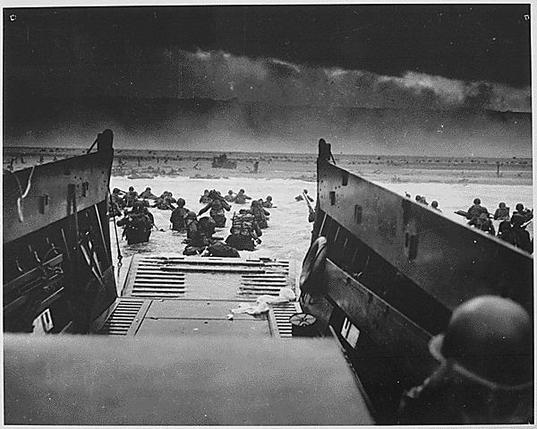
 Santiago Ortiz
 Matthew Merkovich
 Aaron
Aaron Ed
Ed