 KillBait News
CNN panel debates Trump administration proposal for federal employee nondisclosure agreements
📰 Original title: 'You never answered my question!' Conservative fact-checked over and over by CNN panel
🤖 IA: It's clickbait ⚠️
👥 Users: It's clickbait ⚠️
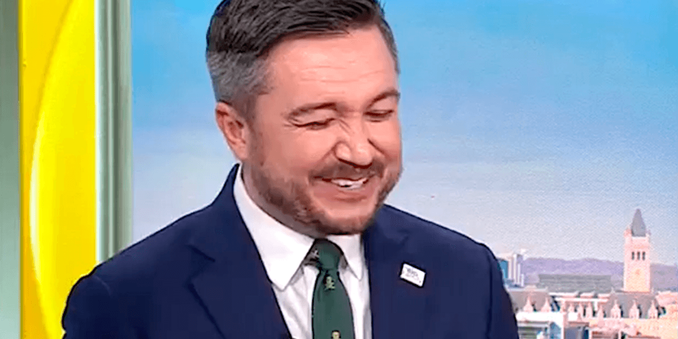
CNN panel debates Trump administration proposal for federal employee nondisclosure agreements
A CNN panel discussion highlighted a heated debate over a Trump administration proposal that would require federal employees to sign nondisclosure agreements (NDAs). The Office of Personnel Management reportedly issued a draft notice suggesting the policy, which the administration argues is necessary to prevent unauthorized disclosures to the media and reduce internal leaks. During the segment, conservative commentator Terry Schilling defended the proposal, arguing that President Donald Trump has been unfairly targeted and that NDAs are a reasonable security measure. He claimed that leaks and misinformation justify tighter restrictions and suggested that whistleblower protections remain intact under existing law. Democratic strategist Antjuan Seawright pushed back strongly, questioning the historical basis for the claim that similar measures were used under previous administrations, particularly the Biden administration. He repeatedly challenged Schilling to provide evidence, asking when such NDAs were implemented in the past four years. The exchange became increasingly tense as Schilling insisted comparable actions had occurred, while Seawright and others on the panel disputed that assertion. CNN host Audie Cornish intervened at moments, adding critical commentary and highlighting tensions in the argument, including concerns about trust in government and the role of inspectors general in handling whistleblower complaints. Political analyst Ron Brownstein also weighed in, arguing that the proposed NDAs reflect broader concerns about leaks during the Trump administration and a governance approach that emphasizes personal loyalty and centralized control. The discussion underscored deeper partisan disagreements over transparency, executive authority, and press freedom, with panelists divided on whether the proposed NDAs represent legitimate security measures or an effort to restrict internal dissent and public accountability within the federal government.