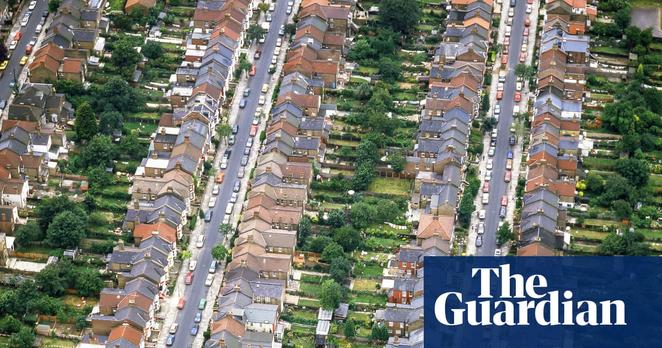
Resilience (and lower #HomeInsurance rates) is about not building where you shouldn't be building.

“It’s particularly relevant to western Sydney, where over the last few years, there has been continued development in areas where it’s kind of debatable about whether we should actually allow development in those areas,” Paddam said.

https://www.smh.com.au/environment/climate-change/the-maps-that-reveal-how-climate-disasters-are-driving-up-insurance-premiums-in-sydney-20250309-p5li7x.html

The maps that reveal how climate disasters are driving up insurance premiums in Sydney

The accelerating risk of climate disasters including floods, bushfires and storms means Sydneysiders in some parts of the city are paying over three times more for home insurance than others.

The Sydney Morning Herald

"IAG chief executive Amanda Whiting said insurers are increasingly using detailed risk assessments for individual properties, rather than relying solely on regional data.

She added that insurance providers should clearly communicate when a proposed development is unlikely to be insurable, which could prevent homes from being built in unsuitable locations."

https://www.insurancebusinessmag.com/nz/news/catastrophe/industry-leaders-warn-climate-change-could-make-nz-homes-uninsurable-528668.aspx
#HomeInsurance

Industry leaders warn climate change could make NZ homes uninsurable

Survey shows strong public support for increased investment in climate resilience

"#Tariffs are expected to have a significant impact on the cost of insurance, which is bracing for more disasters caused by a warming world — hurricanes, tornadoes, earthquakes, wildfires, and flooding."

https://cleantechnica.com/2025/03/30/insurance-industry-predicts-more-future-losses-now-tariffs-add-to-the-impact-of-climate-claims/
#HomeInsurance

Insurance Industry Predicts More Future Losses - Now Tariffs Add To The Impact Of Climate Claims - CleanTechnica

Tariffs, particularly on building materials, can lead to higher condo insurance premiums. That's complicating climate claims.

CleanTechnica

The rise in home construction costs is already a big part of why #HomeInsurance rates have shot up. Tariffs will spike the price of building materials.

https://insideclimatenews.org/news/08042025/todays-climate-tariffs-insurance-premiums-increase/

Tariffs Could Spike Rates in an Already Climate-Stressed Insurance Market - Inside Climate News

The Trump administration’s tariffs will have profound impacts on homebuilding costs, which could affect the insurance market and consumers in the long term.

Inside Climate News

"State Farm on Feb. 3 asked Insurance Commissioner Ricardo Lara to allow it to urgently raise its prices by an average of almost 22% for homeowners policies. But attorneys for State Farm and the insurance department said Tuesday the company is now only asking for a 17% hike."

https://www.sacbee.com/news/politics-government/capitol-alert/article303761776.html#storylink=cpy

"New data out today exposes the electorates where homes and businesses are most at risk from #climate-fuelled flooding, bushfires, tropical cyclone winds, coastal inundation, and extreme wind.

The #ClimateRisk Map, an interactive online map using fresh data from Climate Valuation, allows every Australian to see the climate risks in their local area."

https://www.climatecouncil.org.au/resources/climate-change-threatens-the-great-australian-dream/
#Australia

Climate change threatens the Great Australian Dream

New data exposes the electorates where homes and businesses are most at risk from climate-fuelled unnatural disasters.

Climate Council

Homeowners insurance in an era of climate change
"The U.S. Treasury’s Federal Insurance Office has posted  ZIP code level data for 2018-2022 showing that #HomeInsurance is becoming more costly and harder to procure for millions of Americans as the costs of climate-related events pose growing challenges to insurers and their customers. The [data] covers more than 330 private insurers and about 50 million homeowner insurance policies for each year."

Incl. interactive map.

https://www.brookings.edu/articles/homeowners-insurance-in-an-era-of-climate-change/

Homeowners insurance in an era of climate change

The U.S. Treasury data shows homeowners insurance is becoming more costly and harder to procure in light of climate change.

Brookings

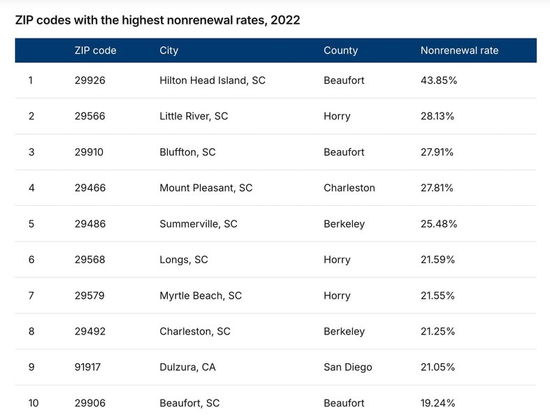
Non-renewal rates on #HomeInsurance are highest in South Carolina (and they are very high).

Report and data can be downloaded from the US Treasury's website
https://home.treasury.gov/news/press-releases/jy2791

What’s driving people out of Houston? New report points to 3 things
"Vulnerable households are located in areas most susceptible to flooding and extreme heat.
Many of these communities are underinsured.

Perhaps most alarming, the rising cost of #HomeInsurance driven by #climate risks could add more than $15,000 to the overall cost of owning a home, pushing homeownership even further out of reach for many.

https://www.khou.com/article/news/local/houston-housing-costs-climate-change-kinder-report-2025/285-a6c7484e-8f9a-46d5-af76-dd8e94a6c944

Before you continue to YouTube

"Warren Buffett, Chairman of Berkshire Hathaway, warned that "storm damage is continuing to increase," and "one day, there could be truly massive insurance losses."

Günter Thalinger, Head of Sustainability at global insurer Allianz, pointed out that "if insurance supply is interrupted, the entire financial services sector could face paralysis," highlighting the potential structural risk."

https://biz.chosun.com/en/en-international/2025/06/27/CPIQV2HMTZAWJCGHIYPCVITXHM/

Translation: mortgage and banking crisis.

Climate change threatens insurance stability and sparks financial crisis concerns in Korea

Climate change threatens insurance stability and sparks financial crisis concerns in Korea Rising insurance costs and restricted lending heighten fears of a financial collapse.

CHOSUNBIZ

In this long read, Pilita Clark lists some who have been warning about a 2008-style financial meltdown triggered by a climate-induced housing crisis:

The US Senate Budget Committee (Dec 2024);
The US Financial Stability Board;
Fed chair Jerome Powell;
Investor Warren Buffett;
Allianz board member Günther Thallinger.

This is about physical, not financial, risk. And as an economist points out,
“This type of climate risk is not cyclical. It’s heading in one direction.”

https://www.ft.com/content/9e5df375-650d-492e-ba51-fb5a34e6ddd6

How the next financial crisis starts

The climate shocks that could trigger wider market turmoil

Financial Times

We May Have to Take Climate Risks Into Our Own Hands Now

"The most meaningful thing you can do on your own is harden your own home against relevant disasters.

One of the only ways home hardening and mitigation makes a difference for insurance is when it’s done on a neighborhood scale. For instance, in 10 states, communities that have been certified as firewise through the National Fire Protection Association are able to get insurance discounts."

https://www.motherjones.com/environment/2025/07/home-hardening-diy-disaster-preparedness-climate-risk-fires-flooding-hurricanes/
#HomeInsurance

We may have to take climate risks into our own hands now

Why DIY disaster prep matters more than ever.

Mother Jones

"Over the past half decade, the top 19 global reinsurers have more than halved their exposure to insured catastrophe losses.

The reinsurance industry covered just over 10% of total insured catastrophe losses last year, compared with about 25% in 2019 and well below the historical average of 20%, according to S&P."

https://www.bloomberg.com/news/articles/2025-09-07/s-p-warns-of-reinsurer-protections-as-catastrophe-risks-escalate

How Climate Risks Are Putting Home Insurance Out of Reach

“The insurance crisis in the U.S. is the canary in the coal mine, and the canary is dead,” says a former California official.

https://e360.yale.edu/features/climate-change-home-insurance
#HomeInsurance

How Climate Risks Are Putting Home Insurance Out of Reach

After years underestimating the risks posed by climate-fueled disasters, the U.S. home insurance industry is in turmoil. In vulnerable areas, rising insurance costs are upending housing markets and communities, as homeowners scramble to try to find insurance they can afford.

Yale E360

"Climate change and extreme weather has been a factor into the steep hikes, with insured losses from extreme weather hitting a record $8.5 billion in 2024, a Canadian record. Such frequent, severe disasters, the company noted in the report, are driving up home insurance claims and expenses across the country, forcing insurers to raise premiums to keep pace with the heightened risk."

https://www.insauga.com/climate-change-extreme-weather-leading-to-soaring-home-insurance-rates-in-ontario-study/
#HomeInsurance

Günther Thallinger – CEO of insurer Allianz – sees it very clearly.

"This is already happening. Entire regions are becoming uninsurable.

A house that cannot be insured cannot be mortgaged. No bank will issue loans for uninsurable property. Credit markets freeze. This is a climate-induced credit crunch.

The idea that market economies can continue to function without insurance, finance, and asset protection is a fantasy."

https://www.linkedin.com/pulse/climate-risk-insurance-future-capitalism-g%C3%BCnther-thallinger-smw5f/

Climate, Risk, Insurance: The Future of Capitalism

CO₂ emissions directly increase the amount of energy trapped in the Earth’s atmosphere. This is not a vague or future issue—it is physical reality.

“When insurance becomes unaffordable or unavailable, households are exposed, property values fall, mortgages become harder to secure, and the risk of a wider financial crisis grows,” researchers say.

https://www.euronews.com/green/2025/12/06/nowhere-to-move-how-climate-change-became-the-property-markets-biggest-nightmare

How climate change has become the property market’s biggest threat

From plummeting house prices to insurable homes, climate change is impacting the property market around the world.

euronews

"Two homeowners in Washington state who have seen sharp increases in their home insurance premiums in recent years have brought a new lawsuit against major oil and gas companies—the first of its kind aiming to hold Big Oil responsible for climate-related spikes in insurance costs."

https://insideclimatenews.org/news/05122025/washington-homeowners-sue-oil-companies-over-insurance-rates/
#HomeInsurance

Homeowners Sue Oil Companies as Climate Damage Drives up Insurance Rates - Inside Climate News

The class-action lawsuit is the first of its kind to target Big Oil over rising home insurance costs.

Inside Climate News

"People keep moving into risky areas. In my view, this isn't really about individual choice — it's about policy failure.
When local governments restrict development through exclusionary zoning, they're effectively pricing out working families and pushing them toward risk.

When a society forces people to choose between paying for housing and staying safe, that society has failed. Housing should be a right, not a risk calculation."

https://www.timesfreepress.com/news/2025/dec/13/times-opinion-moving-to-a-climate-disaster-zone/

Times Opinion: Moving to a climate-disaster zone just to afford a home

Picture this: You're looking to buy a place to live, and you have two options.

www.timesfreepress.com

"The Trump administration’s policies on climate, cutting funding to key programs, [and] reducing access to and limiting the collection of climate data are contributing to an increase in property insurance rates for homeowners, said insurance industry analysts and experts.

Steep tariffs on materials like lumber, steel, & aluminum are raising construction and repair costs, which will likely be passed on to consumers through higher home insurance premiums."

https://yaleclimateconnections.org/2025/12/trumps-anti-climate-policies-are-driving-up-insurance-costs-for-homeowners-say-experts/
#HomeInsurance

Trump’s anti-climate policies are driving up insurance costs for homeowners, say experts

Tariffs, extreme weather events and the president’s funding cuts are contributing to increasing rates, sometimes by double digits.

Yale Climate Connections

"The lesson from states already under insurance stress is clear: Michigan still has time to blunt the impact — but not indefinitely. Without sustained investment in infrastructure, updated risk data, and resilient design, climate costs will continue migrating from disaster headlines to monthly insurance bills, mortgage payments, and business balance sheets."

https://mitechnews.com/update/climate-change-is-driving-up-insurance-costs-and-michigan-is-already-paying-the-price/

Climate Change Is Driving Up Insurance Costs — and Michigan Is Already Paying the Price

ANN ARBOR - The accelerating cost of climate change is no longer confined to distant coastal disasters or global economic forecasts. It is increasingly

MITechNews

"The federal government is considering implementing mandatory bushfire-resilience star ratings for houses in Australia’s fire-prone regions in an attempt to encourage owners to retrofit homes "

https://www.smh.com.au/national/the-simple-system-that-could-stop-houses-burning-in-bushfires-20260113-p5ntog.html?js-chunk-not-found-refresh=true

We also need a flood rating. Some places already have an energy rating mandatory at the time of sale. This way you know what you're buying.

The simple system that could stop houses burning in bushfires

With extreme weather conditions becoming increasingly common, the federal government is looking at more ways to help home owners avoid danger.

The Sydney Morning Herald

"Since the 1990s, American homes have been systematically underinsured in the event that they are completely destroyed.

Until then most US home insurance policies included a guaranteed clause to replace no matter the cost. But as American houses got bigger and more expensive, the guarantee lost ground to replacement-cost-value coverage, which sets an upper limit on how much the insurance company will pay out."

And rebuilding costs are routinely underestimated.

https://www.bloomberg.com/news/newsletters/2026-01-16/climate-change-exposes-a-major-home-insurance-gap

"The devastating impacts are accelerating faster than the work to keep communities protected, they said: torrential winter rains are arriving 20 years earlier than climate models projected. While those forced from homes engulfed by filthy water are suffering today, a darker question is looming: will some settlements have to be abandoned?"

https://www.theguardian.com/news/ng-interactive/2026/jan/31/climate-crisis-flood-risk-britain

‘Homes may have to be abandoned’: how climate crisis has reshaped Britain’s flood risk

As rivers swell and homes are cut off, scientists say UK winter rainfall is already 20 years ahead of predictions

The Guardian

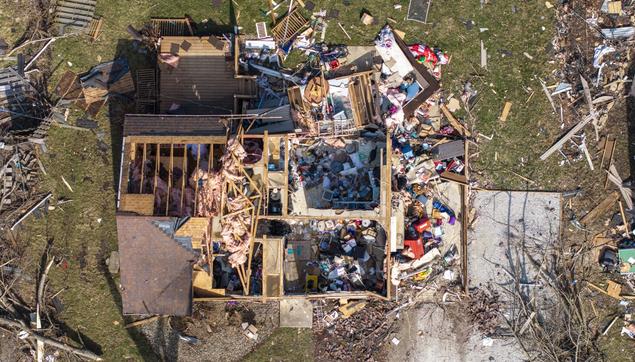
"The fires that ravaged Los Angeles County last January destroyed or partially burned more than 18,000 homes. A year later, recovery is lagging: Fewer than a dozen destroyed homes have been rebuilt, and less than 1,000 rebuilds are on track for this year.

Displaced owners of leveled or damaged homes widely report that insurers are low-balling and delaying repair settlements, a process they believe is deliberately designed to slow things down."

https://www.thenewlede.org/2026/02/postcard-from-california-la-fire-recovery-stymied-by-insurance-system-ill-equipped-for-climate-crisis/

Postcard From California: LA fire recovery stymied by insurance system ill-equipped for climate crisis

The fires that ravaged Los Angeles County last January destroyed or partially burned more than 18,000 homes and other structures and blanketed a like number in toxic smoke and soot. A year later, recovery is lagging: Fewer than a dozen destroyed homes have been rebuilt, and less than 1,000 rebuilds are on track for this year.

The New Lede

"Protection Gap Deepens: The share of uninsured homes in the U.S. has more than doubled—from 5% in 2019 to 12% in 2025—as the rising climate risk and market dynamics combine to limit the private insurance sector’s ability to close this gap."

https://ethicalmarketingnews.com/escalating-extreme-weather-risks-push-u-s-insurance-system-to-breaking-point
#HomeInsurance

Escalating Extreme Weather Risks Push U.S. Insurance System to Breaking Point | Ethical Marketing News

A new report from World Wildlife Fund, Tackling The Insurance Protection Gap, warns that the rising frequency and severity of extreme weather is driving an insurance crisis in the United States, leaving millions of households and businesses financially exposed. “The insurance protection gap is the canary in the coal mine for the U.S. economy, and

Evaluating climate risk for a particular home is much like assessing the weather forecast: many people consult more than one source.

“Try to look at as many different sources of information as possible. And if they’re all telling you the same thing, then that can give you a more comprehensive picture.”

https://insideclimatenews.org/news/10022026/todays-climate-risks-buying-homes-flooding-wildfire/

Choosing the Right Home Is Tough. Climate Change Is Making It Harder. - Inside Climate News

A number of tools can help you understand localized climate risks. But it’s still a lot to navigate.

Inside Climate News

Beyond black box models,
Data on wildfire risk:

"The nonprofit research group CarbonPlan launched the free, user-friendly app called Open Climate Risk on Tuesday. It allows anyone to enter an address and view a wildfire risk score, on a scale of zero to 10, along with an explanation of how it was calculated. The underlying methodology, data, and code are all public. It’s the first fully open platform of its kind, according to CarbonPlan."

https://heatmap.news/adaptation/carbonplan-fire-risk

This New Wildfire Risk Model Has No Secrets

On a warming planet, knowing whether the home you’re about to invest your life savings in is at risk of being wiped out by a wildfire or drowned in a flood becomes paramount. And yet public data is almost nonexistent. While private companies offer property-level climate risk assessments — usually fo...

Heatmap News

"[Connecticut] has launched a public climate-risk mapping tool where residents can see the estimated flood exposure of their property — along with wildfire, wind and other climate risks.

FEMA maps do not include localized flooding from heavy rainfall.

Before launching the portal, the department asked First Street to compare its projections with the August 2024 flood footprint. The state found the modeled maps closely aligned with properties that experienced flooding."

https://www.bloomberg.com/news/features/2026-02-25/what-is-my-flood-risk-connecticut-updates-homeowners-on-climate-exposure

"New attribution research shows how extra heat in the atmosphere can turn thunderstorms into factories for dangerous, softball-size hail.

Munich Re researchers say severe hailstorms can cause billions of dollars in damage in a matter of minutes when they hit cities packed with cars, glass roofs and solar panels."

https://insideclimatenews.org/news/09032026/warming-intensifies-hail-thunderstorms/

A Warmer Climate Means Bigger Hail - Inside Climate News

New attribution research shows how extra heat in the atmosphere can turn thunderstorms into factories for dangerous, softball-size hail.

Inside Climate News

[Australian] Banks face climate stress as home insurance crisis widens

"A widening insurance protection gap – the difference between the amount of insurance in place and the actual cost of recovery from a disaster – will create credit risk for banks which use residential property as the security for loans, based on a high-risk scenario for global warming."

https://www.afr.com/companies/financial-services/rising-premiums-to-force-more-homeowners-to-drop-insurance-apra-warns-20260323-p5rosn
#HomeInsurance

APRA warns climate change could leave a quarter of Australian houses uninsured by 2050

By 2050, one in four Australian houses may be uninsured, as rising premiums from climate change make it unaffordable, creating problems for lenders.

Australian Financial Review

Between 2021 and 2024, #HomeInsurance costs increased by about 50% in Illinois, and this year, the state’s insurance rates are expected to climb about 5%.

Illinois-based insurance giants pointed to extreme weather as driving up costs. In 2024, only Texas reported more hail damage than Illinois.

“We are already seeing the impacts of the climate crisis show up in people’s monthly bills, and rising homeowners insurance costs are one of the clearest examples,” she said."

https://chicago.suntimes.com/environment/2026/03/27/climate-change-surge-home-insurance-rates-illinois

Climate change is fueling a surge in Illinois home insurance premiums

Between 2021 and 2024, home insurance costs increased by about 50% in Illinois, and this year, the state’s insurance rates are expected to climb about 5%.

Chicago Sun-Times

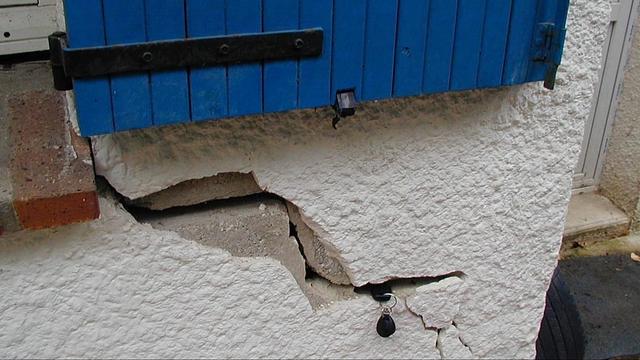
"During dry periods, clay soils lose their moisture and start to shrink, risking the foundations of homes to collapse. When heavy rainfall hits, the clay starts to swell, absorbing excess water.

The alternation of these dry-then-wet periods are repeated over time, gradually weakening soils and foundations.

This phenomenon affects 54 per cent of detached houses in France."

https://www.euronews.com/2026/04/02/shrinking-swelling-phenomenon-is-putting-12m-french-homes-at-risk-is-climate-change-to-bla

How global warming is putting millions of French homes at risk

More than half of the detached houses in France are under threat by rising temperatures, spurring the government to fight back.

euronews

"Worried about wildfires sending claims soaring this year, Canada's property and casualty insurers are pushing owners to flood- and fire-proof ​homes and urging the government to take climate issues more seriously despite economic turmoil."

https://www.reuters.com/sustainability/cop/canadian-insurers-fortify-homes-urge-carney-put-climate-first-wildfire-season-2026-04-14/
#HomeInsurance

"Insurance firms, banks and consumer advocates have proposed a national plan to offer cheaper #HomeInsurance premiums and finance options to Australians who upgrade their properties to withstand natural disasters."

https://www.abc.net.au/news/2026-04-30/housing-resilience-action-plan-2030-home-insurance-affordability/106611170
Insurers among group proposing cheaper premiums for disaster-resistant homes

As about 1.6 million households experience insurance unaffordability stress, a disparate alliance of stakeholders proposes cheaper premiums for home owners who upgrade their properties to withstand natural disasters.

"There’s a critical threshold around 1.5 inches in diameter (about 4 centimeters). Below that size, hailstones melt more easily in the warming air, reducing the frequency of moderate hailfalls.

A hotter and more humid atmosphere sets the stage for exceptionally large hailstones. Once they hit the critical 1.5-inch diameter, their fall speed is so high that they no longer melt before hitting the ground. "

https://www.futura-sciences.com/en/why-this-extreme-weather-threat-is-about-to-get-much-worse-than-expected_31233/

Why this extreme weather threat is about to get much worse than expected - Futura-Sciences

The Icy Paradox: Less Hail, More Havoc A study published in August 2024 in Nature Climate and Atmospheric Science is shaking up what we thought we knew about the future of hailstorms. Researchers used advanced meteorological models to predict how these icy assaults will evolve as the planet warms. Their...

Futura-Sciences

"Insurance companies are being ordered to turn over internal records showing claims and losses caused by wildfires, storms and other perils in each ZIP code where they sell policies.

The data collection is being overseen by a national organization of state insurance commissioners that has been reluctant to gather such precise information but now wants to understand the severity of the growing property insurance crisis."

https://www.eenews.net/articles/states-are-demanding-property-insurance-records-to-study-climate-change/

States are demanding property insurance records to study climate change

An unprecedented nationwide data collection will show where storms and wildfires are causing large insurer losses and rate hikes.

E&E News by POLITICO

"While coastal states like Florida have tended to face the worst of price hikes, inland areas have also seen costs rise in recent years following hail storms, wind damage and other disasters.

Inland states like Iowa and Nebraska have also seen sharp cost hikes as climate risks mount.

Climate change is enhancing conditions conducive to the most powerful hurricanes and it intensified [hurricane] Helene."

https://today.rtl.lu/news/world/climate-risks-fuel-insurance-costs-squeezing-us-households-even-inland-2099006781
#HomeInsurance

Becoming prohibitively expensive: Climate risks fuel insurance costs, squeezing US households even inland

RTL Today

"Fossil fuels are making our insurance premiums unaffordable and exposing us to financial ruin.

Here’s the good news: the solutions exist, they are affordable, and the public wants them. We can bring down the pollution premium by replacing fossil fuels with clean energy and making polluters pay."

https://350.org/out-of-pocket-pollution-premiums-the-real-cost-of-fossil-fuels-on-our-insurance-bills/
#HomeInsurance

Out of Pocket: Pollution Premiums – the real cost of fossil fuels on our insurance bills

Fossil fuels are making our insurance premiums unaffordable and exposing us to financial ruin. But momentum is building to ramp up clean energy and make polluters pay!

350

"In the United States, homeowner insurance premiums increased by 29% from January 2021 to January 2026, and personal auto insurance rose nearly 25% over the same period. These mounting costs are among the biggest contributors to overall inflation.

France raised its mandatory natural catastrophe surcharge on property insurance from 12% to 20%, effective January 2025. In northern Australia, premiums climbed more than 130% in real terms between 2007 and 2022."

https://350.org/out-of-pocket-pollution-premiums-the-real-cost-of-fossil-fuels-on-our-insurance-bills/

Out of Pocket: Pollution Premiums – the real cost of fossil fuels on our insurance bills

Fossil fuels are making our insurance premiums unaffordable and exposing us to financial ruin. But momentum is building to ramp up clean energy and make polluters pay!

350

"The average home insurance premium in Florida increased 75% between 2021 and 2025, according to The Coalition for an Insurable Future. That’s roughly double the national average."

https://www.winknews.com/news/state/report-climate-change-increases-insurance-costs-for-floridians/article_b36abc09-6d46-4fd8-af18-27004a708a47.html

"France’s CatNat system works on a similar principle of national solidarity, but goes a step further: natural disaster cover is compulsory and automatically included in every property insurance policy in the country. Every French policyholder contributes to the scheme through a mandatory surcharge, regardless of where they live. The scheme has covered over €50 billion in payouts since 1982, but as climate losses accelerate, the system is showing signs of strain."

https://theconversation.com/climate-change-how-fires-and-floods-are-creating-uninsurable-areas-across-europe-283181

Climate change: how fires and floods are creating uninsurable areas across Europe

From California to France and the UK, traditional private markets are buckling under the weight of climate claims.

The Conversation

"Insurance gap"

"The global natural catastrophe protection gap widened to $424 billion in 2025 from $395 billion a year earlier. The gap is the difference between economic losses and the amount covered by insurance.

Swiss Re also said that narrowing the protection gap will require more than additional insurance coverage. These could include stronger building standards, flood defences and land-use planning to reduce losses and improve insurability."

https://www.royalgazette.com/reinsurance/business/article/20260608/protection-gap-widening-says-swiss-re/

Protection gap widening, says Swiss Re

Global insured catastrophe losses could approach $186 billion annually by 2030, creating more demand for risk-transfer products, according to new research from Swiss Re. The institute estimates that t...

"Subsidence is a worsening risk and insurers don’t want to pick up the tab.

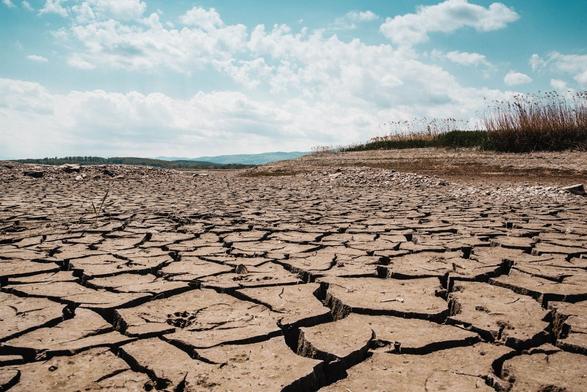
While groundwater extraction, mining and earthquakes also cause the ground to shift, global warming vastly increases the risks. What happens is that soil swells with winter rain and then shrinks as it dries in the heat, cracking foundations in the process."

https://www.bloomberg.com/news/features/2025-06-13/climate-change-france-insurers-and-homeowners-in-legal-fight-over-subsidence

"Millions of homes are at risk from climate-related subsidence, according to an analysis by the British Geological Survey (BGS).
As hotter, drier summers driven by global heating become more frequent, the ground under houses can shrink and drag down a property’s foundations. The most vulnerable areas include London, Essex, Kent and a tranche of land from Oxford up to the Wash on England’s east coast."

https://www.theguardian.com/environment/2026/jun/11/millions-homes-london-essex-and-kent-sinking-climate-crisis-subsidence

Millions of homes in London, Essex and Kent at risk of sinking as climate crisis worsens

Analysis pinpoints areas most vulnerable to hotter, drier weather causing ground to shrink and drag foundations down

The Guardian

"[Moody's] warns physical risk losses could hit US$41.4 trillion by the mid-2040s, with much of it going uninsured.

The gap does not simply go unfunded. Governments, businesses, and households absorb what insurance does not cover, and that burden can stall economic recovery in the regions most affected."

https://www.insurancebusinessmag.com/au/news/catastrophe/slowonset-climate-perils-outpacing-the-insurance-market-moodys-579804.aspx

Slow-onset climate perils outpacing the insurance market: Moody's

The firm warns physical risk losses could hit US$41.4 trillion by the mid-2040s, with much of it going uninsured

Insurance Business

"Heatwaves and water stress are generating increasingly large losses but remain largely outside standard insurance coverage. Around 95% of losses tied to the 2025 European heatwave were uninsured, Moody’s found.

Heat and water stress build over time. They are harder to model, harder to price, and poorly suited to conventional policy structures built around discrete loss events."

https://www.insurancebusinessmag.com/au/news/catastrophe/slowonset-climate-perils-outpacing-the-insurance-market-moodys-579804.aspx

Slow-onset climate perils outpacing the insurance market: Moody's

The firm warns physical risk losses could hit US$41.4 trillion by the mid-2040s, with much of it going uninsured

Insurance Business
@CelloMomOnCars well that sucks. I suppose that we can’t depend on our trillionaire and billionaires or governments to fix it for us.
@CelloMomOnCars We are without homes, nothing needs securing😅

@CelloMomOnCars

And Florida voters keep electing climate deniers like Trump and Desantis, so I say, good. These people are too dumb and/or closed-minded to learn any other way. You voted for it, you got it.

"The average home insurance premium in Florida increased 75% between 2021 and 2025"

#Climate #ClimateChange