The Linux desktop has a maintenance problem due to the lack of volunteer contributors. One reason for this is that upstream projects are at the mercy of downstream distributions, who have the final say.

As an upstream contributor, you have no choice but to meticulously plead for any reasonable request to be granted by downstreams, treating them as if they were some kind of deity. Not doing so with the utmost respect can get you on their naughty list, which they can then use against you just because they can, and because the license allows it — they will even play the 'you chose the wrong license' card when they have nothing else to say.

The idea that the distribution model expects users to report issues to downstream is no longer valid. In reality, many distributions advertise themselves as user-friendly. Users of these distributions are unaware of the distribution model, so they report issues to upstream rather than downstream. Often, these bug reports and feature requests have already been solved in previous releases, so the upstream has to regularly triage and close duplicate and outdated bug reports. This creates an additional burden for them because they end up spending their limited volunteer time managing these issues when it should be the responsibility of the downstream.

Whenever the upstream project reaches out to the downstream distribution and asks for a change, the response is usually with the downstream pretending to look for a solution by first asking for a list of bugs to be found and compiled, essentially shifting the responsibility back to upstream to start a virtual machine just to test the package and find bugs. If upstream objects to this absurd request, downstream proposes unrelated or unrealistic 'solutions', such as adapting the issue tracker or switching to a proprietary license, just to avoid doing any actual work. Eventually, when the tone of the upstream project changes, the downstream makes remarks on that tone and starts acting like they are the reasonable one; they end the discussion and continue misleading users into reporting to the upstream project, but this time intentionally and out of spite, just to continue avoiding taking responsibility and accountability.

#MaintainerLife #FOSS #OpenSource #FreeSoftware #Development #Linux
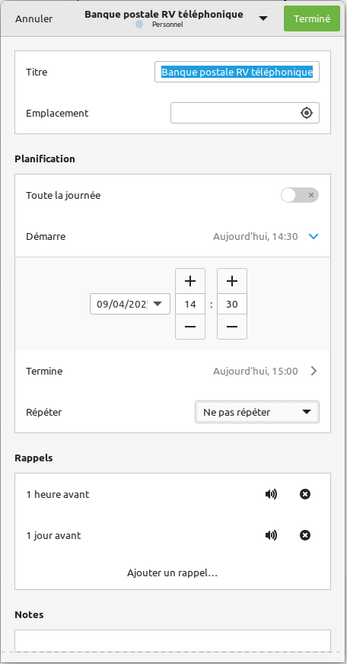
All of this brings me to GNOME Calendar and @linuxmint. For years, we've been dealing with users reporting issues about Linux Mint's package of GNOME Calendar to us, that were either never present or addressed releases ago.

Just a couple of examples:

There were a couple of discussions regarding this in the past, in chat, but none of it ended up being productive. Eventually, we got fed up by it and I opened issue #1 on Mint's package of GNOME Calendar — the first issue ever in their package's repository — asking them to remove all links pointing to upstream GNOME Calendar and rebranding the app. This had no response for 6 months, all the while we were still getting bug reports about Mint's broken package. @nekohayo eventually got fed up (again!) and pinged the packager. The packager replied with something completely unrelated and asked which modifications we did not like, completely ignoring our actual request. So, I just told him bluntly that we don't have the time to look through the code just to pinpoint specific issues, so I'll just loosely say "everything", and the only way for us to be happy is if they could rebrand and we can move on.

Then, the packager responds with something unrelated once again, ignoring the essence of my comment, and follows with a whataboutism — "As i said, 46 and 48 are used by millions of people right now in Ubuntu LTS and Debian Stable. Are you going to request Debian and Ubuntu stop shipping GNOME apps?" — in other words, "what about Ubuntu LTS and Debian Stable?" — as a bonus, twisting my words and going from GNOME Calendar to "GNOME apps".

So, once again, I reminded that this is not what the issue is about.

As a side note: no, never would we go after Debian or Ubuntu over this. If the distribution in question is doing its job properly by simply not bothering the people writing the software that they package, then why should we go after them? They are not the ones misleading users into opening in the wrong place, so there is no reason for us to be upset about. In this case, Linux Mint is leeching off of Debian, and pushing their responsibility onto us.

The packager then explains what to do, and redirects us to Debian to take down the package, essentially roping Debian into Linux Mint's problem — all the while completely ignoring the premise of this post. Sure, both Linux Mint and Debian's packages share the same source; however, this is just a technical detail. The actual problem, one that regularly affects us, is that Linux Mint users report issues to us, whereas Debian users report them to Debian.

So, I remind him bluntly that this is not our responsibility as an upstream to fix his problems.

He then suggests to incorporate code upstream to check if the user is running an outdated version or not. In other words, either phoning home, somehow keeping track of releases every 6 months, or something unrealistic.

I lose my patience and hostily tell him that we upstreams don't care about how distributions operate, and reminded, once again, that all we want is for them to rebrand. To which he replied with "If you don't care, then neither do we." — confirming that Linux Mint doesn't care about Debian or even itself as a distribution. Then says "probably requires GNOME Calendar to move away from free licenses" and locks the issue — once again, completely ignoring the essence of this entire issue.

Now they know what the problem is, and have refused to act on it by shoving their responsibilities onto us, but this time intentionally, because that should show upstream for hurting my feelings, never mind the fact that we are the ones doing the hard work, and they are making us do more work. This is the length some distributors will go to abuse people's generosity.

#MaintainerLife #Linux #GNOME #GNOMECalendar #FOSS #OpenSource #FreeSoftware

Parrot (@[email protected])

Attached: 1 image @[email protected] @[email protected] @[email protected] @[email protected] Alors nous n'avons pas la même version, moi j'ai la 41.2 de Linux Mint

Mastodon Chapril

@TheEvilSkeleton @linuxmint @nekohayo okay, so to be consistent, I expect you to now file issues and be hostile towards every LTS distro, that ships GNOME - Ubuntu, Debian, openSUSE Leap.

You really don't see how stupid this is? The whole POINT of LTS distributions is to ship outdated packages. That's how they operated FOR DECADES. You have NO RIGHT to request removal of a package, or rebranding it, simply because you don't feel like dealing with bug reports coming from LTS

This is so stupid

@leniwcowaty @TheEvilSkeleton @linuxmint @nekohayo There is a difference between shipping outdated packages and offloading your issues to upstream. Distributions can (and should) ship outdated software with changed branding.

> You have NO RIGHT to request removal of a package

Statements like this make me seriously question whether I should publish any of my work under an open source license, which I think is a rather sad thing :(

@FineFindus @TheEvilSkeleton @linuxmint @nekohayo ah yes, and if a distro changes the branding, the developer will come after them for changing the branding. Because how could they steal our project?! They should give credits, link to the upstream! And don't tell me, this doesn't happen...

@leniwcowaty @FineFindus @TheEvilSkeleton @linuxmint @nekohayo

You do realize just because something is FOSS doesn't mean it's automatically a free for all for the trademarks and branding correct? The code is FOSS and can be modified and redistributed to your hearts extent. Its fully within Skellys and Gnomes right to request you to stop using their trademarks. It'll be OBS and Fedora all over again. How long before one of these upstream projects take a distribution to court and finally put them in their place.