 Prof. Sam Lawler
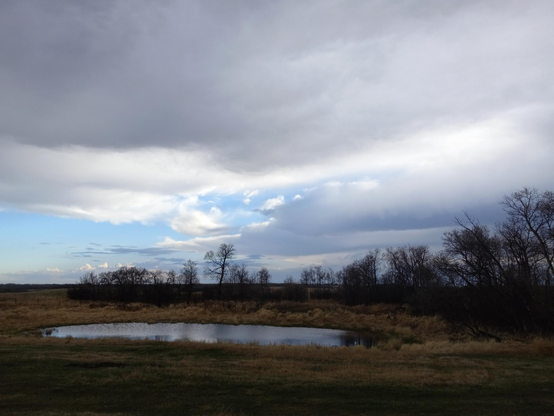
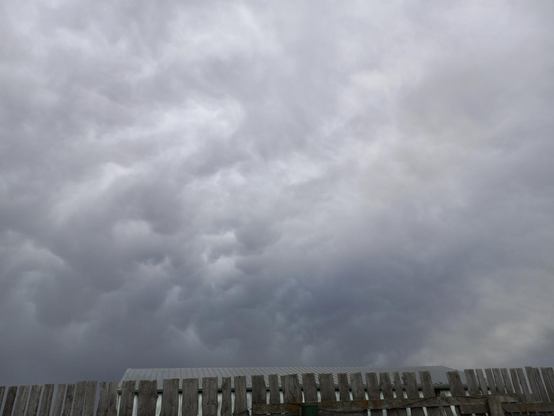
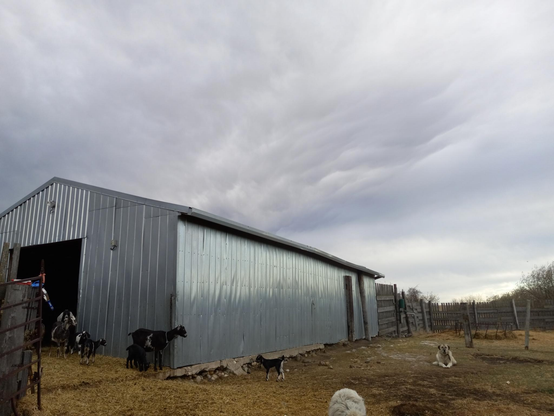
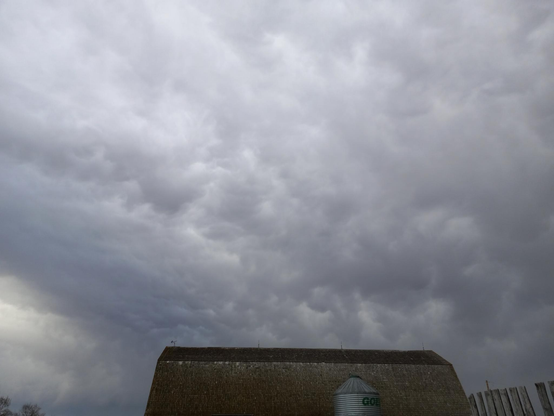
It's a Good Cloud Day. But the goats are very annoyed there was a teeny tiny bit of rain (they really do not like rain).
A scary quick calculation: there are 10,375 Starlink satellites in orbit https://planet4589.org/space/con/conlist.html, all coming down within 5 years.
That's an *average* of 5 or 6 a day for the next 5 years. And the v2's are bigger than the v1's. v2's are (conservatively) 1000kg and (conservatively) half aluminum. That's 2.5-3 tonnes of aluminum per day. 8 times the natural infall rate of aluminum (and there's lots of other scary things like lithium). What will that do to our atmosphere?
SpaceX is awful.
Wasn't that the plot of Seveneves?
Had the idea it involved an ablation cascade aka Kessler syndrome.
@Photo55 @Perrin42 @sundogplanets
Remembering now! yeah, I really must read the book.
@angelastella
It is really quite good.
Separately, one of the discussions I've seen in #SciFi is of the minimum size of society for prolonged survival in Space.
Large.
I remember a good discussion about that topic on Charles Stross' weblog. If the idea is having modern industry, it could run to millions.
Sharing practical knowledge is a must. And it's the kind of thing we already do, not like molecular nanotechnology enabling cornucopia machines, or either versatile robots, or something else.
@angelastella
#JohnBrunner with Eptification - with a bad result - and #JoeHaldeman with some sort of overlays in #WorldsApart and assorted authors with "memory tapes and of course #TheMatrix "now I do!"
And in a less friendly way #LarryNiven with #Corpsicles and #RichardMorgan with the #DigitallyStoredHumans and #DigitallyFreightedHumans and uploading into a sleeve.
And a bunch more.
Yes, shortcuts to make the most of limited bodies. But to keep a closed ecology plus the mechanical part of the habitat and some mining/manufacturing capability there's no easy substitute for those bodies, and I'm afraid the number needed is still higher than expected.
 Perrin42
 Ángela Stella Matutina
 MidgePhoto