 Daniel Fischer
In 15 minutes on https://cuboulder.zoom.us/j/93204983058 a symposium on (mostly solar) #coronagraphs from the National Solar Observatory, running from 19:30 to 22:00 UTC.

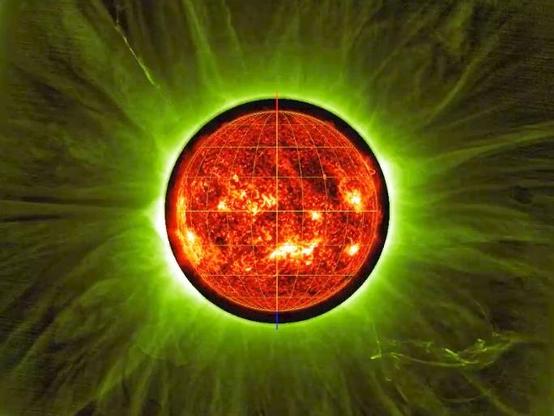
Here is a still from a video Sergei Shestov just showed at the CU Boulder #coronographs symposium, from #Proba3 - you can see the remains of an eruptive #prominence in the corona to the lower right of the Sun, on 21 September 2025 at 23:21 UTC.
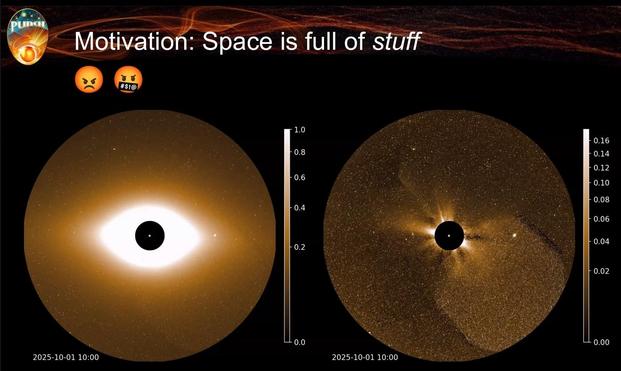
This slide from the #coronagraphs symposium in Boulder from the talk by Sam van Kooten is quite enlightening: it shows two processing steps of a #PUNCH WFI composite, on the left still dominated by the F corona i.e. #ZodiacalLight i.e. interplanetary dust (just as seen in the Artemis II eclipse images) while on the right the - at such distance from the Sun muuuch fainter - K corona has been brought out which traces the Sun's magnetic field.
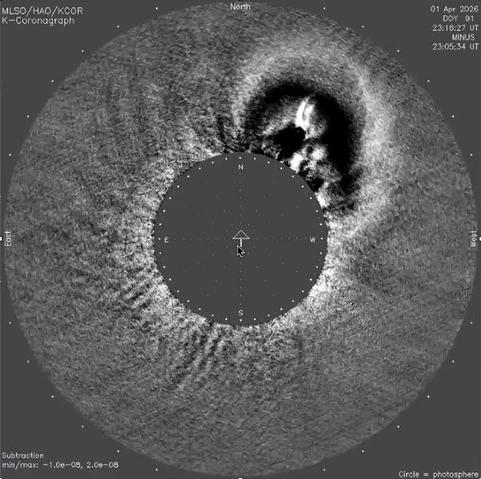
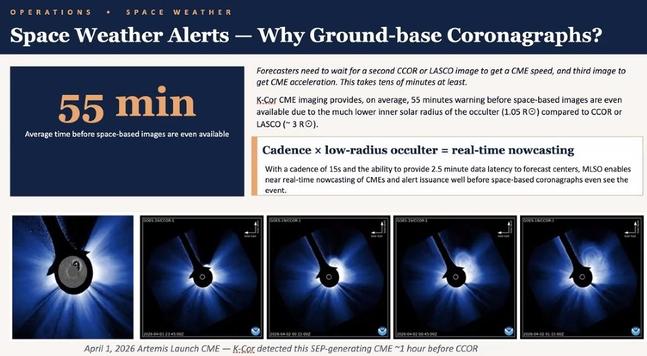
Since March the K-Cor coronagraph is finally back in action on #MaunaLoa - and at the #coronagraphs symposium in Boulder the value of a ground-based instrument was highlighted by Tom Berger: it catches a beginning #CoronalMassEjection almost an hour earlier than all existing coronagraphs in space which have to cover more of the surroundings of the Sun.
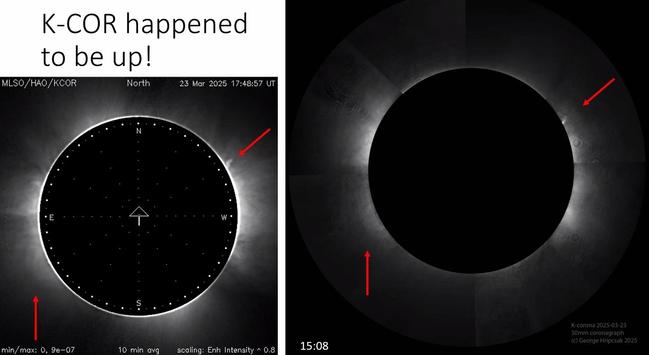
Among the speakers at the highly inspiring #coronagraphs symposium at the CU in Boulder was also an amateur astronomer - George Hripcsak had build a coronagraph himself and imaged the E and even the K corona. The title of the symposium "Coronagraphs are back, baby!" was true indeed!
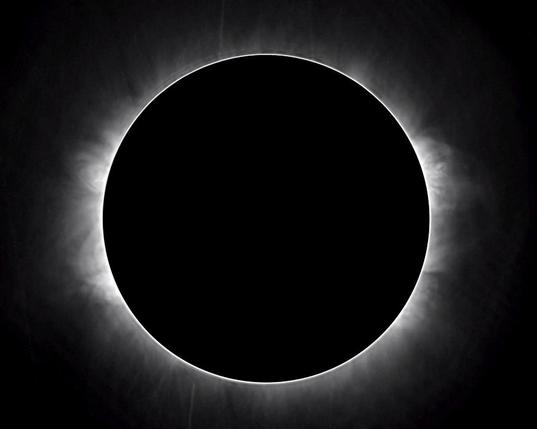
 Artemis
 simonbp