1/2 from @icanbob

“The climate only reacts to the total amount of CO2 in the atmosphere which in turn is controlled by the rate difference between CO2 sources and CO2 sinks.

So when doing climate optimization the end flow from a system chain is all that matters, not individual isolated optimizations of portions.

Furthermore, isolated optimizations often point to a false optimum whereas a full system perspective can often find a scenario with lower CO2 flow…

2/2

…“Remember all the fossil CO2 we are currently emitting was once in the atmosphere*, just not all at once. Nature sequestered this carbon over eons.

In 1975 while in my undergraduate engineering degree, I remember a professor saying that inverting a difficult problem and looking at things from the opposite end often yields hidden solutions. This paper is written with this perspective in mind.”

*Update: see Pieter’s reply below

https://energyasicit.ca/CarbonGrid/

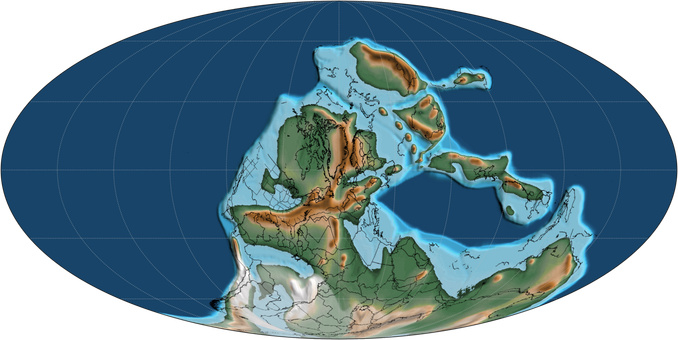
@urlyman Not really true. The coal layers are mostly from the Carboniferous era (360 till 300 miljon years ago), when there were few organisms that could digest wood.

https://en.wikipedia.org/wiki/Carboniferous

Carboniferous - Wikipedia

@urlyman @pietkuip CO2 in air + H2O + solar energy => wood => coal. Not quite sure how coal being from that period (or lack of wood recycling organisms) negates my sentence.

@icanbob
I commented only that sentence, and I did not have much context to interpret it. But it seemed to say that carbon sequestration has not changed much.

The problem is that carbon capture and storage is now much more difficult than fossilization during the Carboniferous era. We must really stop burning fossil fuels because it is almost impossible to put it back.

@urlyman

@urlyman @pietkuip My musing didn’t have anything to do with CO2 sequestration. Rather I was pondering how to price CO2 in a systemwide way that could actually incentivize real reductions.