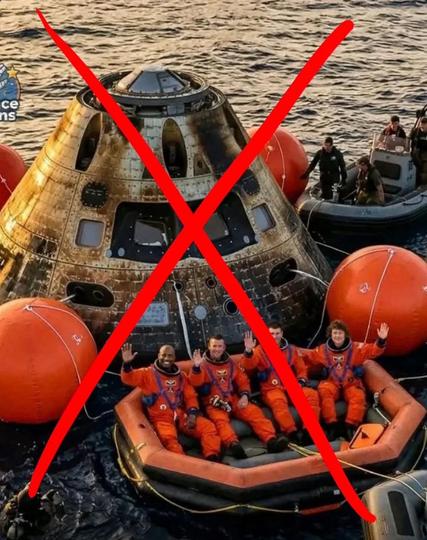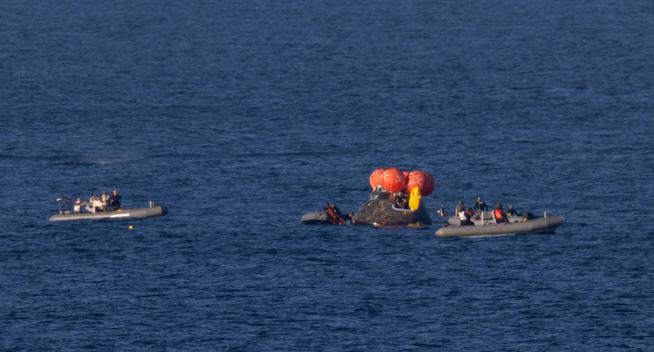
Immediately after the landing of Artemis 2, AI-generated images of the recovery spread online. We have seen this before, with the kidnapping of Maduro or the mass protests against ICE raids – fake images of real events. While these synthetic images fictionalize reality, they are not necessarily meant as disinformation. Rather, they both illustrate and cater to widespread expectations. In our hypervisualized world of ubiquitous networked cameras, we expect to see perfect images of whatever is happening immediately. #AIslop delivers.
1/3
Compared to the actual footage, which in this case, NASA shared on a Flickr account, the AI versions are often more dramatic, cinematic, and optimized for social media clickbait. Perhaps we will become accustomed to these types of images and recognize them for what they are: generic, more or less realistic visualizations of headlines and trending topics, not unlike earlier forms of imagery.
2/3
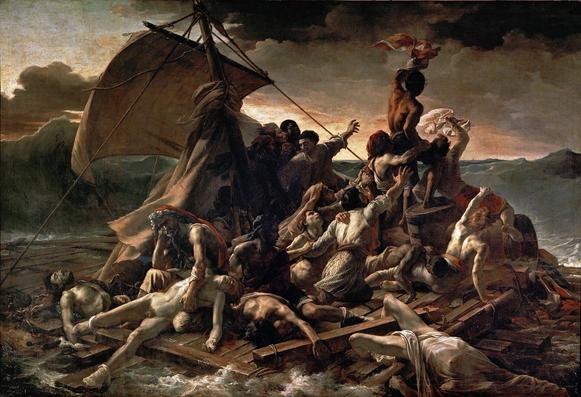
No one would, for example, mistake Gericault’s «Raft of the Medusa» for a document of the actual events it was based on. These AI-generated images actually have more in common with history paintings or movie productions than with documentary photography. Unlike paintings or movies, however, they are created instantly, spread immediately, and compete with real news photos for our attention on the same channels and platforms.
3/3
@bildoperationen Den Verweis auf die Ähnlichkeit gerade zu früher Filmproduktion finde ich sehr treffend. Georges Méliès hat seine Inszenierung der Krönung Eduard VII. ja auch schon vorher fertig gehabt. Das entspannt die Bildproduktion.
@aufsmaulsuppe Das wusste ich nicht, spannender Hinweis!

@bildoperationen @aufsmaulsuppe

oh ja, großartig, man braucht nicht mal mehr eine:n Fotograf:in hinschicken und bezahlen! 🤡