mpweiher
Seven countries now generate 100% of their electricity from renewable energy
https://www.the-independent.com/tech/renewable-energy-solar-nepal-bhutan-iceland-b2533699.html
Seven countries now generate 100% of their electricity from renewable energy
https://www.the-independent.com/tech/renewable-energy-solar-nepal-bhutan-iceland-b2533699.html
> Albania, Bhutan, Nepal, Paraguay, Iceland, Ethiopia and the Democratic Republic of Congo produced more than 99.7 per cent of the electricity they consumed using geothermal, hydro, solar or wind power.
Let's head to electricitymaps.com !
Albania (https://app.electricitymaps.com/map/zone/AL/live/fifteen_min...)
- On 2026-04-12 16:45 GMT+2, 22,67% of electricity consumed by Albania is imported from Greece, which generates 22% of its electricity from gas. Interestingly, Albania exports about as much to Montenegro as it imports from Greece.
Bhutan:
- 100% hydro, makes perfect sense
Nepal:
- 98% hydro, a bit of solar for good measure
Iceland:
- 70% hydro, 30% geo
Paraguay:
- 99,9% hydro
Ethiopia:
- 96,4% hydro
DRC
- 99.6% hydro
So, the lessons for all other countries in the world is pretty clear: grow yourselves some mountains, dig yourselves a big river, and dam, baby, dam !!
(I'm kidding, but I'm sure someone has a pie-in-the-sky geoengineering startup about to disrupt topography using either AI, blockchain, or both.)
I guess somewhat of a fun fact: Albania has rented(!) two floating(!) oil-powered power plants near the city of Vlöre that are there in case of emergency. The last time they were really needed was in 2022 (if I remember correctly), but these days they're not turned on any more than they need to be to make sure they're operating properly. That very expensive backup system is basically the only non-renewable source in the whole country, and most of the time it's just sitting there doing nothing.
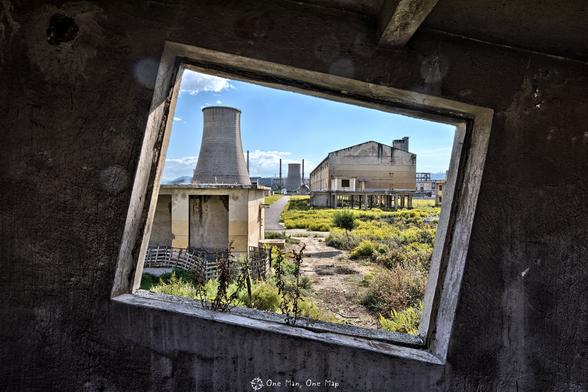
Being powered almost entirely by hydro means that the system is highly susceptible to droughts, so then they either have to spin up those oil plants from time to time or import electricity from abroad. I think it's also worth pointing out that nothing really changed because of climate change, the decision to rely on hydro was made in the 90s. The country used to have its own oil power plant that it heavily relied on before that decision, which slowly produced less and less until it was shut down for good in 2007. Some images of it from 2019: https://www.oneman-onemap.com/en/2019/06/26/the-abandoned-po...
The definition of “major accident” used in nuclear is orders of magnitude more strict than in any other industries though, which distort the picture.
The worst nuclear accident involving a nuclear plant (Chernobyl, which occurred Ina country without regulation for all intent and purpose) killed less people than the food processing industry cause every year (and I'm not counting long term health effect of junk food, just contamination incidents in the processing units leading to deadly intoxications of consumers).
In countries with regulations there's been 2 “major accidents”: TMI killed no one, Fukushima killed 1 guy and injured 24, in the plant itself. In any industries that would be considered workplace safety violation, not “major accident”… And it occurred in the middle of a tsunami which killed 19000!
I'm actually happy this regulation exist because that's why there ate so little accidents, but claiming that it's still hazardous despite the regulations is preposterous.