The Vasa sank in 1628 because the people who knew it would sink didn't feel able to say so to the people who could have done something about it.

We wrote up the full case study — Vasa Syndrome, authority gradients, and what the sister ship tells us about organisational learning.


https://psychsafety.com/the-vasa-disaster/

The Vasa

The Vasa Disaster A few years ago, I was working for a client in Stockholm and in some free time, I visited the wreck of the Vasa, the world’s best-preserved 17th-century ship. She’s housed in a museum built specifically around […]

Psych Safety
@tom_geraghty Sounds like a combination of the bystander effect and risky shift.
@joshisanonymous Interestingly, the bystander effect has been largely debunked.
@tom_geraghty Oh? I didn't know that. Do you happen to have a source off the top of your head that contributed to this debunking?
The truth behind the story of Kitty Genovese and the bystander effect | BPS

“By debunking the myth and reconsidering the stories that we present in textbooks, we might open up the imaginative space for social psychologists to develop new insights into the problem of promoting helping in emergency situations.”

BPS
@tom_geraghty Hm, this seems to be debunking the classic story associated with the effect while reaffirming that the effect is "robustly" supported by research.
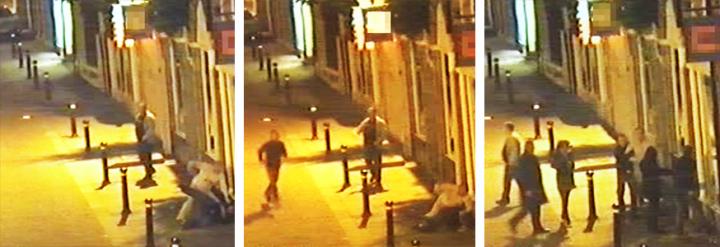
Bystander Effect Debunked - In 91% Of Real World Cases Someone Helps

Bystander apathy is a social psychological construct where it is believed that someone who sees a victim is less likely to offer help when other people are present.

Science 2.0