
I am indecisive about this post: https://solar.lowtechmagazine.com/2020/12/how-and-why-i-stopped-buying-new-laptops/

On the one hand, it does make sense to buy used high-quality repairable machines instead of new replaceable glued garbage.

But, on the other hand, does it really make sense buying an extremely old laptop AND two more for spare parts because getting these parts is hard? This feels like an unnecessary multiplication of e-waste to me.

My approach is: I’m using my extremely underpowered 2020 Lenovo Thinkpad for the longest possible time and then I get an X220 from 2011, because that’s the last model with a good keyboard that’s still relatively powerful enough to handle my type of computing, and roughly the same specs as the current one, in fact. But it’s a hard sell even to me, because computing is heavyweight in a general case. Might be quite inconvenient with such a laptop, especially in two or three years from now.

Time for a SIMD-powered application stack anyone?
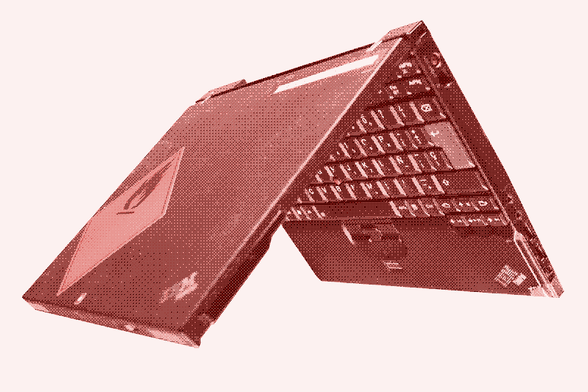
How and Why I Stopped Buying New Laptops

As a freelance journalist – or an office worker if you wish – I have always believed that I should regularly buy a new laptop. But older machines offer more quality for much less money.

LOW←TECH MAGAZINE

@aartaka I'm curious what kind of computing can be done on such old hardware? 2011 is almost 15 years old, surely nothing modern can run on that?

I am honestly curious.

Where I do buy used devices often, I tend to buy barely used ones that are released within the last year or two, and then use them until they break.

Basically saving them from landfill.

I've not used something from 2011 in a very long time.

@r3spawndbae @aartaka Anything 64bit and multi-core is fine within the limits of expectations. Adding an old, cheap dedicated GPU and RAM (old architecture so not expensive) adds a lot of life to these old machines.

I have old HP 8200/8300 Elite computers that are still ticking over fine (when turned on - they burn power).

Of course, if you don't have hardware in hand, buy the newest that is affordable.

Choosing a light operating system and desktop environment helps but is not totally necessary - within reason.

@RootMoose @r3spawndbae yeah, doubling that. Moore’s law slowed up in the last decade, so the older CPUs are not significantly slower frequency-wise. Multi-core perf and RAM are slightly worse, though. SSDs speed up a lot of things. So, overall, using 2011 laptop with a lighter OS and desktop environment should be mostly fine, unless you run 10 Docker containers, video editing software, or 100 Chromium tabs. Which I don’t.
@aartaka @RootMoose this sounds cool to be honest and kind of awesome that older stuff like that can still be useful.