A lot is said about the repairability of a laptop, but few consider its durability too.

I have a Thinkpad X1 yoga first generation from 2016 that continues to run like the first day. Fan doesn't make any noise, doesn't get hot, hard drive (an NVMe) works the same. The battery keeps less charge, but not that little either. Computing-wise, I only feel it's old when opening Blender; can't do live textured rendering. With a touch screen and an outstandingly good keyboard, it's a pleasure to take notes in, to write.

I also have an Apple macbook M1, first generation, from 2020, which continues to work very well. Recently got upgraded to latest OS version (26), in addition also runs Asahi Linux. No issues at all with anything, not even the battery. Only the hard drive feels small, but that's not much of an issue.

In my office there are a number of old macbooks, from 2012 and 2015. They all boot, into Ubuntu, which is what they always have run from day 1. Work well as far as I can tell; one feels their age in that their compute capacity seems comparatively small. Good keyboards, in working order despite having been used intensely for about 3 years each.

Then I have my current laptop: a Framework 11 1st gen from late 2021. I only configured it in mid 2022; was too busy to switch laptops. Screen hinges are floppy, they've been since day one but now more notably so. Various keys peeled off. More serious, it has blacked out twice, possibly because of overheating; the fan does go very noisy at times. It's bendy, not stiff. Feels powerful still, but goodness, the laptop as a whole gives the impression of senescence. Incomparable to the sturdy feel of the Thinkpad or the ethereal, eternal feel of the macbooks.

Now imagine a company that said, «yes, after 5 years of intensive in-house use, we can assert with confidence that this is a good laptop. We are now pushing it out into production, is available for purchase.»

Now imagine that was mandated by law as part of both repairability and durability requirements, sending "planned obsolescence" into oblivion.

Frankly, that's how it should be. For clothes, washing machines, cars, anything that is manufactured and has a limited lifetime, yet shouldn't, or, its lifetime should be counted in decades, even in generations. Consumer society is only consuming ourselves and the planet we so dearly depend on.

Would the cost raise? On paper, no: would only be pushed some years into the future. In practice, the lack of a short-term incentive would prevent any laptop from being manufactured at all, so the cost might as well be infinite.

One wonders what can be done that is practical and implementable now to tame the madness and bring into the cost all the externalities – the latter should be the only source of additional costs, and would be minimized the longer the lifetime of a product is.

#ConsumerSociety #PlannedObsolescence #ConsumerMarket #externalities

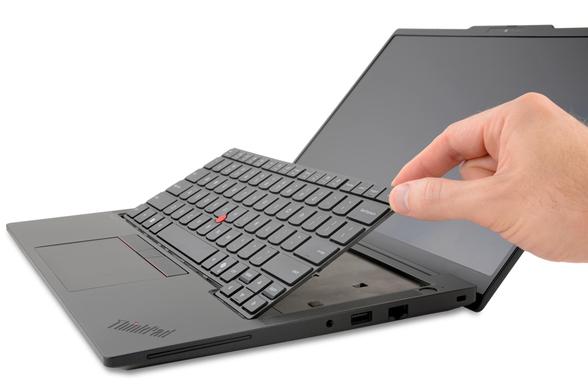
@albertcardona sad to hear about the Framework. As an aside, we might have the best of both worlds in recent ThinkPad T-series which scored a 10/10 in repairability from ifixit https://www.ifixit.com/News/115827/new-thinkpads-score-perfect-10-repairability
Lenovo’s New T-Series ThinkPads Score 10/10 for Repairability

Repair goes mega mainstream with the launch of Lenovo’s new T-series business laptops, which earned our highest honor with a 10/10 repairability score.

iFixit

@jni

I did see it with interest, but a touch screen is a must in a laptop, so I went with a lightweight StarLabs Lite. So far so good, only lamenting the surprising lack of a handwriting on-screen "keyboard" for Linux.