 Carlton Carnivores
Snake Spotlight: Great Basin Rattlesnake, Crotalus (oreganus) lutosus!
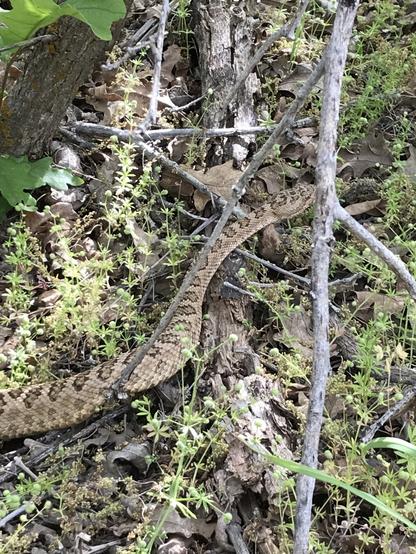
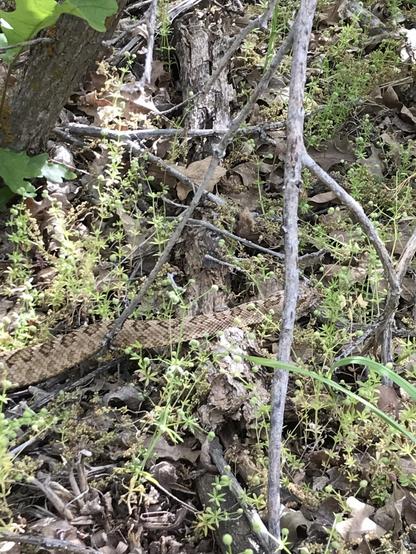
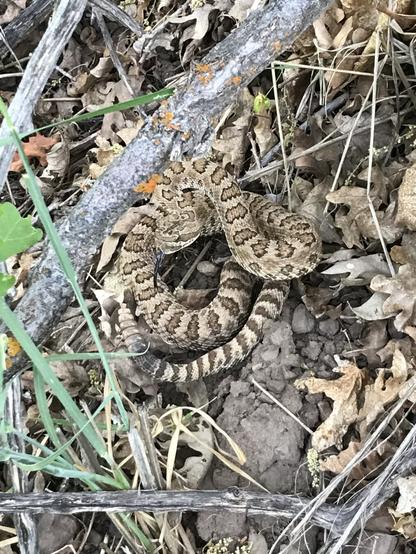
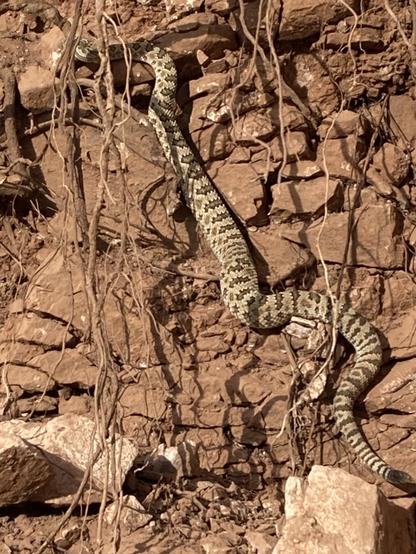
Whether you’re in the camp that calls them their own species, or a subspecies of western rattlesnake, this is a spectacular intermountain animal. Found from central Utah north into southern Idaho and eastern Oregon/northeast California, down through most of Nevada and just into northern Arizona, they are widespread and adaptable animals that range from low desert scrub to alpine meadows at over 11,000 feet in some ranges. Adults average around 3 feet long but can reach over 5, and have an extremely variable coloration from sandy to almost white backgrounds and blotches that can be barely visible, matching background but outlined in dark borders, or to deep black contrasting the rest of them. They prey mostly on small mammals, lizards, and ground birds but occasionally take amphibians or even large insects when young. Like all rattlesnakes they are shy, reclusive animals that do their best to avoid being detected, but are often quick to rattle and strike a defensive pose if they feel cornered. And also like all rattlesnakes: they suffer from human development in their preferred foothills slope habitats and the persecution that often follows when they end up near homes that are now where their home was.
#rattlesnake #educational #wildlife #reptile #nature #snakes #animals #conservation #herpetology #herping
Whether you’re in the camp that calls them their own species, or a subspecies of western rattlesnake, this is a spectacular intermountain animal. Found from central Utah north into southern Idaho and eastern Oregon/northeast California, down through most of Nevada and just into northern Arizona, they are widespread and adaptable animals that range from low desert scrub to alpine meadows at over 11,000 feet in some ranges. Adults average around 3 feet long but can reach over 5, and have an extremely variable coloration from sandy to almost white backgrounds and blotches that can be barely visible, matching background but outlined in dark borders, or to deep black contrasting the rest of them. They prey mostly on small mammals, lizards, and ground birds but occasionally take amphibians or even large insects when young. Like all rattlesnakes they are shy, reclusive animals that do their best to avoid being detected, but are often quick to rattle and strike a defensive pose if they feel cornered. And also like all rattlesnakes: they suffer from human development in their preferred foothills slope habitats and the persecution that often follows when they end up near homes that are now where their home was.
#rattlesnake #educational #wildlife #reptile #nature #snakes #animals #conservation #herpetology #herping