 InterestingUsername
The contents of a jar of Nutella
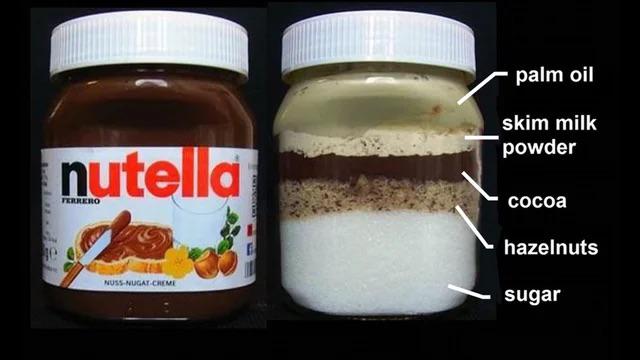
There is not a pig breed out there that is all lard. However there is a huge difference between pig breeds regarding the procentage. Back in the day when palmoil was not available and lard was used the pigs we had were much fatter and fed a diet higher in cereal grains and lower in soy. When lard went out of fashion there was suddenly a huge oversupply of the stuff and we shifted their diets but more importantly shifted breeding efforts to ever leaner pigs.
This makes it harder to say exactly what environmental impact lard would have if we shifted back to using it as one of our main solid fats. I would argue that lard right now could be seen as a byproduct. In my country a lot of the lard is currently used as a feedstock for biodiesel which, when you think about it, is absolutely insane considering we at the same time import copious amounts of palm oil. You could even see it as us currently making biodiesel from palmoil by proxy. Which is not ideal.
But let’s say we could make the shift back to lard. We would get slightly less biodiesel but at the same time we could shift to a cereal grain heavy diet for the pigs and go back to those old breeds. Soy yields far less than say corn yields. Fatty pigs could therefore be less land demanding than lean pigs are to raise. I can’t exactly say if the demand for land would go up or down in the final equation but theoretically we could end up actually needing less land when also taking account the less land we would need for palm oil. But the main obstacle here is that people simply don’t want to eat lard anymore. It’s “icky” for the modern consumer. Which is ironic as we still consume it in sausages as one of the largest ingredients, but the consumers won’t accept it in baking products anymore.
In the end lard is just the carb in cereal grain converted to fat via a pig. And cereal grains are plentiful and very high yielding. Is using corn to produce fatter pigs, pigs that we would still raise anyway for the meat, really be worse than using the same corn for bio ethanol? It’s worth a thought. I would be very interested in seeing a full life cycle analysis of the land use and environmental impact such a shift would lead to.
Definitely not entirely unique.
RBD coconut oil can be processed further into partially or fully hydrogenated oil to increase its melting point. Since virgin and RBD coconut oils melt at 24 °C (75 °F), foods containing coconut oil tend to melt in warm climates. A higher melting point is desirable in these warm climates, so the oil is hydrogenated. The melting point of hydrogenated coconut oil is 36–40 °C (97–104 °F).
Well, I hope you are correct and that there are no reasons for Indonesia to be lying about that.
Demand has only gone up in the past few decades. It’s in more and more highly processed foods.
I don’t think any of this changes past deforestation, either.
Ok but you could be Mr monopoly guy behind the keyboard astroturfing your palm oil empire on Lemmy.
But seriously why isn’t the USA producing palm oil?
Oil palms only grow in humid tropical environments. Environments that when left undisturbed would be tropical rainforest. Decoupling palm oil from deforestation is therefore very hard. Certified sustainable palmoil is simply from farmland that the farmers have proved not to have been deforested recently but that same land still has the potential to return to tropical rainforest after restoration.
Regarding America specifically probably only Hawaii could support it. But land there is scarce and is used for much higher value crops like fruit crops. Harvesting palm oil is also quite labor intensive since the fruit bunches are harvested manually. It therefore does not make economic sense to grow it in countries with high wages.
 paraphrand
 Buffalox
 Captain Aggravated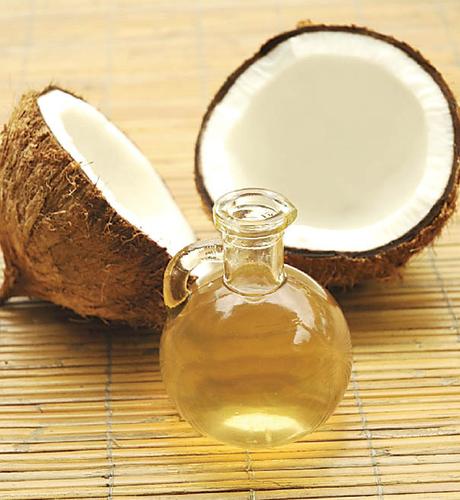
 robocall