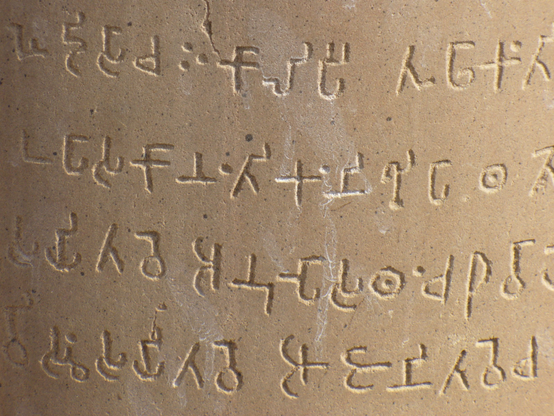
1️⃣ The Vedas were not composed "somewhere in ancient India".

They name three rivers: Ganga, Yamuna, Saraswati. That confluence is today's Haryana belt.

This isn't ideology. This is internal geographic evidence the texts themselves provide.

So why does nobody mention the location? 🌊
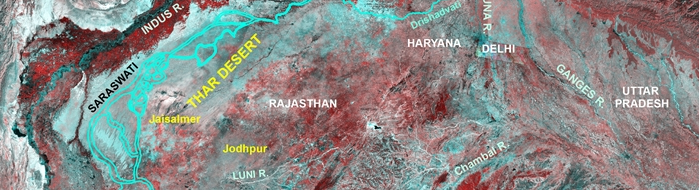
#Haryana

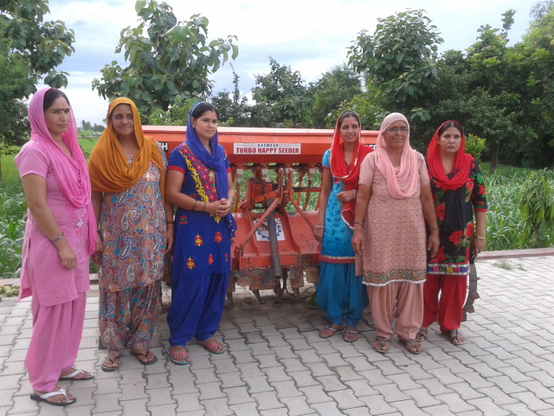
2️⃣ Now listen to the "Dehati" speech of Haryana.

"Tu kit ja sai"
"Tu ke kha sai"
"Tu ke pi sai"

These aren't translations of Sanskrit.
They ARE Sanskrit sentences after 3,000 years of phonetic erosion.

The rural tongue is the archive.

3️⃣ tvam kutra gacchasi → tu kit ja sai
tvam kim khādasi → tu ke kha sai

Same syntax. Same verb roots. Only endings simplified.

This is linguistic continuity, not borrowing. Not revival. Not reconstruction.

Just unbroken speech, wearing down naturally over millennia.

4️⃣ Core vocabulary tells the same story:

ghar ← gṛha
akkhar ← akṣara
bhīnt ← bhitti
ghām ← gharma
mahisi ← bhains / mhēs

Meanings preserved. Sounds worn down.

That's how living languages evolve when nobody interrupts them.

5️⃣ So ask the uncomfortable question.

If the Vedic heartland is Haryana, and its living speech still mirrors Sanskrit most closely—

why is this language dismissed as "Dehati", denied literary status, and excluded from schools?

Who decided rural continuity has no cultural value?

6️⃣ Because if this continuity is acknowledged, Sanskrit stops being elite and dead.

The rural speaker becomes the archive.
The village becomes the library.
And the colonial rupture—that clean break we were taught—collapses.

Some truths aren't debated. They're buried. 🧠🔥

7️⃣ https://gemsofindology.substack.com/p/haryanavi-dehati-and-vedic-connection

SANSKRIT → HARYANAVI
(Direct Continuity, not Hindi mediation)

CATEGORY: PRONOUNS & INTERROGATIVES
tvam → tu
kim → ke
kutra → kit / kade
kadā → kaddhe
kaḥ → kon
yaḥ / ayam → yo / ye
saḥ → so / se

CATEGORY: VERB ROOTS
√gam / gacchasi → ja (to go)
√ā → aa (to come)
√khād → kha (to eat)
√pā / pib → pi (to drink)
√vad → bol / bak (to speak)
√dā → de (to give)
√lā → le (to take)
√kṛ → kar (to do)

Haryanavi Dehati and Vedic connection

The Vedas were not composed in some vague “ancient India”.

Gemsofindology

CATEGORY: CORE HOUSEHOLD / BODY
gṛha → ghar
bhitti → bhīnt
akṣara → akkhar
aṅguli → āṅgaḷī
danta → dānt
hasta → hāth
pāda → pā̃v

CATEGORY: NATURE / AGRICULTURE
gharma → ghām (heat)
pavana → pūn (wind)
pānīya → pāṇī (water)
dhūpa → dhūp
kṣetra → khet
hala → hāl
bīja → bīj

CATEGORY: ANIMALS
mahiṣī → bhains / mhēs
ghoṭaka → ghōḍā
balīvard → bail

CATEGORY: KINSHIP & SOCIAL
kuṭumba / kuṭumbaka → kūṇbā / kūṇba
jyeṣṭha → jeth
devara → devar
śvaśrū → saas

pitṛ (via Prakrit) → bābā

CATEGORY: PHONETIC RULES (OBSERVED)
kṣ → kkh (akṣara → akkhar)
ṛ → a / ar (gṛha → ghar)
final vowel loss (bhitti → bhīnt)
cluster simplification (gharma → ghām)