 Astro Hawk (Ian Kluft) ✅🚀🛰️
"NASA Conducts Artemis II Fuel Test, Eyes March for Launch Opportunity" by #NASA #Artemis - While the #SLS rocket appears to have done fine in the fueling countdown rehearsal, liquid hydrogen leak in the ground support equipment will need repairs. They'll aim for launch windows in March. The astronauts are released from pre-launch quarantine, which they will re-enter 2 weeks before the new planned launch date. https://www.nasa.gov/blogs/missions/2026/02/03/nasa-conducts-artemis-ii-fuel-test-eyes-march-for-launch-opportunity/#Artemis2 #Moon🌖 #space #rocketry

"NASA completes a smooth rehearsal for historic Artemis 2 moon launch" by GeekWire / @alanboyle - After repairs, #NASA #Artemis2 launch rehearsal successfully tested all the systems, propellant loading and launch scrub procedures. New launch schedule TBA. https://www.geekwire.com/2026/nasa-smooth-rehearsal-artemis-2-moon-launch/ #Moon🌒 #space #rocketry

"Artemis II Crew Enters Quarantine Ahead of March Launch Opportunity" by #NASA #Artemis - #Artemis2 crew enters pre-launch quarantine beginning in Houston (where all NASA astronauts are based) and then travel on a NASA jet to the Florida launch site 5 days before launch. Starting quarantine now holds open the option for a March 6 launch window. Other work needs to be completed at the pad, reviewing test data and an in-depth Launch Readiness Review. https://www.nasa.gov/blogs/missions/2026/02/20/artemis-ii-crew-enters-quarantine-ahead-of-march-launch-opportunity/ #Moon🌒 #space #rocketry

"NASA Troubleshooting Artemis II Rocket Upper Stage Issue, Preparing to Roll Back" by #NASA #Artemis - A blockage has been detected in plumbing for helium pressurant in #SLS upper stage. Rolling back the SLS rocket stack to the Vehicle Assembly Building (VAB) will prevent launching in 2 weeks. Expect the astronauts to be released from pre-launch quarantine. https://www.nasa.gov/blogs/missions/2026/02/21/nasa-troubleshooting-artemis-ii-rocket-upper-stage-issue-preparing-to-roll-back/ #Moon🌒 #space #rocketry

"NASA Artemis II Rocket Returns for Repairs" by #NASA #Artemis - The #SLS rocket for #Artemis2 was safely rolled back from Pad 39B to the Vehicle Assembly Building (VAB), hangar for the big rockets. Up next: troubleshooting the helium pressurant plumbing. While it's there, all the batteries will be swapped out to have maximum capacity for flight. (Constantly topping off batteries slowly erodes full charge capacity similar to your phone.) https://www.nasa.gov/blogs/missions/2026/02/25/nasa-artemis-ii-rocket-returns-for-repairs/ #Artemis #Moon🌔 #space #rocketry

"NASA Finalizes Artemis II Rollout, Crew Begins Quarantine" by #NASA #Artemis - In support of the currently-scheduled #Artemis2 launch in 2 weeks on Wed April 1 (no fooling! 🃏), #SLS/#Orion 🚀 rollout to the pad is scheduled to begin Thu March 19 at 8pm EDT. Also, the 4 astronauts 🇺🇸🇺🇸🇺🇸🇨🇦 entered pre-launch quarantine in Houston, with travel in quarantine to the launch site 5 days before. https://www.nasa.gov/blogs/missions/2026/03/18/nasa-finalizes-artemis-ii-rollout-crew-begins-quarantine/ #Moon🌕 #space #rocketry
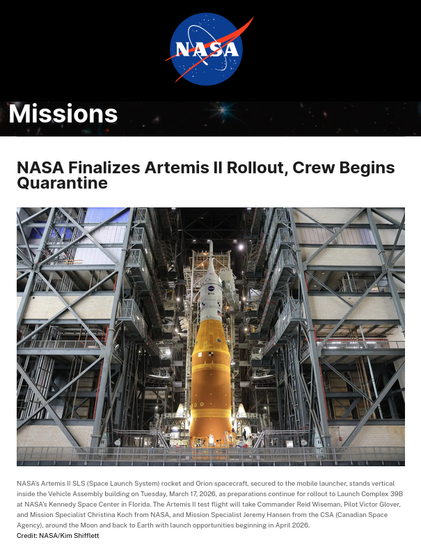
"Weather for NASA’s Artemis II Mission Launch 80% Favorable" by #NASA #Artemis - Pre-launch countdown (checklist) for #Artemis2 begins 4:34pm EDT Monday (today) for launch Wednesday. https://www.nasa.gov/blogs/missions/2026/03/30/weather-for-nasas-artemis-ii-mission-launch-80-favorable/ #SLS #Orion #Moon🌕️ #space #rocketry
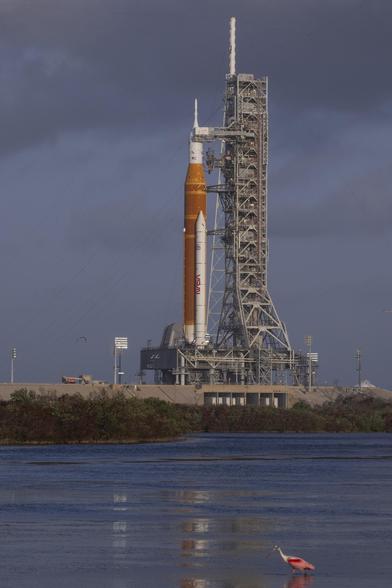
For anyone new to rocket launches, taking an interest because of #NASA #Artemis2 crewed🧑🚀 launch to the #Moon🌝...
Try as best you can to set expectations that rocket🚀 launches can be delayed. Weather, mechanical & electronics can cause delays or completely scrub (postpone) a launch. Launch procedures are for safety, not for spectators. When it flies, we want the mission achieved safely. If you hadn't thought of it, any delay becomes a huge disappointment. Patience. #SLS #Orion #space #rocketry
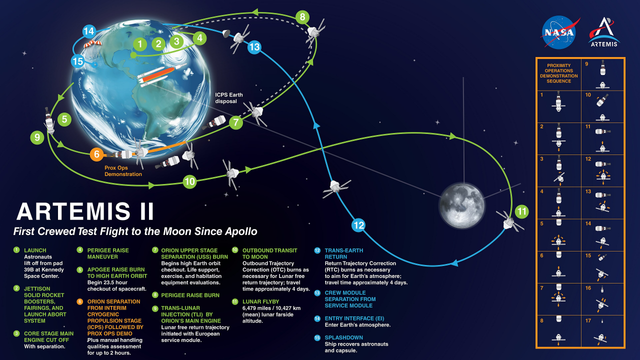

"Watch NASA count down to the launch of humanity’s first moon voyage in nearly 54 years" by GeekWire / @AlanBoyle - #NASA #Artemis2 launch window opens 6:24pm Eastern/3:24pm Pacific. The 2-hour launch window allows some room for delays due to weather or technical issues. Weather is currently 80% chance of go (20% chance of scrub). https://www.geekwire.com/2026/nasa-countdown-artemis-moon/ #Artemis #Moon🌕️️ #SLS🚀 #Orion #space #rocketry
"What do scientists hope to learn from NASA's historic Artemis 2 moon flyby?" by @Spacecom - #Science objectives of #NASA #Artemis2 include space medicine, radiation sensors and observations of the far side of the Moon which were not in daylight during any Apollo missions. But the big thing is testing the spacecraft on its first flight with a crew, so that's not all new on Moon landing missions. https://www.space.com/space-exploration/missions/what-do-scientists-hope-to-learn-from-nasas-historic-artemis-2-moon-flyby #Artemis #Moon🌕️️️ #SLS🚀 #Orion #space #rocketry
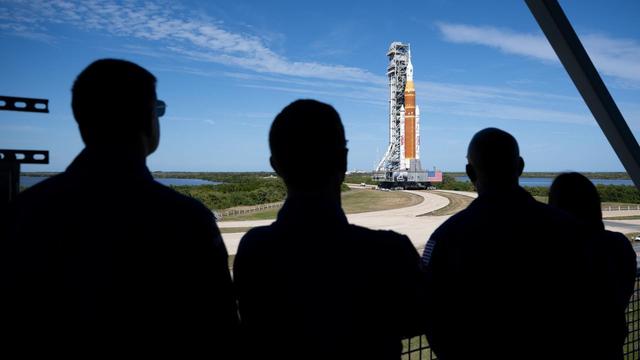
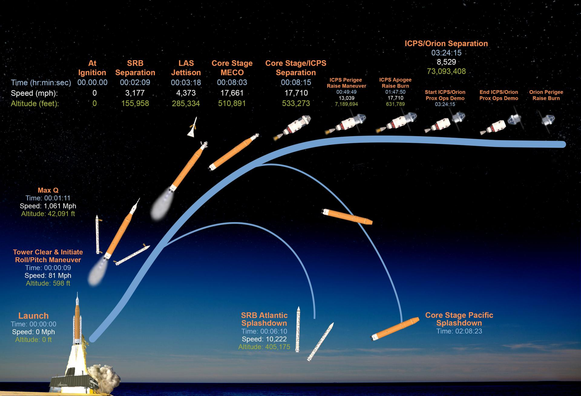
Now under 2 hours to opening of the launch window for #NASA #Artemis2. Here's what to expect when the rocket launches, whether today or another upcoming launch window. #Artemis #Moon🌕️️️️ #SLS🚀 #Orion #space
#NASA #Artemis2 coverage says there are no issues with the rocket. But the launch range (Cape Canaveral Space Force Station) is currently "no go" while working a technical issue related to the flight termination system. (Every big rocket has a system to destruct the rocket if it goes off course toward a populated area.) It is not yet known if this can or will be resolved before the launch window closes. If it is, everything else is still go. #NASA #Artemis2 #Artemis #Moon🌕️️️️ #SLS🚀 #Orion #space
Countdown holding at T-10 minutes for various readings that need another look. #NASA #Artemis2 #Artemis #Moon🌕️️️️ #SLS🚀 #Orion #space
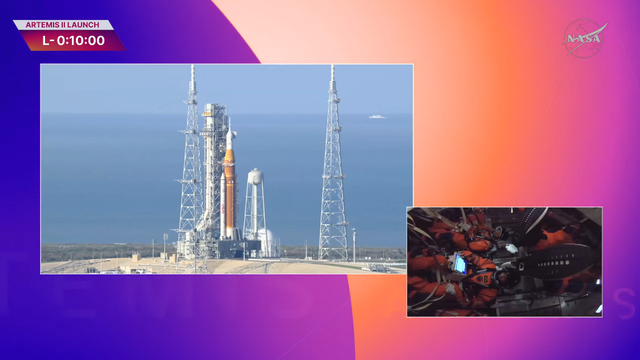
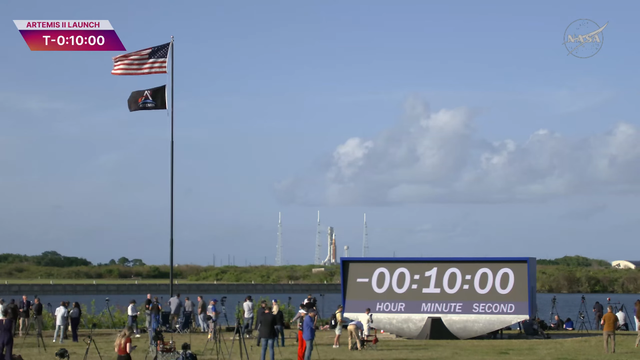
Pre-launch poll of directors is "go", T-10 minutes and counting: ground launch system computer takes over for terminal count. #NASA #Artemis2 #Artemis #Moon🌕️️️️ #SLS🚀 #Orion #space
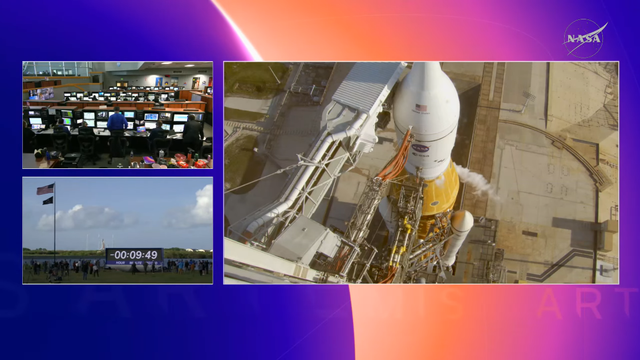
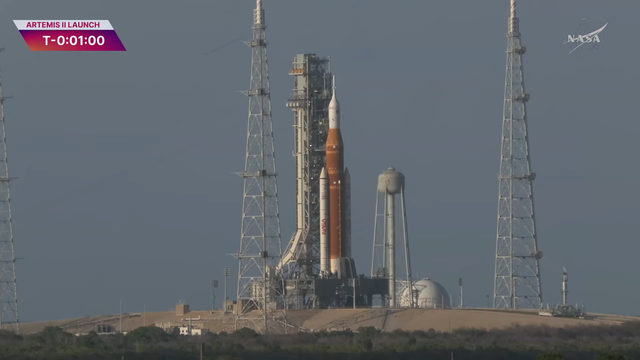
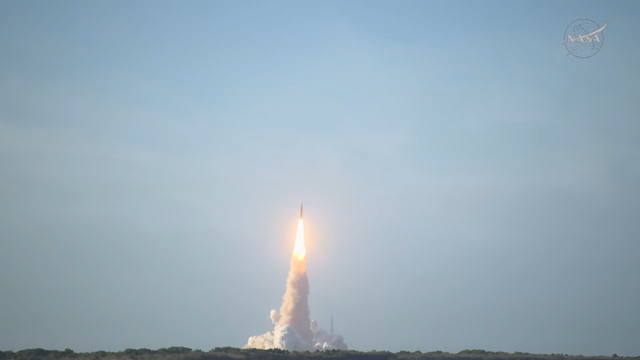
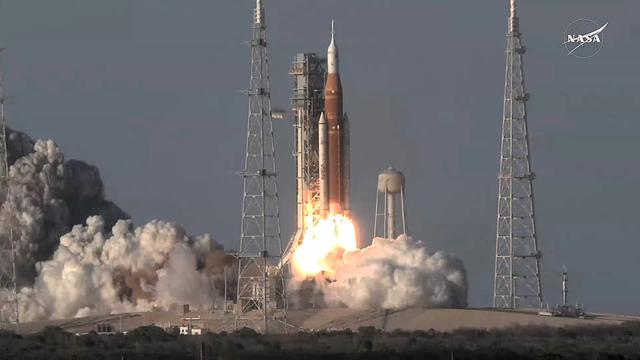
T+01:10 Now beyond the point of maximum dynamic pressure "Max Q". #NASA #Artemis2 #Artemis #Moon🌕️️️️ #SLS🚀 #Orion #space
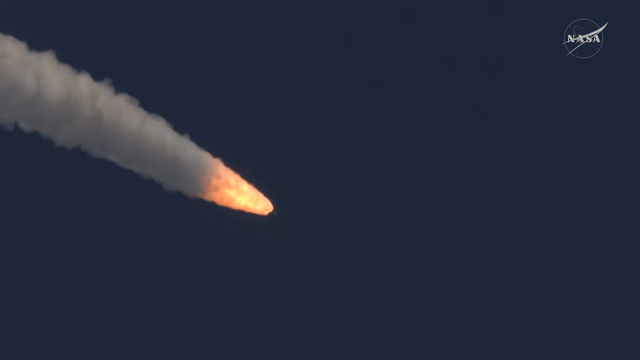
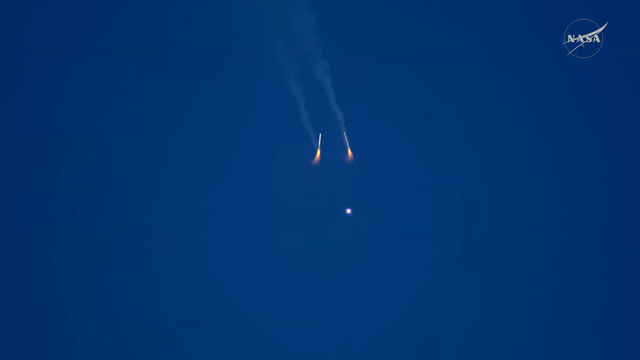
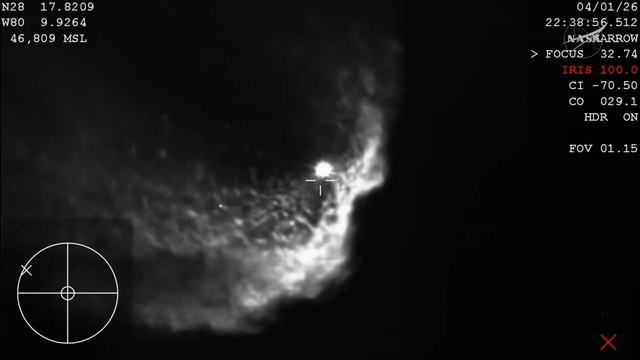
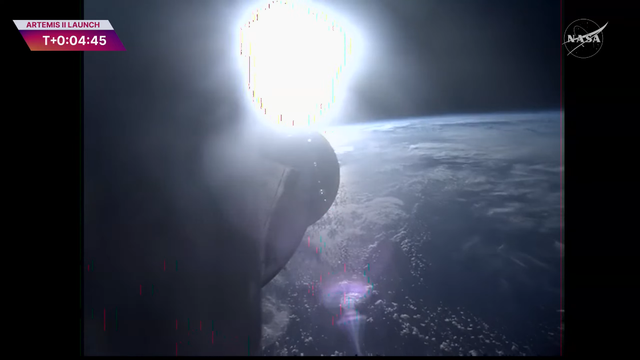
T+8 minutes several sequential events: SLS core stage main engine cutoff and stage separation. #NASA #Artemis2 #Artemis #Moon🌕️️️️ #SLS🚀 #Orion #space
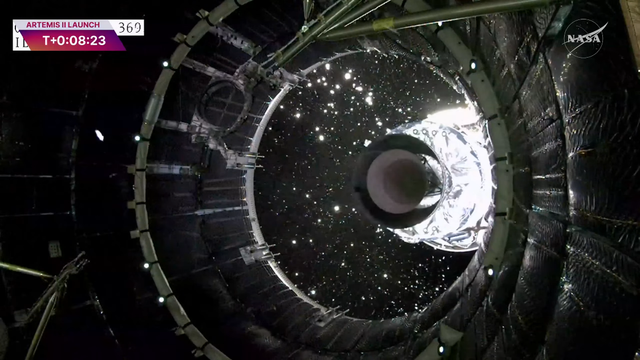
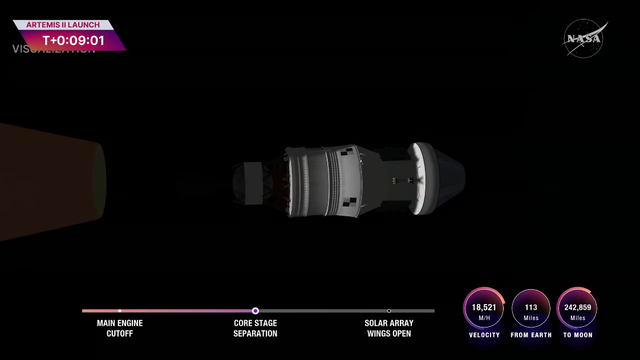
Now in Earth orbit, coasting up to higher altitude before next rocket burns which will raise perigee (low point of the orbit) and then apogee (high point of the orbit). Next: solar panels will deploy at T+20. #NASA #Artemis2 #Artemis #Moon🌕️️️️ #SLS🚀 #Orion #space
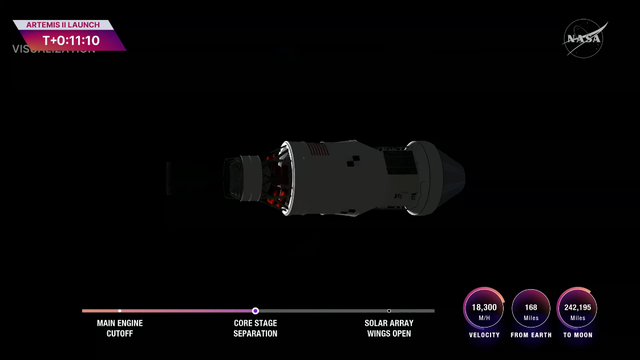
The fast-paced part of the flight is done and appeared nominal (good). After solar panel deployment and two rocket burns to stabilize in high Earth orbit, they'll assess the readiness of the spacecraft to proceed to the Moon. Watch for the "translunar injection burn" TLI (rocket firing) after T plus one day 1 hour for leaving Earth orbit on a trajectory to circle the Moon. #NASA #Artemis2 #Artemis #Moon🌕️️️️ #SLS🚀 #Orion #space
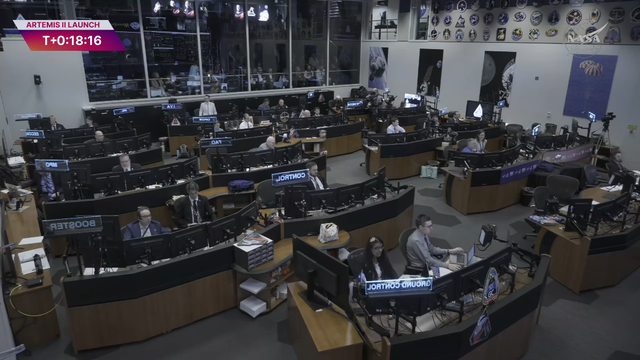
T+20:00 Orion solar arrays deployed. This was a necessary test that had to pass in order to continue the mission. (animation erroneously depicts rocket engine firing - it is in coast) #NASA #Artemis2 #Artemis #Moon🌕️️️️ #SLS🚀 #Orion #space
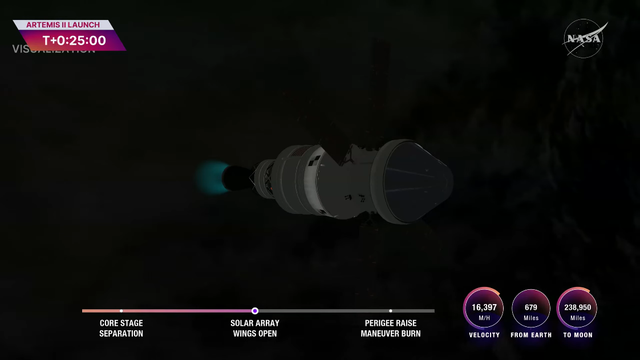
"NASA launches 4 astronauts to the moon on historic Artemis 2 voyage, a lunar leap for the 21st century" by @Spacecom - For the first time in over 50 years, astronauts launch on the way to the Moon. https://www.space.com/space-exploration/artemis/nasa-launches-4-astronauts-to-the-moon-on-historic-artemis-2-voyage-a-lunar-leap-for-the-21st-century #NASA #Artemis2 #Artemis #Moon🌕️️️️ #SLS🚀 #Orion #space
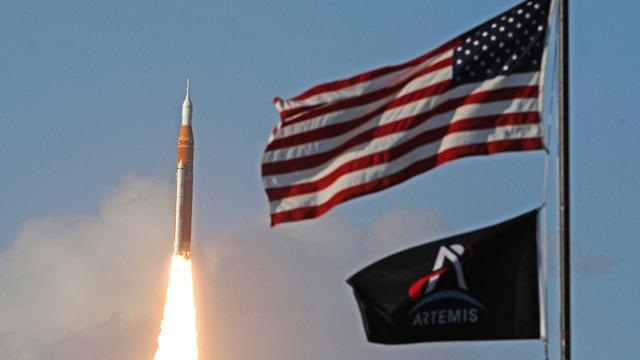
T+49 minutes: perigee raise maneuver (1381×115 statute miles) - entry to safe orbit. NASA is concluding the NASA+ stream coverage but continues on YouTube. https://www.youtube.com/watch?v=m3kR2KK8TEs #NASA #Artemis2 #Artemis #Moon🌕️️️️ #SLS🚀 #Orion #space
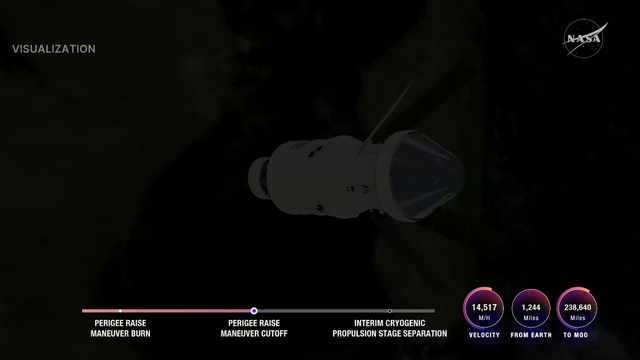
A little orbital dynamics for those interested in the #NASA #Artemis2 mission:
To raise the perigee (low point) of an orbit, the rockets have to be fired at apogee (high point). That part is done.
Conversely, to raise the apogee (high point), rockets are fired at perigee (low point). That's coming up.
#Artemis #Moon🌕️️️️ #SLS🚀 #Orion #space
To raise the perigee (low point) of an orbit, the rockets have to be fired at apogee (high point). That part is done.
Conversely, to raise the apogee (high point), rockets are fired at perigee (low point). That's coming up.
#Artemis #Moon🌕️️️️ #SLS🚀 #Orion #space
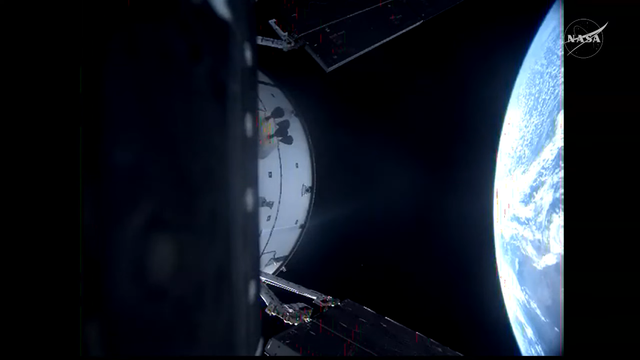
Views of Earth sent down from Orion as #NASA #Artemis2 approaches the second orbit-raising maneuver when it reaches perigee. #Artemis #Moon🌕️️️️ #SLS🚀 #Orion #space
"‘Let’s go!’ NASA launches humanity’s first moon voyage in nearly 54 years" by GeekWire / @AlanBoyle - Successful launch of #SLS🚀 & #Orion so far to high Earth orbit. Comparisons made to Apollo 8 of 1968 which tested the Apollo systems around the Moon. This flight will fly around the Moon at a greater distance which means moving more slowly around it. https://www.geekwire.com/2026/nasa-countdown-artemis-moon-2/ #NASA #Artemis2 #Artemis #Moon🌕️️️️ #space
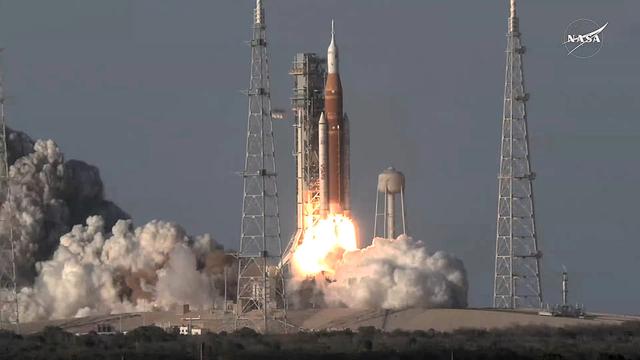
#NASA #Artemis2 post-launch news conference just concluded. No surprises but plenty of additional details. Statements from managers and answers to questions from reporters will fuel many news articles this evening. #Artemis #Moon🌕️️️️ #SLS🚀 #Orion #space
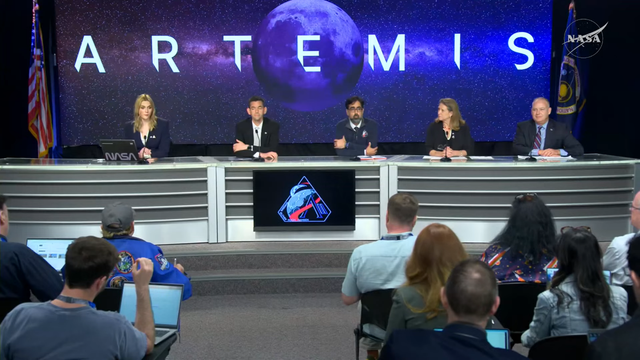
"Artemis II Flight Update: Apogee Raise Burn Complete, Crew Looks Ahead to Proximity Operations" by #NASA #Artemis - Second orbit-raising maneuver complete. "Blinking fault light" on the toilet is being worked on. Preparation for "proximity operations" after detaching from 2nd stage, testing maneuverability of Orion as if the stage is a docking target like a future lander. https://www.nasa.gov/blogs/missions/2026/04/01/artemis-ii-flight-update-apogee-raise-burn-complete-crew-looks-ahead-to-proximity-operations/ #Artemis2 #Moon🌕️️️️️ #Orion #space
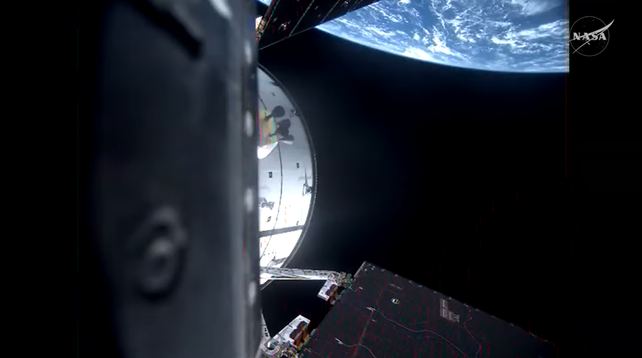
"Artemis II Flight Day 2: Crew, Houston Poll ‘Go’ for Translunar Injection Burn" by #NASA #Artemis - TLI burn scheduled 7:49pm Eastern/4:49pm Pacific and will last 5min 49sec. Once complete, the speed and direction (trajectory) commits the spacecraft to fly by the Moon. No turning back until the gravity of the Moon turns it around. https://www.nasa.gov/blogs/missions/2026/04/02/artemis-ii-flight-day-2-crew-houston-poll-go-for-translunar-injection-burn/ #Artemis2 #Moon🌕 #Orion #space
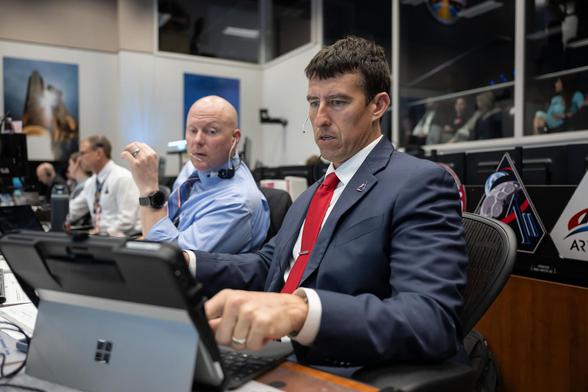
Translunar Injection #TLI burn complete. NASA mission coverage reports "looks like a good burn". This positions Orion to fly by the Moon and return to Earth without an additional de-orbit burn. #NASA #Artemis2 #Artemis #Moon🌕️ #Orion #space
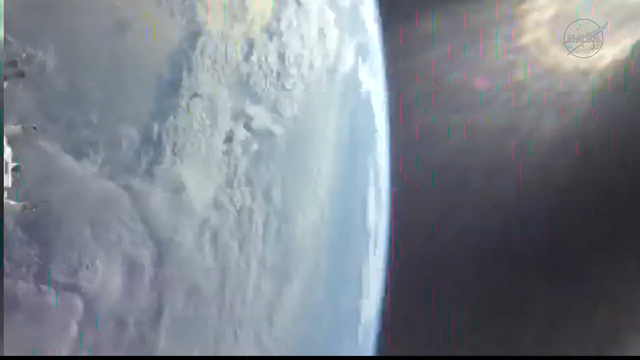
"Orion moonship fires up its engines to leave Earth behind" by @cosmiclog / @alanboyle - #NASA #Artemis2 highlight of flight day 1 was translunar injection #TLI rocket burn to add speed to leave Earth orbit & fly around the Moon. Problems fixed including a pump on the space toilet that needed water. Alan linked to an article he wrote 13 years ago as NBC Science Editor on how Apollo 10 showed NASA's need for a real toilet. https://cosmiclog.com/2026/04/02/orion-moonship-fires-up-its-engines-to-leave-earth-behind/ #NASA #Artemis2 #Artemis #Moon🌕️️ #Orion #space
 Grant_H
"Hello, World" by #NASA #Artemis - photo📷 by #Artemis2 commander Reid Wiseman🧑🚀 after translunar injection #TLI burn, showing Earth's night side viewed from over the Atlantic near 0°N latitude 0°E longitude, eclipsing the Sun and lit by the nearly-full Moon. Green aurora are at both the north and south. Zodiacal light (dust reflecting sunlight along the solar system's plane) behind the Earth on lower right from this view. https://www.nasa.gov/image-article/hello-world/ #Moon🌖 #Orion #space #astronomy #astrophotography
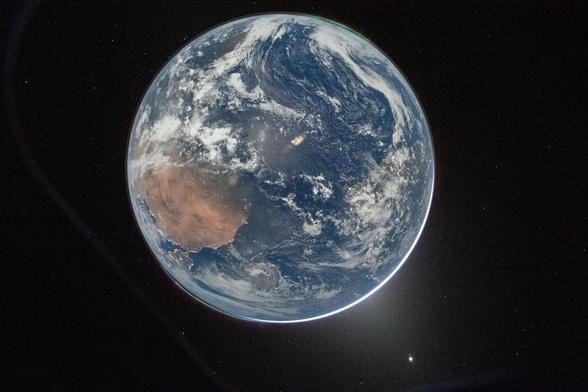
"Moon-bound astronauts capture glorious views of Earth" by @cosmiclog / @alanboyle - Photos by #NASA #Artemis2 astronauts are delivering on #spacegeek expectations and everyone's sense of wonder from the views they have up there, currently on the way to the Moon. https://cosmiclog.com/2026/04/03/moon-bound-astronauts-capture-glorious-views-of-earth/ #Artemis #Moon🌕️️️️ #Orion #space
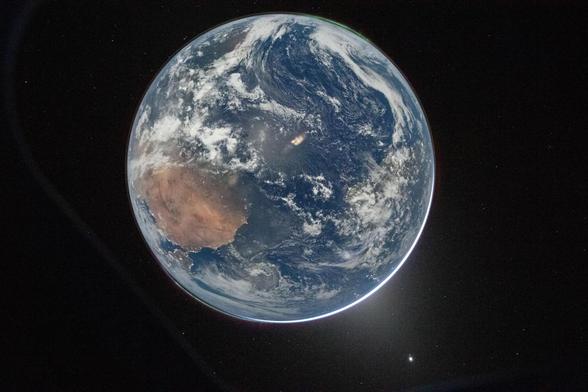
"Artemis II Flight Day 4: Deep-Space Flying, Lunar Flyby Prep" by #NASA #Artemis - Astronauts in their role as test pilots did some maneuvers in deep space to test handling qualities of the spacecraft for better training of future crews. Preparation for Monday's busy timeline of 6 hours of closest pass to the Moon. https://www.nasa.gov/blogs/missions/2026/04/04/artemis-ii-flight-day-4-deep-space-flying-lunar-flyby-prep/ #Artemis2 #Moon🌕️️️️ #Orion #space
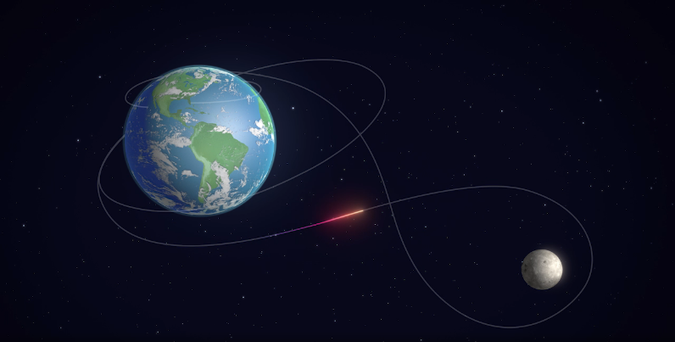
"Orion crosses the halfway point in journey to the moon" by @cosmiclog / @alanboyle - #NASA #Artemis2 status at half way to the Moon includes more manual piloting tasks for training future crews on spacecraft handling qualities. The crew reported that the Moon's appearance changed enough with part of the far side coming into view that they notice it's different from our familiar view of the Moon from Earth. https://cosmiclog.com/2026/04/04/orion-crosses-the-halfway-point-in-journey-to-the-moon/ #Artemis #Moon🌕 #Orion #space
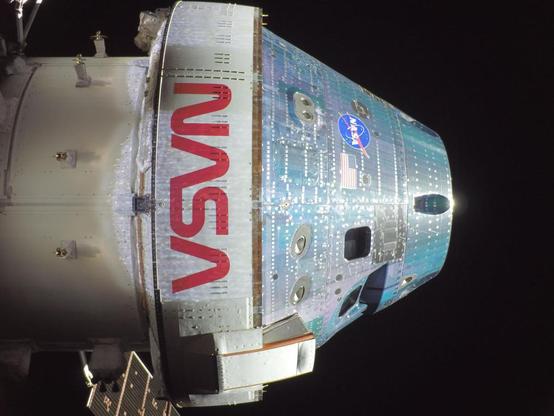
"Artemis II astronauts will be the first humans to get a full view this strange bullseye on the far side of the Moon" by BBC Sky at Night @skyatnightmag - The massive multi-ring impact basin Mare Orientale is mostly obscured from Earth. It was in darkness on all Apollo flights, preferring full moon (sunlight on the side facing Earth) out of caution. It has been imaged by robotic probes. Monday is first time seen by Human eyes. https://www.skyatnightmagazine.com/space-missions/artemis-ii-astronauts-mare-orientale #NASA #Artemis2 #Artemis #Moon🌕 #Orion #space
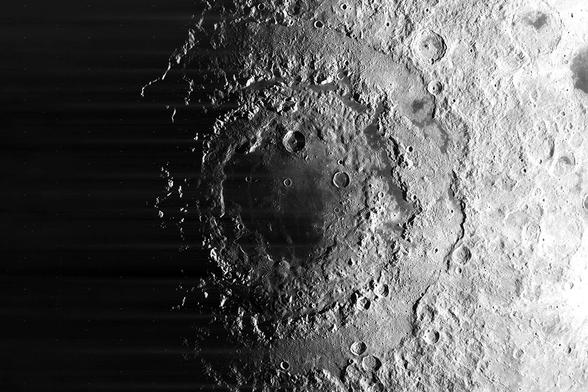
"How to watch the Artemis crew fly around the moon" by @cosmiclog / @alanboyle - Timeline of today's lunar fly-by events (listed in US Pacific Time). There are many streaming services offering live video - but NASA Plus is the primary source. https://cosmiclog.com/2026/04/05/how-to-watch-the-artemis-crew-fly-around-the-moon/ #NASA #Artemis2 #Artemis #Moon🌕 #Orion #space
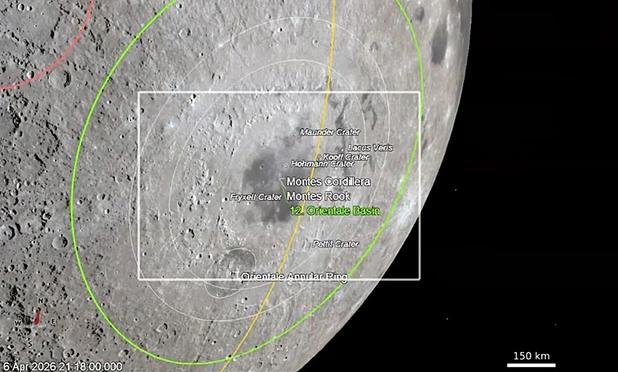
Heard on the #NASA #Artemis2 coverage: understandably tearful words from commander Reid Wiseman requesting an unnamed crater in their view to be named after his late wife Carroll. Also requested another crater in view to be named for their spacecraft Integrity. After a brief pause, the crew returned to science objectives of the lunar fly-by. #Artemis #Moon🌕 #Orion #space
"Artemis II Flight Day 6: Crew Ready for Lunar Flyby" by #NASA #Artemis - A message recorded by Apollo 8 astronaut and Apollo 13 commander Jim Lovell before his passing in 2025 was played to the #Artemis2 crew after waking up for lunar fly-by day. As he intended, the torch has been passed. https://www.nasa.gov/blogs/missions/2026/04/06/artemis-ii-flight-day-6-crew-ready-for-lunar-flyby/ #Moon🌕 #Orion #space

Heard on #NASA #Artemis2 coverage: astronaut Christina Koch observed small newer craters look "so bright compared to the rest of the Moon." The spacecraft internal lighting was turned off to help their eyes adjust better to dim reflected light of the Moon for observations. #Artemis #Moon🌕 #Orion #space
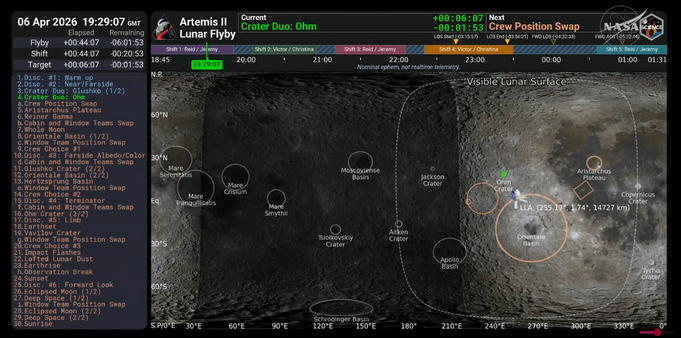
Heard on #NASA #Artemis2 coverage: #NASA #Artemis2 pilot (second in command) Vic Glover describes how impressed he was with dramatically steep terrain he could see through camera optics on crater walls on the surface of the Moon. They're over 4000mi/6400km from the Moon. I've never been to enough altitude to see any terrain 4000 miles away. From an airliner at 40,000ft/12,000m altitude, in clear weather the horizon is 250mi/400km away. I want to see their pictures! #Artemis #Moon🌕 #Orion #space
"NASA’s Moon ship and rocket seem to be working well, so what about the landers?" by @arstechnica / @sciguyspace - #NASA #Artemis leader Lori Glaze interviewed, but doesn't have a lot of new details about lander plans from SpaceX and Blue Origin until they make them public. Current goal is 2027 Artemis 3 lander flight test in Earth orbit and 2028 Artemis 4 lunar landing. https://arstechnica.com/space/2026/04/nasas-moon-ship-and-rocket-seem-to-be-working-well-so-what-about-the-landers/ #Moon🌕 #Orion #space

"Cabin is full of excitement" reports Canadian🇨🇦 astronaut Jeremy Hansen as the crew prepares for loss of signal for ~40 minutes as #NASA #Artemis2 flies behind the Moon. Capcom reminds the crew to watch for "impact flashes", meteor impacts on the lunar surface on the dark side (away from the Sun). #Artemis #Moon🌕 #Orion #space
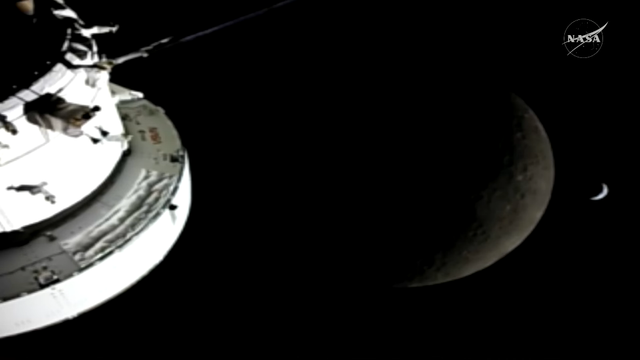
Integrity is in expected loss of signal behind the Moon for 40 minutes. Humans have not been in LOS behind the Moon since Apollo 17 in December 1972. #NASA #Artemis2 #Artemis #Moon🌖 #Orion #space
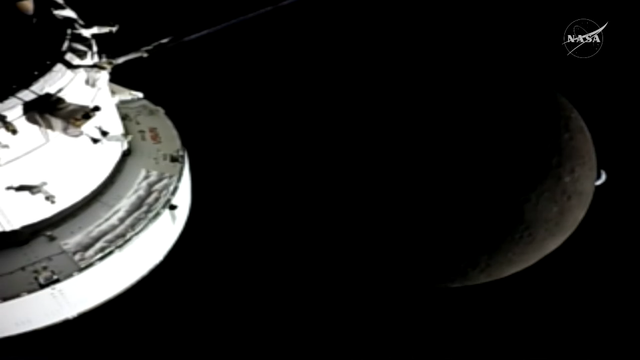
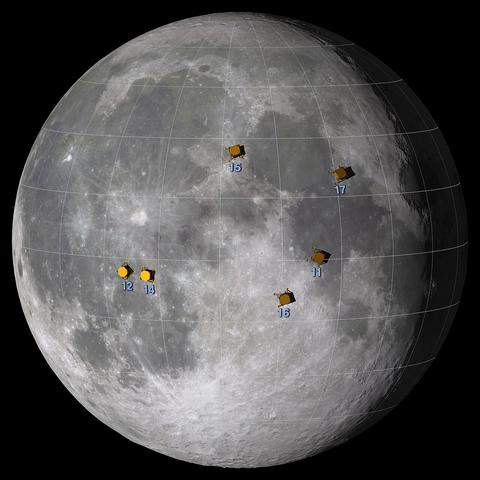
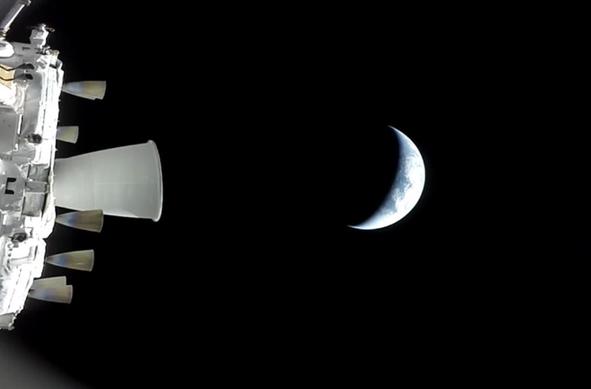
AOS (acquisition of signal) confirmed. During the LOS (loss of signal) period, Integrity got to the closest point to the Moon and farthest from Earth for the mission. This marks the beginning of the journey home, planned for Friday splashdown in the Pacific off California. (In the image, the Moon is dark and doesn't display well, but is now to the right of the Earth in this view.) #NASA #Artemis2 #Artemis #Moon🌖 #Orion #space
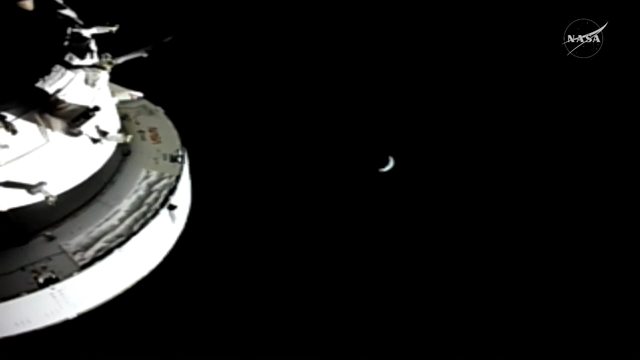
#NASA #Artemis2 is taking observations of a 57-minute total solar eclipse as the spacecraft flies through the shadow of the Moon. We can't see this eclipse from Earth but the shadow of the Moon is always out there in space. Unlike a solar eclipse viewed from Earth, they are close to the Moon so it appears much larger than the Sun in their perspective. Without Earth's atmosphere around them, there is potential for very clear view of the solar corona during totality. #Artemis #Moon🌖 #Orion #space
#NASA #Artemis2 crew reports an experience which should sound familiar to anyone who has ventured to see a total solar eclipse: they can see features they can't adequately capture with the cameras. Not just the solar corona but also "Earthshine" (sunlight reflected off Earth on the dark side of the Moon) illuminating the portion of the Moon that faces the Earth. As with eclipse-watchers on Earth, just take the best pictures you can! 📷 (They know that.) #Artemis #Moon🌖 #Orion #space
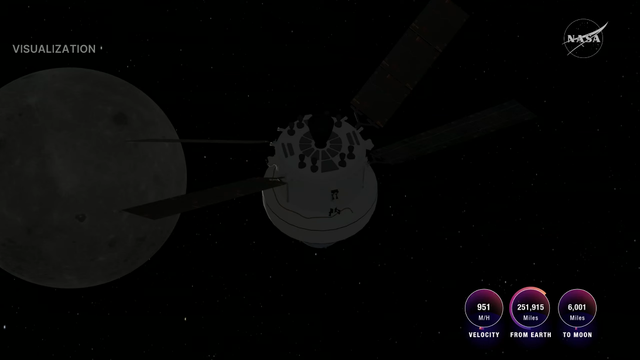
When asked by the science team, Wiseman and Hansen each reported seeing two impact flashes on the dark side of the Moon, so far. Those are actual meteoroid impacts. The smaller they are the more likely and often they occur, more or less constantly somewhere on the Moon for tiny ones, as often as shooting stars on Earth. #NASA #Artemis2 #Artemis #Moon🌖 #Orion #space
Solar eclipse totality ends for the #NASA #Artemis2 crew - mission control reminded them to use eclipse glasses again. #Artemis #Moon🌖 #Orion #space
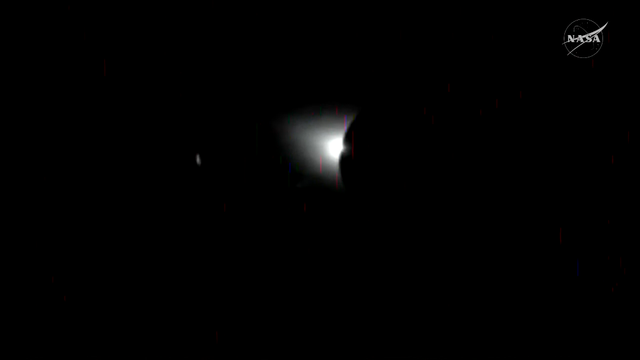
"Artemis II breaks Apollo 13’s distance record with daring moon flyby that included a solar eclipse" by @AssociatedPress / Marcia Dunn - It was the big day for #NASA #Artemis2, apparently a complete success. Science📷 objectives achieved. Equipment worked. The crew sometimes got emotional trying to describe the beautiful views of lunar terrain, a total solar eclipse and Earthshine lighting the Moon. From the shadow, Mars🔴 was bright orange. https://apnews.com/article/artemis-moon-nasa-lunar-flyby-fac19b4b1676af2717adafa992f32be4 #Artemis #Moon🌖 #Orion #space
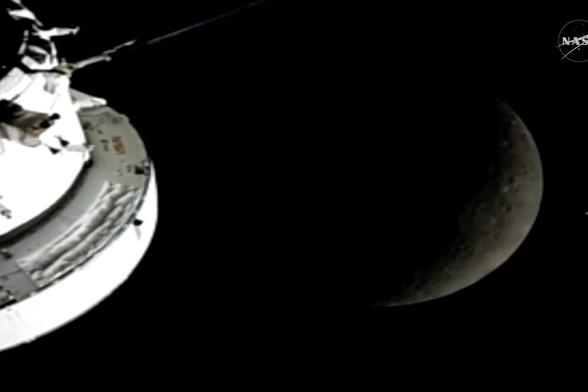
Artemis II completes record-breaking trip around the moon after surpassing milestone
The Artemis II astronauts have completed their record-breaking trip around the moon. Monday’s lunar journey comes after Artemis II surpassed Apollo 13’s distance record. During the flyby, the three Americans and one Canadian were treated to never-before-seen views of the moon’s far side by eye and also a solar eclipse. The crew temporarily lost contact with Mission Control as they swung behind the moon without stopping. They’re now on a path back toward Earth with a splashdown return set for Friday. More activities are planned before then including a phone call with the International Space Station.
 Jocelyn
I was wondering, why this timing wrt to lunar phase? Most of the far side is in the dark. Is grazing light on part of it better than a fully lit far side ?
@cyclotopie They knew they weren't going to get to completely choose the lunar phase because weather could delay launches. So they picked the initial series of launch windows to have increasing light on the far side of the Moon. They ended up with the first launch window so it's early in the set they chose, with less light on the far side but still enough for new science targets not seen by Apollo.
@AstroHawk
Makes sense, thanks!
Makes sense, thanks!
 VenusianMars
@AstroHawk Are we considering *those* bright spots might be ice or is that not the area for that?
@VenusianMars No. She was just observing that the newer impact craters (expected to be all rock anywhere away from the poles) appeared much brighter than surrounding older craters. I'd guess covering with dust from later impacts reduces reflectivity. But the point of such observations is to catch details the robotic probes couldn't differentiate as well as the human eye.
@AstroHawk Got it. Just listened to an exchange wherein MC is having them 'do a thing' to reduce glare? from a window, discussing ages and formation of the Mare and Basin, and describing that very thing with the dust and volcanic ash etc. Very cool.
 🥑 Yours Truly! Unruly 🇨🇦🇪🇺🇺🇦🌻
Explain to me again why that matters. Explain it to me like I'm in kindergarten.

 Don Hawkins - W7DAH
@AstroHawk @Binder @skyatnightmag Elonia, Bozo, & Suckerberg have probably been hiding condos on the dark side.
 Cécile Hébert
@AstroHawk and a nice aurora visible too.
@CecileHebert Yup! I mentioned that. Aurora are on both sides. But at this angle, north is near the bottom of the frame.
 Space Catitude 🚀
I am still just stunned by the fact that this is a *nightside* photo. It looks fantastic.
Am I correct in thinking we are looking at the S Atlantic, with North Africa on the left, a tiny bit of Spain, and some of S. America (and S is on top)?
It can't be a very long exposure. I suppose the camera is on a mount, but presumably there would still be movement. So that implies a really sensitive camera. I don't think they could've gotten this shot back in the 70s.
@TerryHancock You're in the right area. I noticed it's close enough to over 0°N 0°E, which is in the Atlantic off equatorial Africa, that it may have been intentionally near that point.
Anyone who has taken night photos must have similar questions to us. Another point about why it couldn't have been a very long exposure is the ~25,000mph/40,000kmh speed of the spacecraft necessary to escape Earth would smear a long exposure.