
A nonprofit web host got a copyright demand—for a photo it didn’t post. They removed it anyway. The law firm still demanded money. EFF pushed back, and the claim fell apart. https://www.eff.org/deeplinks/2026/03/baseless-copyright-claim-against-web-host-and-why-it-failed
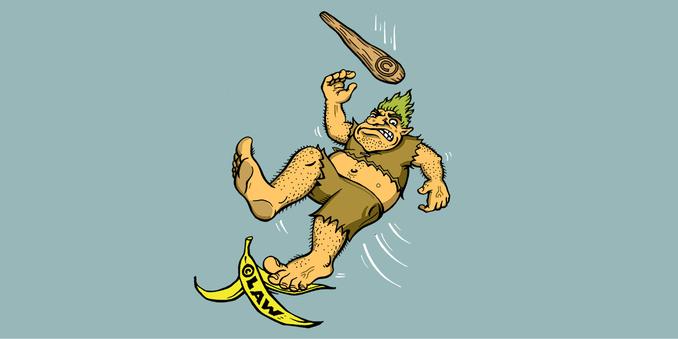
A Baseless Copyright Claim Against a Web Host—and Why It Failed

Higbee & Associates, a law firm known for sending copyright demand letters to website owners, targeted May First Movement Technology, accusing it of infringing a photograph owned by Agence France-Presse (AFP). The claim was baseless. May First didn’t post the photo. It didn’t even own the website where the photo appeared.

Electronic Frontier Foundation
@eff im assuming whoever wrote this is waaaay more knowledgeable than i am but im a bit confused reading "The copyright owner’s failure to timely register the work" as one does not need to register a work in the US for copyright to apply?

I believe there's additional damages a copyright holder can seek if the work is registered in the US. I haven't read the article. My guess is the copyright holder got overzellous and demanded all the penalties but weren't elgible for most.

@sparklepanic @eff

@knordstrom @eff

oh, i wasn't thinking about extra penalties if it is registered! thanks for the insight

damn our copyright system sucks

@sparklepanic @eff copyright registration is necessary for statutory damages
Provable damages don't need registration, but its generally hard to prove damages anywhere close to the statutory amount
@sparklepanic @eff in theory? Yeah, but in practice... not so much, I'm afraid. Unlike the EU, the US places much more significance on formally registering. You do get some automatic protections but... I mean, it's the USA.
@eff I'm curious what changes to the statutory damages framework would reduce the incentive for this nonsense. Are there any benefits are protections that are worth preserving in the statutory damages framework?
@eff Great work! Thanks for standing up to these trolls.