A paper published in Nature last week described an AI system that autonomously conceived, ran, wrote up research, and got it through peer review. No humans in the loop.

I’m worried because this isn’t just a machine learning curiosity. The same research process/pipeline applies to a huge proportion of what researchers in health, social science, and policy actually do.

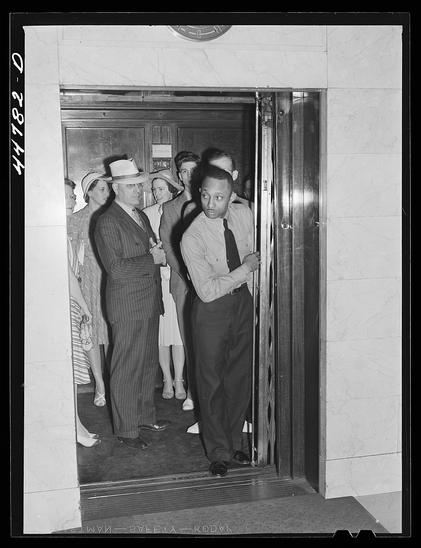
Researchers probably won't disappear overnight or entirely - history suggests automation rarely eliminates occupations outright. Elevator operators are the exception, not the rule. But that's not actually very reassuring because the real pattern is a sharp widening of inequality within jobs and fields, and a hollowing out of the early-career roles where people actually learn domain expertise.

Our institutions have no plans for this - more in the post:
https://harrisroxashealth.com/2026/04/what-will-a-researcher-be-or-how-i-learned-to-stop-worrying-and-love-the-epistemological-bomb/

#higherEd #research #AI

What will a researcher be? Or: How I learned to stop worrying and love the epistemological bomb

A paper published in Nature last week described an AI system that can conceive, execute, and write up research with no humans in the loop – and get it through peer review. This isn’t a …

Ben Harris-Roxas
@ben_hr Many thanks for the insights - I am looking into this with European universities, and you are generally right about their lack of systematic action. Part of this is because of the (over)focus on integrity and ethics - AI as a risk only - and a big part is because the crisis has been much more acute on the education side, and that has been the priority
@thomasjorgensen not so different in my part of the world, but securing assessment is like treating only the most critical, life-threatening symptom rather than the cause, perhaps? We’ll have to do more than one thing at once!