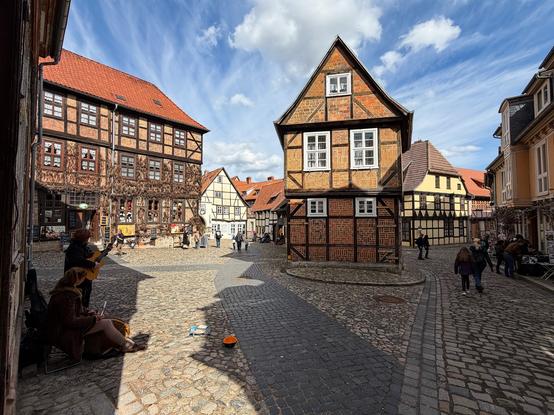
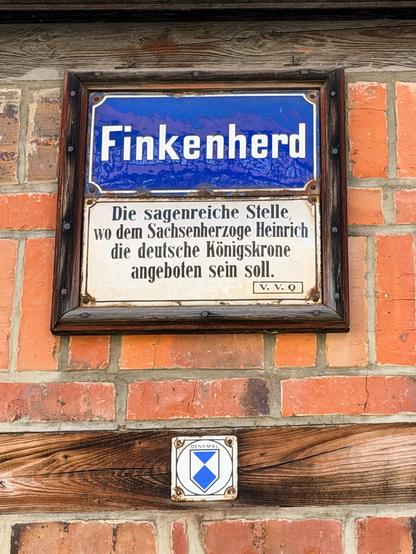
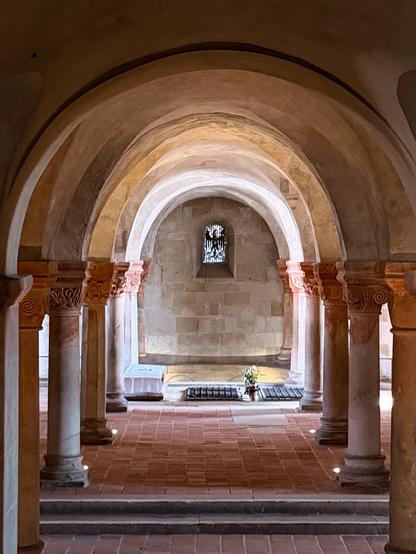
There probably are not my places in German where heading back into the Late #MiddleAges is easier than in #Quedlinburg. Take #Finkenherd No. 1 for instance: Originally built in the early 16th century, sometime between 1500 and 1540, this house is not only a nice little gem of architecture history …
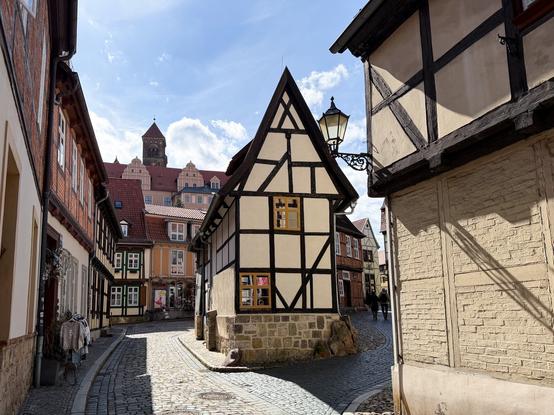
The very same address also marks another important spot in German history. At least according legend, it was here where bird-hunting #HenryTheFowler, Duke of Saxony, was surprised by messengers sent to offer him the crown in 919, making him the first non-Frankish king of East Francia.
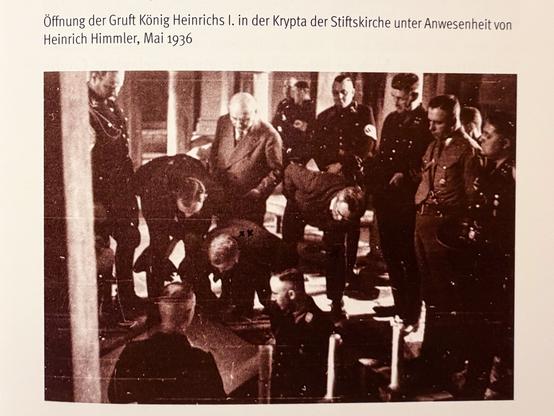
As Heinrich I. he established the #Ottonian dynasty of kings & emperors, making him the founder of the medieval German "state" to some - with mandatory nationalist consequences, like e.g. the Nazis digging for lost emperors, indeed here in #Quedlinburg
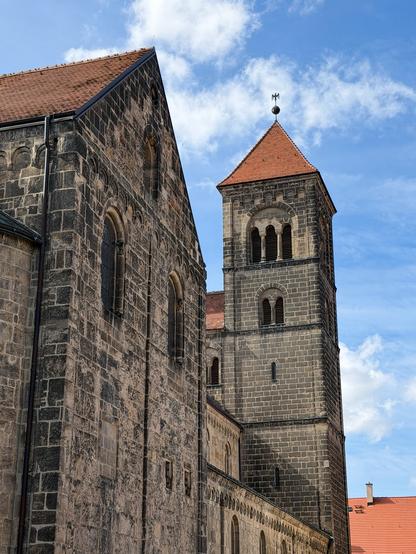
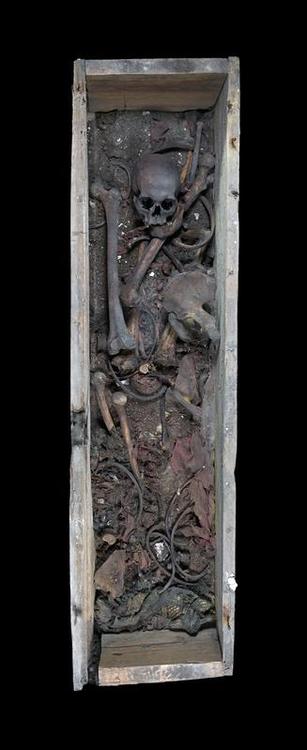
… with limited success, though: Heinrich's tomb, after a long and changeful history, was empty. #Matilda​'s burial, however, remained there inside the #crypt underneath #Quedlinburg​'s conventual church St Servatius: media.domschatzquedlinburg.de/detailseite/...
Just in case you're really curious about #Ottonian​s and Holy Roman Emperors following the path Heinrich laid out, you're surely interested in these latest findings around #OttoTheGreat​'s (Matilda's & Heinrich's son, † 973) grave in #Magdeburg Cathedral: nachrichten.idw-online.de/2026/03/20/t...

The emperor's body. Identity o...
The emperor's body. Identity of the mortal remains found in the sarcophagus of Otto the Great confirmed

(Sigh, any copy editor certainly would love the fun going through my social media posts typed on that tiny smartphone keyboard. 🙄 - delete "my", insert "many" / delete "German", insert "Germany".)