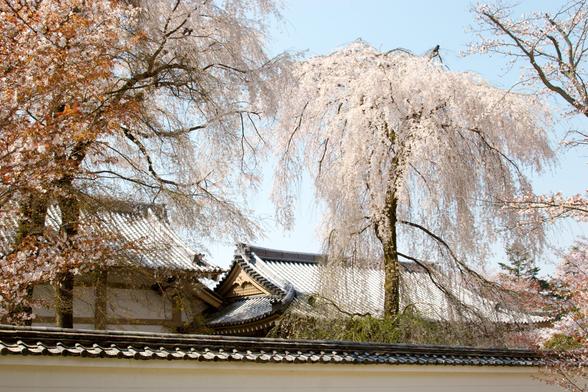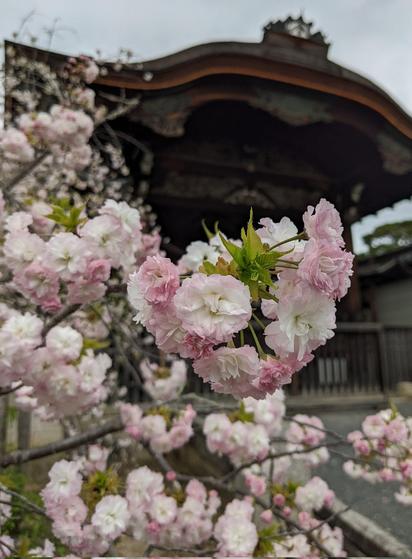
🌸SAKURA STROLLS👣

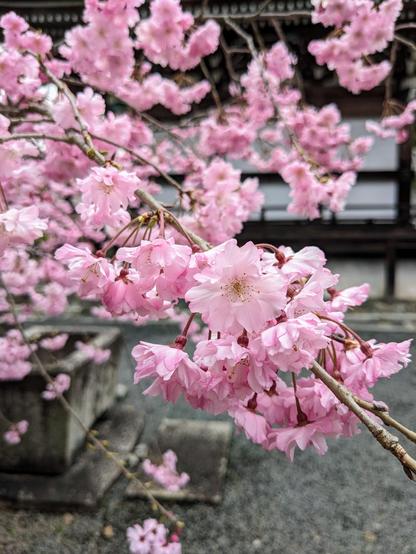
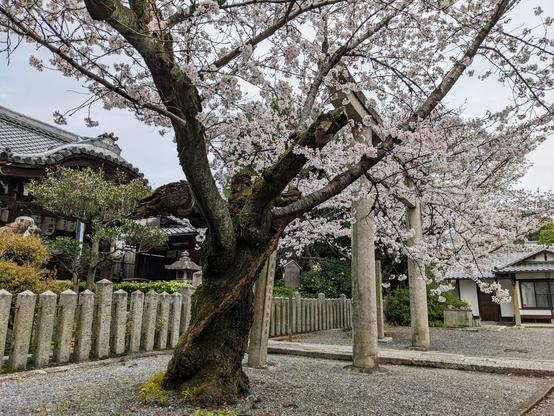
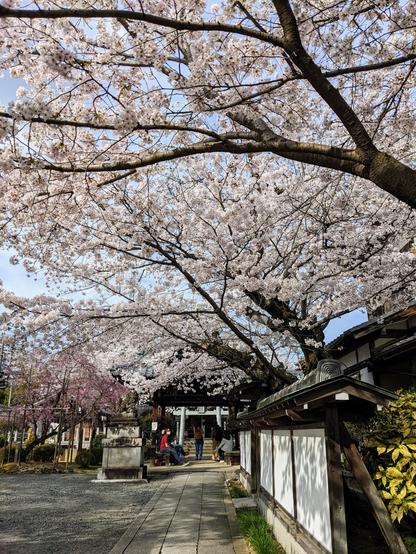
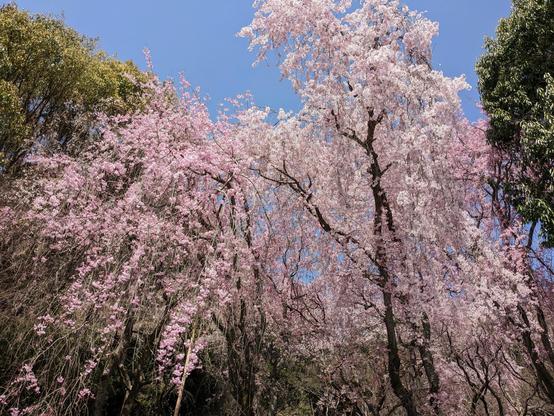
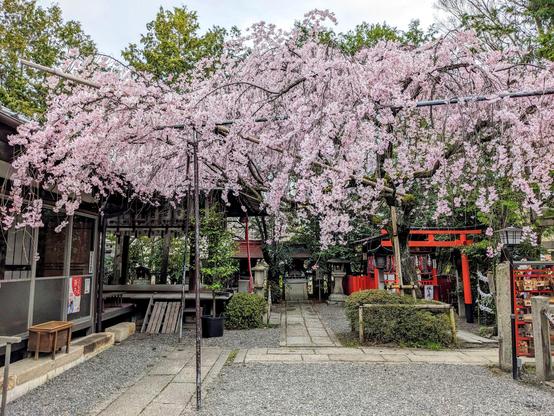
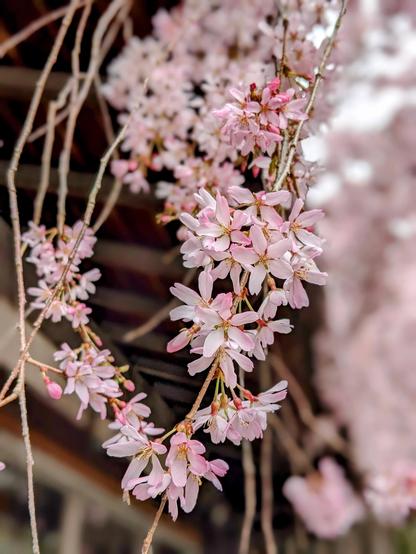
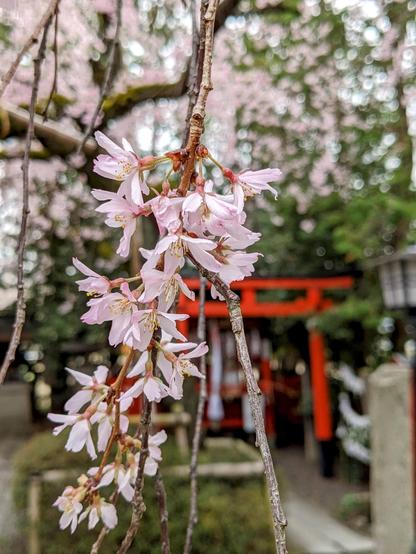
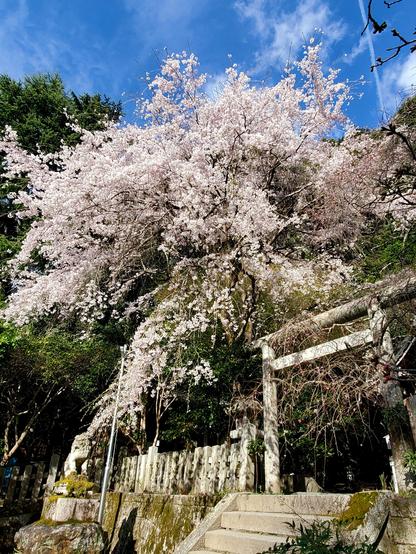
A whirlwind tour of some well-known Kyōto spots we've talked about before, this time with added cherry blossoms🙌

on one road
all the way to Kyōto-
blossom-viewing hats
京迄は一筋道ぞ花見笠
-Kobayashi Issa, 1822.
Trans. David Lanoue.
#Kyoto #京都 #sakura #桜 #blossoms #Japan

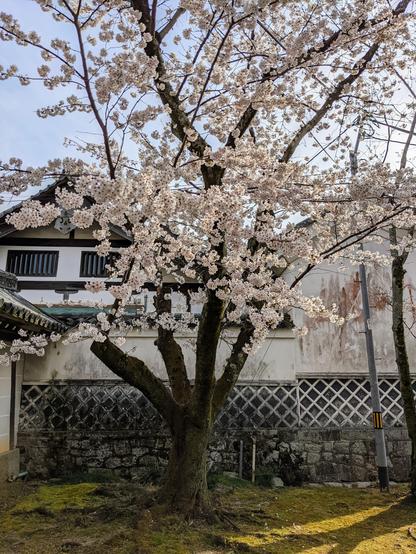
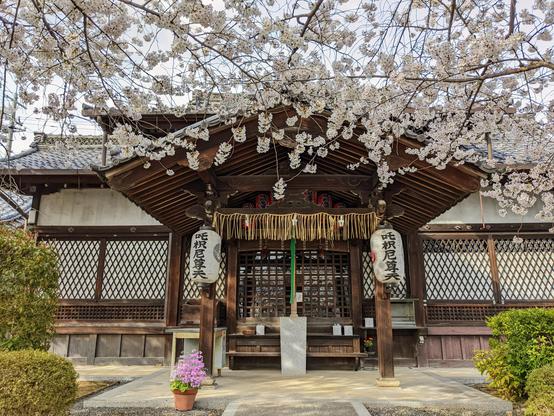
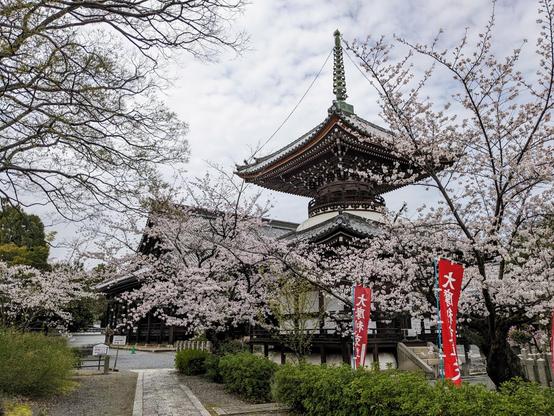
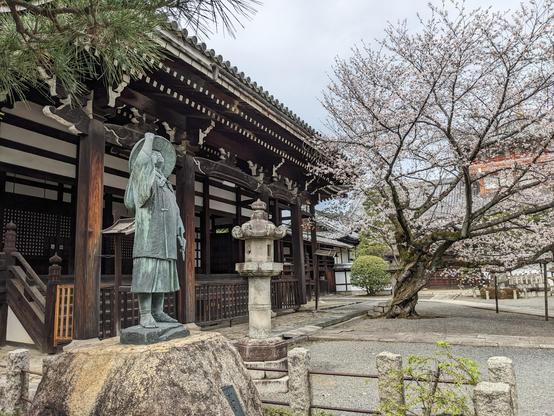
1) Honpō-ji (本法寺)🥘🌸

Founded by Nisshin (日親) in 1436, over the years the temple would clash many times with the authorities. More than a little outspoken, Nisshin eventually found himself punished by the shōgun by having a heated pot melded to his head!
#Kyoto #本法寺
2) Shinshōgokuraku-ji (真正極楽寺)👭🌸

At a time when many temples, and even whole mountains, were off limits to women, Shinshōgokuraku-ji (aka Shinnyo-dō 真如堂) offered them a refuge.

Special services were held for women, aiding them to rebirth.
#Kyoto #真正極楽寺
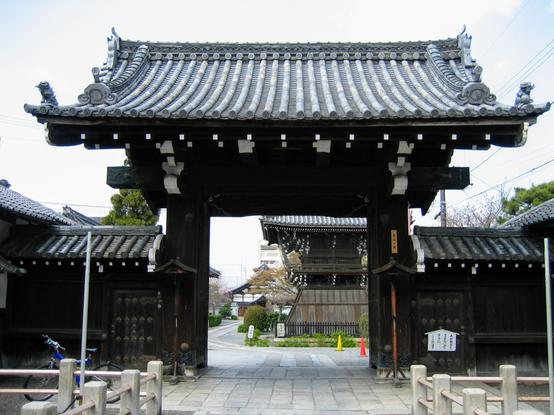
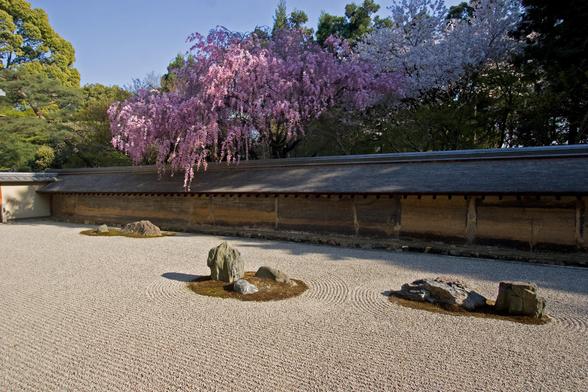
3) Ryōan-ji (竜安寺)🪨🌸

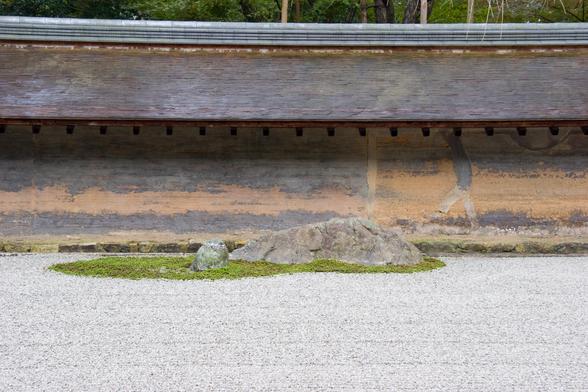
Just across the road from our Garden Teahouse (and office) is Japan's most famous zen garden...a riddle written in gravel and rocks.
Intended to focus the mind, over the years many have tried to unravel the garden's meaning.
#Kyoto #竜安寺

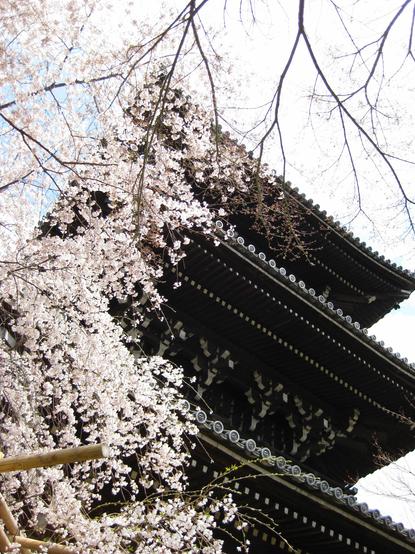
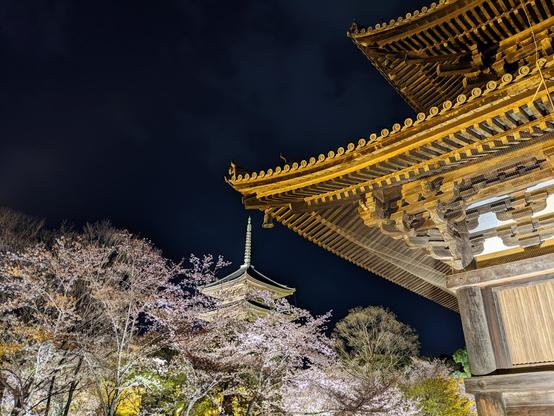
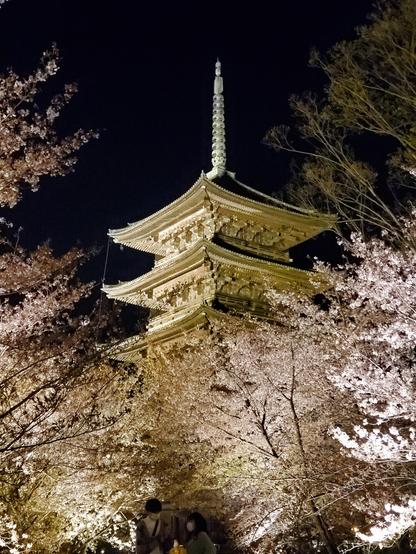
4) Tō-ji (東寺)📿🌸

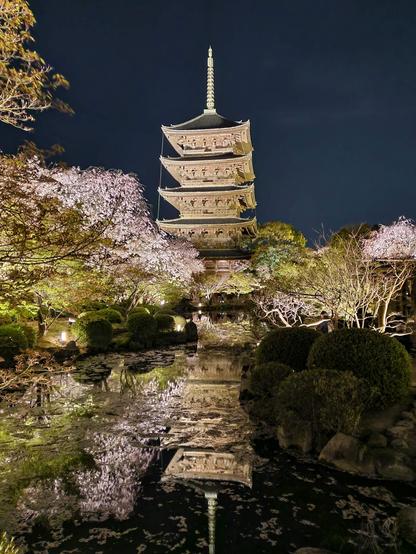
As old as Kyōto, Tō-ji ('East Temple') sits in the same place it has occupied for 1200 years, though its grounds have been vastly reduced.
Originally called Kyō-ō-Gokoku-ji (教王護国寺), the temple acted as guardian of the new capital (Heian-kyō 平安京).
#Kyoto #東寺

Tō-ji's 5-storied pagoda is 54.8m high, making it the tallest wooden tower in Japan. The original burnt down in 1055, and after rebuilding it was destroyed three more times.
The temple's current pagoda was funded by Shōgun Tokugawa Iemitsu (徳川家光) in 1644.

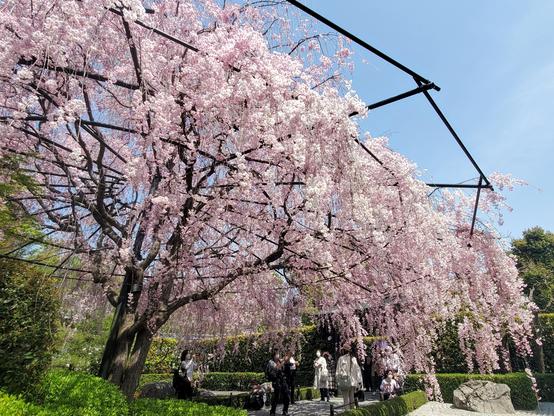
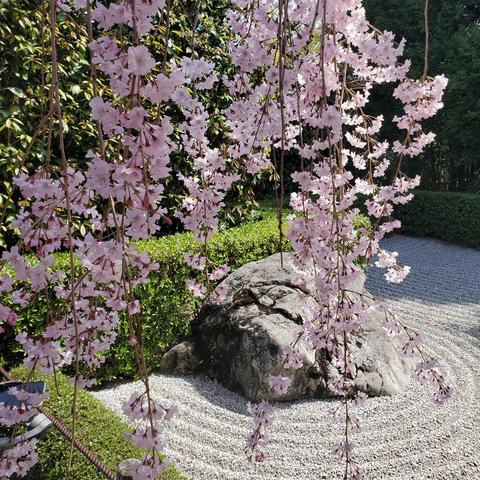
5) Taizō-in (退蔵院)🐟🌸

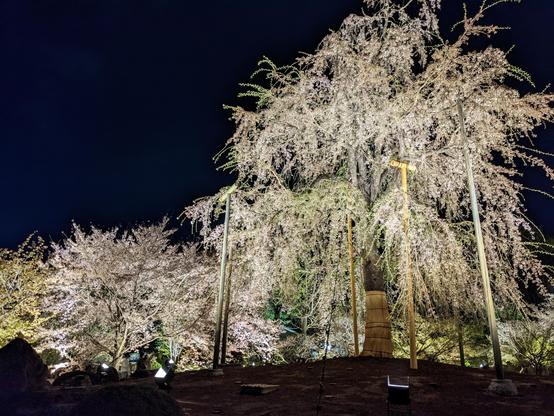
Taizō-in is the oldest of Myōshin-ji's sub-temples.
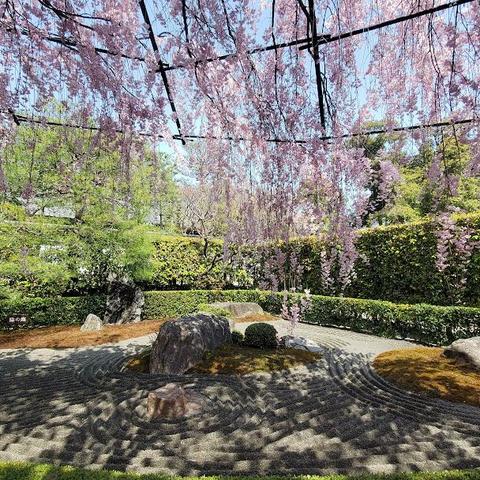
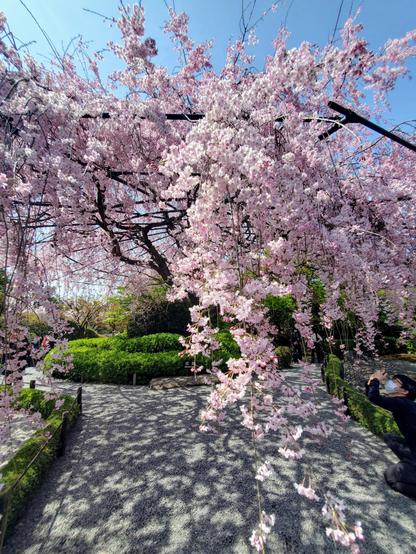
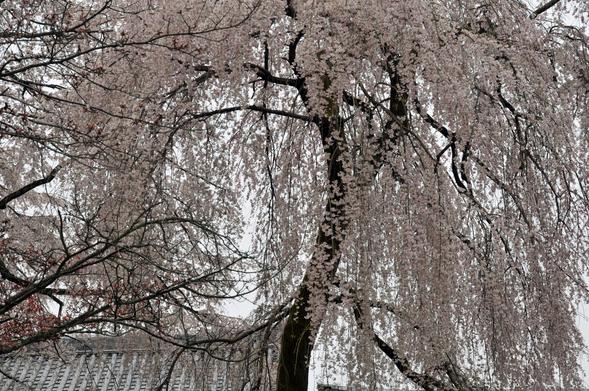
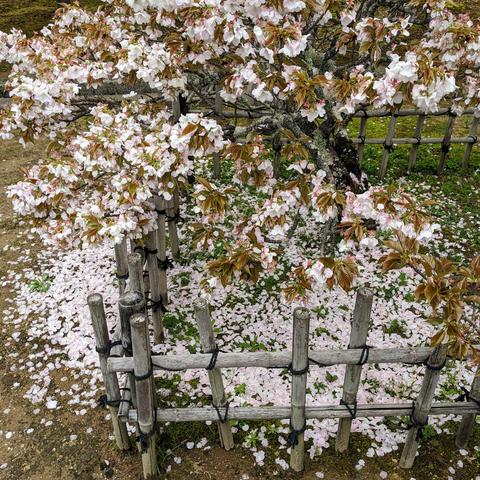
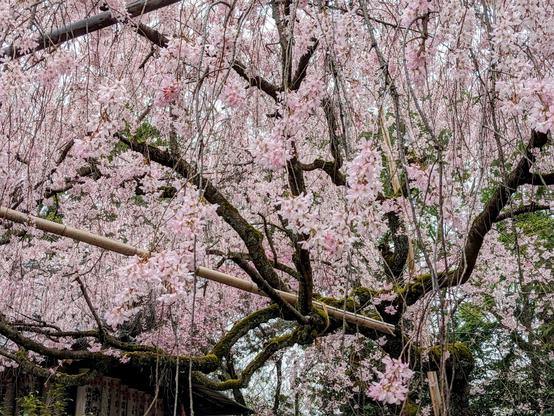
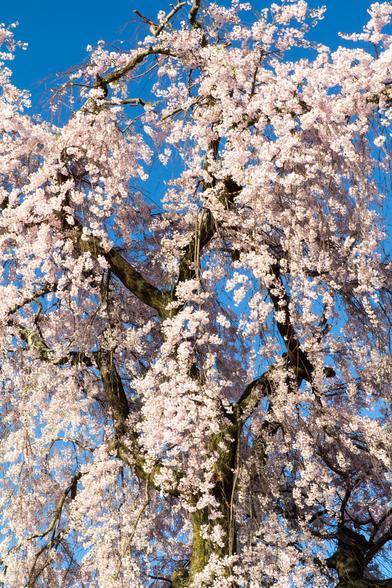
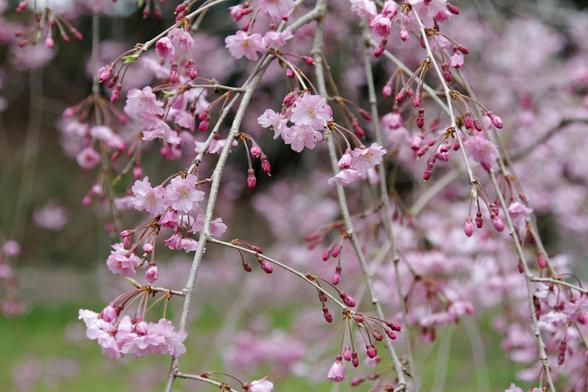
During the spring its great weeping cherry, reaching over the 'Inyō-no-niwa' (陰陽の庭 'Garden of Yin & Yang'), acts like a giant pink parasol...falling petals adding colour to the raked gravel.
#Kyoto #退蔵院

6) The Incline🛤️🌸

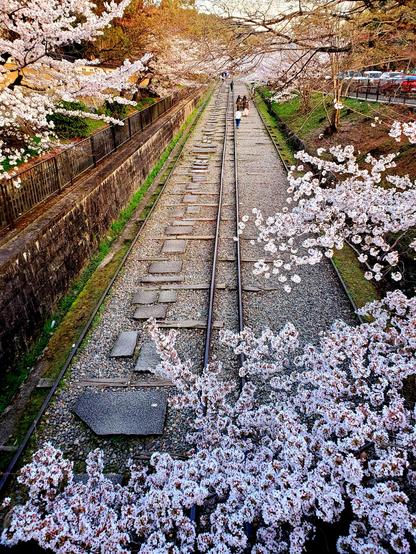
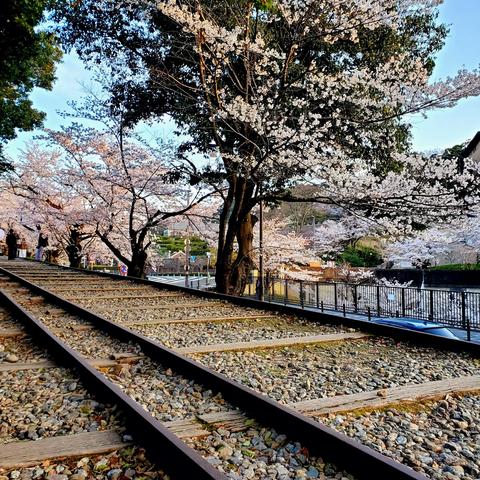
Keage (蹴上 lit. 'rise' or 'riser') is one of the most popular places to see cherry blossoms in Kyōto. It was here that boats were carried a short distance by rail down a steep incline from the Lake Biwa Canal (琵琶湖疏水) into the city's canal network.
#Kyoto #蹴上

7) Okazaki Canal🛥️🌸

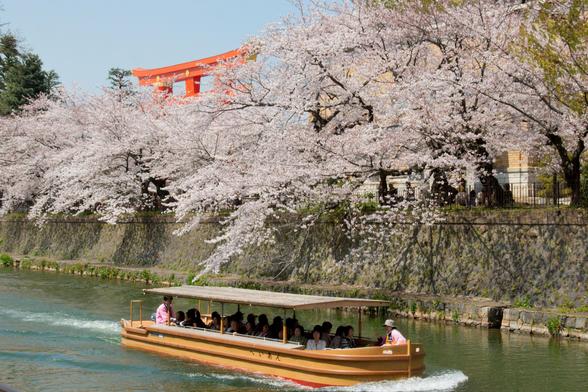
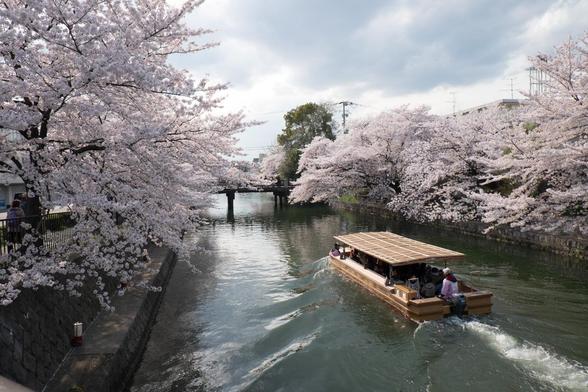
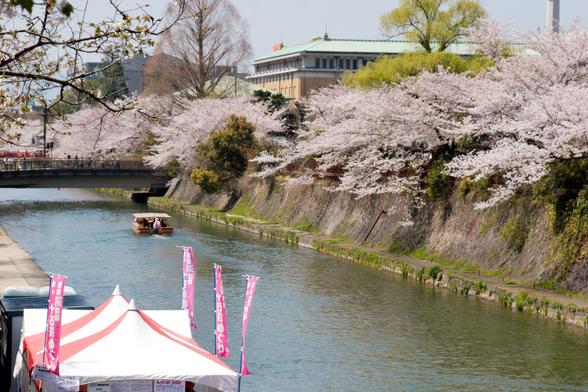
During spring traditional flat-bottomed boats called Jukkoku-bune (十石舟) ply the waters of the Okazaki Canal.
400 cherry trees line the one & a half km stretch of waterway between the Lake Biwako Canal Museum (琵琶湖疎水記念館) & Ebisu-gawa Dam (夷川ダム).

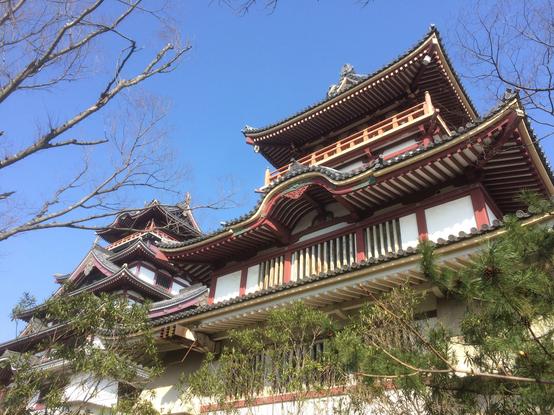
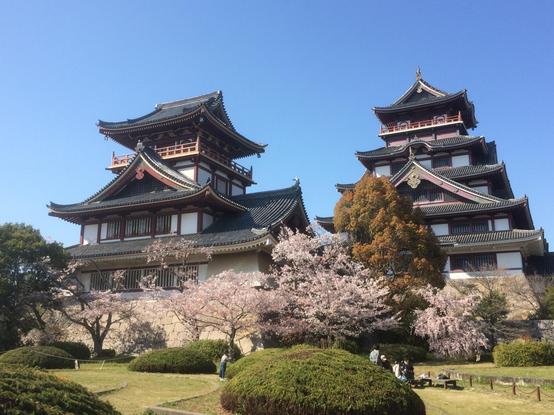
8) Fushimi Castle (伏見城)🏯🌸

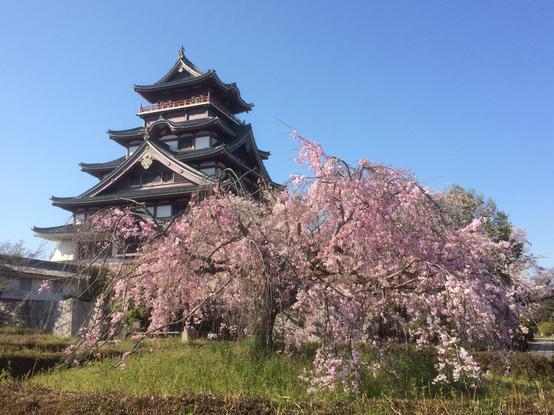
Fushimi-jō (伏見城), known also as Momoyama Castle (桃山城), was built by Toyotomi Hideyoshi between 1592-94 as his retirement base.
Stripped & dismantled by the Tokugawa from 1623, a replica (now closed) was built in 1964 as part of "Castle Land".

9) Kurama👺🐯

Mt Kurama was once famed for its cherry trees, though very few remain nowadays.
In Heian times the nobility would make the long trek to see the blossoms, and followers of Jōdo-shū nicknamed it the 'Pure Land North of the Capital' (洛北浄土)🌸
#鞍馬寺 #Kuramadera

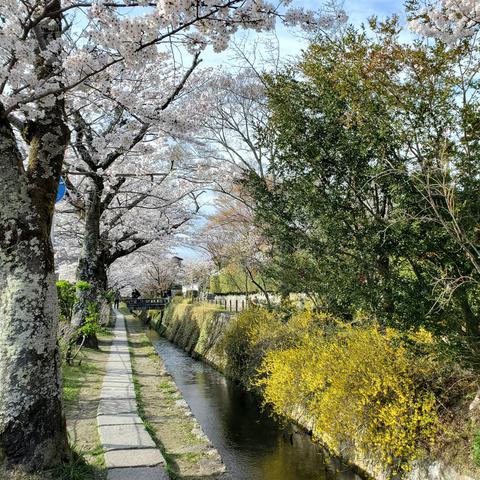
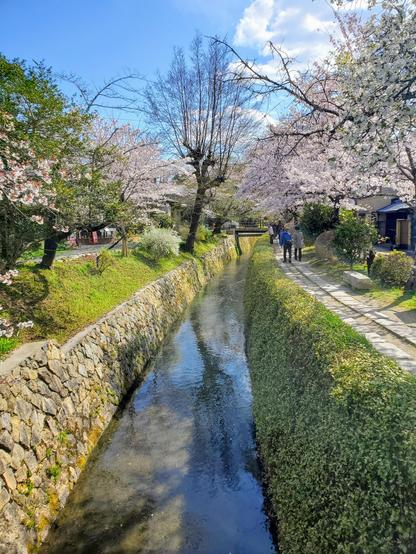
10) The Philosopher's Path🥸👣

The Path of Philosophy (哲学の道) runs between Nanzen-ji (南禅寺) and Ginkaku-ji (銀閣寺). It came to prominence after the philosophers and Kyōto University professors Nishida Kitarō (西田幾多郎 1870-1945) and Tanabe Hajime (田辺元 1885-1962) used the trail as an exercise route

11) Myōren-ji (妙蓮寺)📿🤲

The temple is known for its 'Oeshiki-zakura' (御会式桜 'Memorial to Nichiren Sakura'), a tree that appeared to miraculously bloom of the 13th day of the 10th month, the anniversary of Nichiren's (日蓮 1222-82) death. In reality it is a long blooming type.

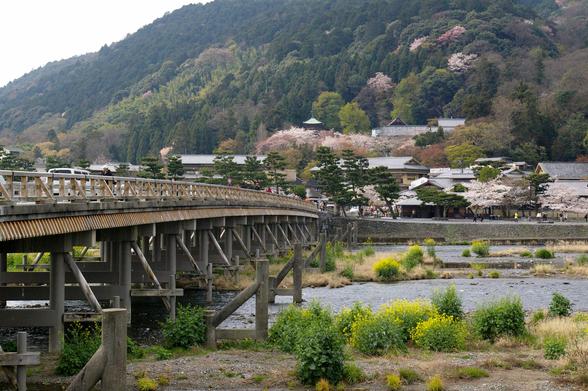
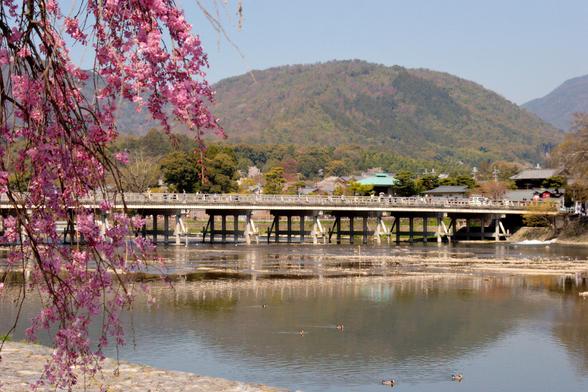
12) Togetsukyō Bridge (渡月橋)🌉🌕

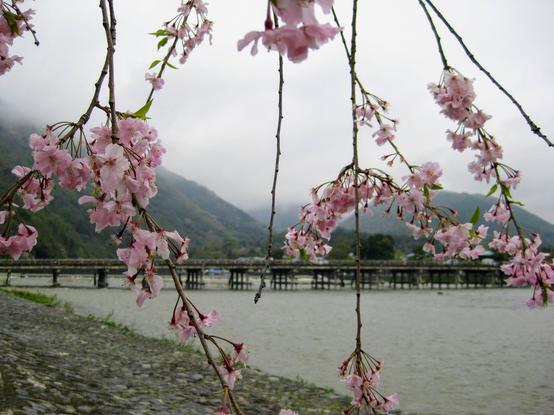
It is said that one night, glancing across the Ōi River, Emperor Kameyama (亀山天皇 1249-1305) was bemused by an odd illusion.
くまなき月の渡るに似る
"It looked as if the clear moon was walking over the bridge".

The name 'Moon Crossing Bridge' (Togetsukyō) soon stuck.

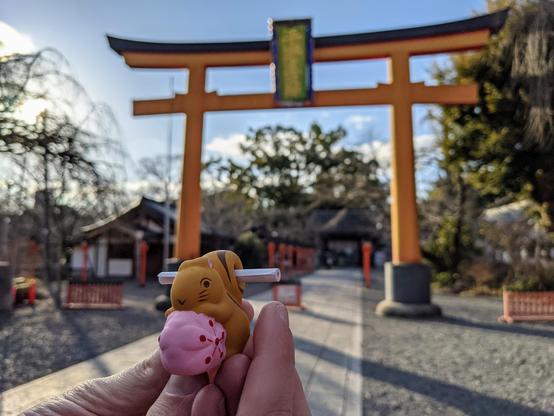
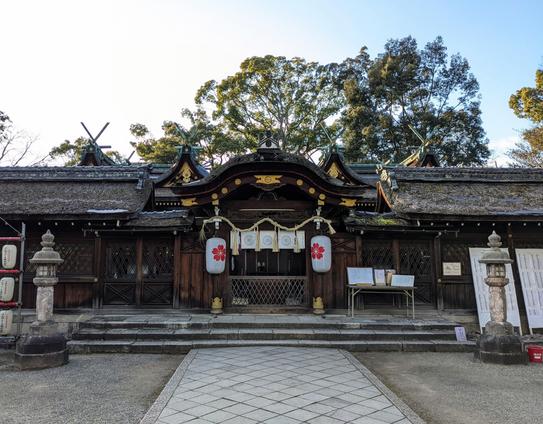
13) Hirano-jinja (平野神社)🐿️🌸

Squirrels (りす/栗鼠) are the divine messengers of Hirano-jinja's gods. They once populated the shrine's pine forest, and thus over time became associated with the enshrined deities.
Since Edo times Hirano-jinja has, of course, become better known for its sakura trees.

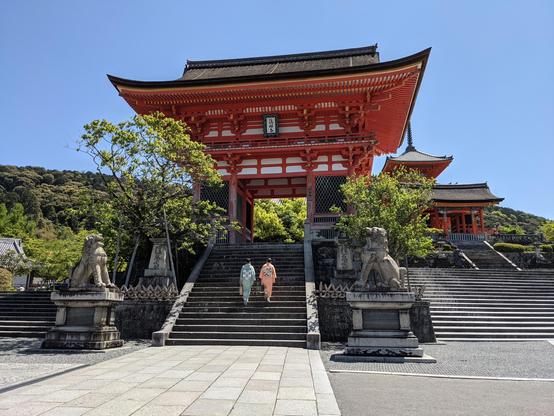
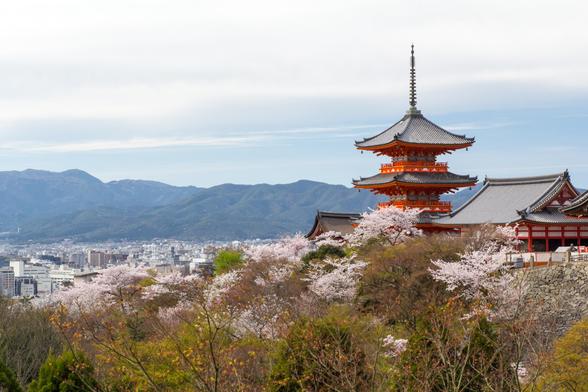
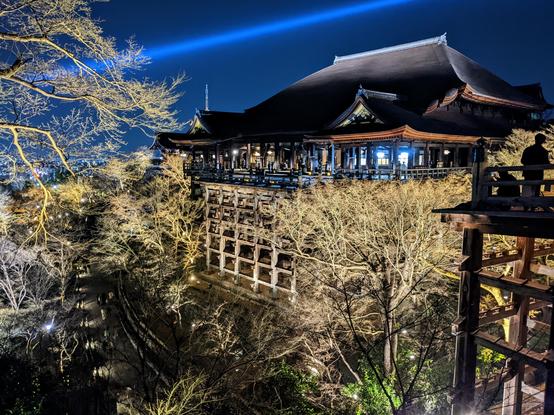
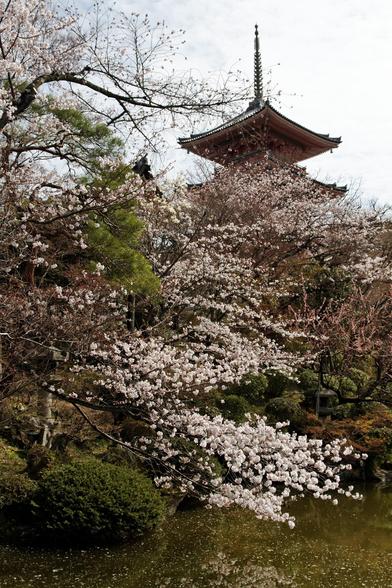
14) Kiyomizu-dera (清水寺)🪂🙏

'To Jump Off the Stage at Kiyomizu' (清水の舞台から飛び降りる) is similar to the expression 'To Take the Plunge'.
The temple was founded in 778 by Enchin (延鎮), a Nara novice who settled here after searching for a golden river he had seen in a dream.
#清水寺

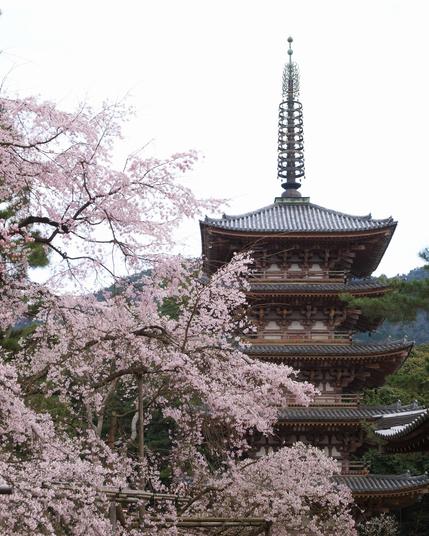
15) Daigo-ji (醍醐寺)🥳🧈

Two lavish cherry blossom parties, the brainchildren of Japan's de facto ruler Toyotomi Hideyoshi (豊臣秀吉 1537-98), would bring hanami to the masses.
In 1594 he hosted a 5-day party at Yoshino in Nara. 4 years later he did the same at Daigo-ji, planting 700 trees for the event.

16) Ninna-ji (仁和寺)📏💚

Known as 'Omuro-zakura' (御室桜), Ninna-ji's cherry trees are uniquely stunted, growing to only around 2m tall. They are a variant of 'sato-zakura' (郷さくら).
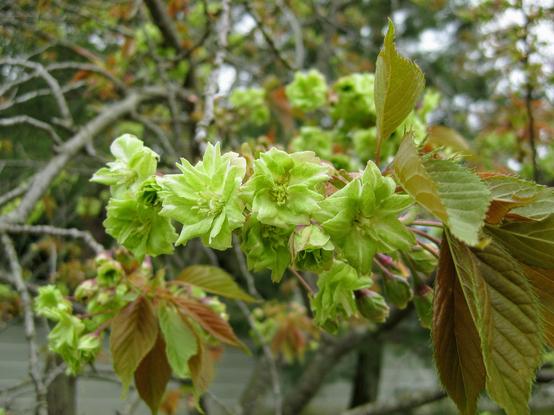
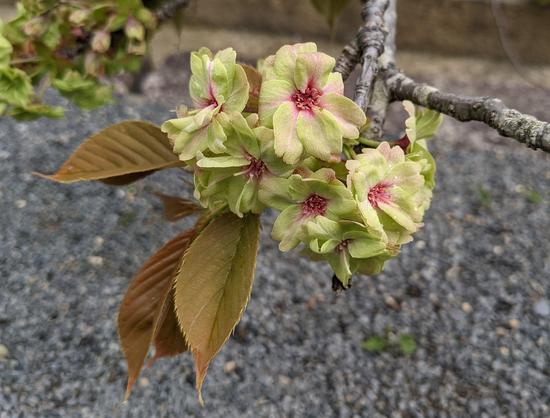
The temple precincts are also a great place to catch green varieties of cherry blossoms.

17) Suika Tenmangū (水火天満宮)🔥💦

The character's '水' (sui) and '火' (ka) in the shrine's name mean 'water' and 'fire, and it is believed Suika Tenmangū (水火天満宮) offers protection from floods and conflagrations.
It is possible that this is the oldest Tenmangū shrine in Japan!

18) Kōdai-ji (高台寺)🏯⚔️

Established in 1606 by Nene (ねね/北政所/高台院 d.1624) as a prayer for her late husband, Toyotomi Hideyoshi (豊臣秀吉 d.1598).
It is said she watched the fall of Ōsaka Castle (大阪城) in 1615 from the Shigure-tei teahouse (時雨亭) in the temple grounds.

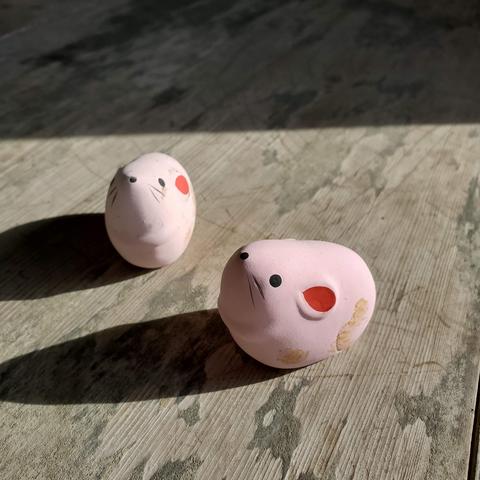
19) Ōtoyo-jinja (大豊神社)🐭🆘

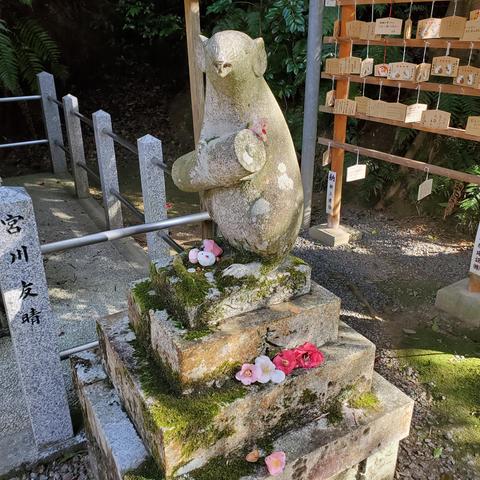
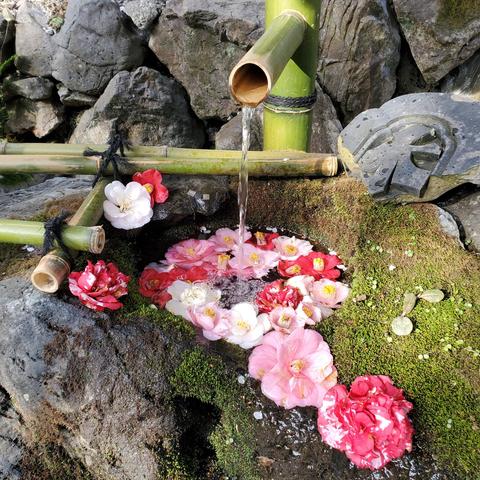
Ōtoyo-jinja is nicknamed the 'Mouse Shrine' (鼠の社 'Nezumi-no-sha') after 2 guardian mice, 'koma-nezumi' (狛鼠), that protect the Daikoku-sha (大国社) sub-shrine in the grounds.
It is said that they are modeled on 2 mice that once alerted locals to a fire!

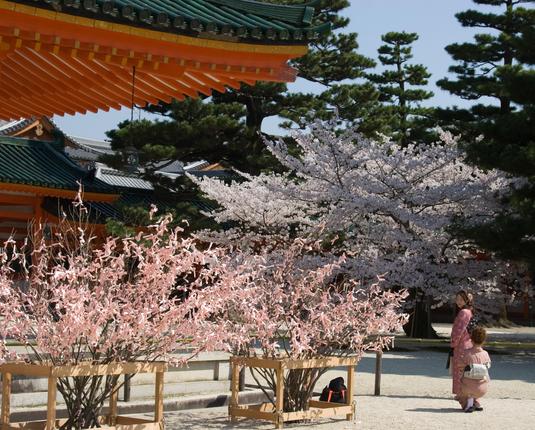
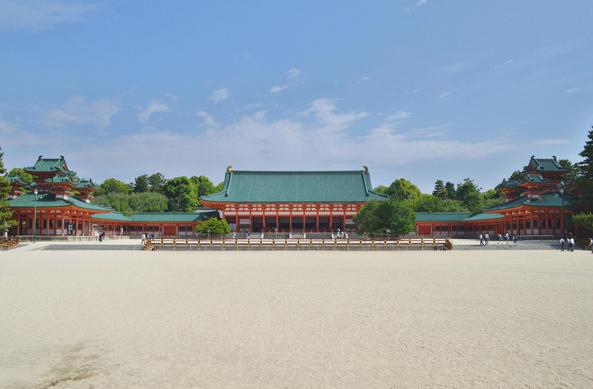
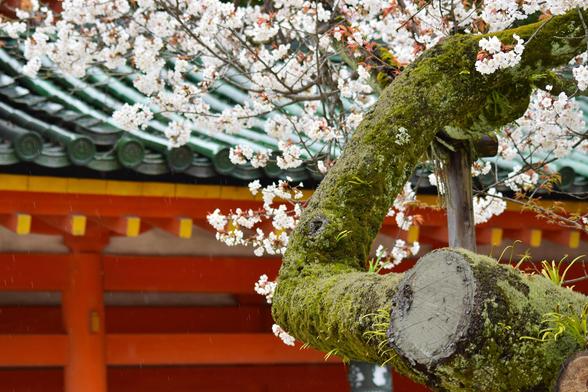
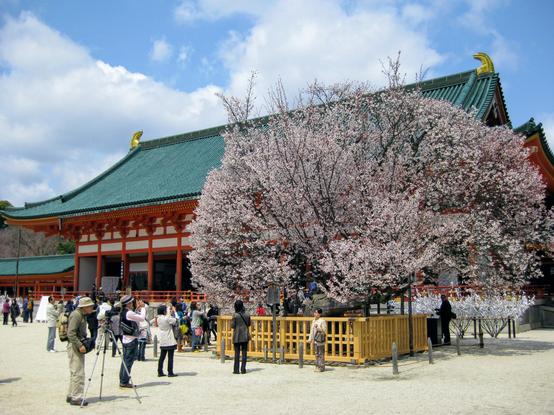
20) Heian Jingū (平安神宮)🐅🐉

Heian Jingū enshrines Kyōto's first and last emperors, and replicates part of the original Heian Palace.
Famed landscaper Ogawa Jihei (小川治兵衛) created 3 of the shrine's 4 sprawling gardens (which cover 33,000m2), blending Heian and Meiji period aesthetics.

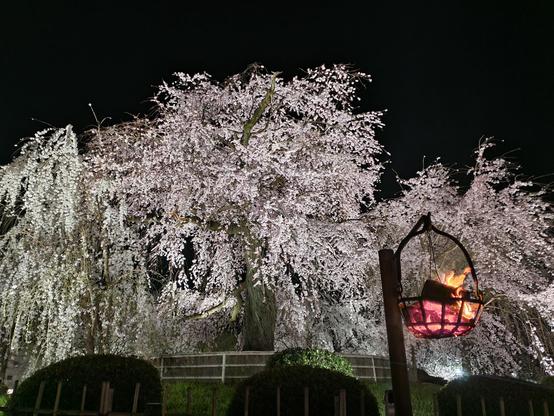
21) Maruyama Park (円山公園)🏞️🏮

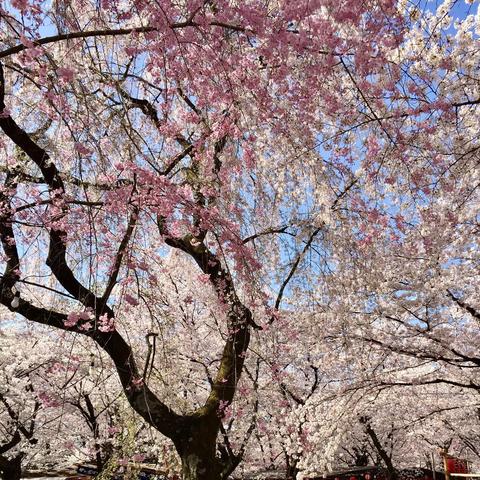
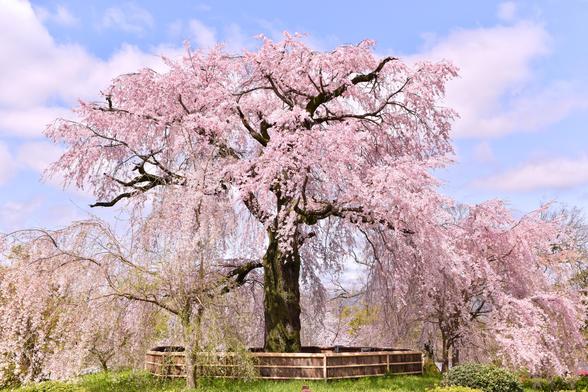
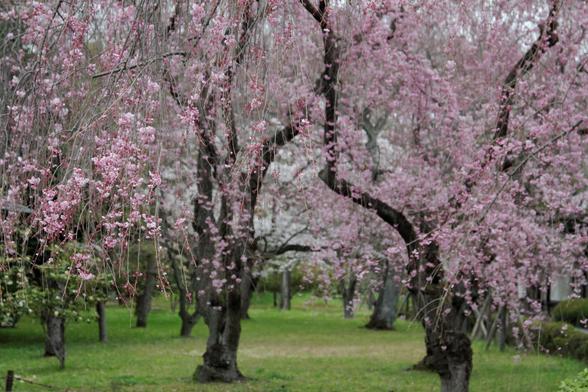
Maruyama-kōen's famous 70-year old shidare-zakura (枝垂桜 'weeping cherry') is one of the city's most recognizable trees.
The original tree was 200 years old when it withered in 1947.
In 1949 Sano Tōemon (佐野藤右衛門) planted the tree we see today.

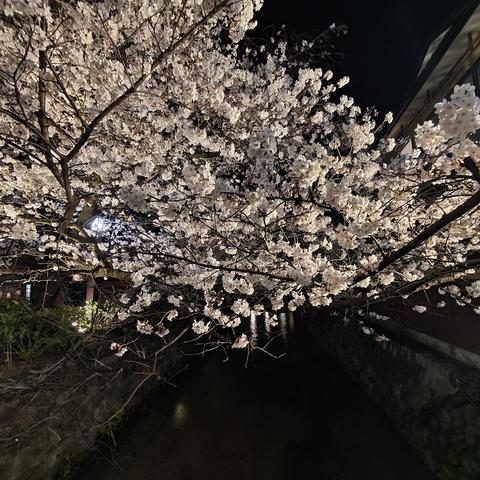
22) Shirakawa (白川南通)🤍🛶

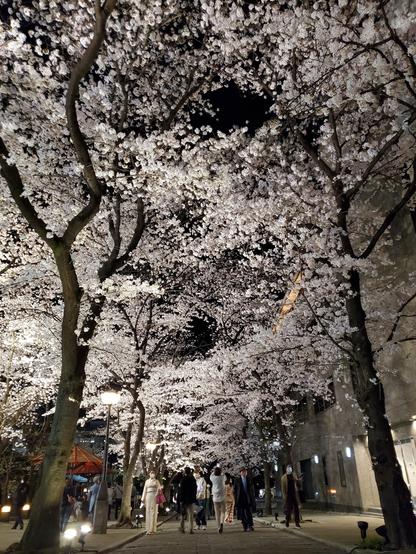
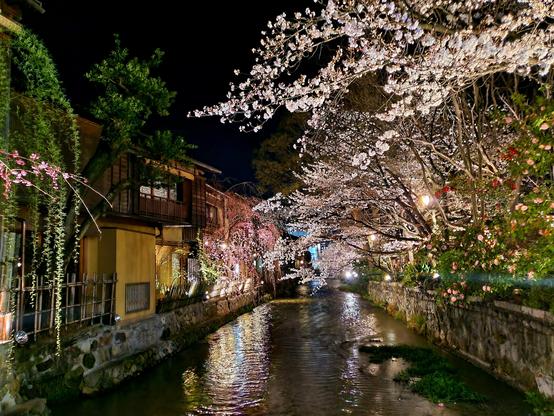
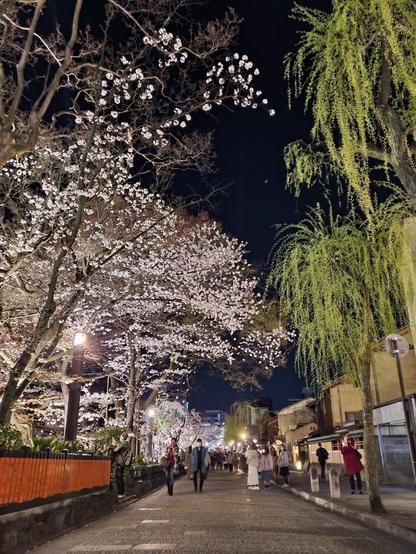
Shirakawa Minami-dōri, often described as Kyōto's prettiest street, was repaved with flagstones taken from the old city tram-lines (the last of which was abolished in 1978).
The neighbourhood of traditional machiya was made a special conservation zone in 1973.

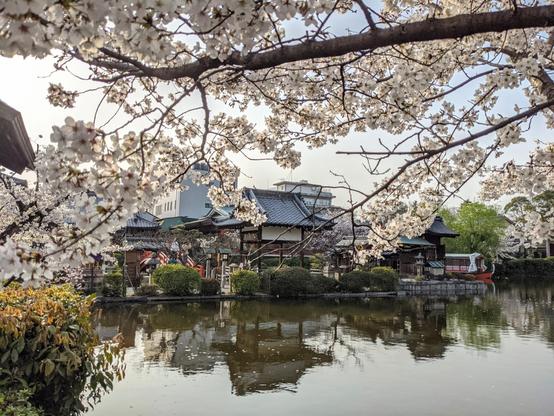
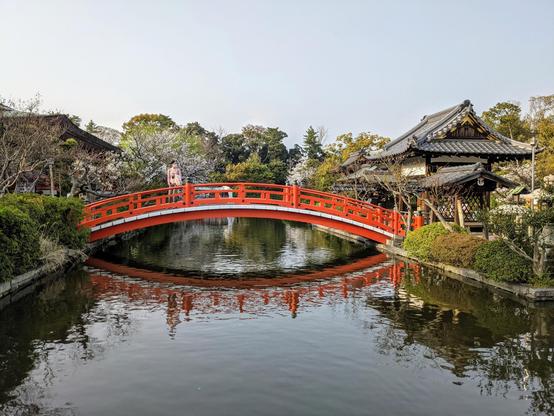
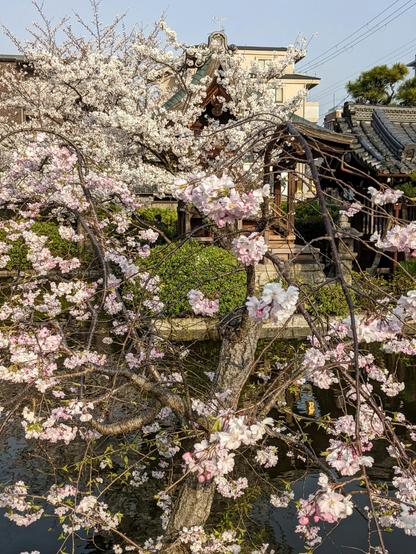
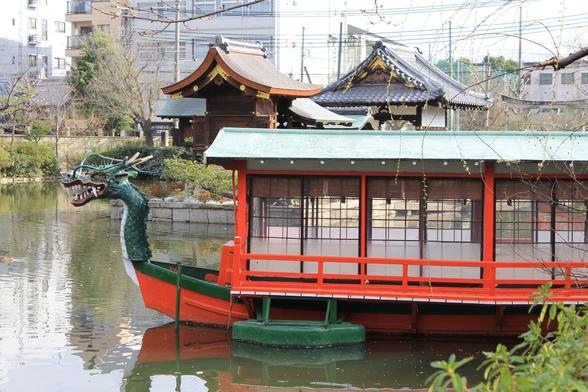
23) Shinsen-en (神泉苑)🐲🌧️

The hanami we know today, one of 'banqueting' beneath the cherry blossoms, began in 812.
Inspired by a beautiful sakura tree he had seen in the grounds of Jishu-jinja (地主神社), Emperor Saga hosted a poetry competition and feast in the blossom-filled imperial gardens (花宴の節).

24) Nijō Castle (二条城)🏯👀

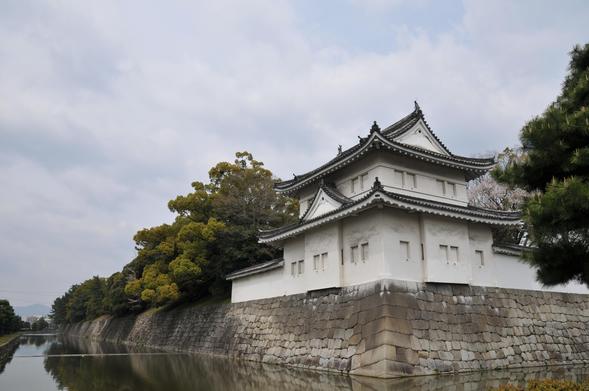
Nijō-jō was the Shōgun's headquarters in Kyōto (completed under Tokugawa Ieyasu) to watch over the capital.
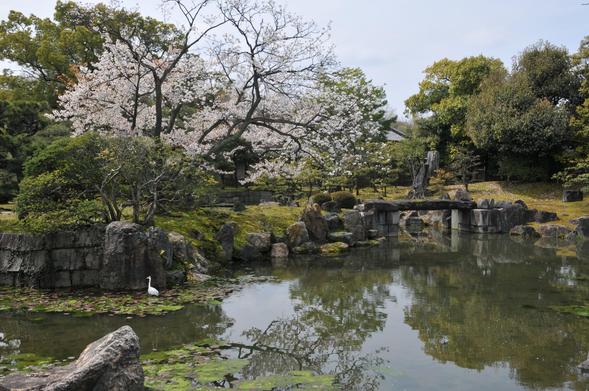
The castle grounds feature more than 300 sakura trees (of 50 varieties) and each spring there are light up events and special shows.