

"To achieve a stable flight without the need for fins, the rocket's heavy motor was located at the top, fed by lines from liquid oxygen and gasoline fuel tanks at the bottom."

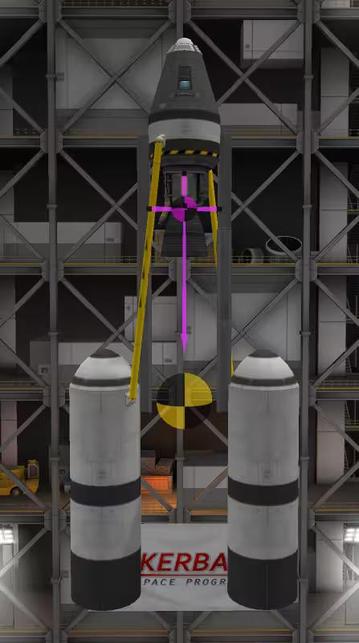
Umm, actually, no. That's not how that works. That's what he intended to have happen, and it sounds like common sense, but this is actually the classic #PendulumFallacy of #rocketry:

https://en.wikipedia.org/wiki/Rocket#Pendulum_rocket_fallacy

Date: 2026 March 28
URL: https://apod.nasa.gov/apod/ap260328.html
Title: Robert Goddard and Nell

(No disrespect intended to Mr. Goddard. He was an epic pioneer, and the very best of us learn by making mistakes and analyzing the outcome to learn from them.)
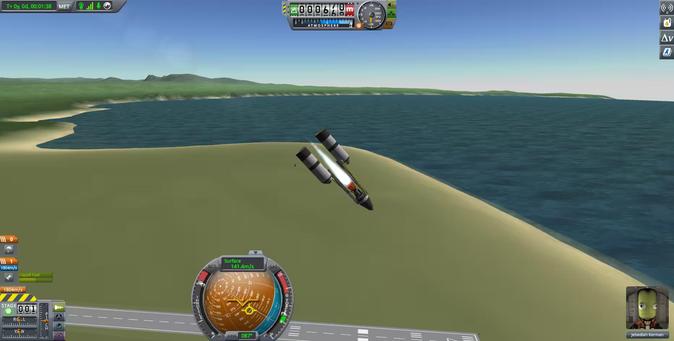
#NASA #Astronomy #PictureOfTheDay #KSP #KerbalSpaceProgram

@rl_dane Yes but also kinda no... not related to the thrust but drag does play into it.

Throw a dart forwards and the heavy, low drag bit at the front will keep it pointed into the wind. Throw it backwards instead and the lightweight, high drag bit will flip it around.

Rockets in ksp tend to be like a dart thrown backwards, because the engines are usually the heaviest part, especially once most of the fuel is gone. The pictured design with the engine at the top would actually help with that.

@copper_tunic

Fins usually offset that, but yes, I've done the "Rocket flip" many times in KSP 🙃

SSTOs are even harder, because you can't shed engines or fuel tanks to manage the CoG/CoM.

So, yes, having the CoM ahead of the engine does give it a bit more stability, but probably not as much as Mr. Goddard was initially hoping. 😁