 dan 💾
dan 💾No one expects the QuickDraw GX inquisition. #MARCHintosh
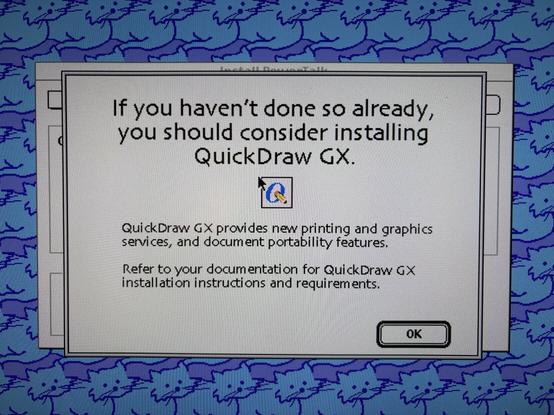
@billgoats There was a great QuickDraw GX font called Jam I used to love - a sort of worn typewriter effect.
I think I converted it into a plain TrueType font using Fontographer or one of the dev tools at the time, but even if I did, the only backup is on a Zip disk, and I’ve no Zip drive.
There’s now an exciting quest that lies ahead of me in terms of tracking down lots of obscure software and emulators - the grand prize being, in retrospect, what transpires to be a rather mundane font. 🤔
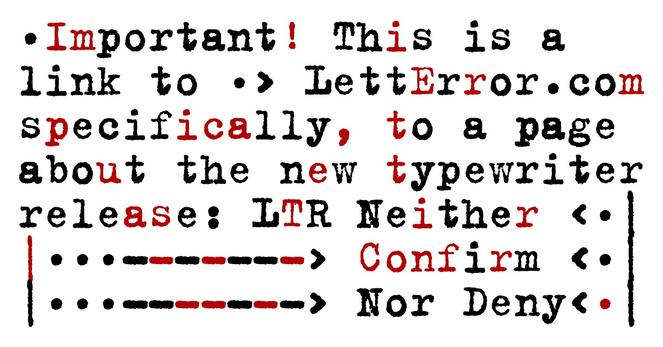
@middaparka @billgoats Jam was designed by Erik van Blokland (@letterror) and was known for its implementation of GX variations. It currently lives on in the form of the variable typeface “Neither Confirm Nor Deny”.
@middaparka @billgoats A bit more backstory on the NCND FAQ page:
@letterror @splorp @middaparka @billgoats I was about to bring that up — surely the original font is pushing beyond the limits of our current technology
But now I’m thinking of the “San Francisco” font announcement a few WWDCs ago, and the plethora variant sizes and weights built into a single face & file … and wondering:
Have we eclipsed TrueType GX yet?
@letterror @splorp @middaparka @billgoats (if not, I think it may be time for a Super Specification to at least describe, if not implement, all the abilities … last year I did a deep dive into the Windows 2.x vector fonts, which nobody remembers let alone implements anymore …)
Then there’s the more basic specs like “how do we spec that a bitmap font is supposed to be 2:1 aspect ratio?” I do love the Apple Shaston font, for being a loving implementation to be aesthetic in spite of the cruel limitations of 200-line video from the days of non-interlaced SD CRT video. It’s a better solution than the 5 minutes spent designing the CGA font, for example.

@whophd You mind find this project of interest.
 John Parker
 Grant Hutchinson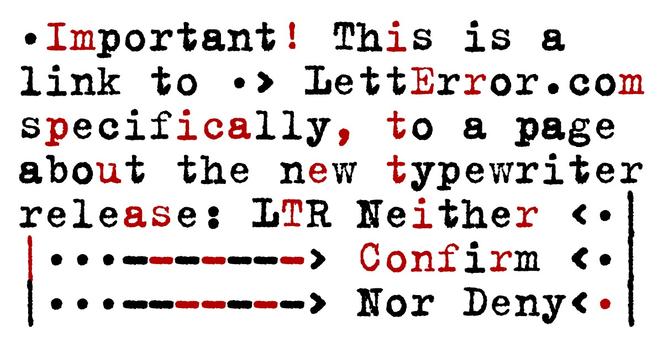
 Erik
Erik Christian Kent 𝘊𝘒 :\﹥