New blog post introducing the WIP Duranium project (immutable postmarketOS), some of its major features, and explaining why some design decisions were made.  

> Either the new image works, or the system falls back to the previous one automatically. No partially-applied state. No debugging audio when you need to make a phone call and no fussing with a broken web browser when you just want to doomscroll cat photos. It also means developers can reproduce the exact state of a user's device, making it much easier to track down and fix issues.

https://postmarketos.org/blog/2026/03/17/introducing-duranium/

#linuxmobile #postmarketos #duranium

Introducing Duranium: a more reliable postmarketOS

Aiming for a 10 year life-cycle for smartphones

postmarketOS

@postmarketOS Ah, Duranium implies solidity, but it's based on AI slop.

https://www.phoronix.com/news/systemd-260-rc3

No thanks.

"Vibanium"

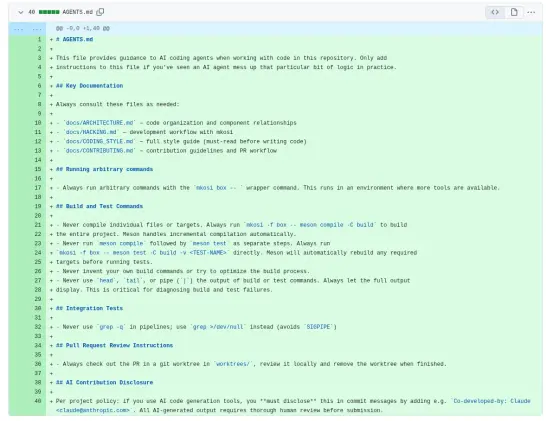
systemd 260-rc3 Released With AI Agents Documentation Added

The first release candidate of systemd 260 arrived in late February with the new mstack feature, dropping System V service scripts support, and other changes

@jens crazy take considering it's been less than 2 months since systemd started using AI for code review. Critique all you like but at least don't disrespect us by doing it in blatant bad faith

we switched to systemd over 18 months ago! if we wanted to avoid it we would be setting our progress back half a decade at least.

at the end of the day there's no ethical consumption under capitalism, it's a constant battle between harm reduction and moral principles, the pros did (and imo still very much do) outweigh the cons. but by all means give us an alternative that meets your standards

@cas My blatant bad faith is with AI slop, and I absolutely disagree: the only way this can be reversed is by mercilessly shaming everyone who uses it.

Sorry it's you 🤷

But it's not *my* choice to support AI slop, so don't try to turn this "bad faith" argument around. Putting AI slop into code is bad faith.

@jens *we* have a strict anti-AI policy for our contributors. Why don't you go and shame Ubuntu or Fedora who are actively pursuing shipping AI features in their distro rather than focusing on us purely for using the same init system as every other mainstream distro?

im on board with your anti-AI stance, it would have been nice if systemd had stayed away altogether, but what practical outcome do you want from us?

https://docs.postmarketos.org/policies-and-processes/development/ai-policy.html

AI Policy - Policies and Processes

@cas I shame everyone when there is an opportunity.

Your answer reads like "sure I beat my wife, but that person there kicks his, too!"

Doesn't really make anything better, does it?

@jens @cas

It might be worth stepping away and simmering down a bit! I'm sure that your view has come across clearly.

@neil I believe it when I see a plan for moving away 🤷‍♂️

Problem with projects like systemd and the Linux kernel is: they need *their dependencies* to move away to change.

So every response about "what do YOU do wrong", or "how about THAT project" boils down to: they won't give two shits about what I write here.

The only people who might are people who *care*. And, @cas , please believe me when I say: that's why I bother replying to *this* thread.

I recognize that, and wish all the best...

@jens @neil if i truly thought dropping systemd would be a net positive i would advocate for it in a heartbeat. I think we assign different values to things (as a matter of bias, perspective, etc) and we probably aren't going to overcome that. Anything else i could say here would be bitter and jaded so i'll leave it there.

@cas isn't it funny how these HURR DURR SYSTEMD BAD MUST DROP trolls never shout at you to drop the Linux kernel, despite the fact that it has the exact same identical LLMs policy and uses them for the exact same purpose (code reviews)? Curious, isn't it

https://www.theregister.com/2026/03/26/greg_kroahhartman_ai_kernel/

AI bug reports went from junk to legit overnight, says Linux kernel czar

Interview: Greg Kroah-Hartman can't explain the inflection point, but it's not slowing down or going away

The Register