A rant about electric bicycles:

* For e-bikes to be viable car replacements they need cargo-carrying and hill-climb capacity. The practicality test for an e-bike is to carry four bags of grocieries, or a child.

* The 250W and 20km/h limit for unlicensed bicycles is *far* too low. Human cyclists comfortably exceed this in both power and speed leading to e-bikes holding up traffic. When. I ride the bikeways, human-powered traffic cruises at around 35 km/h.

* The "you must pedal or the motor stops" requirement is some Calvinist bullshit.

* The perl-clutching "but the children" scare in the news about "unlicensed motorbikes" HAS to be some kind of car-industry astroturfing. From what I can see on the bikeways, commuter e-bikes and scooters are HOT items and anyone with a head can see a dent in vehicle sales coming. Users LOVE this emerging mobility sector.

* I work in an industrial area with zero public transport service. I observe large numbers of workers riding scooters in the direction of the nearest train station.

* If governments *really* want to stick to the 250w 25km/h bullshit for "bicycles" then we need URGENT legislation to create a vehicle class for say 1000W 45km/h vehicles. The Australia post electric delivery tricycles are a worked example of the practicality of this class; I don't hear *anyone* having a meltdown about "dangerous monster tricycles on our footpaths".

#MicroMobility #ebikes #solarpunk

ETA: absurd panic-fueled legislation from the fossil-fuel captured Literal Nazi Party: https://www.abc.net.au/news/2026-03-24/queensland-ebike-escooter-ban-children-licence-reforms/106487910
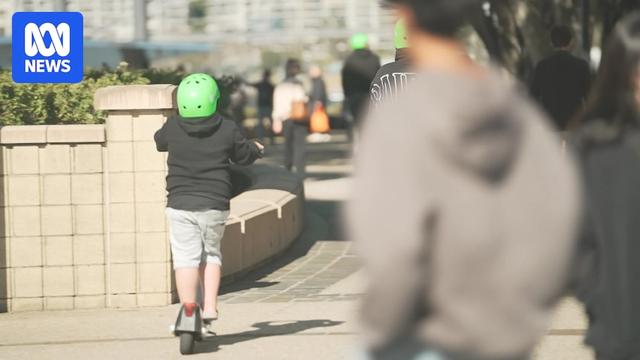

E-bike and e-scooter riders to require a licence in Qld under proposed laws

A raft of new rules around the use of e-mobility devices will be ushered in after the Queensland government accepted the recommendations from a parliamentary inquiry.

@Unixbigot Agree with most of what you've said.

On the "but the children" and 20km/h limit points:

My brother in law is a speech pathologist at a public rehab hospital, and 25% of their beds are consistently filled by e-bike riders.

2 years ago, it was 0%.

We don't have enough data on if accident rates have actually increased, or we just have more riders. Also pretty reasonable hypothesis: more bike riders mean we're seeing a clearer picture of how unsafe our road infrastructure actually is for cyclists. Either way, speed-at-time-of-accident is definitely a big factor in recovery outcomes.

Speed limiting will reduce severity of accidents, but it's just treating a symptom.

No politician wants to stick their neck out to spend money on cyclists, so limiting speeds is a great way to turn a systemic problem into a "personal responsibility" problem.

@auxesis the infrastructure is a huge factor in all of this. How did these people come to grief? I'm pretty certain they weren't riding a nice separated cycleway. Its a system problem and the only way you're going to 'fix' it by changing vehicle rules is by making them unpractical.
Speaking as someone who's been a very serious petrol head, motorcyclist and Engineer working with risk quantification.
@Unixbigot
@Niall @auxesis @Unixbigot it’s mostly other vehicles that bikes have to mix with that are the problem, and the speed those heavy vehicles can go (momentum). In Amsterdam they limited all vehicles to 30km/h recently, which is only 5 more than a standard e-bike. Mostly we have bike separation but there are “cars as guest” roads in the center where bikes rule by volume. E-bikes did cause a spike in head injuries/deaths particularly in older cyclists, and fatbikes for younger riders (illegal ones).
@Frantasaur @Niall @auxesis the city center is limited to 40 here. When I worked in the city in the Before Times, having a bicycle that could start off under motor power off uphill amid cars was great (not having to mess with pedals while trying not to die was a big win). At the time i felt that if i could maintain 40kmh that would have been safer than having cars zooming past at 15kmh relative.
@Unixbigot @Frantasaur @auxesis In London as a student I rode a vanilla bicycle (this was late 90s). Busses and bikes shared the bus lane. Same average speed I guess but the bikes held that speed while the busses did more than double between frequent stops. So one was always trying to pass the other. Nightmare.
Same city, riding a moped. These were limited to 30MPH, the same as the speed limit. But no one drove that slow so again, same problem. It is horrible being on a very unprotected vehicle unable to keep pace with traffic. Next, a small motorbike able to keep pace with traffic. Far far less stress and scary moments. Sure I could in theory have a much bigger self-inflicted accident but I was no longer at such grave danger from everybody else.
Vehicles sharing the same roads should be able to do the speed limit/ whatever speed the majority travel at.
@auxesis @Unixbigot The traditional wisdom is that cities with a higher percentage of people cycling are actually safer for cycling - and this is backed by data. E-bicycles might change things because cyclists no longer stay in their lane, so to speak.
@auxesis @Unixbigot Also e-bikes change the bike rider demographics from young and fit (or at least fit) and riding for years to everyone able to afford an e-bike.
Which, of course, is just another way of saying that traffic is hostile to and dangerous for bike riders, if you need to be young and fit and trained to survive.

@HolgerPieta @Unixbigot exactly.

When e-bikes first became available here in Australia his patients were entirely males under 30.

Now they look like a regular cross section of society.