 O=C=O
O=C=OSea levels around Africa are rising faster than the global average: What's behind this alarming trend
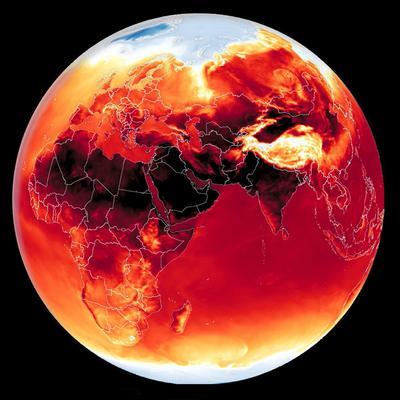
The western #IndianOcean and the tropical #Atlantic were already abnormally warm in 2023–2024, with sea surface temperatures well above their long-term averages. This created a higher baseline from which #ElNiño could push up temperatures, and therefore sea levels.
Unusual wind patterns suppressed the normal process of upwelling. This is when winds push surface water aside, allowing colder, nutrient-rich water from the deep ocean to rise to the surface. The result was that heat was trapped at the surface instead of being mixed downward and replaced by cooler water. The #ocean layers did not mix well.
The result was striking. Thermal expansion alone (warmer water) accounted for over 70% of the exceptional #SeaLevelRise during this event, reaching nearly 30mm across the #Africa'n marine domain. Ocean heat content
> QUADRUPELD
compared to the 2015–2016 El Niño.
https://phys.org/news/2026-03-sea-africa-faster-global-average.html

Sea levels around Africa are rising faster than the global average: What's behind this alarming trend
For over three decades, satellites orbiting Earth have measured the height of the ocean surface with remarkable precision. These measurements are crucial because changes in ocean height are one of the clearest indicators of how our planet is responding to climate change. Rising ocean surfaces signal warming temperatures, melting ice, and shifting ocean currents.