 Eugene

Huh, I bought a decent desk LED lamp with sturdy metal leg and a main plastic case (for LEDs) made from a good plastic — and it worked at near three or four months. After that it suddenly refused to power on, while connected to the good source of 5V (lamp has USB cable, which was connected to the good power source).
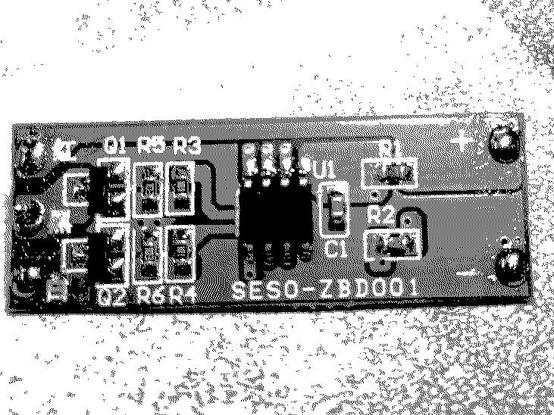
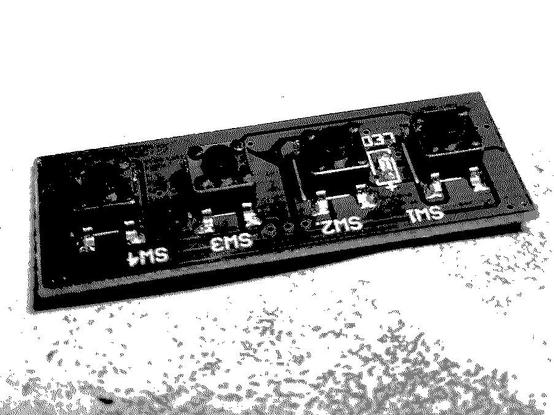
Disassembled "controller" (on wire) and found that resistor R1 burned, LED on the another side of PCB is dead, and capacitor C1 is short curciuted. Changed it to the new capacitor, but it still has zero Ohms  . So, looks like the unknown microchip U1 is dead, while it has 1 and 5 output short circuited. "Of course" unknown Chinese manufacturer carefully erased all the markings on the chip, lol.
So, this controller obviously is for trash bin. Fortunately, the main LEDs in the lamp are alive and possibly it could be fixed with a good power source or a good mono-colored LED line controller, which should know that 5V from USB — is not a reliable power source, so it could be sent directly to the inputs of microchip, lmao  . Any high-voltage interference came via the wire connected to the bad controller (like original controller on this lamp) — will kill anything on the PCB.
 EF
EF . I'm already found some suitable controllers, so the lamp definitely willn't become e-waste

 IrishMASMS