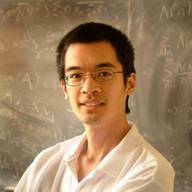
 Terence Tao
The current and projected impact of AI and formalization on the practice of mathematics is analogous to the impact that the automobile had on the evolution of cities.
Before the introduction of the automobile, city streets were narrow and optimized for humans, horses, and carriages. When cars, buses, and trams were introduced, they were undoubtedly faster and more powerful than any prior form of transport; but they would clog the roads and crowd out pedestrians.
Over time, new roads, railways, and freeways were built for the exclusive use of mechanized vehicles, enabling rapid and efficient long-distance travel; but this came at the cost of urban sprawl, the degradation or destruction of once-walkable communities, traffic congestion, and significant environmental impacts.
It was only belatedly realized that to resolve these problems, it was not sufficient to simply make automobiles faster, more powerful, or more energy efficient, or to bulldoze all the old roads and networks to make way for new ones. Thoughtful urban planning, as well as the development of social and legal rules on how to manage traffic, were necessary to allow both pedestrian and automotive transport to co-exist in a manner that retained the benefits of both. (1/5)
 zussini
 Light
Light