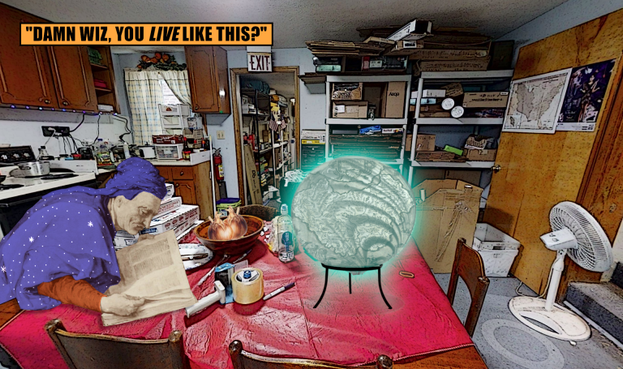
It's #worldbuilding week on brologue.net, and folks, I think I know my noinos on this topic.

...What? No, I didn't mistype. I know my noinos. Onions? Hardly knew 'em.

“The…” Fantasy, As Yet Untitled – Workshop #2: Worldbuilding

https://brologue.net/2026/03/20/worldbuilding-workshop/

Please ❤ 🔁 if you like what you read!

I’m going to start this post with a writing exercise that I sprung upon the students of my fantasy writing workshop (and to whom “you” will refer to from here on):

EXERCISE (20 mins): You’re a wizard. That cool and powerful enby you’ve been seeing for a while is coming round for a date in the evening. Your place is a right state (you prefer to call it an “organised mess”). In one of these rooms, you’re certain, is an object that contains the method and ingredients for an old cleaning spell from Wizarding 101.

So: where is this room? What’s the state of the mess, on a scale of “occult clutter” to “damn, wiz, you live like this?” Describe to me, in detail, the container where the spell is kept – be it a cabinet of curiosity, or a humble Tupperware box, warped from thaumic stress. Is there anything special or magical about the container that makes it more than what it seems? What other secondary and tertiary details will you use to help me visualise this room?

As your equal co-investigator of Knowledge, I am not allowed to skip my own exercises. Here’s what I came up with in twenty minutes:

𝙸 𝚔𝚎𝚎𝚙 𝚝𝚑𝚎 𝚘𝚛𝚋 𝚒𝚗 𝚖𝚢 𝚞𝚐𝚕𝚢 𝚍𝚛𝚊𝚠𝚎𝚛. 𝙸 𝚔𝚗𝚘𝚠 𝚢𝚘𝚞 𝚜𝚑𝚘𝚞𝚕𝚍𝚗'𝚝, 𝚋𝚞𝚝 𝚒𝚝'𝚜 𝚍𝚊𝚖𝚗 𝚗𝚎𝚊𝚛 𝚝𝚑𝚎 𝚜𝚊𝚏𝚎𝚜𝚝 𝚙𝚕𝚊𝚌𝚎 𝚒𝚗 𝚝𝚑𝚎 𝚑𝚘𝚞𝚜𝚎 𝚏𝚘𝚛 𝚒𝚝. 𝙰 𝚜𝚙𝚎𝚕𝚕 𝚕𝚒𝚔𝚎 𝚝𝚑𝚊𝚝 𝚐𝚎𝚝𝚜 𝚘𝚞𝚝, 𝚊𝚗𝚍 𝚒𝚏 𝙸'𝚖 𝚗𝚘𝚝 𝚌𝚊𝚛𝚎𝚏𝚞𝚕, 𝚒𝚝'𝚜 𝙱𝚎𝚊𝚞𝚝𝚢 𝚊𝚗𝚍 𝚝𝚑𝚎 𝙱𝚎𝚊𝚜𝚝 𝚖𝚒𝚗𝚞𝚜 𝚝𝚑𝚎 𝚜𝚘𝚞𝚕 𝚒𝚗 𝚑𝚎𝚛𝚎 - 𝚋𝚘𝚘𝚔𝚜 𝚊𝚗𝚍 𝚋𝚛𝚘𝚘𝚖𝚜 𝚊𝚗𝚍 𝚕𝚒𝚝𝚝𝚕𝚎 𝚝𝚎𝚊 𝚜𝚎𝚝𝚜 𝚌𝚞𝚝𝚝𝚒𝚗𝚐 𝚊𝚋𝚘𝚞𝚝, 𝚊𝚕𝚖𝚘𝚜𝚝 𝚊𝚜 𝚒𝚏 𝚝𝚑𝚎𝚢 𝚘𝚠𝚗 𝚝𝚑𝚎 𝚙𝚕𝚊𝚌𝚎.

𝙸 𝚌𝚊𝚗 𝚜𝚎𝚎 𝚒𝚝, 𝚊𝚌𝚛𝚘𝚜𝚜 𝚝𝚑𝚎 𝚛𝚘𝚘𝚖, 𝚋𝚞𝚝 𝚠𝚊𝚕𝚔𝚒𝚗𝚐 𝚊𝚌𝚛𝚘𝚜𝚜 𝚝𝚑𝚎 𝚔𝚒𝚝𝚌𝚑𝚎𝚗 𝚏𝚕𝚘𝚘𝚛 𝚒𝚜 𝚊 𝚝𝚛𝚒𝚊𝚕 𝚊𝚗𝚍 𝚊 𝚑𝚊𝚕𝚏. 𝙸 𝚍𝚊𝚛𝚎𝚗'𝚝 𝚜𝚝𝚎𝚙 𝚘𝚗 𝚝𝚑𝚎 𝚐𝚕𝚘𝚠𝚒𝚗𝚐 𝚛𝚞𝚗𝚎 𝚜𝚝𝚘𝚗𝚎𝚜 𝚜𝚝𝚛𝚎𝚠𝚗 𝚊𝚌𝚛𝚘𝚜𝚜 𝚝𝚑𝚎 𝚏𝚕𝚘𝚘𝚛. 𝙶𝚘𝚘𝚍 𝚝𝚑𝚒𝚗𝚔𝚒𝚗𝚐, 𝚖𝚎, 𝚋𝚞𝚢𝚒𝚗𝚐 𝚊 𝚜𝚝𝚘𝚗𝚎 𝚌𝚒𝚛𝚌𝚕𝚎 𝚘𝚏𝚏 𝚘𝚏 𝙼𝚊𝚐𝚎𝚋𝚊𝚢, 𝚊𝚗𝚍 𝚏𝚘𝚛𝚐𝚎𝚝𝚝𝚒𝚗𝚐 𝚝𝚑𝚊𝚝 𝚛𝚞𝚗𝚎 𝚜𝚝𝚘𝚗𝚎𝚜 𝚝𝚞𝚛𝚗 𝚜𝚙𝚒𝚌𝚢 𝚠𝚑𝚎𝚗 𝚢𝚘𝚞 𝚍𝚘𝚗'𝚝 𝚛𝚎-𝚎𝚗𝚌𝚑𝚊𝚗𝚝 𝚝𝚑𝚎𝚖. 𝚃𝚑𝚎𝚢'𝚛𝚎 𝚕𝚒𝚔𝚎 𝚕𝚒𝚝𝚑𝚒𝚞𝚖 𝚒𝚘𝚗 𝚋𝚊𝚝𝚝𝚎𝚛𝚒𝚎𝚜, 𝚘𝚗𝚕𝚢 𝚠𝚘𝚛𝚜𝚎, '𝚌𝚘𝚜 𝚊𝚝 𝚕𝚎𝚊𝚜𝚝 𝚊 𝚋𝚊𝚝𝚝𝚎𝚛𝚢 𝚏𝚒𝚛𝚎 𝚠𝚘𝚞𝚕𝚍 𝚋𝚞𝚛𝚗 𝚖𝚢 𝚑𝚘𝚞𝚜𝚎 𝚍𝚘𝚠𝚗. 𝚂𝚘 𝚝𝚑𝚎𝚢'𝚟𝚎 𝚋𝚎𝚌𝚘𝚖𝚎 𝚙𝚊𝚛𝚝 𝚘𝚏 𝚝𝚑𝚎 𝚏𝚞𝚛𝚗𝚒𝚝𝚞𝚛𝚎. 𝙾𝚛 𝚏𝚕𝚘𝚘𝚛.

𝚃𝚑𝚎𝚢 𝚜𝚙𝚊𝚛𝚔 𝚊𝚜 𝙸 𝚙𝚞𝚜𝚜𝚢𝚏𝚘𝚘𝚝 𝚛𝚘𝚞𝚗𝚍 𝚝𝚑𝚎𝚖, 𝚐𝚛𝚎𝚊𝚜𝚢 𝚕𝚒𝚝𝚝𝚕𝚎 𝚜𝚝𝚛𝚎𝚊𝚔𝚜 𝚘𝚏 𝚙𝚞𝚛𝚙𝚕𝚎 𝚕𝚒𝚐𝚑𝚝𝚗𝚒𝚗𝚐. 𝙸 𝚑𝚊𝚟𝚎 𝚊 𝚍𝚊𝚝𝚎 𝚝𝚘 𝚒𝚖𝚙𝚛𝚎𝚜𝚜, 𝚊𝚗𝚍 𝙸 𝚝𝚑𝚒𝚗𝚔 𝚝𝚑𝚎 𝚜𝚙𝚊𝚛𝚔𝚜 𝚜𝚞𝚛𝚎𝚕𝚢 𝚔𝚗𝚘𝚠 𝚝𝚑𝚊𝚝 𝚕𝚘𝚟𝚎 𝚒𝚜 𝚝𝚑𝚎 𝚐𝚛𝚎𝚊𝚝𝚎𝚜𝚝 𝚞𝚗𝚜𝚝𝚘𝚙𝚙𝚊𝚋𝚕𝚎 𝚏𝚘𝚛𝚌𝚎 𝚔𝚗𝚘𝚠𝚗 𝚝𝚘 𝚖𝚊𝚗 𝚊𝚗𝚍 𝚋𝚎𝚊𝚜𝚝. 𝚃𝚑𝚎 𝚞𝚐𝚕𝚢 𝚍𝚛𝚊𝚠𝚎𝚛 𝚑𝚊𝚜 𝚋𝚎𝚎𝚗 𝚛𝚎𝚊𝚌𝚑𝚎𝚍...

...𝙶𝚛𝚎𝚊𝚝. 𝙵𝚞𝚌𝚔𝚒𝚗𝚐 𝙶𝚁𝙴𝙰𝚃. 𝚃𝚑𝚎 𝚘𝚛𝚋'𝚜 𝚕𝚎𝚊𝚔𝚎𝚍! 𝙸 𝚖𝚎𝚊𝚗, 𝙸 𝚌𝚊𝚗 𝚞𝚗𝚕𝚎𝚊𝚔 𝚒𝚝, 𝚒𝚝'𝚜 𝚗𝚘𝚝 𝚕𝚒𝚔𝚎 𝚝𝚘𝚘𝚝𝚑𝚙𝚊𝚜𝚝𝚎 𝚌𝚘𝚖𝚒𝚗𝚐 𝚘𝚞𝚝 𝚊 𝚝𝚞𝚋𝚎, 𝚋𝚞𝚝 𝚒𝚝'𝚜 𝚓𝚞𝚜𝚝 𝚊 𝚙𝚊𝚒𝚗 𝚒𝚗 𝚝𝚑𝚎 𝚊𝚛𝚜𝚎. 𝙿𝚕𝚞𝚜, 𝚝𝚑𝚎 𝚌𝚘𝚗𝚌𝚎𝚗𝚝𝚛𝚊𝚝𝚎𝚍 𝚒𝚌𝚑𝚘𝚛 𝚒𝚗𝚜𝚒𝚍𝚎 𝚖𝚊𝚔𝚎𝚜 𝚝𝚑𝚎 𝚑𝚊𝚗𝚍𝚜 𝚊𝚕𝚕 𝚌𝚑𝚊𝚕𝚔𝚢 𝚊𝚗𝚍 𝚒𝚝𝚜--𝚎𝚞𝚛𝚐𝚑.

𝚃𝚊𝚛𝚘𝚝 𝚌𝚊𝚛𝚍𝚜 𝚊𝚛𝚎 𝚋𝚞𝚐𝚐𝚎𝚛𝚎𝚍, 𝚝𝚘𝚘. 𝙶𝚞𝚎𝚜𝚜 𝙸 𝚠𝚘𝚗'𝚝 𝚋𝚎 𝚞𝚜𝚒𝚗𝚐 𝚅𝚊𝚐𝚐𝚊𝚛𝚍'𝚜 𝙲𝚑𝚊𝚛𝚖𝚎𝚛 𝚝𝚘𝚗𝚒𝚐𝚑𝚝. 𝙵𝚒𝚗𝚎. 𝙸 𝚍𝚘𝚗'𝚝 𝚗𝚎𝚎𝚍 𝚖𝚢 𝚠𝚒𝚣𝚊𝚛𝚍𝚕𝚢 𝚌𝚑𝚊𝚛𝚖𝚜 𝚝𝚘 𝚋𝚎 𝚙𝚛𝚘𝚙𝚙𝚎𝚍 𝚞𝚙 𝚋𝚢 𝚊𝚛𝚌𝚊𝚗𝚎 𝚛𝚒𝚝𝚞𝚊𝚕 𝚊𝚗𝚍 𝚕𝚒𝚝𝚝𝚕𝚎 𝚍𝚎𝚖𝚘𝚗𝚜 𝚒𝚗 𝚖𝚢 𝚎𝚊𝚛 𝚊𝚗𝚍 𝚠𝚑𝚊𝚝𝚗𝚘𝚝. (𝚃𝚑𝚎𝚢 𝚍𝚘 𝚑𝚎𝚕𝚙 𝚠𝚒𝚝𝚑 𝚝𝚑𝚎 𝚌𝚕𝚎𝚊𝚗𝚒𝚗𝚐).
…Why did we torture ourselves with this? Well, firstly, writing against the clock forces you to write in creative mode only. Writers are always tempted to fritter their time with small edits, labouring over word choice, grammar, etc.. The one thing that reading fiction won’t teach you is that first drafts are messy. It is OK that they are messy. As long as you’ve made your point, the words don’t matter much – there will always be time in the future for an editing. But if you want your manuscript to reach a point where it can be edited, you have to keep your brain in that creative mode, and get the words out.

Second, and far more important to our topic, what we’ve done here is committed to an act of worldbuilding. It might not feel like it, at a glance, but when we decide what is in our wizard’s mess, we’re giving readers telling details for the world writ large. These are to worldbuilding what clues are to the crime writer.

I haven’t scaled many mountains. I’ve cut through a couple of zigzagging glens, in a car, but nary a rolling moor nor pasture green. But I have been in many homes, and so have you. If we must start our worldbuilding somewhere, there are worse places to go*.

The worldbuilding is coming from inside the house.

FACT: No place in fiction can exist independent of an observer. You just can’t make ’em like that. There’s always this mass of connective tissue called ‘the narrator,’ hooking us into the sights, sounds, and smells of a place. No matter how direct, how matter-of-fact, and unbiased the narrator’s description of a scene might be, there will always be someone noticing something. This applies even when someone’s describing a time before sapient observers. For instance, Rachel B. Glaser’s short story, “Pee on Water:”

https://www.vice.com/en/article/friday-tyrant-pee-on-water/

> Earth is round and open, whole and beating in its early years. The stars are in a bright smear against the blackboard. A breath pulled so gradual the breath forgets. Winds run back and forth. Clouds idly shift their shapes. Stubborn ice blocks will not be niced down by the fat sun. Melted tears run, then freeze. Tiny cells slide into tiny cells. The wind learns to whistle.

It’s true that Glaser chose these telling details to telepathically beam into our brains, but until we know the Earth is round and open, the wind will not learn to whistle.

Friday Tyrant – Pee on Water

Just tore over this story for like the 20th time since I first came across it for an issue of New York Tyrant. The issue was called Lady Tyrant and it was all stories written by women.

VICE

Us fantasy writers, we build worlds, and readers reconstruct those worlds in their heads, word by word. We’re not required to start at the very, very beginning of the Universe. #TerryPratchett's Jingo starts with:

> It was a moonless night, which was good for the purposes of Solid Jackson.
> He fished for Curious Squid, so called because, as well as being squid, they were curious. Which is to say, their curiosity was the curious thing about them.

Neither are we required to labour over every creature’s evolutionary history, every human discovery, every war, etc, etc. We do not need to explain a villain’s entire backstory at the constant rate of cutting toenails before treating the reader to his speech about… what was it again? World domination?

Between tell-all and tell-nothing, we need what Angela Naimou called “telling details:”

> [Details] otherwise deemed insignificant but for their ability to make some bigger subject memorable.
- "Short Fiction, Flash Fiction, Microfiction"

Depending on the project, our word budget might be economy-class. Everyone wants to be worldsmiths like Brandon Sanderson or George R. R. Martin, writing great whopping worlds of epic scale. But lest we forget, Martin started out in the 1970s selling short stories; watch any of Sanderson’s writing lectures, and you’d be wise to take note of the things he’s telling you not to do*.

Can you tell a short fantasy story without it becoming a crash course on how the world works? Say, 3000 words or less? I think you can, if you make use of a similar (but not identical) technique to telling details – “#incluing:”

https://web.archive.org/web/20111119145140/http:/papersky.livejournal.com/324603.html

> [T]he process of scattering information seamlessly through the text, as opposed to stopping the story to impart the information.

Thud: Half a Crown & Incluing

Words: 1580 Total words: 30671 Files: 4 Tea: Soleil du Pacific Music: Bach's Orchestral Suites 1&2 RSI: Not so bad Reason for stopping: End of chapter 10! Which when you think how long chapter 9 took, is quite impressive! . This is totally a word I made up when I was fifteen, but other people …

(There aren’t any hard “don’t”s in writing fiction. Only things that are merely hard to do *right.*)