 aeva
aevawe have defined behavior at home
 Fabian Giesen
@aeva back when I was your age, compilers didn't define behavior. just vibes
@aeva see people like Tom Duff invented Duff's Device and then a bunch of neckbeards convened and asked themselves "is this something a C compiler would allow" and decided YES and that is how things worked back then
@rygorous as a straw anarchist I believe well defined behavior is inherently authoritarian and should also be abolished
@aeva along the same lines I will argue back that defined behavior is ultimately at best a stochastic guarantee anyhow because every machine behaves incorrectly on a regular basis
@aeva programmer, clutching their pearls: "but my invariants!"
overclocked machine with bad memory: "haha bits go brrrr"
@aeva I have had this debate about things like 128-bit hash collisions etc. sometimes (so, by birthday paradox, ballpark 2^(-64) chance of that happening randomly).
If you have to worry about adversarial action, absolutely valid concern.
But if you worry about it happening randomly, then just, nah, there's so many sources of potential failures at much higher likelihood that the p=2^(-64) random failures, if not induced on purpose, are simply not worth worrying about
@aeva Ballpark comparison: annual odds of being struck by lightning in the US are around 2^(-20).
I realize this opens me up to a "Lightning Roy who spent his life outside and kept getting hit by lightning [1] was an outlier and should not have been counted" line of argument but still

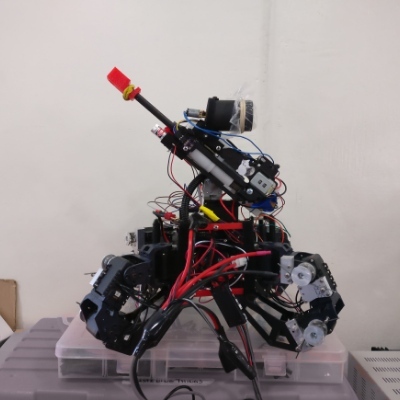 Very Human Robot
 ◄◄ ► █ ►►
@StompyRobot @rygorous Read a compelling article on lightning strike survivors the other day: https://www.theatlantic.com/magazine/2026/04/lightning-strike-survivors-body-mind/686057/ which had a theory in it that multiple strike victims may sometimes be exhibiting PTSD symptoms & attributing to repeat strikes. Interesting idea.