 CoinOfNote
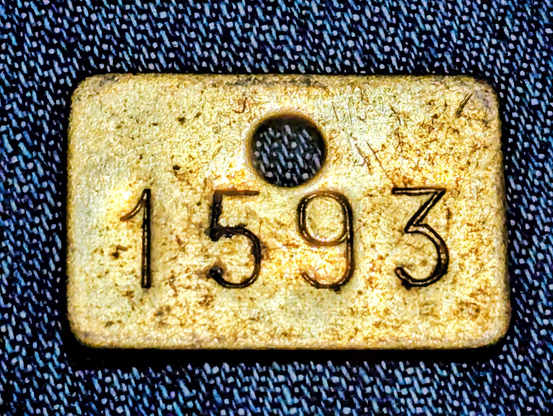
Here is a great example of the need to record those little bits of history we come across. This check is uniface, brass, rectangular with a hole and the number 1593 stamped into it. There is no way to know where it came from or what it was used for. It's meaning would be lost to history.
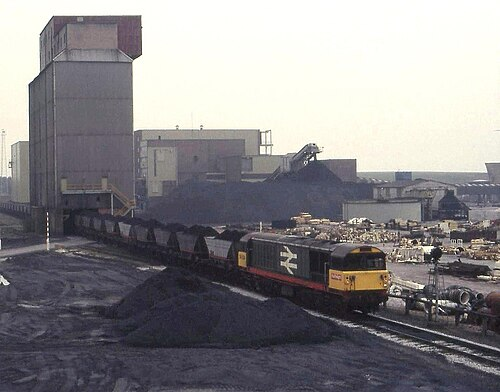
Except, because this piece came from the estate of a worker there, I know that it came from the Bevercotes colliery in Nottinghamshire, UK, which was the first fully automated mine: https://en.wikipedia.org/wiki/Bevercotes_Colliery
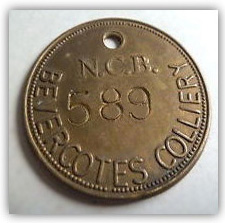
My understanding is the more common round checks with the colliery name were the worker's pay checks, and these ones were lamp checks, which would be placed near or on lamps, or taken from lamps, so miners would know when & if the lamps had been checked.
(Rectangle check is mine, the round one is from http://www.healeyhero.co.uk/rescue/individual/Bob_Bradley/Bk-6/B6-1993-P24.html and the colliery image is from Wikipedia)
#Numismatics #CoinCollecting #token #check #Industry #Coal #CoalMining #History #Histodons @numismatics @histodons
 Aaron Brick — אהרן בריק