next upcoming problem. when #iran starts targeting upstream production the supply shortage could be prolonged MUCH, MUCH further.

oil wells are not a thing you can just "rebuild".
https://www.rigzone.com/news/wire/uae_gas_field_ablaze_as_trump_pushes_for_help_on_hormuz-17-mar-2026-183221-article/

#energy #oil #energycrisis

UAE Gas Field Ablaze as Trump Pushes for Help on Hormuz

Iran set a massive natural gas field in the UAE ablaze as it steps up attacks on key energy sites, while US President Donald Trump appealed to allies and the likes of China to help reopen the Strait of Hormuz.

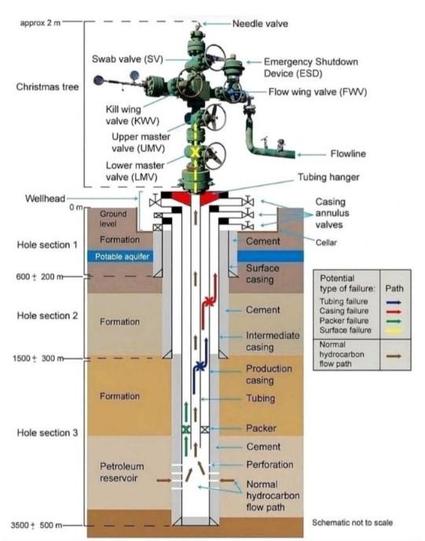
#oil wells, or any well are structurally very special. it is in fact an open system, unlike a tank or a pipeline, which you can shut in from both ends. with an oil well you can only do that under specific circumstances because pressurized fluids are always pushing up, expanding while they go up. when the wellhead is damaged this control of flow can be lost completely. it is then spewing fuel uncontrollably which will most likely ignite.

once that happened the only way to shut it back in is to pump heavy fluid down that outweighs the upcoming oil and gas. once it has been brought back under control, depending on how bad it has been damaged they might have to replace ALL the surface equipment. it is an entire ordeal that does not happen overnight.

#oil

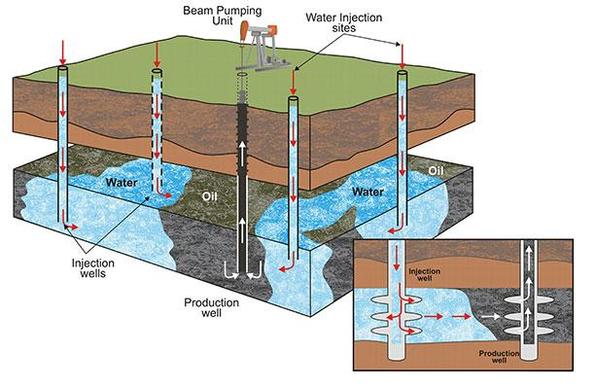
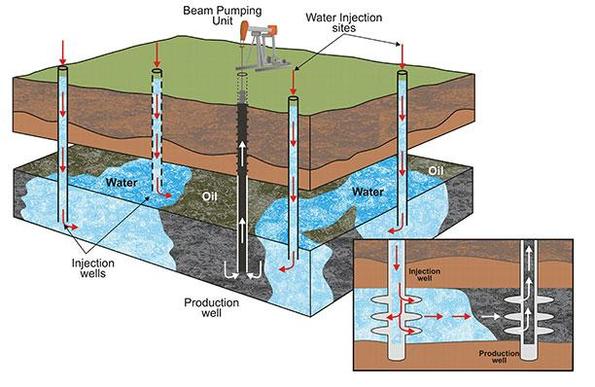
and there is another issue with these #oil wells in the middle east. they use an oil recovery method called water flooding, where they pump water underground in order to push the oil towards the well, if you will, as the fluids underground always move from high to low pressure zones. when you shut in this process that artificially created flow regime comes to a halt.

#iran #energy #energycrisis

now when that has been shut in for a whole while water and #oil will settle at different places underground and you might just have caused the water underground to flow to the well faster than the oil, so you just produce water for a whole while, once you turn it back on.

#iran #energy #energycrisis

⬆️ i hope i explained this problem halfway correctly @davevolek

@kali

I took a quick look. Several things do not seem right to me. 1) Wellheads are designed to handle the higher pressures of being shut in 2) water/oil do not move in banks within the reservoir, 3) water flooding usually uses produced waters from the reservoir, 4) pumpjacks are less common in the Mideast.

@davevolek 1) i am talking about them being kuwaited, which iran seems to do right now in UAE according to rigzone 😬
@davevolek rest: yeah couldn't find a good illustration quickly.

@kali

That illustration really sucks.

Look up the term "relative permeability" to understand how oil/water/gas mixture flow through the reservoir.

@davevolek man this is a lot to take in. after reading into it i think i just trust ME reservoir engineers to get it right, lol. still my understanding is it will take a while for production to be fully restored to previous levels.

@kali

Here's a general axiom you can use: The slower a reservoir is allowed to produce oil/gas, the more oil/gas it will eventually produce.

In other words, going too fast can wreck the reservoir. Reservoir engineers are trying to find the right balance.

Shutting in wells actually allows the reservoir to recharge itself. Production rates are usually higher after a shutin.

It is a common practice to shut in oilfields when prices are low.

@davevolek this stuff is so substantially different than what most people have in mind when thinking of extracting resources. they think of it as an exactly determined pile of stuff somewhere you can just run through.

@kali

Yep. There is a big misconception out there about the petroleum industry. Many believe the oil company drills a well for $500,000 and it will automatically earn $5,000,000 in profits.

Everything in the petroleum industry is done with a business calculation to it. No profit = no investment.