If the original Mac had used icons in menus from the start, nobody in their right mind would be calling for their removal today.

That's how you know that argument doesn't reflect reality. All major platforms now have icons in menus; you can't wind back the clock on that one, you're just obstinately refusing to follow the system standards and user expectation.

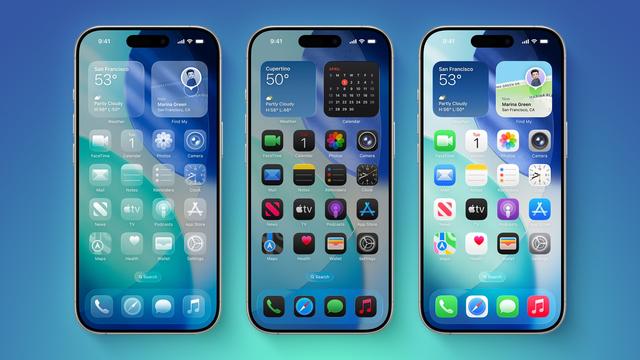
So much ink and many podcast hours have been wasted discussing the wrong parts of the issues with Liquid Glass on the Mac

@stroughtonsmith It's one of the *many* issues with the design trends.

Icons become pure visual noise. And they are wildly inconsistent between apps even in the same app suite by the same company. And you can't always find a good icon metaphor to fit into a 16x16 box.

It's not just an Apple issue. It's the industry issue

@dmitriid @stroughtonsmith not to mention when different developers use different icons for similarly/same menu items across apps. Or how you can’t even make out what they are on non-retina displays.

(Almost all offices don’t offer their employees Studio Displays).

@marioguzman @dmitriid none of this is an excuse not to do them, though — all of these things are bugs that they've chosen to ship, not an existential flaw. We need more highly-specific icons. We need more standardized icons. We need better lowdpi support.

The answer as to why now? Because iOS already does it, and macOS is aligning with iOS, as it has been for decades. macOS is aligning with iOS because users expect it, developers are building for it, and it ties into touchscreen support

@stroughtonsmith @marioguzman @dmitriid

Strong NO.

macOS is different for very good reasons, and all tries to merge them, both in function and design, have failed spectacularly, as we have seen with "Broken Glass" and the countless new bugs in the unified "UIKit" on macOS.

I want people at Apple who understand that difference, and don't force miserably failed UI ideas from iOS to the Mac.

@cdfinder @marioguzman @dmitriid failed how? The Mac *has never been more successful*, and its developer platform has never been more successful. Nobody making decisions at Apple is looking at any of this as a failure. They might add some conciliatory nods for the angry Mac folk in future updates, but the motion vector for the platform remains the same

@stroughtonsmith @marioguzman @dmitriid

You should really talk to some Mac users and what they think about "Broken Glass" and the amount of bugs creeping up. Doing support for my Mac applications, I have yet to find a single user liking the new interface style, and the constant crashes in macOS...

@cdfinder @stroughtonsmith @dmitriid I think what Steve is saying is that none of this matters to Apple because they're just seeing the most users on iOS, iPadOS, and macOS than ever -- so that is how they measure success -- unfortunately not the amount of bugs or degradation they've been churning out in recent years. As long as they keep making more and more money, they're happy.
@marioguzman @cdfinder @dmitriid bugs are bugs, though — they clearly see the need to take a year out to fix bugs, hence talk of a 'Snow Leopard' year this year. That's great! There's a lot of stuff to fix, and hopefully they get to it. But I don't expect any of that to reverse the direction of travel. They'll fix Liquid Glass with more Liquid Glass

@stroughtonsmith @marioguzman @cdfinder

Apple's new software design chief, Steve Lemay, was "a driving force" behind Liquid Glass and was "deeply involved in its development."

https://www.macrumors.com/2026/03/15/ios-27-macos-27-no-major-liquid-glass-changes/

No Major Changes to Liquid Glass Expected Across iOS 27 and macOS 27

Apple's new Liquid Glass interface introduced across iOS 26, macOS Tahoe, and its other latest software platforms is apparently here to stay. ...

MacRumors