"Sustaining the (volunteer) human infrastructure of Open Science involves more than just identifying new funding streams. We also need to think about how to sustain the workers and communities themselves.

Volunteer labour, such as that involved in rescuing data in times of crisis, can be rewarding but also emotionally draining and full of uncertainties, demanding considered mechanisms for community support."

https://www.leidenmadtrics.nl/articles/resilience-in-times-of-crisis-strengthening-open-science-against-geopolitical-pressures

#RDAPlenary26 #openscience

Resilience in Times of Crisis: Strengthening Open Science Against Geopolitical Pressures

How can open science be resilient in the face of geopolitical pressures? Drawing on findings from a recent workshop, we suggest four discussion points that need further consideration as funding agencies, policymakers, and institutions work towards resilience.

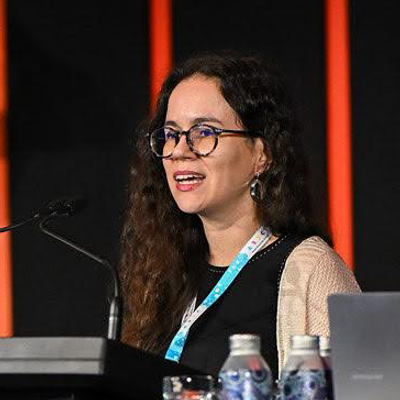
Important perspective from 'Strengthening Open Science Against Geopolitical Pressures' Plenary Session at the RDA 26th Plenary Meeting (VP26).

Also relevant:
Resilience in Times of Crisis: Strengthening Open Science Against Geopolitical Pressures. Recommendations to the Netherlands National Commission for UNESCO
https://zenodo.org/records/18611624

Resilience in Times of Crisis: Strengthening Open Science Against Geopolitical Pressures. Recommendations to the Netherlands National Commission for UNESCO

This Recommendation summarises the findings from the recent workshop “Resilience in Times of Crisis: Strengthening Open Science Against Geopolitical Pressures”. These findings broadly outline areas of action to strengthen the UNESCO Recommendation on Open Science. As representatives from the Dutch and international research community, we request that the Netherlands National Commission for UNESCO support the findings and amplify the call for action within the broader UNESCO community.

Zenodo