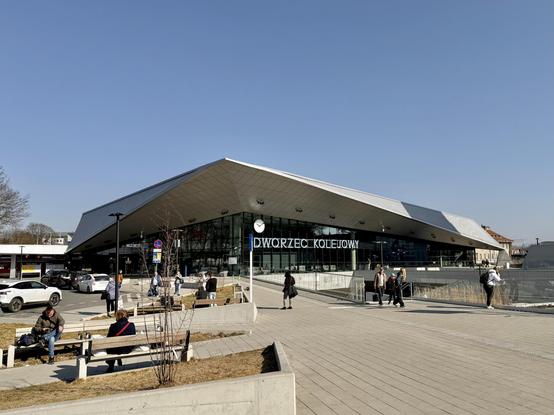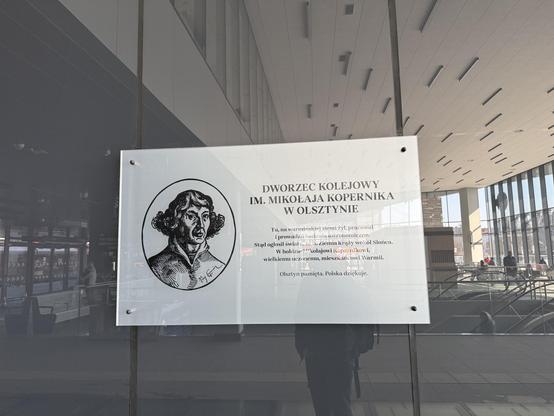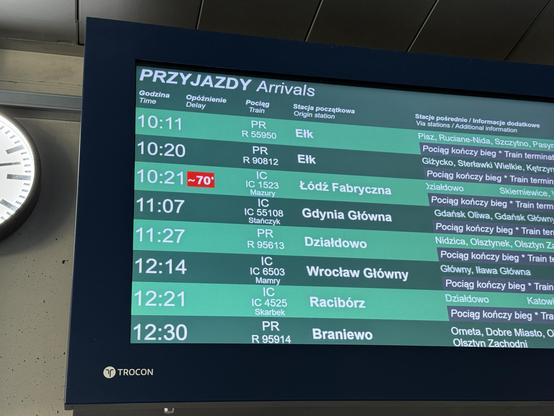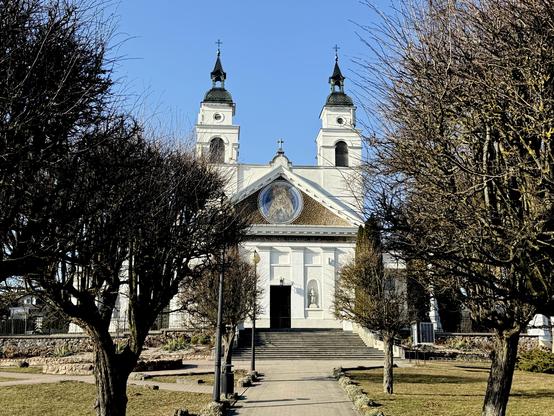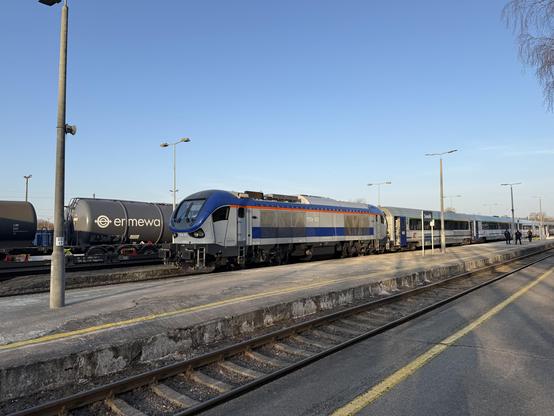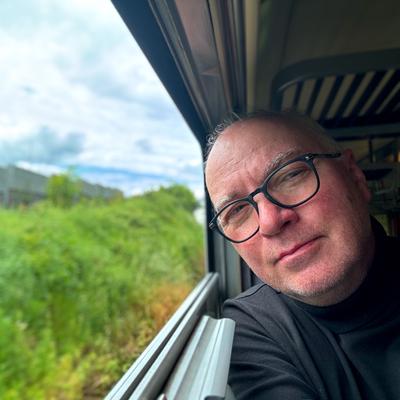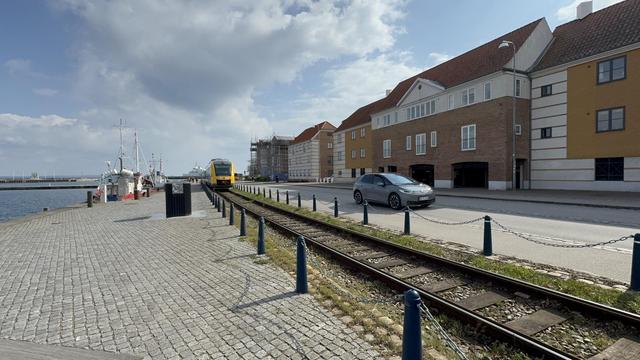
Quick transfer in Olsztyn where they have a shiny new (if a bit sterile) station building.
The aforementioned Copernicus worked as an administrator here, so they named the new station for him.
My impression of PKP Intercity is that either everything is fine or a complete disaster with little in between.
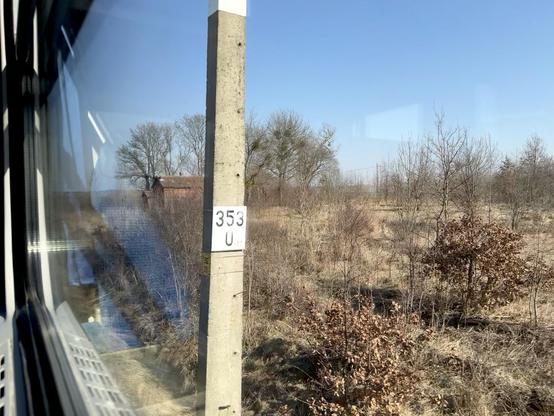
Kilometre 353 on line 353.
Korsze. It’s a mere twenty kilometres up line 353 to the Russian border and onwards to Chernyakhovsk, which should be called Wystruć or Įsrutis, from where, in a better world I could continue to Klaipėda. Instead we turn southeast towards Ełk and Białystok along a newly renovated line that The Map still shows as not having passenger service. Some corrections are, apparently, required.

That was a fun journey. Until about Ełk the landscape is unexpectedly varied – very hilly with forests and many little and one big lake and things. After that it calms down substantially and becomes more flat and open.

I definitely can recommend going to Białystok this way.

I believe the centre of Białystok is fifteen minutes that way, but the map is inconclusive whether there really is one.

Let’s try something else instead. There is a local service heading northeast departing pretty much right now.
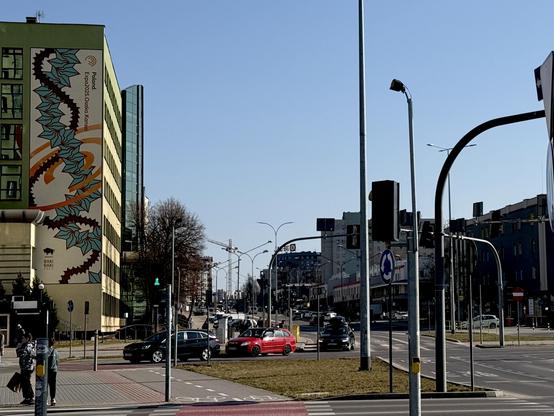
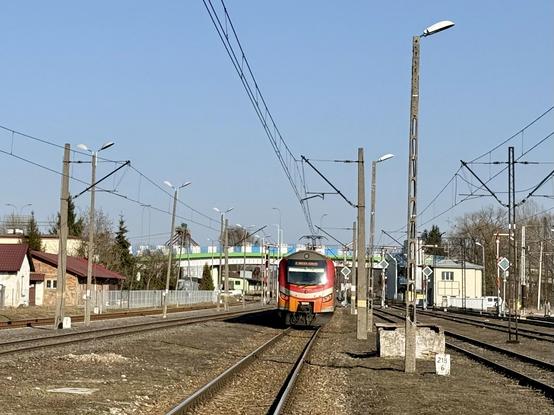
This train has Wifi but no suspension.
Sokółka. The train continues to Kuźnica Białostocka right by the Belorussian border. I would have time to go there and come back for my actual train, but I am not sure how relaxed Polish officials are these days. Better to spend an hour here.
The line continues straight to Vilnius as part of the old Petersburg Warsaw Railway, but as it has to cut through a corner of Belarus to achieve this, we have to do a detour to what is known as the Suwałki Gap, a 65 km stretch of border between Poland and Lithuania a bit to the west, named after the town of Suwałki where incidentally my next train ought to run to.
Definitely east now.

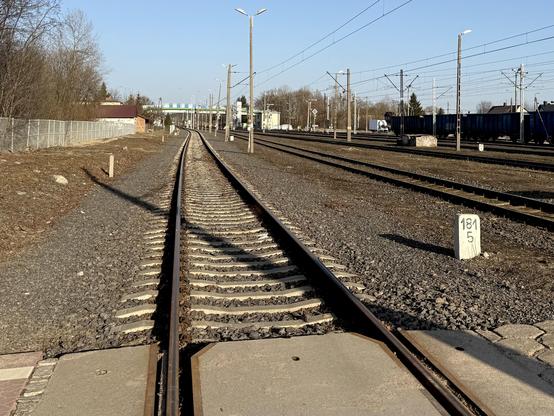
Is this a broad gauge track? This should be a broad gauge track. Does someone have a tape measure?

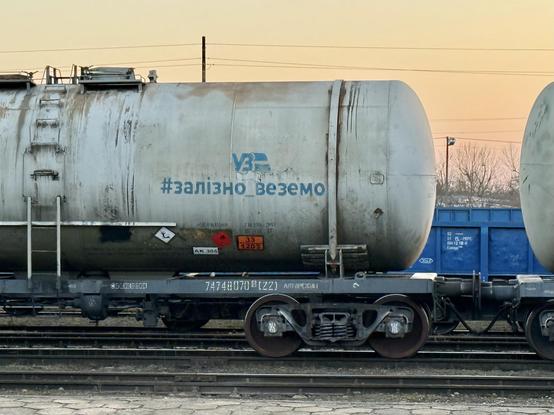
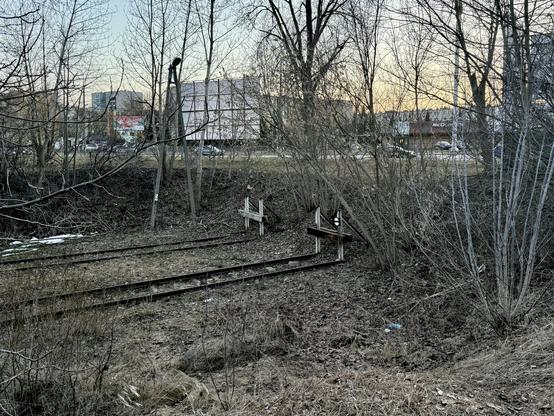
(There is a broad gauge line parallel to the standard gauge line to about 25 kilometres from the border with various transshipment facilities along the way. Revitalised in 2014, is there even any traffic now?)
I think the Polregio guard just now claimed that Interrail is only valid on the Intercity but then let me stay without further discussion because language barrier.

Although after ninety minutes on this thing I might wish to have waited for the Intercity.
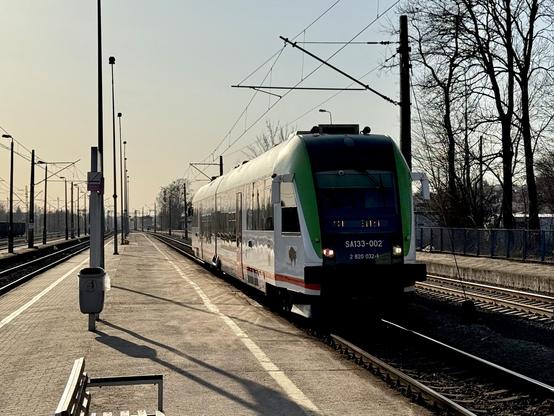
Suwałki, end of the line. For today, anyway.

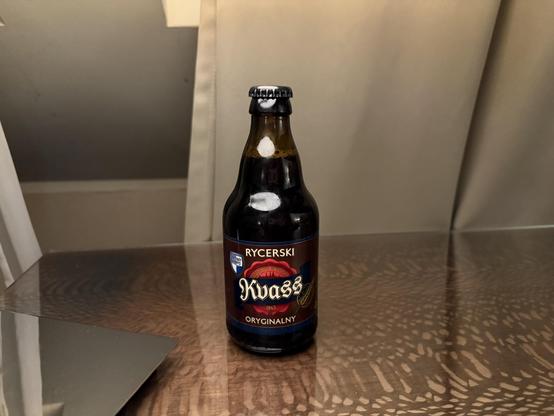
Is this the stuff? It was the only bottle I could find in the somewhat disappointing (and certainly missplaced) Carrefour.

(Edit to add: If so, I get the hype.)
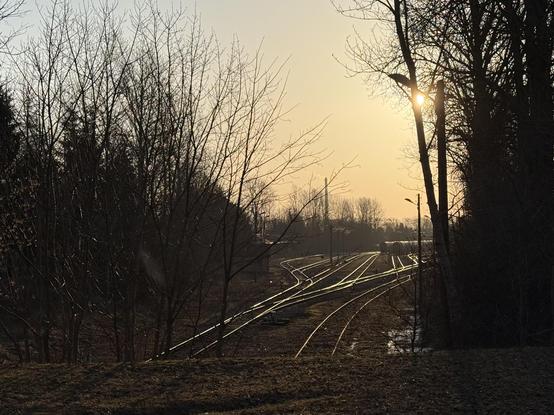
Start of the line on a new day.

You know you are way east in a time zone when the sun is well up already at half six.
The morning train to Mockava, just past the border about a half hour away. It starts here in Suwałki at 07:00 and subsequently has barely more passengers than staff. My assumption is that it only exists so train and crew don’t have to overnight in Lithuania. Kudos to PKP Intercity for not running it empty.

Mockava station. It clearly was never built as a border station and the village of Mockava is five kilometres away. But this is how far south the broad gauge network reaches, so we – all three of us – have to change.

In theory, standard gauge continues all the way to Kaunas but the Polish trains aren’t certified and I think signalling is missing or something.
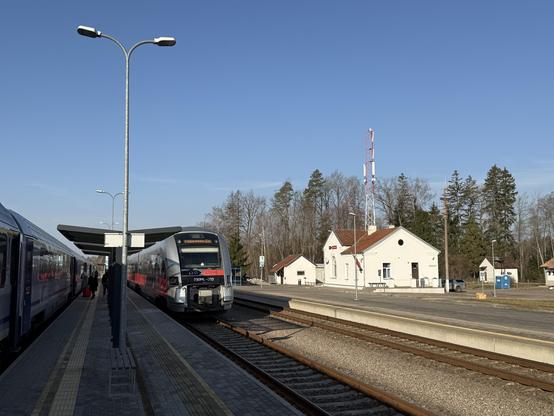
Passenger service between Suwałki and Mockava and onward to Vilnius and Warsaw – Krakow was only re-established in December 2022. It proved successful beyond expectations, so since last December there are now three daily connections.

Reportedly, the trains can indeed get quite busy, so I figured taking the morning connection that requires an overnight stay in Suwałki would be the calmer option. And indeed, so far the train is neatly quiet. Let’s see whether that changes in Kaunas.

Having found out that if you run trains people actually will use them, Lithuanian Railways started a Vilnius to Riga service in December 2023 – there previously had been a gap at the Lithuania/Latvia border.

That service became very popular, too, so last year they extended the service to the Estonian border and coordinated an onwards connection with the Estonians.

And, lo and behold, early this year they had to add another through service between Riga and Tallinn plus one more transfer connection Fridays to Sundays to cope with demand.
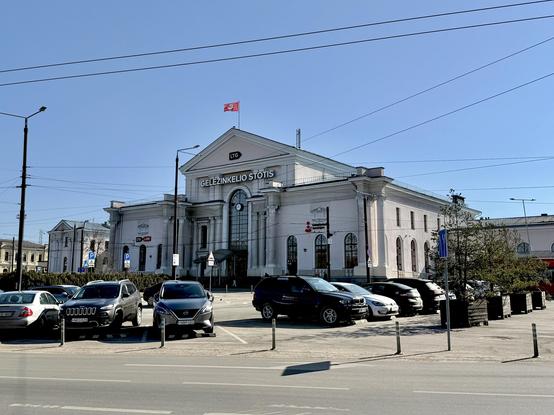
Vilnius. The railway has kindly thrown in access to the lounge, but I only have half an hour and that’s not enough time to see even this modest station.

I didn’t quite pay attention when booking, so I was to take this knackered old elephant from Vilnius to Kaišiadorys where I am now to wait for the train from …Vilnius. I think they sold this to me because first class was already sold out on that second train. Also, we passed through here on the way up already but didn’t stop.

Anyway, I didn’t do this on purpose. Honest.
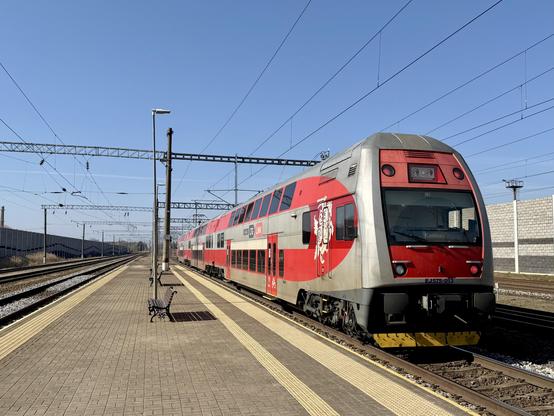
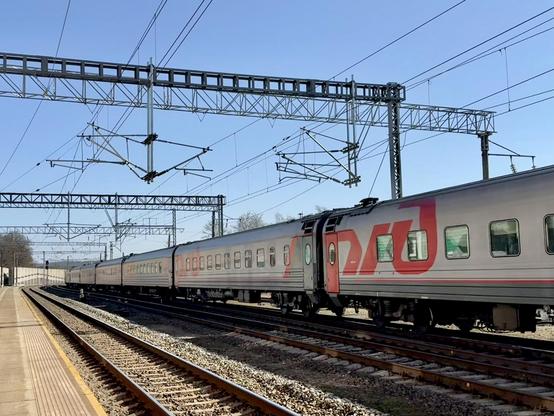
I have fifty minutes and could have walked into town – they have a pretty church, apparently – but I had a hunch I might see this: train 080Ч, Kaliningrad – St. Petersburg on its transit through Lithuania.

Sadly the sun is all wrong and there are noise barriers on the other side of the tracks, so these shady snapshots will have to do.
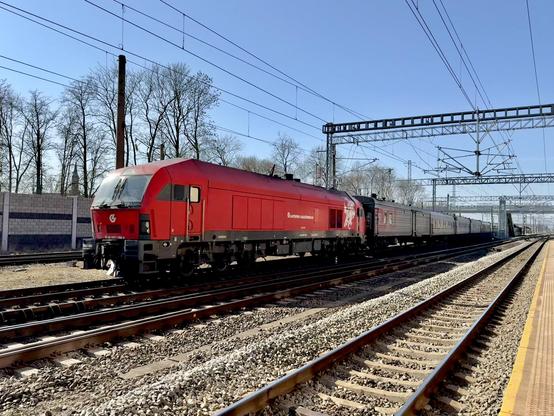
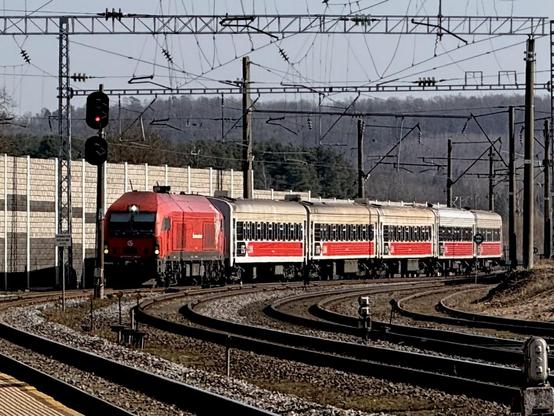
Oh good: The four hour trip to Klaipėda isn’t on a Pesa regional train set.

They weren’t joking when they claimed it was sold out, though. Pretty much every seat is taken. For me they only had a backwards facing aisle seat left. Ah well. At least they replaced the Soviet seats with something quite comfy here in second class. (There also is third.)
My window seat neighbour left after three hours. Let’s hope nobody new shows up for the last hour.
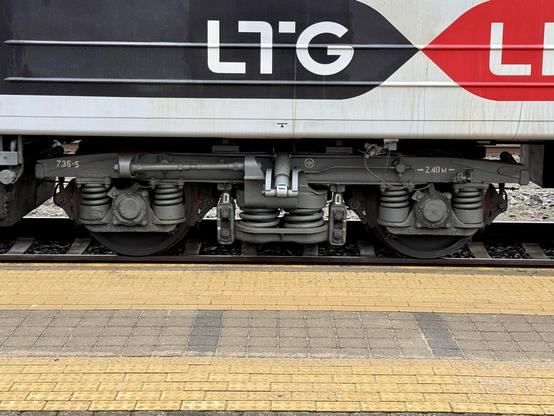
The ride quality is quite good, given the all steel bogies, particularly compared to the Polish carriages. I think these are Görlitz VI bogies? So are these Ammendorf carriages, then?

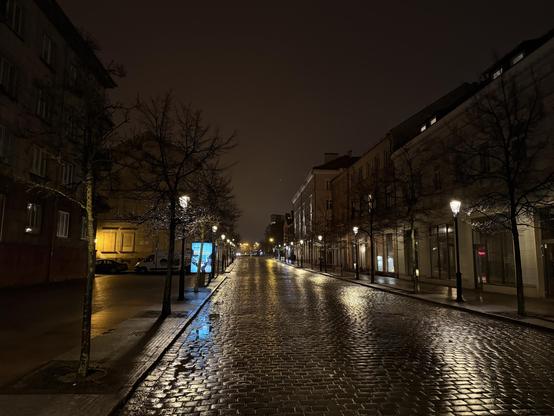
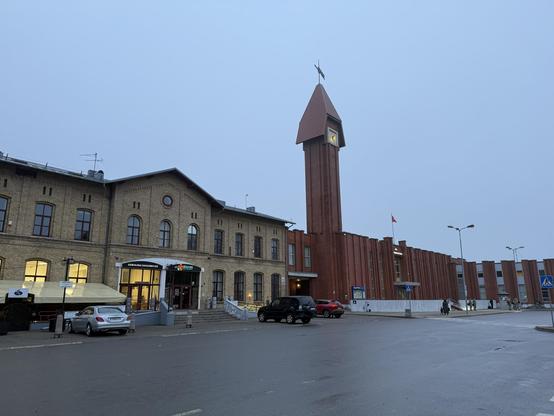
Klaipėda, where the weather is definitely more late winter.

Now I have to just ge… hang on.

“Due to late arrival, your ferry departs on 16/03 at 03:00hrs.”

That was supposed to be midnight. This is going to be a long evening.

Pub?
This neatly solves the question of how far I can safely make it tomorrow. Arrival is now expected 5½ hours late at half past six. So, Karlshamn is the answer and a bonus sea day it is.
Last status of the ship on Marine Traffic is from two hours ago. Should I be worried?
Alright, the port is ninety minutes down that way. Let’s find out if walking there is a good idea.
Here we are. The man at check-in thinks we might be boarding around 1:30. I think this is way too optimistic and recon more like 2:30 if things go smoothly. We’ll see.
How about that: The shuttle bus is departing at 2:30 exactly.

Sea days are great.

Slept until breakfast, which started at ten due to the late departure (I think we left 5:30). Then slept some more. At two I thought I should probably get up and walk around a bit. Decided against it and slept until half past three. Now some coffee. Probably will have a nap after.
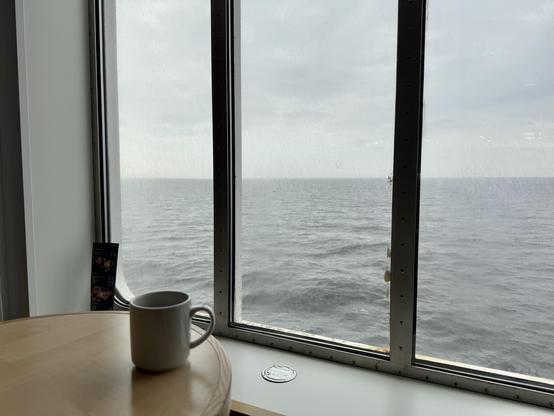
This ship, M/V Nils Dacke (the third ship of this name), definitely isn’t a fancy cruise ferry. The communal area is very small. Buffet restaurant and tiny duty free shop are grouped around the reception desk with a bunch of seats around. That’s it. Cabins are quite spacious, though. Thirty years old and you can see it.

An honest work horse. Love it.
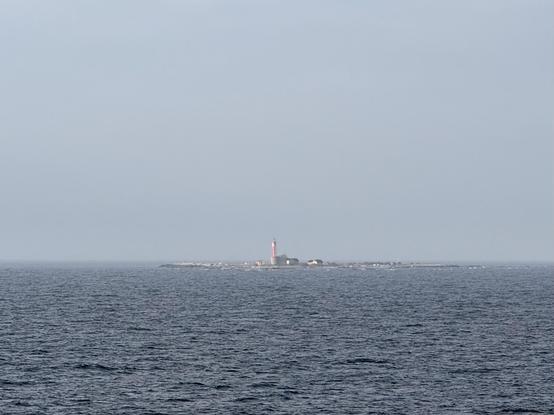
Progress: I think this is Utklippan lighthouse about ten miles off the Swedish coast near Karlskrona.
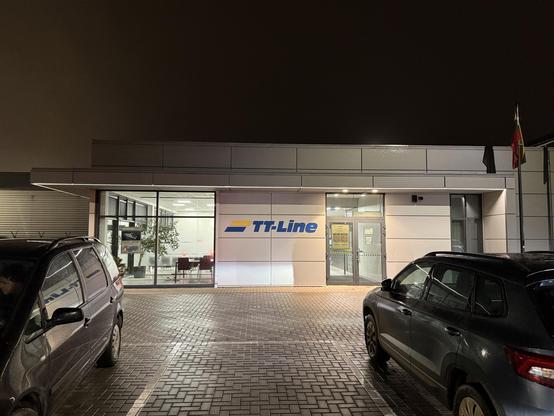
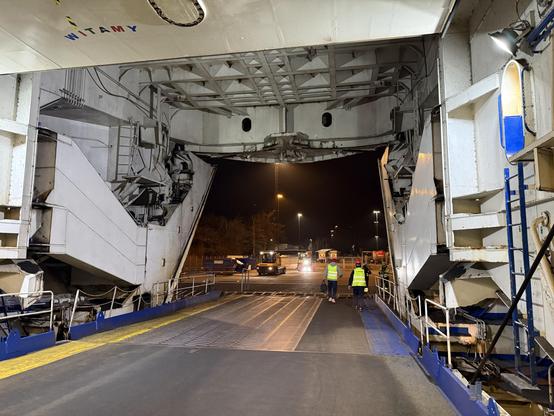
TT-Line is doing things right: Foot passengers are first off the boat.
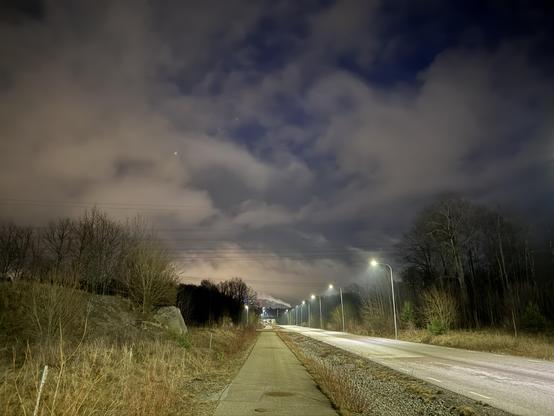
Hej Sverige! Now for a half hour walk into town. Which is handy after all the day sleeping.
Despite the delay, this was a really nice voyage. Je ne regrette rien !

Good morning! Definitely Scandinavia.

My original idea was to loop through Sweden for a day but I will aim for Denmark in a more or less straight line instead. It won’t be the normal route, though, because of course not.
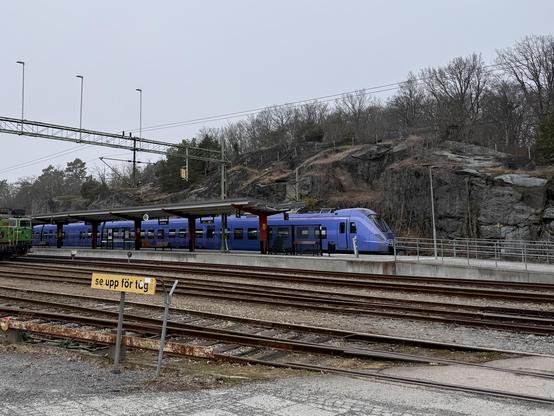
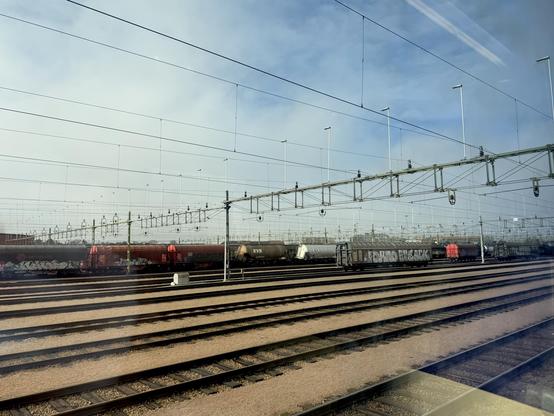
Every language has at least one sound that you cannot make correctly unless you are a native speaker. For Swedish, this seems to be the k.
As soon as I post this, we stop in Kvidinge, where the k seems to be just a regular k.
Ramlösa is not just bubbly water but also a huge marshalling yard.
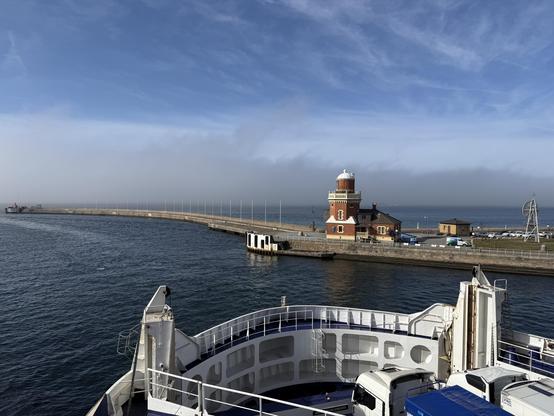
There might be a bridge now, but the boats are still here. This ferry between Helsingborg and Helsingør is the shortest crossing between Sweden and Denmark and once was the main route between the two countries. It still operates very frequently – every twenty minutes during the day –, but doesn’t carry trains any more.
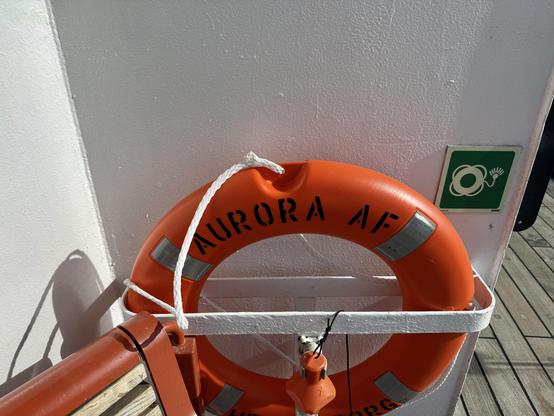
This ship is Aurora AF.
Didn’t pick the best day for this
crossing. In this picture, there is another ship. So no seeing Hamlet’s Castle today …
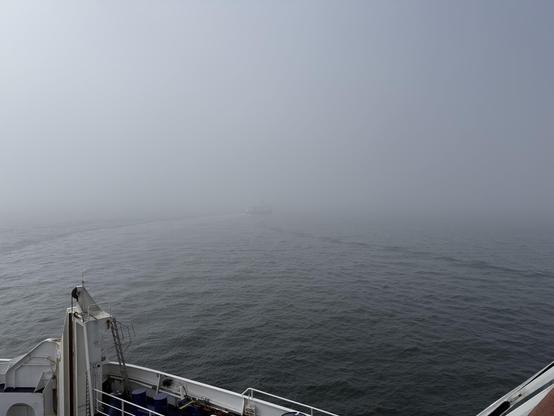
The ship has a full sit down restaurant but the crossing time is just twenty minutes. I assume you keep going back and forth until you finish your meal?
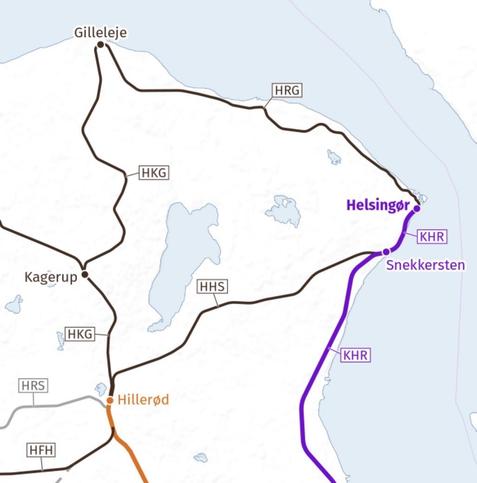
From Helsingør, you can go on a journey along the north coast of Sjælland, but it kind of takes forever. Instead, let’s pretend to head west and go directly to Hillerød.
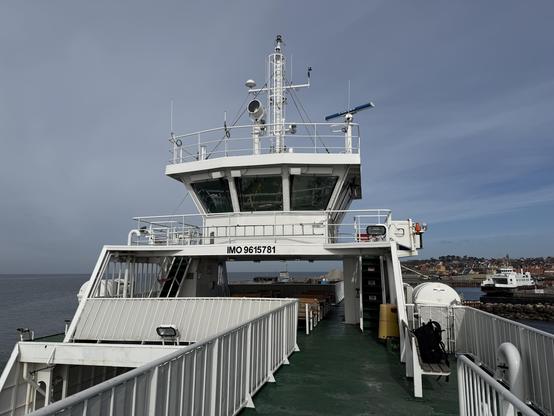
In Hundested, which may or may not translate as Dogtown, you cannot go further west as the Isefjord is in the way. Luckily there is a boat.
Proper ship, with an IMO number and everything!
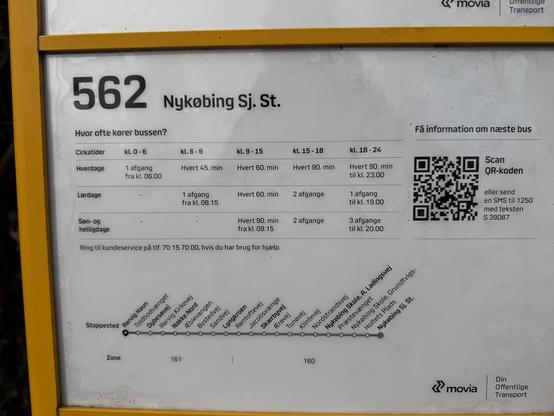
There isn’t a train on the other side, but there is a bus. It goes once an hour. That is apparently all you need to know if you can’t afford or operate a smart phone.
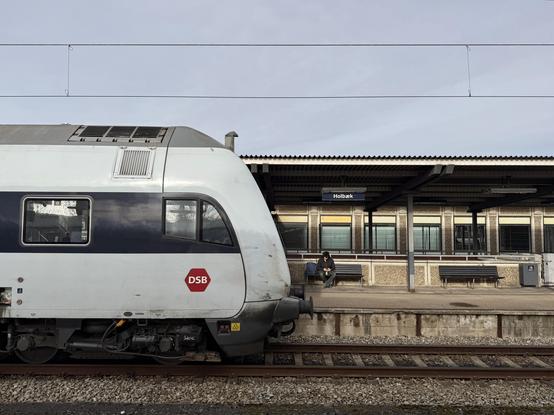
In Holbæk I am questioning my progress as I am changing onto the train to Helsingør.

You can also take a train west to Kalundborg from here where you can get a ferry to the island of Samsø where you can get a ferry to Aarhus.

Unfortunately, the ferries go from different sides of the island and there is no bus in winter. Which would be fine – it is a walk of a mere two hours – but it is getting too late for more shenanigans.
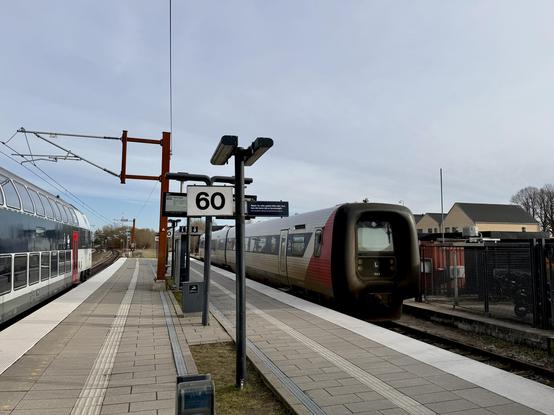
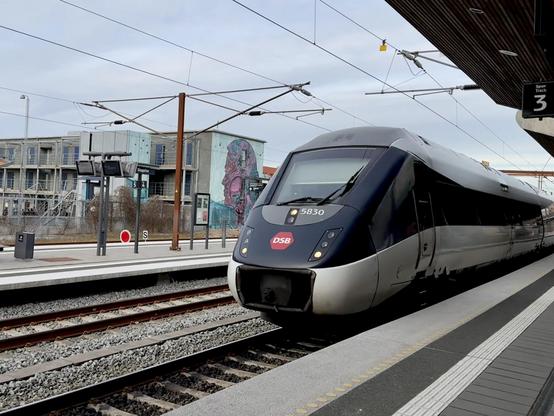
Okay, one more shenanigan: the branch line from Tølløse to Slagelse. And I didn’t even know they were running these private railway rubber noses here. But all the better!
Turns out I was just lucky. The train in the other direction is a Lint.
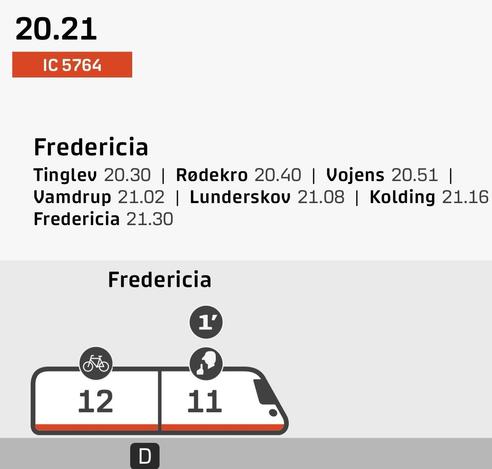
In Slagelse, there is a train to Odense at 17:17 (expected 17:22) and another one 17:24. They both consist of four car units but with different arrangements of bicycle and quiet areas. So one should be the dreadful Ansaldo Breda IC4 and one an electric rubber nose IR4. Luckily, both reach the Lyntog (or lightning train) to Fredericia (which doesn’t stop in Slagelse) and I can choose.
Right. So not the first one.
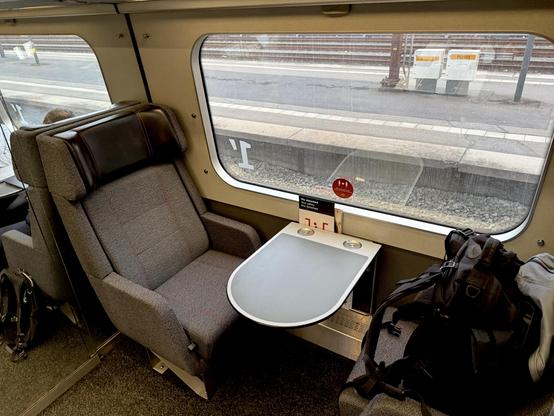
Of course, if you have a first class ticket, what you really want is the diesel rubber nose, the IC3, because it features the rolling living room. These have three carriages (hence the name), but because they only have two doors, they are shown as having two carriages.

I am not aware of anywhere that shows you the formation of Danish trains in advance, but the station boards on https://mittog.dk do (if you click on a train), so you can at least have an educated guess when planning.

(This is also really useful to see what they came up with for the Copenhagen – Hamburg ECs today which are a real mess right now.)
MitTog

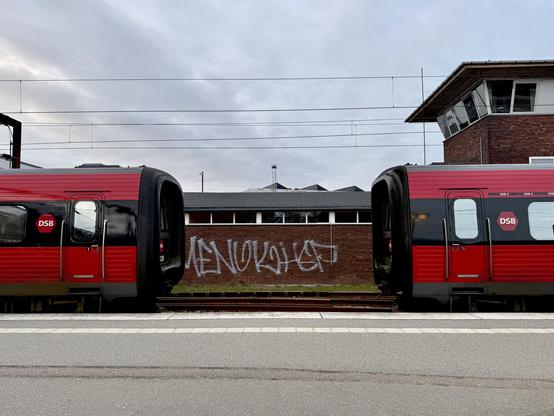
Hang on! We didn’t stop while driving into the platform and I don’t think they backed half the train up after stopping. Are they splitting the train while still moving?

This was the second driver seeing me in a protected crossing and just keeping on driving forcing me to stop – one at a zebra crossing and one turning left at a light.

I don’t remember Denmark being like that. Be careful in Fredericia, people!

Slip coach - Wikipedia

@partim So if it shows 2 carriages like here that’s a rubber nose?
@patrick Yes, that’s the IC3. I think the IR4 is the one with two separate bicycle carriages but I am not so sure any more.
@partim My commute every day is cursed with IC4 both ways which really sucks
@partim Sounds like a summer plan to me.
@patrick I think it would have been a fine walk today. Certainly fewer people.
@partim Not to be confused with with Ísafjörður, as in the https://en.wikipedia.org/wiki/Hildur_(novel_series) books.
Hildur (novel series) - Wikipedia

@tml “[T]he pair must battle their demons while solving murders.” Tell me it is a Nordic novel without telling me it is a Nordic novel. #PåskePåHytta
@partim had you taken the train to Gilleleje you would have enjoyed a bit of running on very tram-like track.
@tml I’ll definitely do this one day, including going to Tisvildeleje. But it seems to be taking pretty much all day, so another time.
@partim Yes, it's not uncommon for people to do that. There is even a local word for it, "tura".
@partim I think it used to be a thing for Swedes that enjoy their (what used to be) tax-free drinks to keep going back and forth, sitting in the ship bar?
Tura Helsingborg- Helsingör

Tura innebär att du kan äta, dricka, njuta av vacker utsikt och shoppa i lugn och ro till låga priser – utan att gå av båten.

ÖRESUNDSLINJEN
@tml Nowadays it's drinks with Danish prices, which is still a bit cheaper than in Sweden. @partim
@partim I think they offer a "there and back" type thing, without getting off, so maybe for that?
@partim That would be a correct assumption. They used to, and probably still do, sell tickets that would allow you to get on and eat but only get off in the country you started in.
@partim Let me guess, from Helsingør you continue to Gilleleje, Hillerød, and then the S-tog to København?
@tml Ha! Nope. I have an even more silly plan.
@partim As someone who has also visited some of these places in the past couple of year, I just want to take the opportunity to say thank you for bringing up so many good memories with your report!
@partim only until they finally build the tunnel ^^
@julian_b Is this like the Sicilian bridge?
@partim i the one up there is more realistic

@partim The K is soft (voiceless alveolo-palatal fricative, ɕ) before the soft vowels E, I, Y, Ä, Ö. Before the hard vowels A, O, U, Å the K is hard (a regular K) unless it is followed by a J. There are a few loanwords where a hard K is followed by a soft vowel which is an ortographic anomaly. The classic example is the word kex (from English "cakes") which often, but not always, is pronounced with a hard K.

K followed by consonant (other than J) is always hard.

@partim Karlshamn, Kvidinge: hard K.
Köpenhamn: soft K.
@violanders What made me make this statement is how the announcement machine pronounced Kristianstad. That definitely wasn’t a hard k but more like a variant on a hard ch.
@partim Ah. The voiceless consonants in Swedish are often aspirated which complicates things a bit.
@partim My ex-wife, who taught Romance languages, had a hard time teaching her pupils not to aspirate P, T, K when speaking Spanish.
@partim Are you sure about that? In standard Swedish the K is usually not what non-native speakers struggle with. But there is a lot of dialectal variation, and the Blekinge dialects can be a bit special.
@Jonas_Bostrom The pronunciation of Kristianstad inspired the post. We’ve cleared things up in a short conversation with @violanders starting here: https://mastodon.nu/@violanders/116243789928383269
Anders Norén (@[email protected])

@[email protected] The K is soft (voiceless alveolo-palatal fricative, ɕ) before the soft vowels E, I, Y, Ä, Ö. Before the hard vowels A, O, U, Å the K is hard (a regular K) unless it is followed by a J. There are a few loanwords where a hard K is followed by a soft vowel which is an ortographic anomaly. The classic example is the word kex (from English "cakes") which often, but not always, is pronounced with a hard K. K followed by consonant (other than J) is always hard.

Mastodon.nu
@partim I see!. The soft K might comfuse some people. And @violanders probably is the expert on the local dialects.
@Jonas_Bostrom
Unfortunately I'm a transplant but yeah, I'm at least interested! Where I'm from people say stuff like "Javaåklöppmaja" ("I went to the hairdresser").
@partim