There's a widespread myth that medieval people used spices to cover up the taste of rotten meat.

The whole story traces back to one book. In 1939, a scientist named J.C. Drummond published The Englishman's Food and suggested that medieval recipes were so heavily spiced because the meat was frequently tainted. No evidence. Just an assumption. One sentence in one book published 85 years ago.
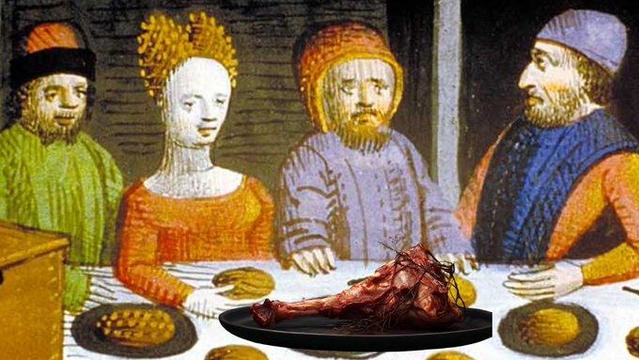

@Dr_TheHistories #medieval #spices #food #history

And it has been repeated as fact in classrooms and documentaries ever since. Here is the major problem with it.

The only people who could afford spices in medieval Europe were the wealthy. Pepper from Asia cost roughly ten times what it costs today and saffron ran about 183 pence per pound in 15th century London. Gold was 240 pence per pound. Saffron was nearly as expensive as gold. The idea that someone wealthy enough to buy saffron was also eating rotten meat makes no logical sense.

@globalmuseum

There's a story about a tang Dynasty empress who didn't allow white pepper into the palace because it was as expensive as gold and they didn't want to be seen as extravagant and lose the mandate of heaven to lord over the people.

Between climate change, WW3, and just stupidity in leadership positions in general, I fear spices will become a luxury again, along with basic food.

@chu that's a great story about white pepper... which I hadn't heard before. Thanks
@globalmuseum @chu
Thinking of the Korean Donguibogam, 25 volumes encyclopedia containing Asian wisdom from 2000 years ago till 15 AC. Joseon/ Korean King Seonjo ordering envoys to collect medical writings wherever they travelled.
There is a book from 2 AC explaining benefits of fermented cabbage, spices , herbs and other food in detail, used often by fishermen. And even in West history women knew how to ferment for cheese, alcohol etc long before 15th AC , needing knowledge and hygiene.