This lunch includes all five of the main Dutch food groups: cheese, cucumber, geometry, boredom and sorrow, with most of the vitamin content provided by the soul-destroying view of endless flatness spilling off the far-flung horizon.
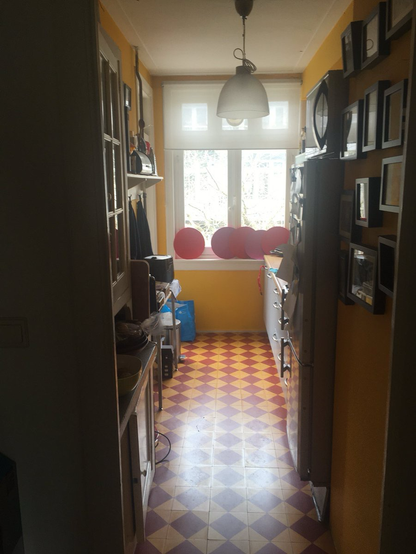
Amsterdam kitchens are tiny, partly because most Dutch food is made on the floor, using an axe, a cudgel and a spade, which is used to scoop the meal into the pan. The work surfaces are just big enough for two drinks, a bowl of peanuts and the New Testament.
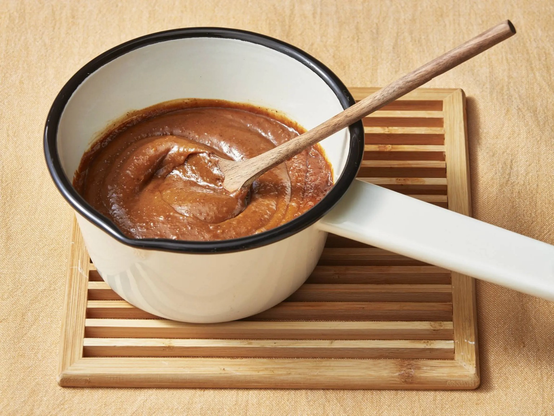
Restricted space also makes it easier to corner rats, mice and other edible vermin, which are skewered on sticks and roasted over an open fire, after which they are covered with a peanut-butter sauce we claim originated in the former Dutch colonies, but they have repeatedly denied any involvement.
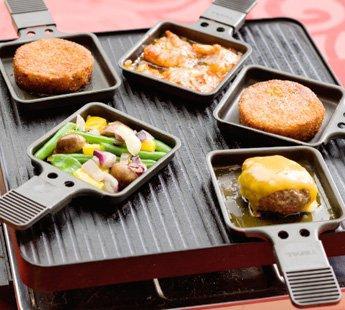
Despite being one of the tallest nations on earth, the Dutch are terribly insecure when it comes to cooking, which is why one of our favourite festive pastimes involves the use of tiny cooking utensils that make us feel like culinary giants. This tradition is laughably known as "gourmetten".
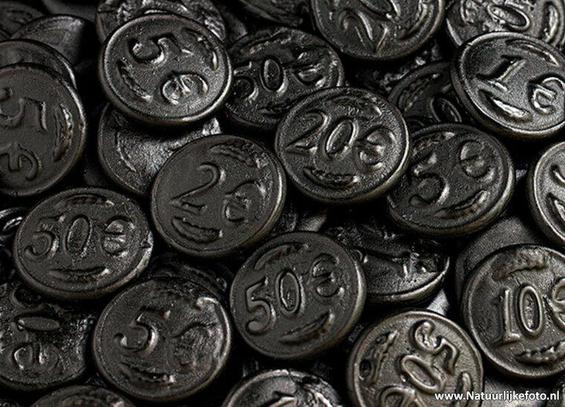
The term "salary" originates from the fact that soldiers were paid in salt, which was once a more valuable commodity. The clever Dutch realised that bags of salt were weighing their soldiers down, so they mixed it into small coin-shaped sweets that soldiers could eat, instead of carrying it around.
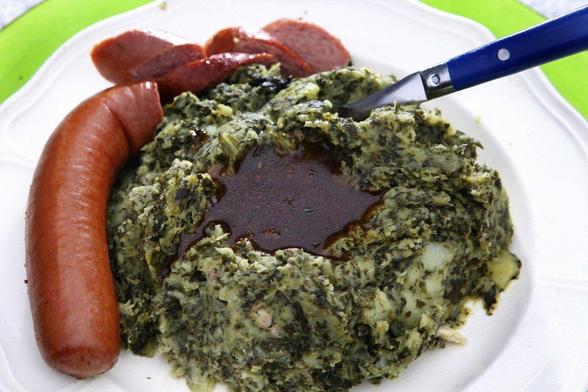
The Dutch began eating "kale" because nothing else would grow in our godforsaken polders. But we don't call it "kale", we call it "kool", which is kooler than cool. We mix it with mashed potatoes, otherwise it tastes like plant-shaped fart, and we eat it with sausage made of smoked skaters.
If you ever spot a Dutch person wearing an orange Unox cap, this means they have donated an elderly, speed-skating relative to the sausage works. Dutch people take pride in the fact that their family member has helped feed the nation, restrict population growth and bolster our state pension scheme.
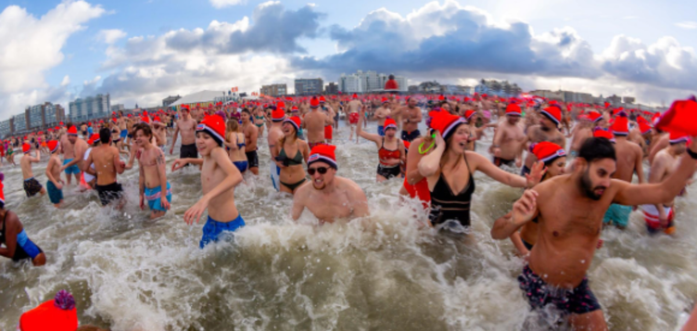
Before they are smoked for sausage, Dutch skaters are thoroughly cleaned by their relatives on New Year's day at a special festive ceremony held on beaches up and down the coast. This has prompted the ever pragmatic and optimistic Dutch to refer to themselves as the "free-range humans of the world".
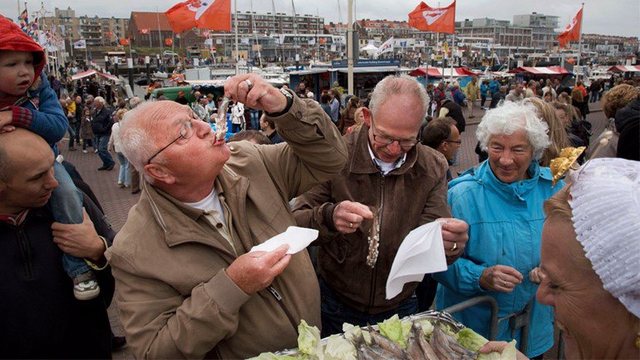
The Dutch eat their herring raw, because fish is at its most tender just as it starts rotting. Our herring is served with raw onions and gherkin to mask the stench as the fish passes your nose on its way down your throat. The Dutch live longer because we constantly endanger our health with food.
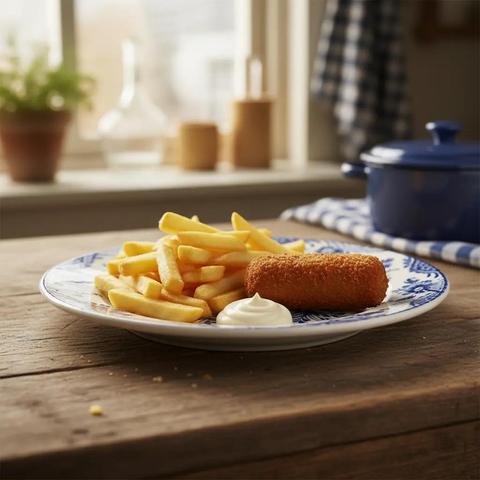
The Dutch eat their chips with mayonnaise, because that was the easiest recipe to remember when the French left the Netherlands in 1814, taking their cookbooks with them. Similarly, the Spanish left us the "croqueta" after their lengthy occupation (1556-1715), but we could only remember one filling.
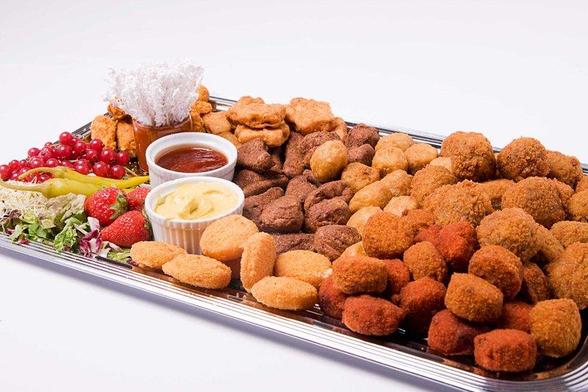
Deep-fried food — locally revered as “the brown fruit” — is a cornerstone of Dutch culture. After work on Fridays, the Dutch gather for a “borrel”, which is best described as “sunless sundowners”. After a while, a tray of nondescript snacks is served, which all look different, but taste the same.
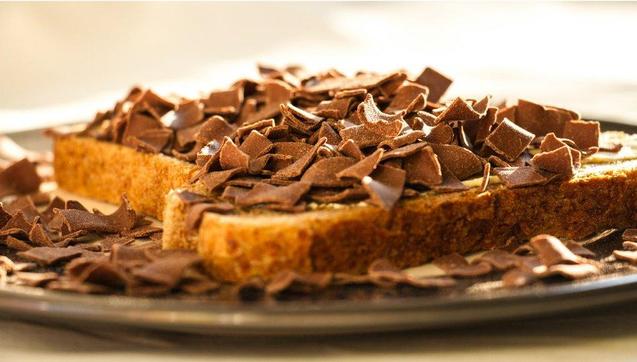
The Dutch often eat chocolate sprinkles and flakes on their bread. We refer to this delicacy as “hagelslag”, which literally means “hail beating”. By rendering our atrocious weather in chocolate form, we make the many different forms of precipitation we are forced to endure slightly more bearable.
@RichqrddeNooy Maar dat zijn (chjocolade) vlokken.
 Richard de Nooy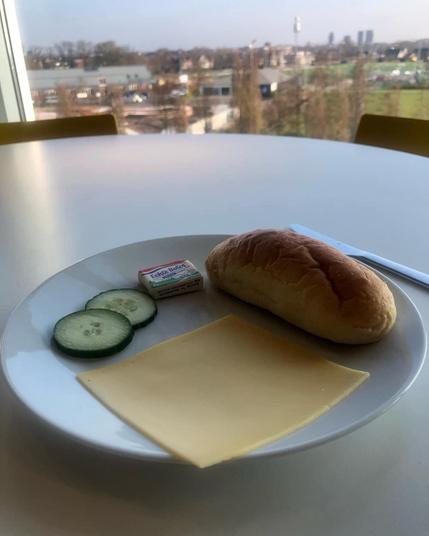
 LZonjee - Antifa 🍋🍉🦀🔻
 saarmuller