🍵🥧PLUMS, PICNICS & THE NARROW BRIDGE🙏📿

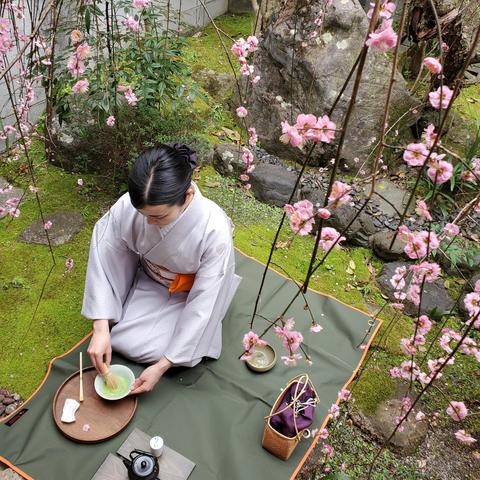
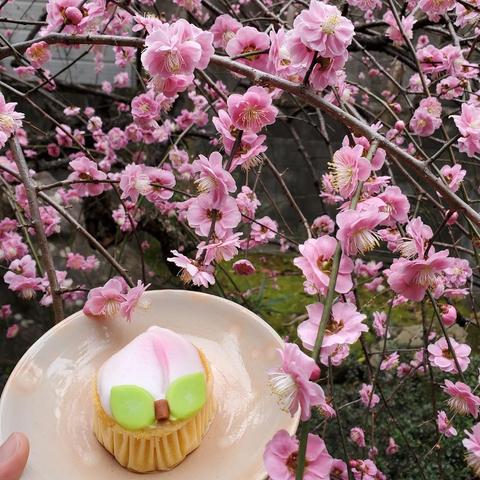
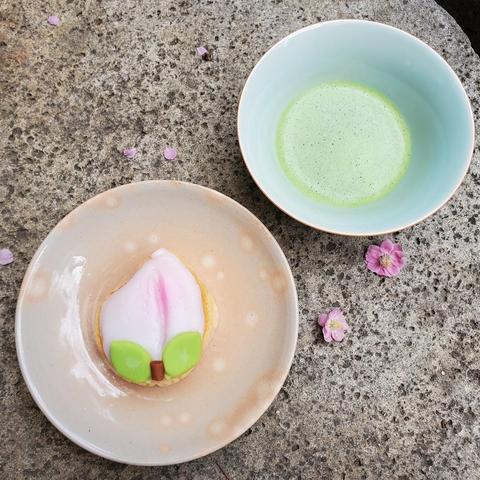
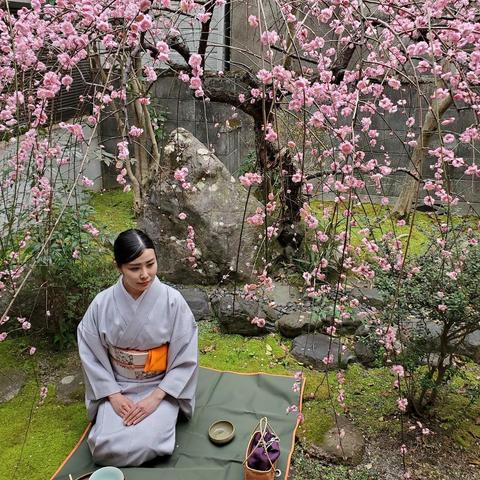
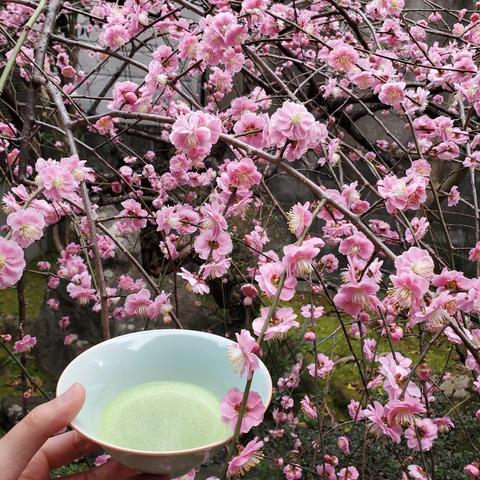
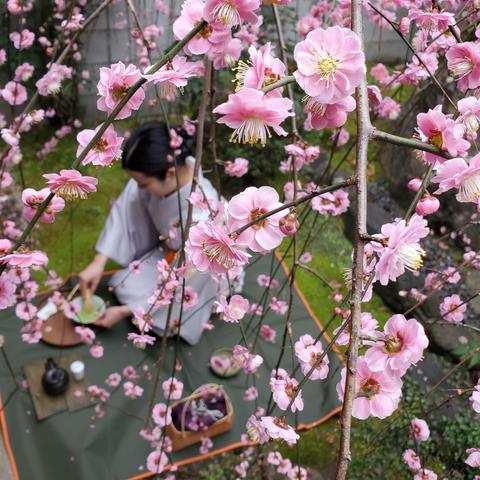
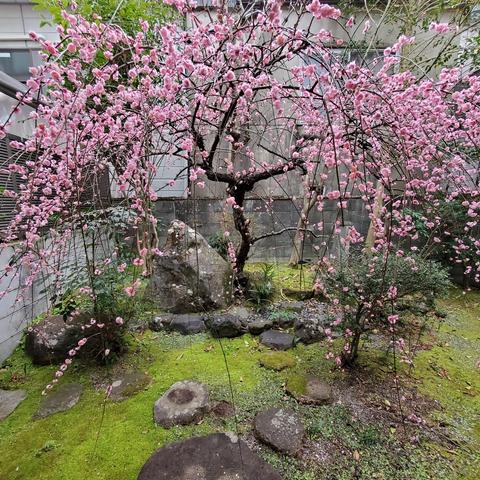
Nao-san hosts a small tea ceremony for her weeping ume tree✨

secluded house-
enough plum blossoms
for brewing tea
かくれ家や茶をにる程は梅の花
-Kobayashi Issa (小林一茶), 1813.

(Some excellent camera work from Nao's husband👍)
#Kyoto #抹茶

Paired with the matcha, 'peach castella' (桃カステラ) all the way from Kyūshū.

In Nagasaki Prefecture it is tradition for families with daughters celebrating their first Hina Matsuri to gift these sweets to relatives and friends.
#Nagasaki #長崎 #桃カステラ #castella #Japan

the spring wind
still cold...
with such a scent of plum blossoms
I just cannot close
my windows’ paper sliders

はる風は
まだ寒けれど
梅香に
まどのさうじも
さされざりけり
-Ōtagaki Rengetsu (太田垣蓮月 1791-1875).

#Kyoto #梅の花 #ume #京都 #blossoms #plumblossoms #Japan

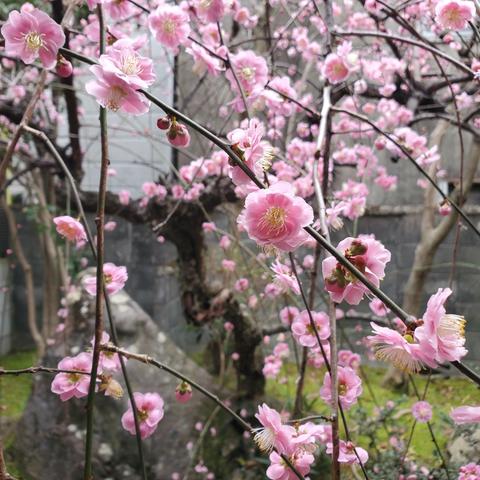
I couldn't resist sharing a few more photos of Nao-san and her weeping ume tree in bloom.

🙏BRIDGE OF ASCETICS🌉

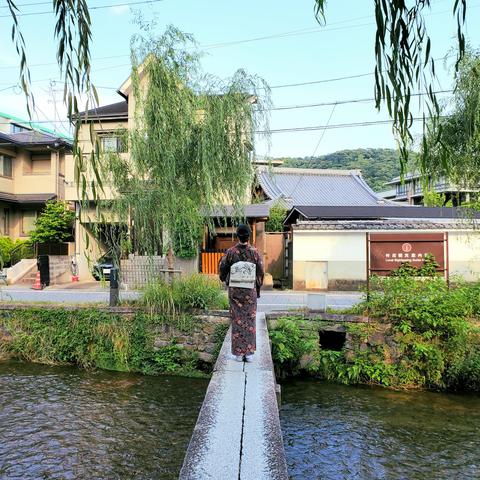
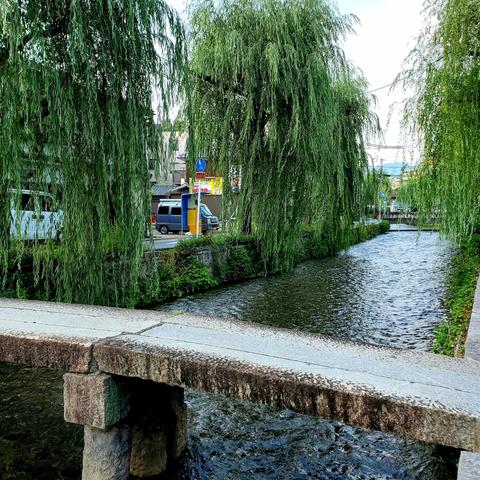
Not too far from Chion-in (知恩院), Gyōja-bashi (行者橋 'Bridge of Ascetics') straddles the Shirakawa River (白川). Monks participating in the 'Kaihōgyō' (回峰行) cross the narrow bridge on their 75th day, en route to Yasaka-jinja (八坂神社).
#Japan #Kyoto

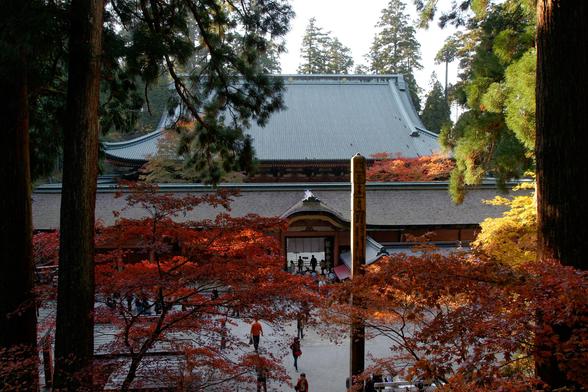
During the 'Kaihōgyō' (回峰行) Tendai monks descend from Enryaku-ji (延暦寺) on Mt. Hiei and complete various prayer routes that take them into the city and back to their home temple.
This ascetic practice is undertaken for 1000 days (over 7 years)!
#Kyoto #京都 #Japan #Enryakuji

Last rebuilt in 1907, the 11.7m granite bridge is barely 60cm wide.

Bubbling up on Hiei-zan, the Shirakawa (白川) eventually flows through Gion. Fine sand would flow down from the mountain, settling on the bed. In the sun it would shine white, giving 'White River' its name.

Officially known as Furukawamachi-bashi (古川町橋), although not actually in the list of Japan’s top 100 bridges it was given special recognition.
It's also known as Gyōja-bashi, Ippon-bashi (一本橋), Furukawachō-bashi (古川町橋), and Azari-bashi (阿闍梨橋 'High Priest Bridge').
It's unclear when the first bridge was built, but the priest Ryōgen (良源 912-85) may have used a similar bridge in the area during his stay at Sonshō-in (尊勝院-thus the nickname 'High Priest Bridge').
First appearing for certain in a 1786 book, the current bridge dates to 1907.
During the Edo period the 'kenboko' (剣鉾 - sacred spears said to ward off evil spirits) of the Awata-jinja Festival (粟田神社) were marched over the bridge in the dead of night. A special song was sung during the procession.
#folklore #Kyoto #Japan #京都 #白川 #東山
@camelliakyoto if I may, what are the significance of the items that have been placed on the statue in the first image?
@camelliakyoto
Very nice vibes, thank you for sharing 🙏