 Hotznplotzn
China: Tibetan monk sentenced to six years in prison for teaching Tibetan language
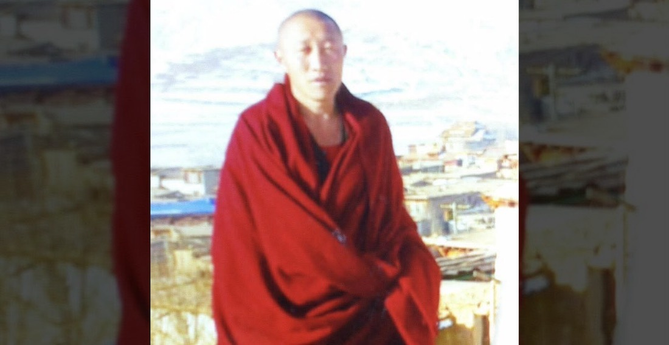
China: Tibetan monk sentenced to six years in prison for teaching Tibetan language - SDF Chatter
Archived [https://web.archive.org/web/20260305215536/https://phayul.com/tibetan-monk-sentenced-to-six-years-in-prison-for-teaching-tibetan-language/] Palden Yeshi, a Tibetan monk and teacher from eastern Tibet, has reportedly been sentenced to six years in prison by Chinese authorities for teaching the Tibetan language to local children during school holidays, according to a report by the Dharamshala-based independent radio station Voice of Tibet (VoT). He was a teacher at Karze Monastery in Tehor, Karze County, and was arrested on May 17, 2021, while serving at the monastery. According to sources cited by VoT, Chinese police suddenly arrived at the monastery and detained him without prior notice, forcibly taking him away. Following his detention, authorities did not provide his family with clear information regarding the reasons for his arrest or the legal basis for the charges against him. Sources indicate that the primary reason for his detention was his efforts to teach the Tibetan language to more than 300 local children during school holidays. The classes were reportedly organized for young students from nearby communities who wished to learn Tibetan reading and writing. Chinese authorities are believed to have deemed these voluntary language lessons illegal. […] In related news, China bars Tibetan government employees from religious rites and family funerals [https://web.archive.org/web/20260306223806/https://phayul.com/china-bars-tibetan-government-employees-from-religious-rites-and-family-funerals/]. Tibetans employed in government positions have been strictly forbidden from engaging in religious practices. While they are technically allowed to visit major religious sites such as the Jokhang Temple (Tsuglakhang) and the Potala Palace during Losar, their presence is limited to sightseeing purposes only. They are expressly prohibited from offering prayers, making ritual offerings, performing prostrations, or displaying any other forms of religious devotion. Authorities reportedly warned that such acts would constitute violations of Communist Party discipline. The restrictions extend into private family life. Government employees are said to be barred not only from participating in public religious ceremonies but also from attending last rites, weekly memorial prayer services, and cremation rituals for their own deceased relatives. A Lhasa resident told TT that even the traditional seventh-day prayers for the departed cannot be attended by those in state employment. […]
 「黃家駒 Wong Ka Kui」 | (aka: 鳳凰院 凶真 Hououin Kyouma)
 davel
davel