Hey Dutch friends,

"Goldman Sachs said a month-long halt to shipping through the Strait of Hormuz could cause European gas prices to more than double."

Better get on with the verduurzaming.
It's expensive, yes.
But in the long run you're better off not dealing with these unexpected spikes in heating costs.
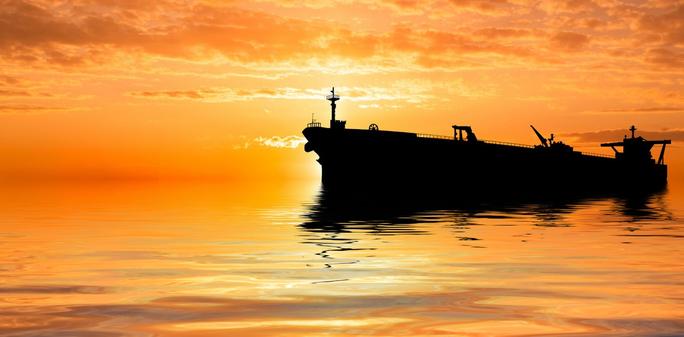
https://www.investing.com/news/commodities-news/european-gas-prices-could-jump-130-on-hormuz-disruption-goldman-estimates-4534261

"Decentralised systems are harder to manipulate through supply chokepoints. Solar panels, once installed, generate energy locally. The vulnerability shifts from ongoing fuel imports to upfront manufacturing dependence.

Reducing oil dependence is often framed as climate policy. But it is also vital to energy security and national security."

https://theconversation.com/the-strikes-on-iran-show-why-quitting-oil-is-more-important-than-ever-277192

The strikes on Iran show why quitting oil is more important than ever

Oil isn’t a normal commodity – it shapes politics around the world.

The Conversation

"The strait is a key shipping route. Not only does a fifth of the global seaborne oil pass through it, so does a fifth of worldwide LNG shipments and about a third of global trade in urea – the most widely used fertiliser.

European wholesale gas prices could triple to US$100 per megawatt hour were the strait to close entirely for three months, or operate at half capacity for six months."

https://www.theguardian.com/world/2026/mar/02/iran-strait-hormuz-oil-global-prices-cost-of-living?CMP

What disrupting the strait of Hormuz could mean for global cost-of-living pressures

The narrow shipping route on Iran’s southern border carries one-fifth of global seaborne crude oil, one-fifth of LNG shipments and one-third of the most widely used fertiliser

The Guardian

The Strait of Hormuz is an energy chokepoint. A world running on renewable energy has far fewer such prominent chokepoints. Even with the same war scenario,

"Governments would be less exposed to sudden demands to subsidise fuels and an inflationary shock.

Energy security would become less about controlling distant shipping lanes, and more about building a distributed and resilient domestic electricity grid, more storage capacity and diversified supply chains."

https://theconversation.com/how-would-the-iran-crisis-play-out-in-a-world-powered-by-renewables-not-fossil-fuels-277537

How would the Iran crisis play out in a world powered by renewables not fossil fuels?

This conflict exposes the fragility of the global fossil fuel economy and how renewables create resilience.

The Conversation

@CelloMomOnCars

But what would all The Pimps of the Pumps do? All those fossil fools without their revenue? They couldn't poison enough people fast enough with microplastics and CO2 pollution if we get off of oil