 Steve Troughton-Smith
Back at it
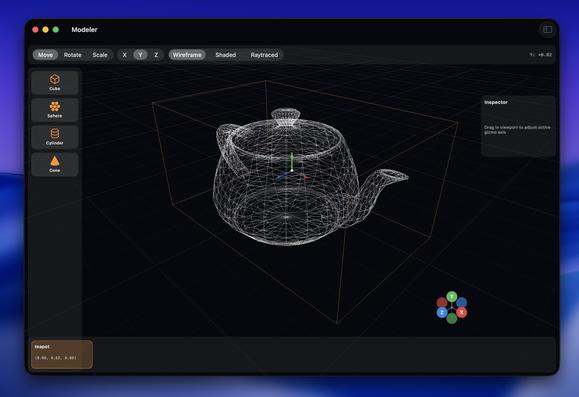
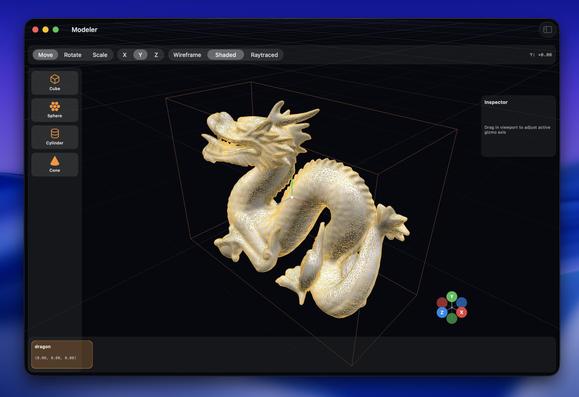
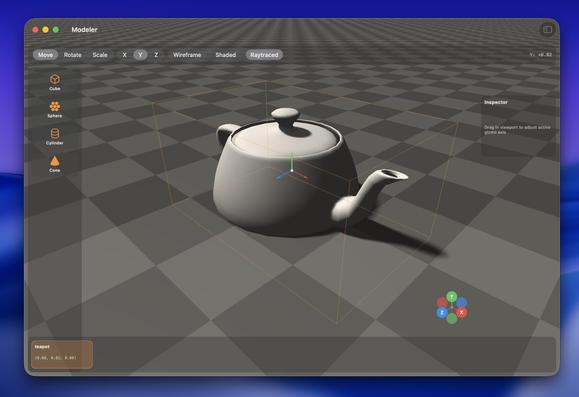
Operating well outside of my level of expertise here with Codex, but it's doing a pretty credible job at a lot of complex Metal rendering code I would never be able to wrap my head around
(Ignore the UV issues)
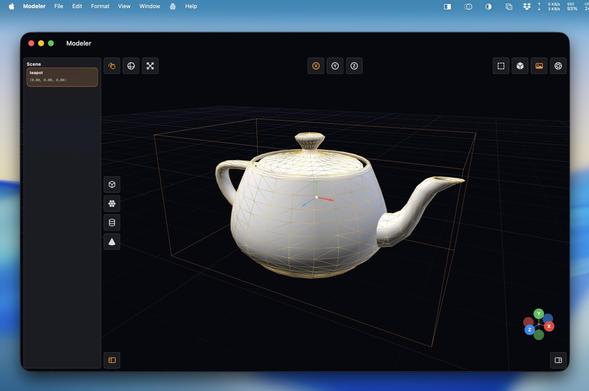
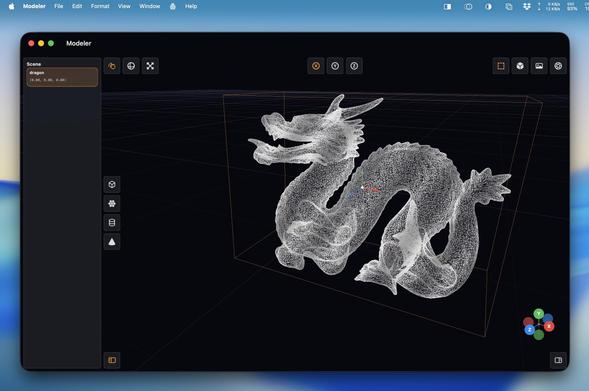
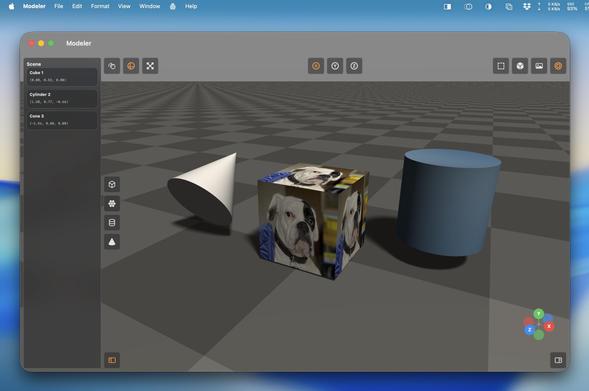
You can just do stuff, now. It's wild.
I'm not yet sure what the end goal is here, but I'm making a lot of progress regardless
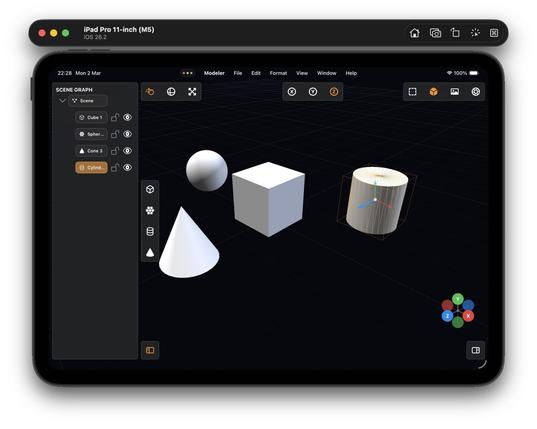
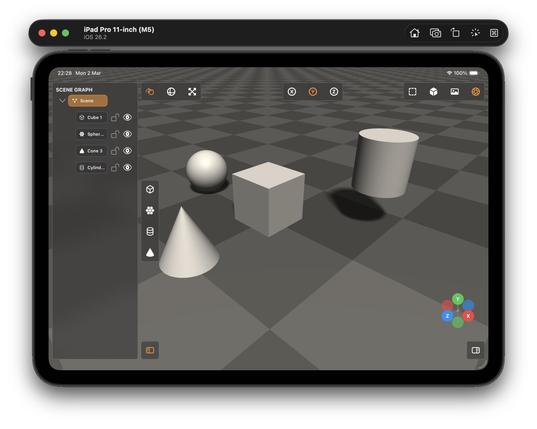
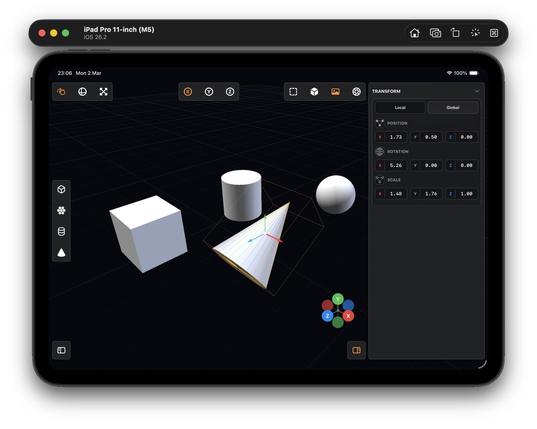
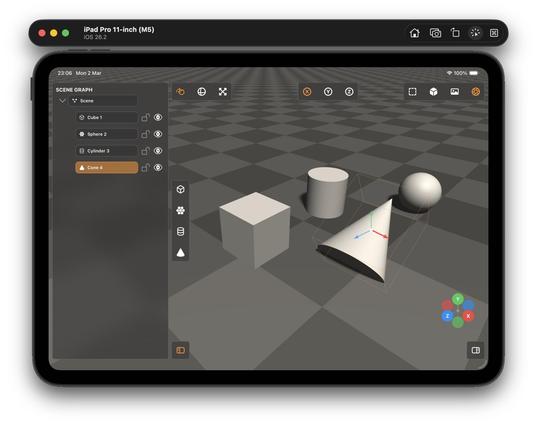
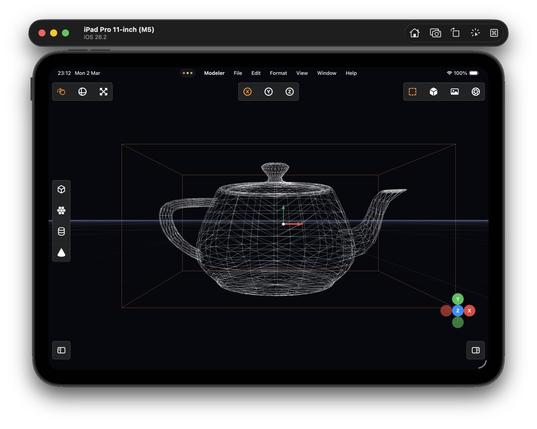
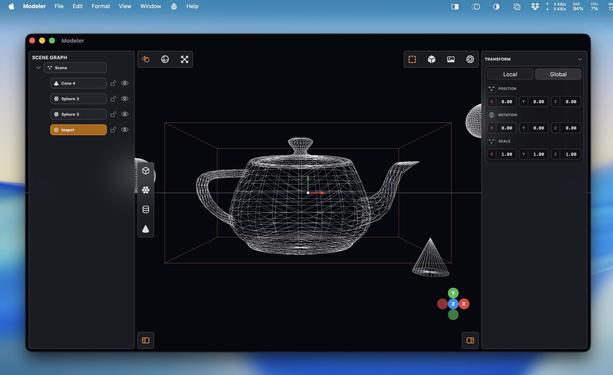
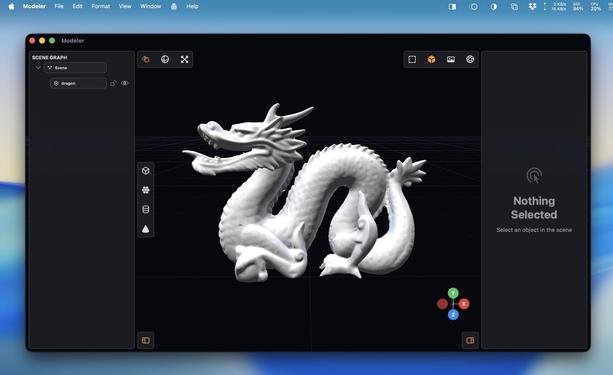
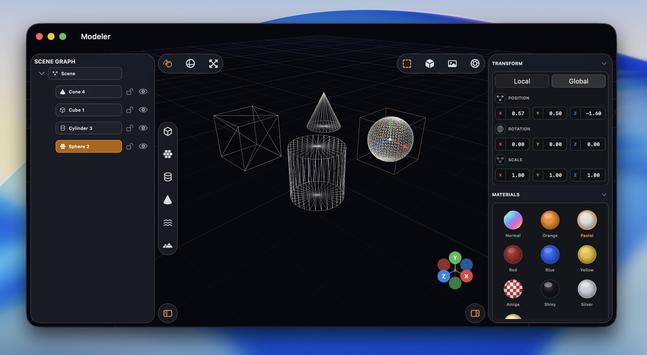
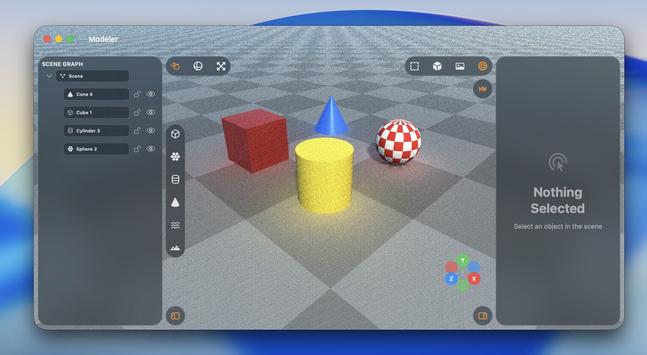
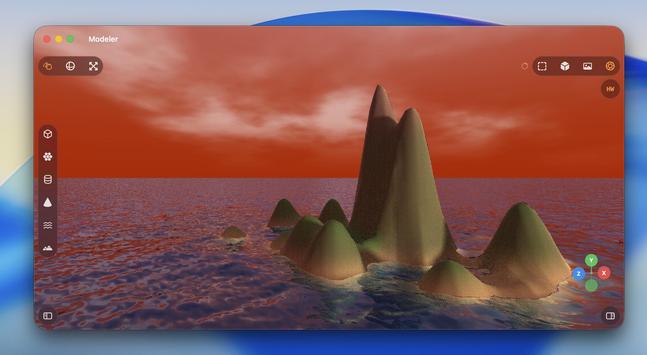
I started with a blank project template 5 hours ago. Now I've got a little 3D scene graph editor with gizmos, wireframe and shaded view modes, texturing, drag and drop OBJ file importing, and tile-based raytraced rendering, that runs on Mac and iPad.
Thanks Codex!
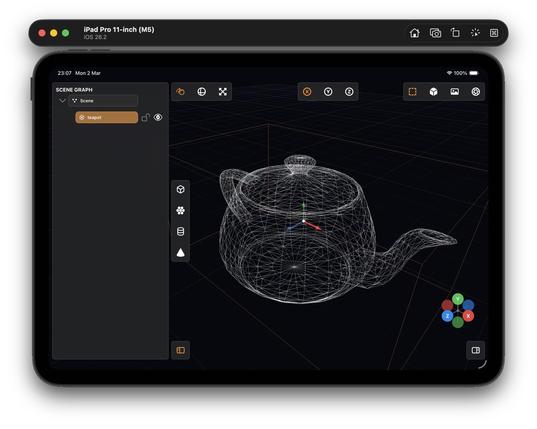
OBJ drag and drop
Multi-select and grouping
You know what I really could use at WWDC?
Teach a generative model to build high-quality vector SF Symbols so we can make custom ones, like say a full set for 3D modeling suites or PencilKit drawing apps, on demand 👀
…asking for a friend…
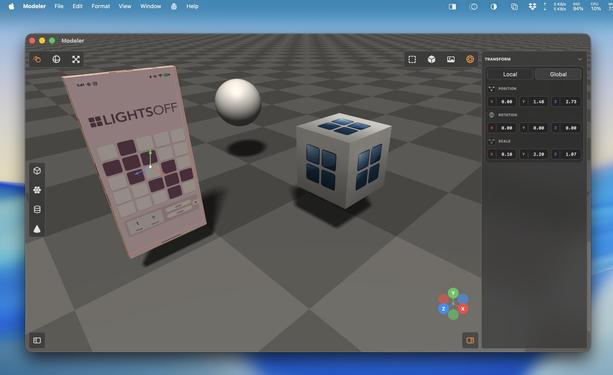
Upgraded my raytraced renderer with bounce lighting and true reflections. Now it looks pretty legit!
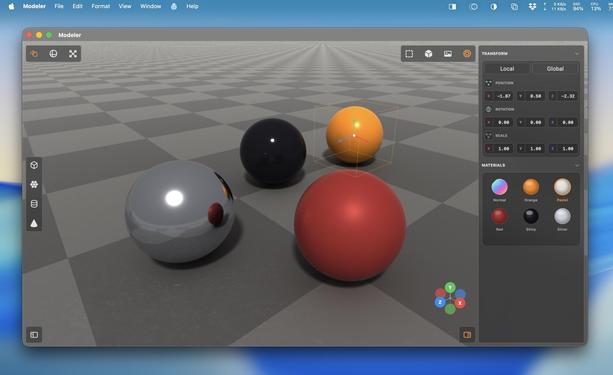
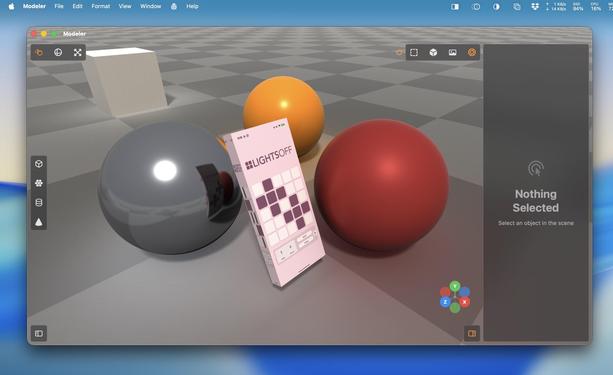
'Could somebody with no programming experience recreate Photoshop with an LLM?'
I have absolutely zero Metal and near-zero 3D modeling experience. I know the basics of how to use a scene editor, and the names of rendering terms.
And I effectively vibecoded all of this in less than half a day with Codex 5.3 Medium, based on screenshots of a cool-looking app I've never used (Valence3D) and just a general sense of what a 3D app should do
Raytracing uses every last ounce of my poor M1 Mac mini's GPU. It has never seen such a workout
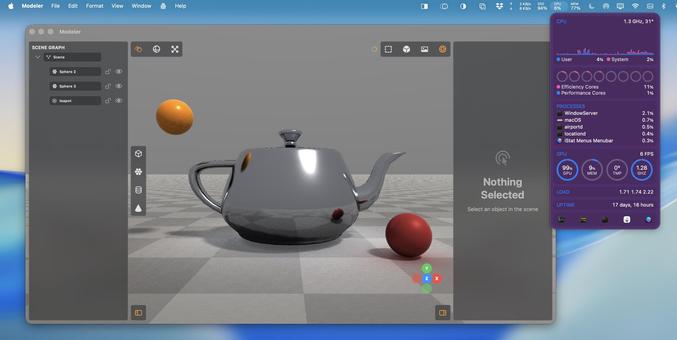
Since I am doing this on the GPU, not CPU, finding a way to render complex meshes without blowing the budget is a headache. There's a hard cap on how much work you can do before the Metal driver crashes
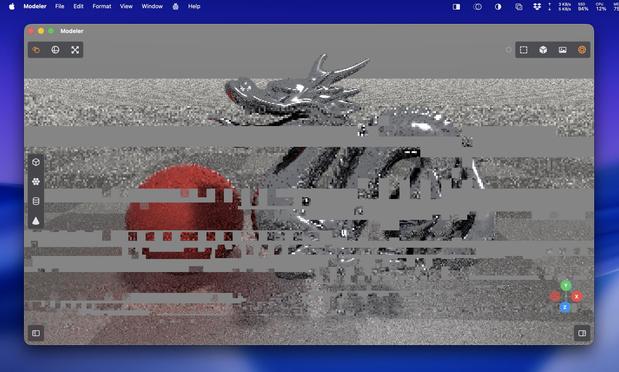
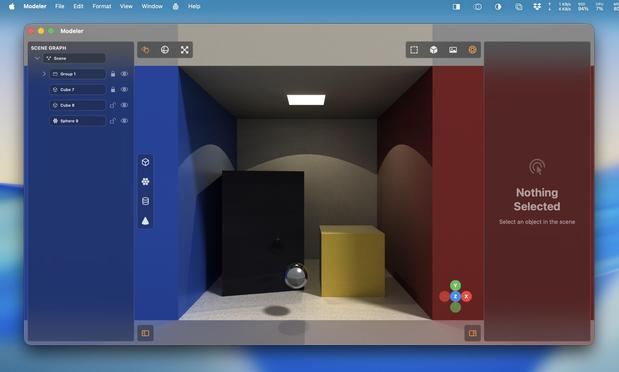
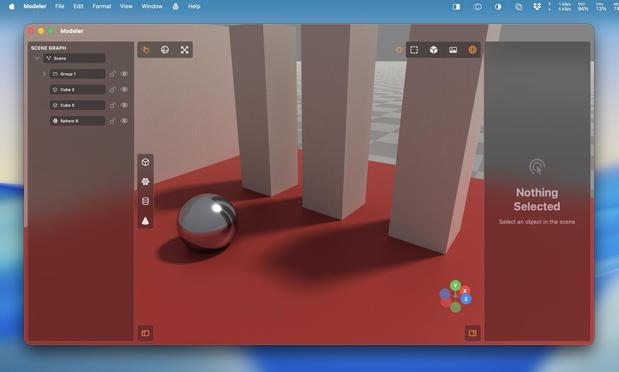
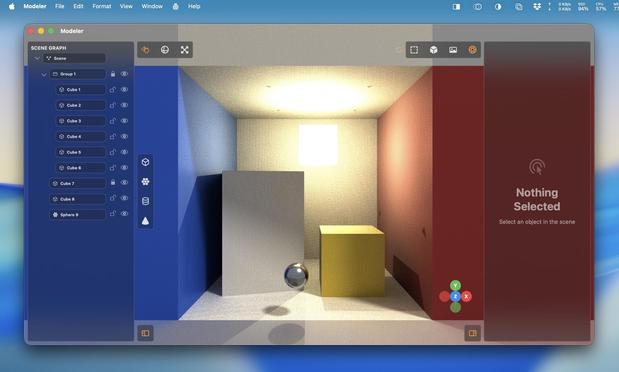
Added some targeted calls to the hardware raytracing APIs, and a toggle switch so I can flip between non-accelerated RT and accelerated RT. There are plenty of bottlenecks in my renderer to stop it taking /full/ advantage of acceleration, but holy heck it’s much faster regardless. This is on the M5 iPad Pro
Turns out the M1 supports enough of the hardware accelerated raytracing APIs that I get a massive speedup here, too?
Trying to parse Apple's Metal feature support tables is hurting my brain, so I'll just accept it and move on
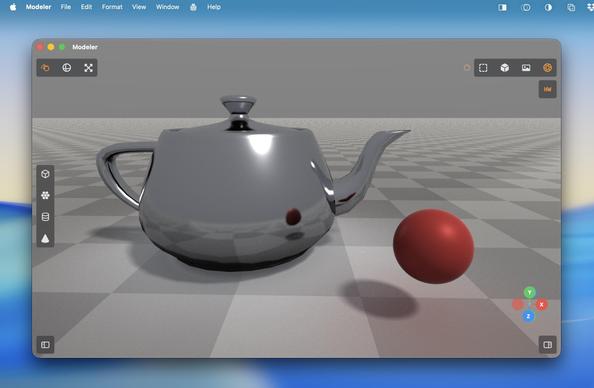
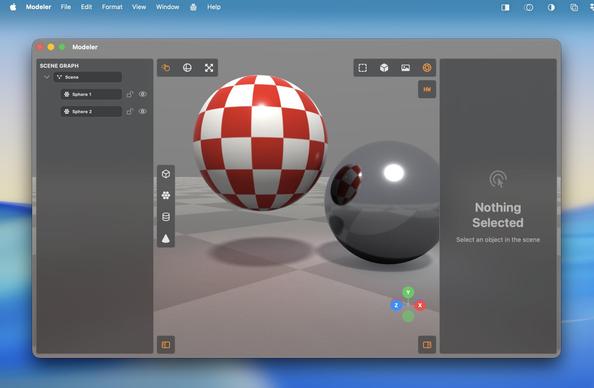
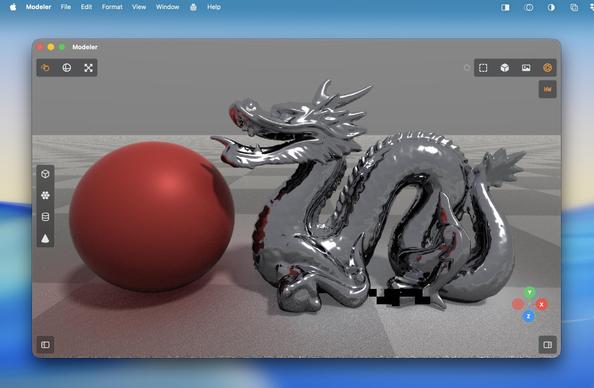
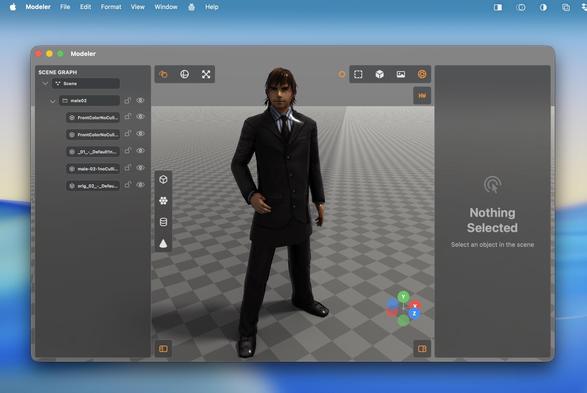
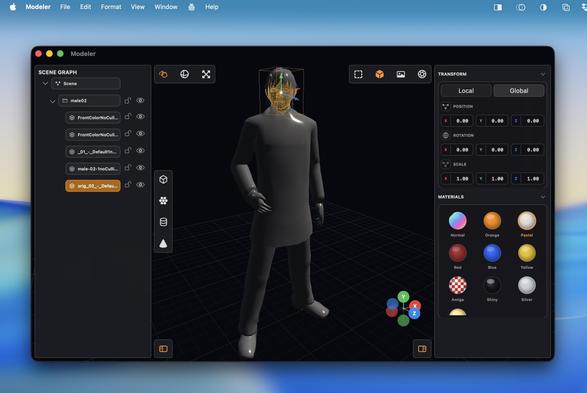
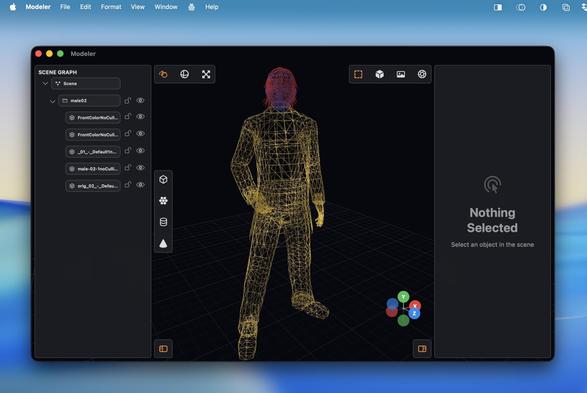
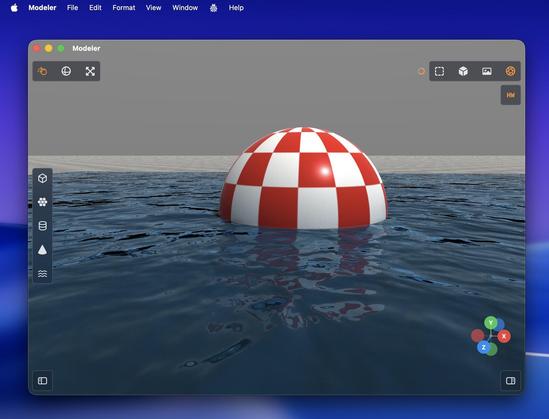
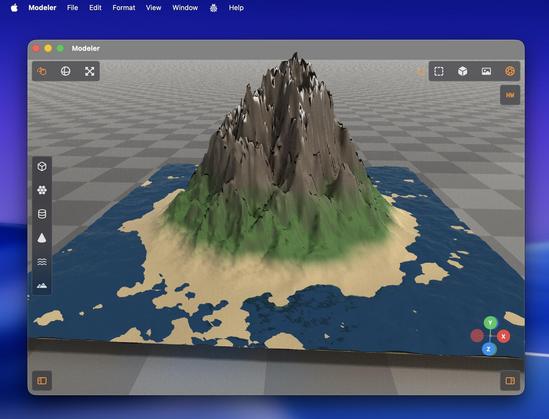
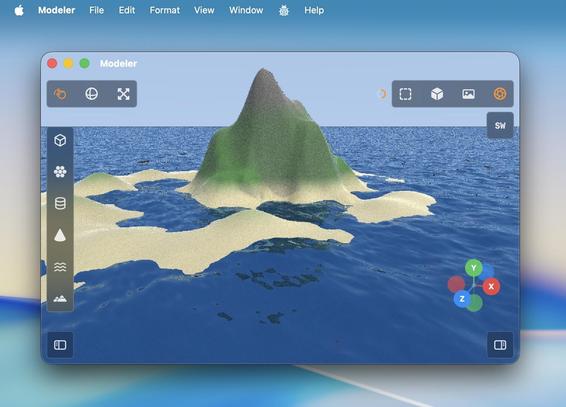
Not me offloading raytracing workloads to my iPad because it's so much faster than my Mac…
I spent untold hours in Bryce3D as a kid making silly scenes just like this. It did this stuff with machines a thousand times less powerful than my Mac mini. Certainly puts things into perspective…
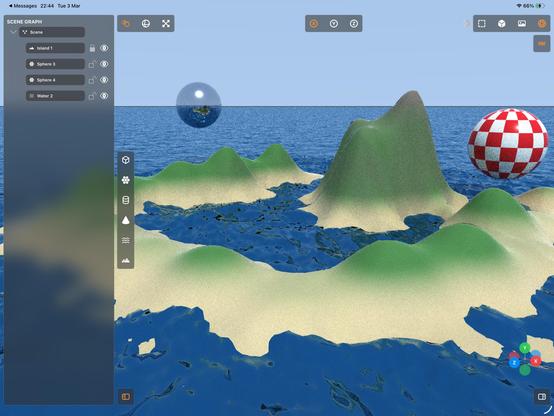
It's real nice having a complex app like this on iPad, that's for sure. This is by far the most complex and impressive thing I've vibecoded with Codex 5.3. I haven't seen or touched a single line of code, I didn't have a detailed plan to work from — this isn't at all like the structured ports I detailed previously
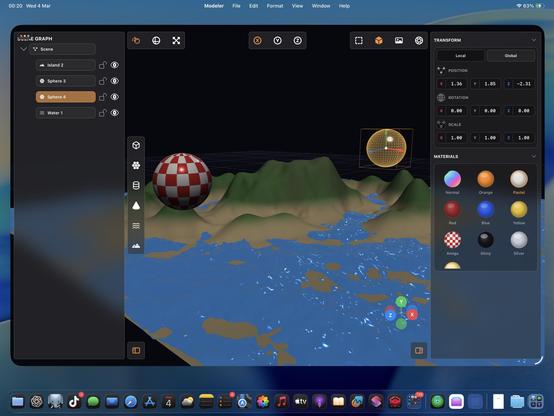
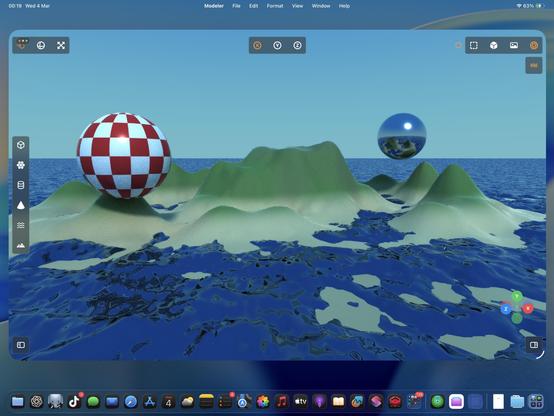
I thought my water should have some translucency and falloff, so I can put things underneath it
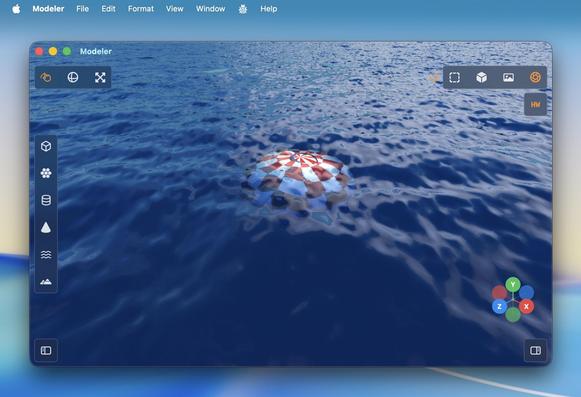
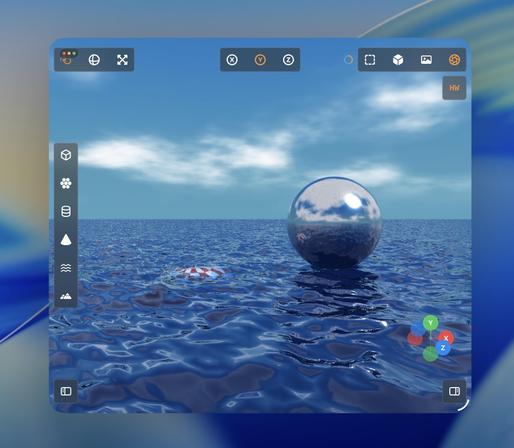
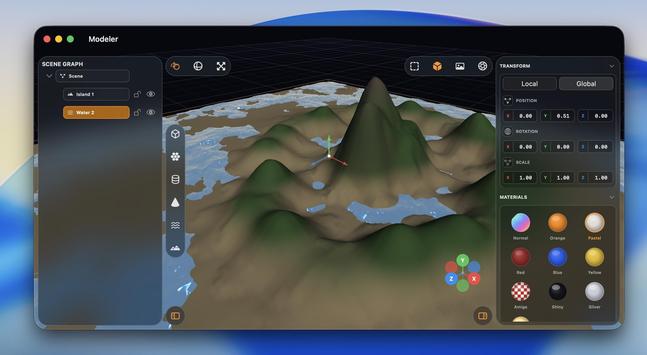
Recap: I vibecoded (code unseen, no plan) a 3D editor/renderer that has a scene graph, editing controls, primitives and gizmos, materials, procedural terrain and water, and hardware-accelerated Metal raytracing with soft shadows, clouds and bounce lighting, that runs on Mac and iPad.
Tool: Codex 5.3 Medium
Time: About a day's worth of work has gone into it
 Andy Wilkinson
@stroughtonsmith I wrote a vastly less capable 3D editor/renderer for my final year project at university. Year being the operative word there as that’s roughly how long it took me.
 Thomas Sturm
@ankinson @stroughtonsmith And you learned something doing it.
@tsturm @stroughtonsmith Yes, of course. We had radically different goals though. Producing what Steve has in a day, even if it’s just a throw-away bit of fun, remains striking to me.
 𝑀𝒶𝓀𝑒𝔸𝕧𝕠𝕪🦀
Makes you wonder who's code the LLM learned from. Is there a full metal project out there already? Does it have similar default menu elements? How much of it is novel here? How much more optimized would it be hand crafted? Is it negligible?