 inari
inariAnd yet only one of them gets flogged in the media

7.9% of US cars are EV.
The problem is that as they increase the equipment to put out a lithium fires is a different thing. The Telsa EV truck that caught fire required planes that dump water on wild fires to put them out.
ICE fires are super dangerous. Gasoline is explosive not just flammable.
BUt don’t undercut the reality of contemporary fire departments’ budgets not being able to keep up.
ok but show the ev fires at least…
firerescue1.com/…/burning-truck-carrying-li-ion-b…
40hours to wait for an EV battery fire too calm down from a truck accident carrying the batteries. I’m not saying evs are bad by any means, but this image is disingenuous imo.
The picture you offer for comparison is literally a truck load of batteries though. Seeing that an EV’s battery typically fits under the floor pan of the car, are we talking like, the equivalent of 10 cars worth of batteries in that pic?
But once the interior of a car catches fire from whatever starting source the pictures all look pretty much the same as they’re all filled with lovely hydrocarbon-based plastics that all burn in the same manner.
Well, except for the fact that lithium fires don’t go out. Like, you have to bury the entire vehicle in water to starve it from oxygen so that the fire will stop burning, and if you take it out of the water, then it will start burning again.
Like, don’t get me wrong. I’m very pro electric vehicle, but the quality of the fire matters just as much as the quantity of the fire.
There was a video from a youtube channel of a towing company that was them going out to an EV fire and they had to shut down a major road for a port and it took them, like, 3 days of just monitoring the vehicle before they felt it was anywhere close to being safe enough to tow/extract so they could bring it somewhere else to allow it to fully burn itself out. There’s also a major concern for EV fires in tunnels cause there a lot of ways to fire suppress in a tunnel for an ICE vehicle and there’s just… no way to stop lithium from going up and continuing to burn.
Basically, we shouldn’t treat EVs like they’re a magic bullet when they can be MORE dangerous in a lot of ways. It’s important to get off of gas and oil as soon as possible but we STILL have to acknowledge the dangers. Chemistry IS STILL CHEMISTRY whether it’s gasoline or a lithium battery.
They are already in production.
Yakeshi, Inner Mongolia | 5 February 2026 – CHANGAN Automobile, in partnership with CATL, today unveiled the world's first mass-production passenger vehicle equipped with sodium-ion batteries at the "CHANGAN SDA Intelligence Milestone Release & Sodium-Ion Battery Global Strategy Launch" event. The vehicle is set to reach the market by mid-2026.As CHANGAN's exclusive sodium-ion battery strategic partner, CATL will supply its Contemporary Amperex Technology Co., Limited (CATL) is a global leader in new energy innovative technologies, committed to providing premier solutions and services for new energy applications worldwide.
It took the firemen 45 minutes to put out my car after the full fuel tank ruptured.
An EV catching fire isn’t an ‘electrical fire’, it’s a metal fire. That’s why it takes so long to put out and you just kind of try to suffocate it and let it die out.
fuels battery fires
Not true. They put out burning electric cars with water all the time. The issue is that it usually won’t stop the thermal runaway reaction - it just pauses it. The car might re-ignite on its own later. That’s why my local fire station has a container full of water that they submerge the car in to cool the battery pack down and actually stop the reaction.
According to various tests, water has been found to have the most effective cooling effect. On the other hand, different reports have stated that extinguishing battery packs has in the worst cases taken several hours and required several cubic meters of extinguishing/cooling water.
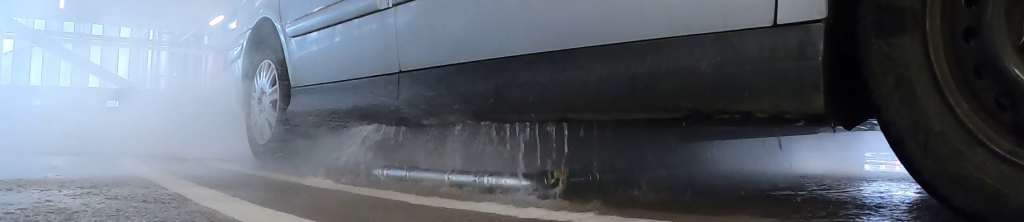
Especially in Central Europe, in certain areas, so-called extinguishing platforms are commonly used for extinguishing and cooling electric vehicle battery fires. In the extinguishing platform method, the car is submerged in water. The advantage of this method is that it effectively prevents the fire from spreading, and the contaminated extinguishing water can also be collected. In the method, all battery cells - including undamaged ones - go into short circuit, and as a result, no combustion energy remains in the battery pack.
In practice, this means at least several days of submersion to ensure that all battery cells have short-circuited and that the battery’s charge has been completely discharged. As the fleet of electric vehicles becomes more widespread, it is worth considering whether submerging the vehicle is an efficient and appropriate method.
Toimintamallin luonti sähköautopaloon Palopäällystöliiton Toimintamallin luonti sähköautopaloon -hankkeessa koostettiin yhteistä käsitystä siitä, miten pelastuslaitosten tulisi sähköautopalotilanteissa toimia. Työssä keskityttiin erityisesti rajatussa tilassa syttyvään sähköauton akkupaloon.…
Aren’t EVs mostly a thing to save the car industry, and not really in the end all that good for the environment? Between the ethics of the supply chains, to the actual environmental impact of material extraction, the benefits really only matter if all car owners swapped right away, and even then only begin to go carbon positive over a long time. While I realize not everywhere has transit available, where it is a way more positive environmental impact can be had from people just ditching cars outright. Though here in the states this quickly runs into problems with urban planning literally being intentionally bad to force people to own cars to keep the car industry alive.
I also don’t really know a ton about the car industry because I avoid them at all costs, so I’m happy to be educated. Almost of of my knowledge is from urbanism perspectives…
Trains are the way, but… Trains aren’t going to be adopted in low-density areas and there are deffo situations where car is good
We also deffo need to quit burning carbon for energy and cars take a hella lot of energy
So you are correct, but we also need to get off fossil fuel cars regardless
Electric cars get like 140 mpg eqiv when powered by coal plants. They get waaaayy more when solar powered.
They will also be much better environment-wise once we get the majority of battery material from old batteries
They should use another car in that image tho. F’n don’t put swasticars on your PSA. Will not age well
Aren’t EVs mostly a thing to save the car industry, and not really in the end all that good for the environment?
No that’s ICE talking points.
There’s obviously no comparison to be made with public transit, public transit kicks the ass of everything else in environmental friendliness. But it isn’t and won’t be an option in many cities and countries, so cars are here to stay for the medium future at least.
Given that we acknowledge the need for cars, what about the higher environmental impact of manufacturing them? Research shows that based on the cleanliness of the power sources the grid is using, it takes an average of 6 - 24 the for an EV to break even and start overtaking an ICE vehicle in (reduced) emissions. That’s not a long time in a car’s lifetime, and that’s not yet accounting for future economies of scale such as battery recycling that we don’t yet implement.
Every single person who spouts shit about EV fires also spends well over 20 hours a day with exactly the same battery technology six inches from their genitalia.
…they sleep with those batteries next to their faces.
…they abuse the hell out of the containers those batteries sit in. Drops, overheating, extreme temperatures, overcharging.
…most of them have multiple batteries in multiple devices on them. You stick them in your fucking ears. You wear them on your wrists.
But it’s the car that’s dangerous. Definitely the car. Not the bomb next to your dick.
I don’t want to fucking hear it.
Yeah, man, people walk around with little sticks of dynamite, why are they concerned about the literal ton of TNT on these cars? They’re equally dangerous! /s
I don’t disagree that it’s an overblown issue, but it’s not NOT an issue. EVs will burn for longer, hotter, and are harder to put out than ICE vehicles, but I don’t think it’s a compelling argument against adoption.
But the difference in scale between the examples you gave is extremely hilarious
While I agree with your sentiment, the glaring difference is none of the items you listed are used in situations which result in high speed, high mass, and resultantly high energy collisions.
EV fires wouldn’t be as newsworthy if Tesla didn’t have idiotic door latch mechanisms that trap occupants in their cars. EV fires would be less impactful if they didn’t use lithium batteries and if those batteries didn’t typically span the bottom of the passenger compartment.
I have hard time believing the stats in the picture.
So around 3.5% of all the hybrids eventually die in fire? Really? That number seems like it’s way too high.
I know EVs are safer in this regard, but I just can’t believe hybrids and gasoline cars being that bad. Do we have a source for this information.
P.S. The photos seem to be AI generated FWIW…
Furthermore, if its a world-wide stat, these chinese govt has produced a massive amount of EVs that they’ve parked in the middle of no where. If the EVs in the stats aren’t being driven, this isnt accurate.
I do not have anything against EVs, just misleading stats. But cant verify with no sources listed.
Bad comparison. Give us the number of death caused by burning car by type of car, it will be much more revealing of the safety of the cars.
Because, showing the frequency without the proper filtering of the cause of the fire don’t make any sens.
Fact 1: Car fires always neatly pop out of the engine block, they also have very little smoke due to the fact that cars themselves are a clean burning resource.
Fact 2: To put out a car fire you spray the side of the car as spraying the actual fire or engine block will make the fire VERY angry … and no one wants that.

In recent years, media reports of electric car fires have stoked concerns about the safety of electric vehicles (EVs). These highly publicized incidents often overshadow a more pressing reality: internal combustion engine (ICE) vehicles are far more likely to catch fire. While both EVs and ICE cars pose fire risks, the data shows that EV fires occur significantly less often. ✅ Quick Fact: According to data from the Swedish Civil Contingencies Agency, EV cars are 20 times less likely to catch fire than ICE cars, despite EV fire stories receiving disproportionate media coverage. Understanding the Fire Triangle in Vehicles All vehicles, whether powered by gas, diesel, or electricity, carry energy that can ignite under certain conditions. Fires require three elements to occur: fuel, an oxidant (typically air), and a source of ignition. In ICE vehicles, hot surfaces, leaking fuel lines, and sparking electrical systems are common ignition sources. For electric cars, battery fires—often caused by thermal runaway or electrical failures—are the main concern. EVs use lithium-ion batteries with an energy density of around 0.3 kWh/kg. Gasoline, by comparison, has an energy density of roughly 13 kWh/kg. That means ICE vehicles, including diesel cars, store nearly nine times more potential energy than EVs. When ICE cars catch fire, the results can be catastrophic, especially given the volatility of gasoline. Frequency: Are EV Fires More Likely? One of the most widespread myths is that electric vehicle fires happen more often than ICE vehicle fires. According to the National Transportation Safety Board and recent AI Overview findings, that couldn’t be further from the truth. Cost Factor Electric Vehicles (EVs) Internal Combustion Engine (ICE) Vehicles Purchase Price Typically higher upfront cost Lower initial cost Fuel/Energy Costs Lower per mile (electricity cheaper than gas) Higher due to gasoline/diesel prices Maintenance Costs Lower, due to fewer moving parts and no oil changes Higher, with regular oil changes and repairs Data from the Swedish Civil Contingencies Agency further supports this: only 23 fires occurred among 611,000 electric cars—an incident rate of just 0.004%, compared to 0.08% for ICE vehicles. So why the panic? EV fires are newer, more dramatic, and harder to extinguish, making them headline-worthy even though they are much rarer. All vehicles, whether powered by gas, diesel, or electricity, carry energy that can ignite under certain conditions. Fires require three elements to occur: fuel, an oxidant (typically air), and a source of ignition. In ICE vehicles, hot surfaces, leaking fuel lines, and sparking electrical systems are common ignition sources. For electric cars, battery fires—often caused by thermal runaway or electrical failures—are the main concern. EVs use lithium-ion batteries with an energy density of around 0.3 kWh/kg. Gasoline, by comparison, has an energy density of roughly 13 kWh/kg. That means ICE vehicles, including diesel cars, store nearly nine times more potential energy than EVs. When ICE cars catch fire, the results can be catastrophic, especially given the volatility of gasoline. Frequency: Are EV Fires More Likely? One of the most widespread myths is that electric vehicle fires happen more often than ICE vehicle fires. According to the National Transportation Safety Board and recent AI Overview findings, that couldn’t be further from the truth. Vehicle Type Fires per 100,000 Vehicles Relative Likelihood Electric Vehicles 25 1x ICE Vehicles 1,530 61x Hybrid Vehicles 3,475 139x Data from the Swedish Civil Contingencies Agency further supports this: only 23 fires occurred among 611,000 electric cars—an incident rate of just 0.004%, compared to 0.08% for ICE vehicles. So why the panic? EV fires are newer, more dramatic, and harder to extinguish, making them headline-worthy even though they are much rarer. A Cybertruck caught fire in Las Vegas last January. Image courtesy of Alcides Antunes/Reuters Despite this data, EV fires receive more public and media attention because they are new, less understood, and often more dramatic due to battery chemistry. The visual intensity and the challenge of extinguishing an EV fire, especially when reignition occurs, can contribute to a heightened perception of risk. However, the reality is that most fires occur in older, poorly maintained ICE vehicles, and the actual frequency of electric vehicle fires remains very low compared to other vehicle types. How EV Fires Differ from ICE Vehicle Fires While EVs are less likely to catch fire, when electric vehicle fires do happen, they behave differently: Factor EV Fires ICE Vehicle Fires Temperature Up to 1,000°F hotter Standard combustion temperatures Reignition Risk High (can reignite after hours/days) Low Water Needed Up to 150,000 liters 1,000–2,000 liters Toxic Emissions Possible (battery chemicals) Typically carbon monoxide and fuel vapors Cause Thermal runaway, battery damage Fuel leaks, exhaust heat, electrical faults EV battery fires burn hotter and longer, with a risk of reignition due to thermal runaway. This demands specialized training, equipment, and protocols for first responders. In addition to airborne toxins, hazardous runoff can occur from burning battery packs—adding water containment challenges to the equation. Why Do EV Fires Happen? Most electric vehicle fires are linked to three factors: Charging incidents: Over a third of all EV fires happen while the vehicle is charging or within one hour of being plugged in. Battery damage: Impacts from crashes can trigger internal short circuits in the battery pack. Thermal runaway: When an EV catches fire, a chemical reaction inside a damaged cell can spread heat to adjacent cells, creating a chain reaction of fire. These risks are manageable with proper battery management systems and regular maintenance. However, they do require different training and protocols for emergency responders. Safe Charging Starts with Safe Equipment Using certified, well-designed EV charging equipment dramatically reduces the risk of fire. Products that are UL-listed, weather-resistant, and include overcurrent protection, like Lectron’s, provide peace of mind during overnight or unattended charging. 🔗 Explore EV Chargers Level 1 EV Chargers Level 2 EV Chargers EV Adapters The Risks of ICE Car Fires ICE vehicles are still the most frequent source of vehicle fires, due to: Fuel system leaks: Gasoline is volatile and ignites easily. Exhaust heat: High temperatures can ignite nearby materials. Aging parts: 77% of fires occur in vehicles made before 2007. Electrical faults: Just like EVs, ICE vehicles are vulnerable to shorts and arcing. Routine wear and lack of maintenance are the biggest contributors to ICE vehicle fires. Mitigating Fire Risks in EVs and ICE Vehicles Risk Area Electric Vehicles (EVs) Internal Combustion Engine (ICE) Vehicles Battery/Fuel Design Solid-state batteries in development Fuel system designs improving but still high-risk Maintenance Battery management, charging infrastructure checks Regular inspection of fuel lines, exhaust systems Emergency Response New training, thermal blankets, EV-safe extinguishers Standard firefighting equipment and methods Charging Infrastructure Installation standards, smart chargers, circuit protection Not applicable EVs benefit from advancing battery technology and specialized maintenance and emergency response protocols, including smart charging and new firefighter training. In contrast, ICE vehicles focus on improving fuel system safety and rely on traditional maintenance and firefighting methods. Notably, charging infrastructure fire risks apply only to EVs. The Role of Smart Charging Technology in Fire Prevention One of the most effective ways to reduce fire risks during EV charging is through smart charging technology. Unlike basic chargers, smart chargers are equipped with safety and diagnostic features designed to detect and respond to dangerous conditions before they escalate into fire hazards. Lectron’s smart charging solutions are engineered with multiple layers of protection to ensure safe, reliable charging every time. Key Safety Features in Smart Chargers: Overcurrent Protection: Prevents excessive electrical flow that can cause overheating or damage to the charger and battery. Temperature Monitoring: Sensors constantly check for abnormal heat levels in both the charger and the vehicle connector, reducing the risk of thermal runaway. Automatic Shutoff: If the charger detects a fault—such as a short circuit, overheating, or grounding issue—it immediately stops power delivery to prevent potential ignition. LED Fault Indicators: Visual cues alert users to errors like grounding faults, overheating, or poor connections, helping them take quick corrective action. By choosing smart charging equipment with built-in diagnostics and automated safety responses, EV owners can reduce the chance of charging-related fires, especially during overnight charging or in unattended environments. 🔗 Featured Safety-First Products by Lectron: Lectron V-Box 40A Level 2 Charger: Offers up to 48A fast, customizable charging with a 20-foot cable. Durable and weatherproof (IP55), certified for safety, and eligible for rebates. Includes cable hook and 1-year warranty. Lectron Tesla to J1772 Adapter (80A): Lets J1772 EVs use Tesla Destination Chargers (not Superchargers) with up to 80A support. Compact, durable, and portable for reliable charging anywhere. Lectron Portable Level 1 Charger: Charges any EV from a standard 110V outlet at 15A. Available with smart WiFi controls or basic LED indicators. Weather-resistant, ETL-certified, and designed for safe, travel-friendly use. Best Practices for Safer EV Charging at Home Charging your EV at home is convenient but requires safety precautions to reduce fire risk and protect your equipment. Install a Dedicated Circuit: Have a certified electrician set up a dedicated circuit for your charger to prevent overheating and fire risks. Use Certified Charging Equipment: Always use UL-listed or equivalent chargers and adapters with built-in safety protections. Avoid Extension Cords: Never use standard extension cords with your EV charger to avoid overheating hazards. Install a Ground Fault Circuit Interrupter (GFCI): Protect your charging area from electrical leaks, especially in damp or outdoor locations. Inspect Equipment Regularly: Check cables and plugs for damage and stop using them if any wear or faults appear. Charge in a Well-Ventilated Area: Ensure good airflow to prevent heat buildup during charging. Don’t Override Safety Features: Never disable built-in temperature limits or shutoff mechanisms. Avoid Charging Damaged Batteries: Have your EV battery inspected if damaged before charging again. Conclusion: Different Fires, Different Risks While electric car fires can burn hotter and be harder to extinguish, they are much less likely to occur than fires in internal combustion engine (ICE) vehicles. ICE cars remain the leading cause of vehicle fires, largely due to their higher energy density, flammable fuel, and the prevalence of older vehicles on the road. Although the perceived risk of EVs catching fire may be exaggerated, the risk profile is indeed different. As battery technology advances—especially with the development and future adoption of solid-state batteries—EV fire frequency is expected to decrease significantly. With ongoing improvements and proper precautions, electric vehicles continue to offer a safer, cleaner, and more efficient alternative to traditional gas-powered cars. FAQs Are electric car fires harder to extinguish? Yes. An EV fire requires much more water and may reignite hours or days later, posing a significant challenge for firefighters. Are EV vehicles at risk for fire? Yes, but they are 20 to 80 times less likely to catch fire than ICE cars. Most EV fires are caused by battery damage or charging issues. Why are EV car fires so hard to put out? EV fires involve thermal runaway in lithium-ion batteries, which can burn hotter and longer and reignite even after the flames are out. What is the temperature of EV battery fire? An EV battery fire can reach temperatures more than 1,000°F hotter than ICE vehicle fires, increasing the danger to surrounding vehicles and structures. What kind of charging equipment is safest for EVs? Certified, UL-listed chargers with safety mechanisms such as temperature sensors and overcurrent protection. Do Lectron chargers include safety features to prevent EV fires during home charging? Yes. Lectron chargers are designed with advanced protection against overheating, overcurrent, and other electrical faults. How do Lectron adapters reduce the risk of fire during EV charging? Lectron adapters are built with high-quality materials and safety standards to ensure stable and secure connections. Are EVs safe to charge in a garage overnight? Yes, provided you use a certified charger, install it correctly, and avoid overloading circuits. As a first-time EV owner, what safety checks should I do when installing a home charger? Ensure proper circuit capacity, use a certified electrician, and inspect for signs of wear or overheating regularly. What should I do if my Lectron charger overheats during use? Immediately unplug the unit and contact Lectron support. Do not continue charging until the issue is resolved.
 TheReturnOfPEB
 Photonic
 Brave Little Hitachi Wand
 Dave.
Dave. bizarroland
 Lemmyoutofhere
 Arkhive
 guynamedzero
 ProdigalFrog
 ☂️-
☂️-