🔍👀IN SEARCH OF BLOSSOMS🗺️🌸

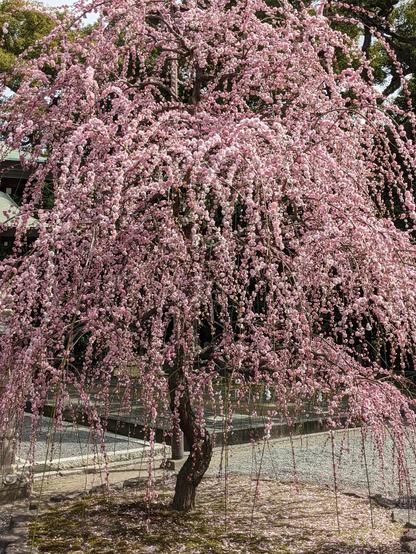
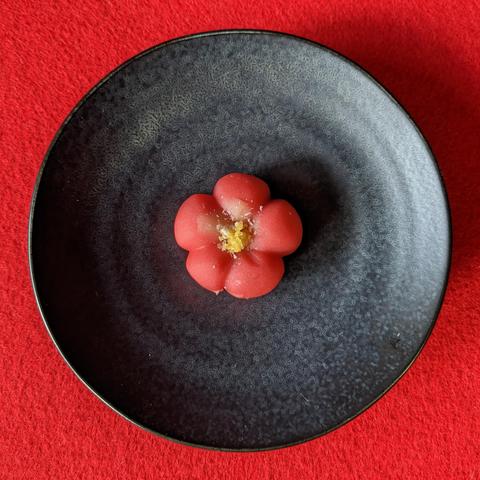
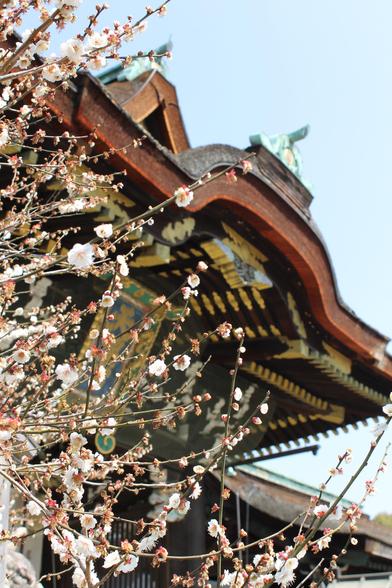
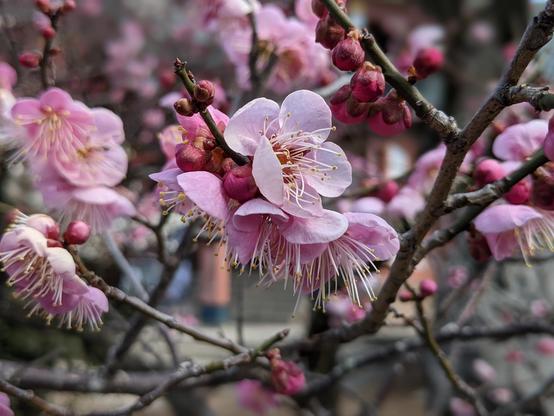
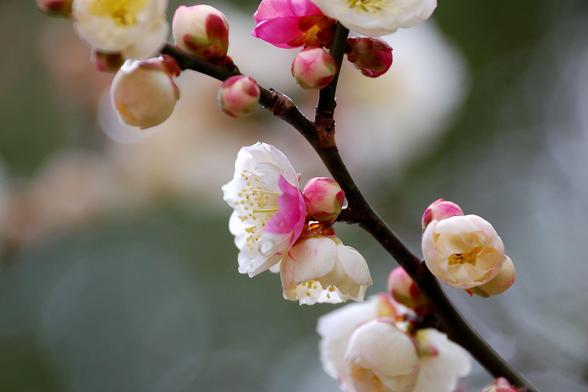
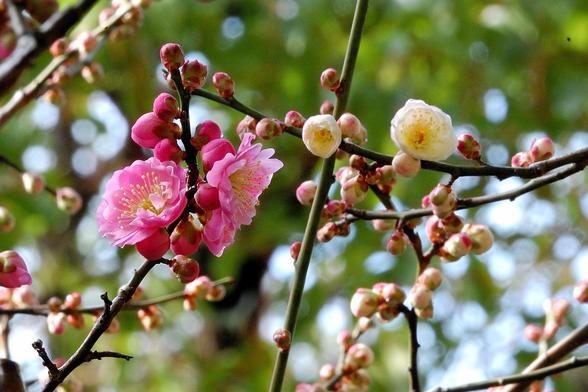
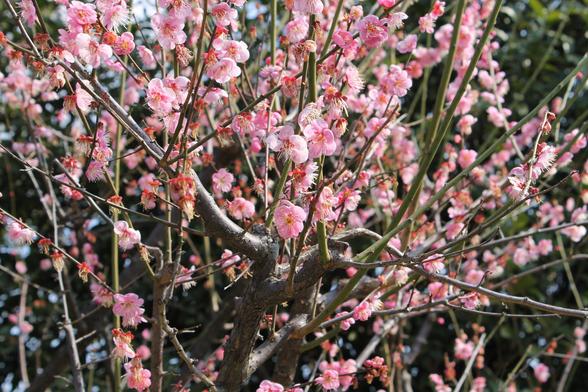
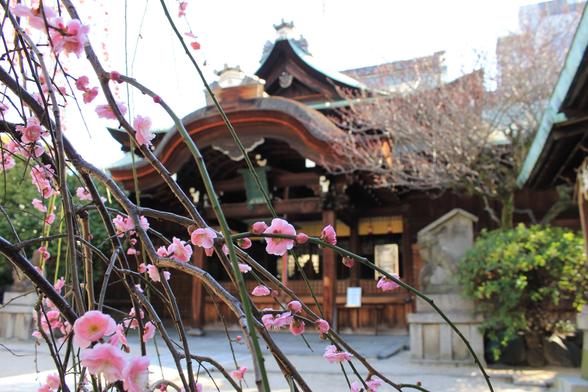
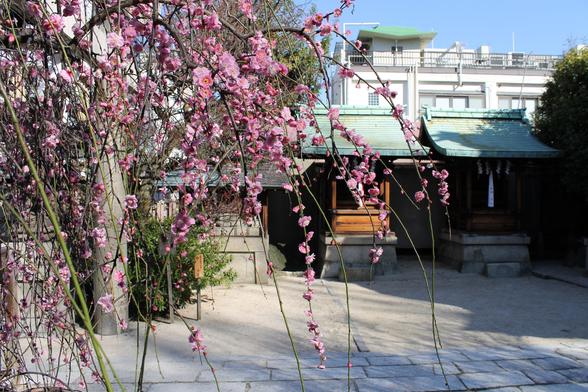
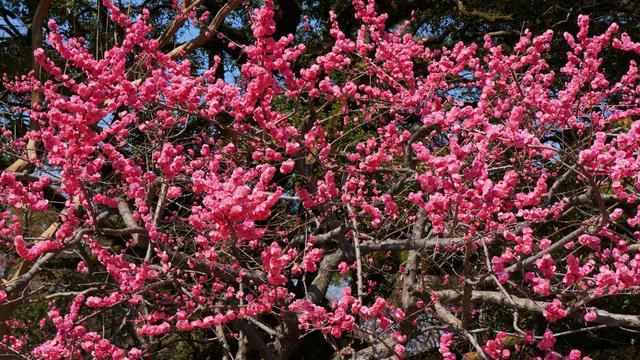
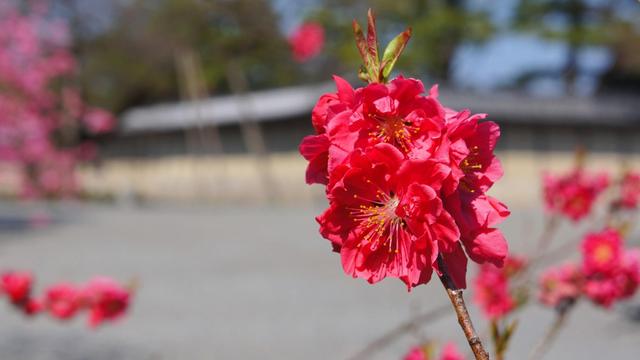
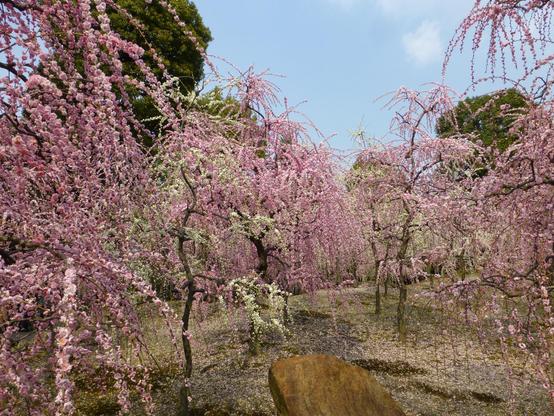
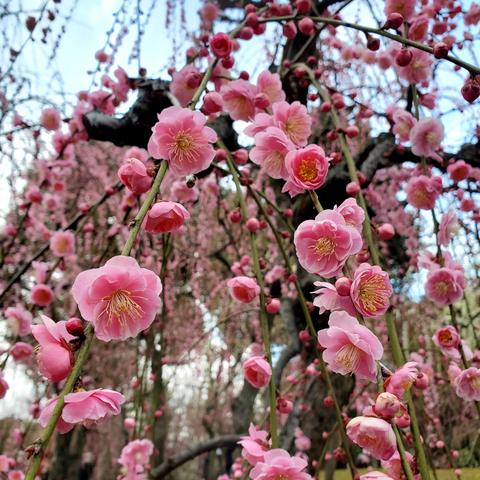
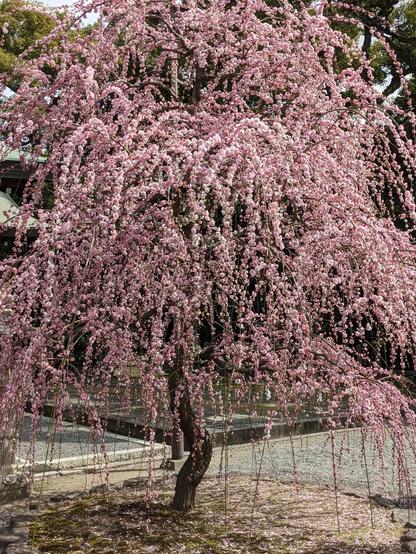
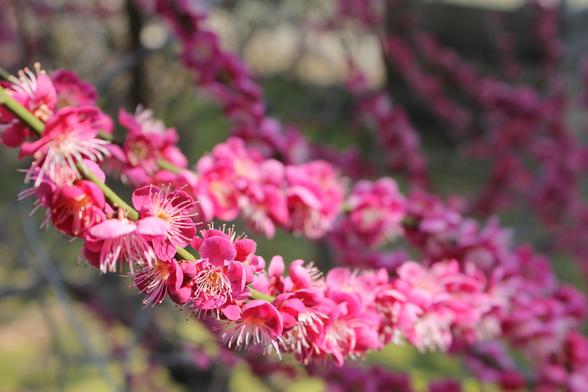
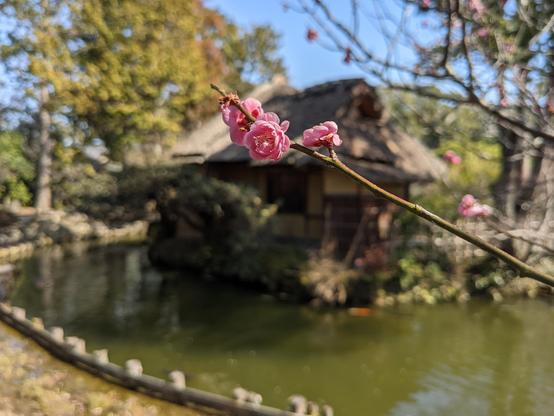
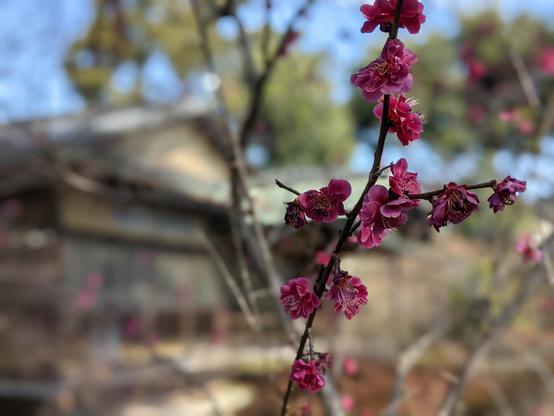
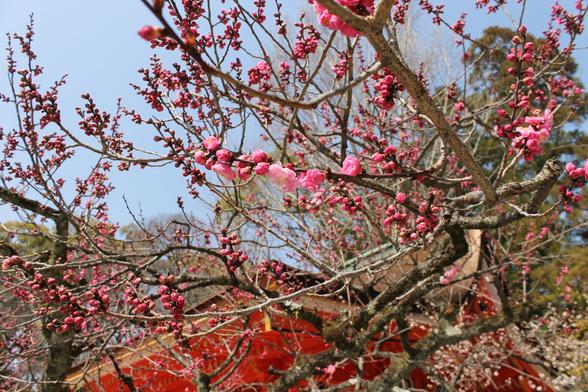
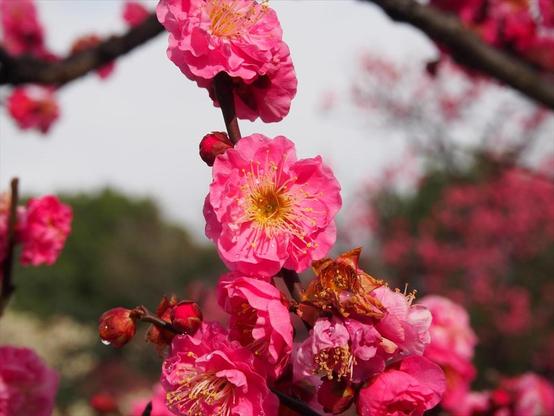
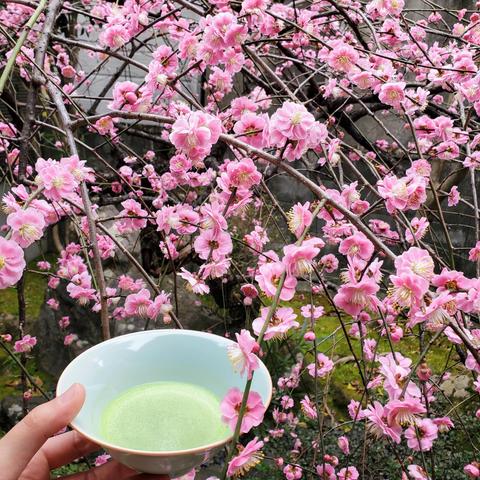
Plum blossoms (梅 'ume'/aka the 'Japanese apricot') herald springtime in Japan, arriving a few weeks before the first cherry blossoms (桜)🙌

Here is a handy thread about some of the best places to catch ume in Kyōto...
#Kyoto #京都 #梅 #plumblossoms #ume #梅の花 #Japan

plum flowers far and near
shall I go to the south?
shall I go north?
梅遠近南すべく北すべく
-Yosa-no-Buson (与謝蕪村 1716-84).

one branch makes
Kyōto's sky...
plum blossoms
片枝は都の空よむめの花
-Kobayashi Issa (小林一茶), 1802.
Trans. David Lanoue.
#haiku #plumblossoms #ume
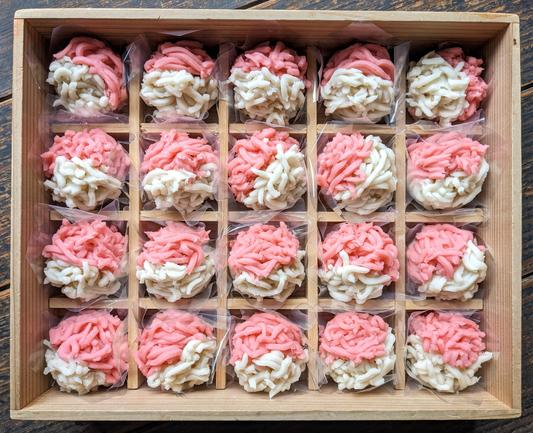
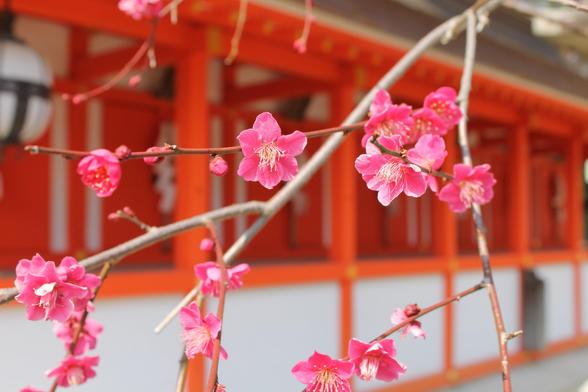
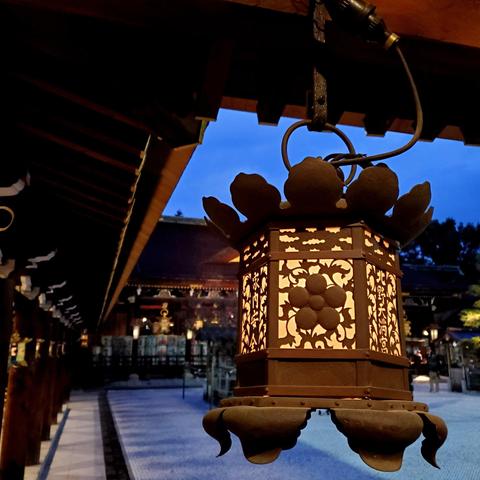
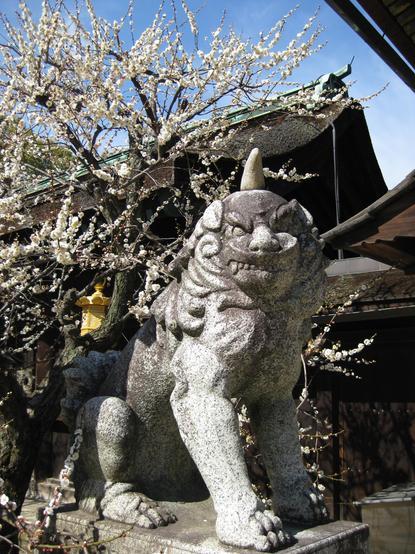
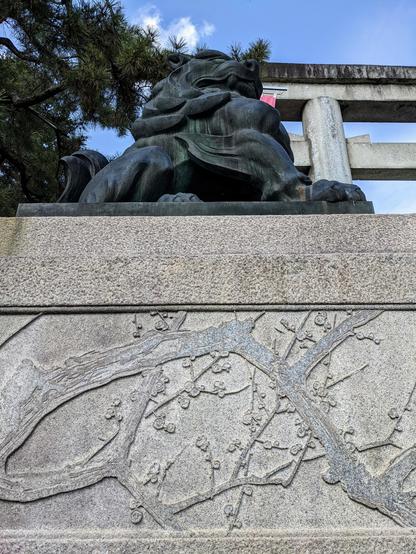
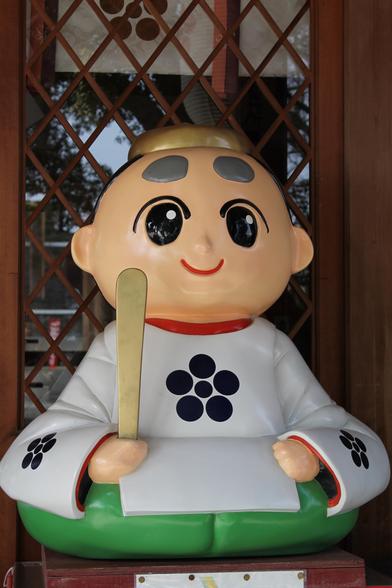
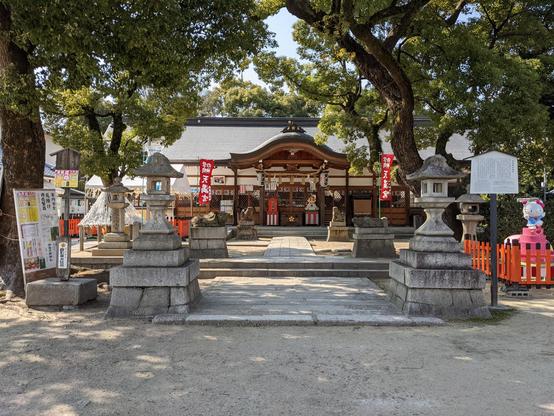
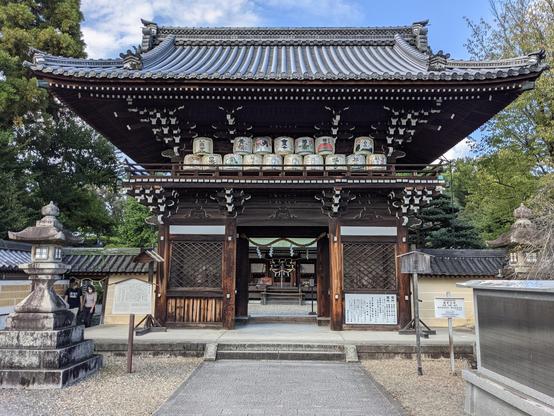
1) Kitano Tenman-gū (北野天満宮) is undoubtedly the home of ume blossoms in Kyotō.
Sugawara-no-Michizane (菅原道真 845-903), deified here as the god of scholarship and learning, was passionate about plum blossoms.
From early February the shrine's orchard of ume trees opens.
#Kyoto
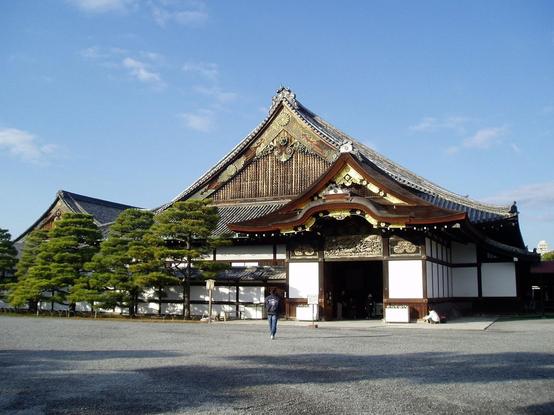
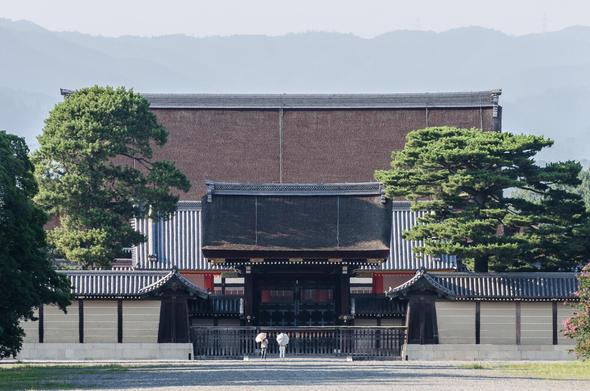
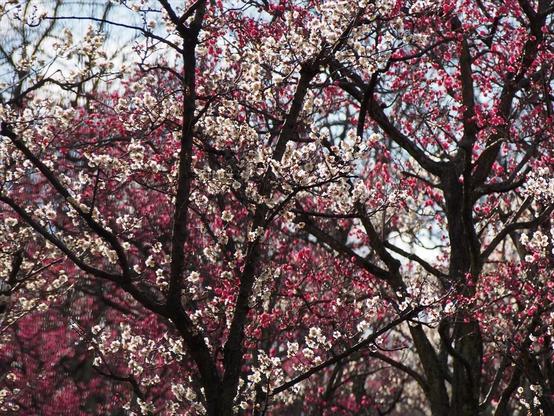
2) Nijō Castle's (二条城) orchard has over 100 ume trees, but the most unusual and beautiful is the 'Genpei sakiwake ume' (源平咲き分け梅).
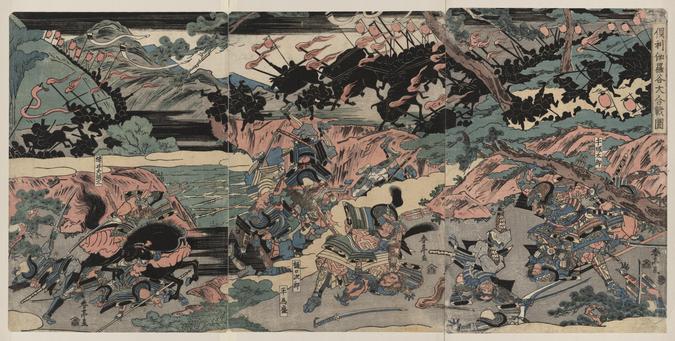
Named after the warring Genji (源氏) and Taira clans (平氏), both white and pink blossoms do 'battle' (bloom) on a single tree.
#Kyoto #Japan
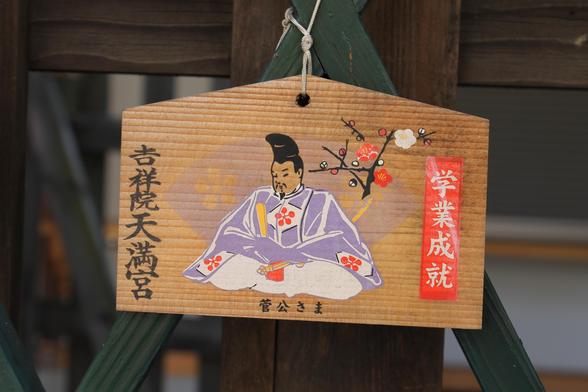
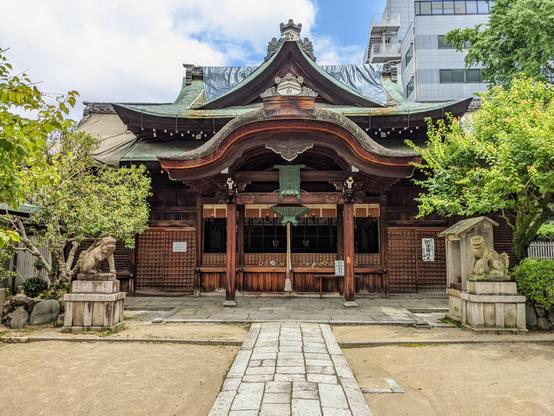
3) Far less well-known than Kitano Tenman-gū, Kisshōin Tenman-gū (吉祥院天満宮) was originally a Sugawara mansion called Sugawara-in (菅原院).
Built in 794 by Sugawara-no-Furuhito (菅原古人-great grandfather of Michizane), it was made into a shrine after Michizane's deification.
4) Sugawara-no-Michizane was likely born at the home and private school ('Sanin-tei' 山陰亭) of his father Koreyoshi (是善).
Known as Kōbai-dono (紅梅殿 'Red Plum Blossom Mansion'), after a beloved ume tree, the villa was later transformed into Kandaijin Tenman-gū (菅大臣天満宮).
5) 'Kyōto-gyoen' (京都御苑), due to its proximity to the city centre, is one of the most accessible spots to enjoy ume for those with a tight schedule.
The palace park's ume grove was created in 1945, 200 plum trees grown from branch grafts donated by shrines all over the city.
6) Famed for its ume, from late February Jōnan-gū (城南宮) hosts the 'Plum Blossom Festival' (梅まつり).
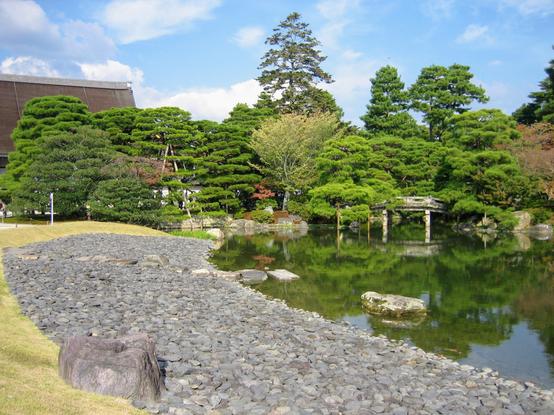
The shrine boasts five distinctive gardens. 4 were designed by master landscaper Nakane Kinsaku (中根金作 1917-95), who was inspired by different periods of Japanese history.
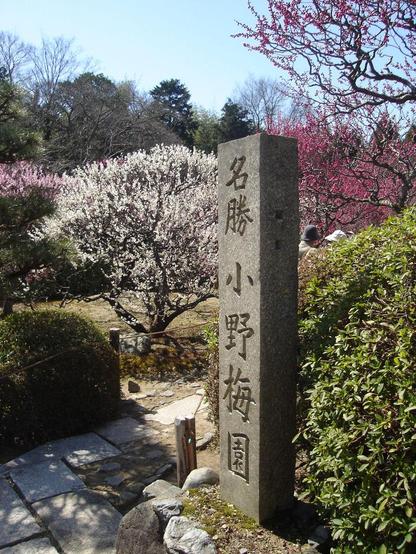
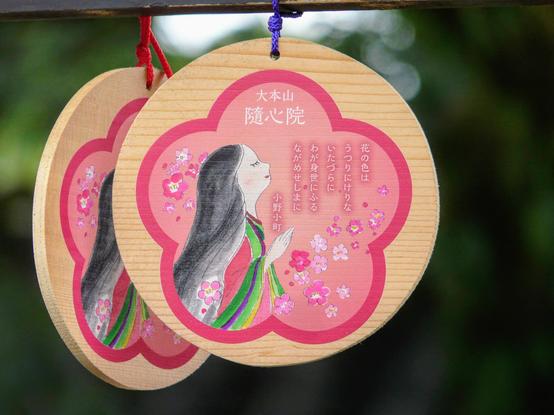
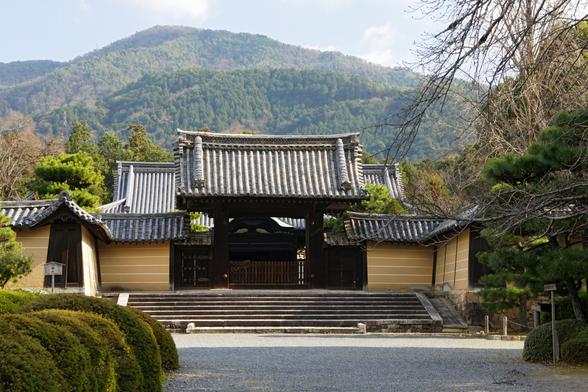
7) Zuishin-in (随心院) has a deep connection to the poet Ono-no-Komachi (小野小町 825-900), who allegedly had a retreat nearby.
Known for her beauty, Ono lends her name to the temple's orchard of 230 trees ('Ono Baien' 小野梅園).
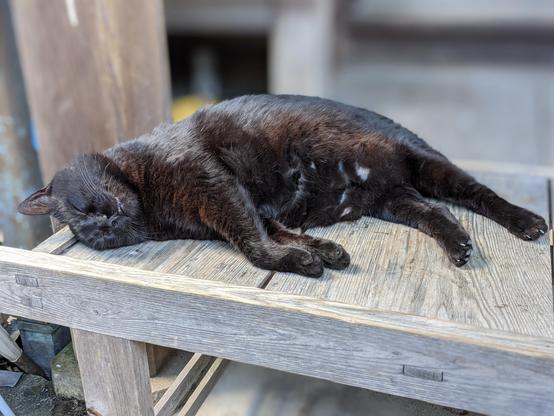
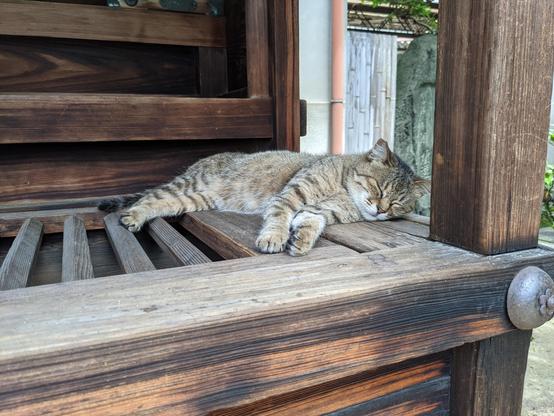
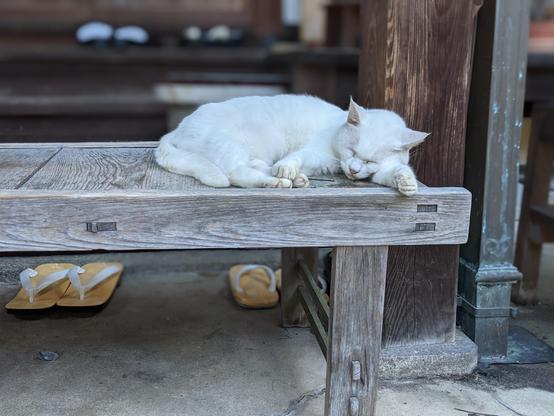
8) In recent years Umenomiya Taisha's (梅宮大社) fortunes have revived thanks to the work of photographer Iwagō Mitsuaki (岩合光昭), who shot images of the many cats that live in the grounds.
The shrine is known for its hydrangea, irises, spider lilies and 400 ume trees.
#Kyoto

One of the gods enshrined at Umenomiya guards women during childbirth. It's thought the connection between ume & the shrine evolved because umu (生む 'childbirth') sounds similar to ume (梅 'plum blossoms').

sleeping in a row-
little butterfly, cat
high priest
-Issa (小林一茶).
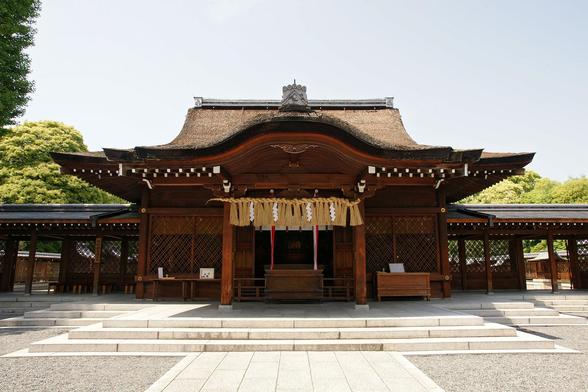
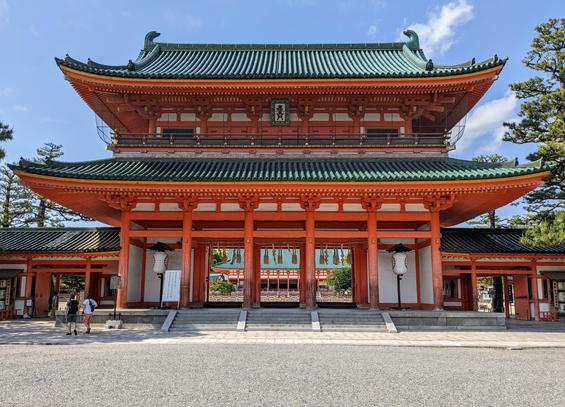
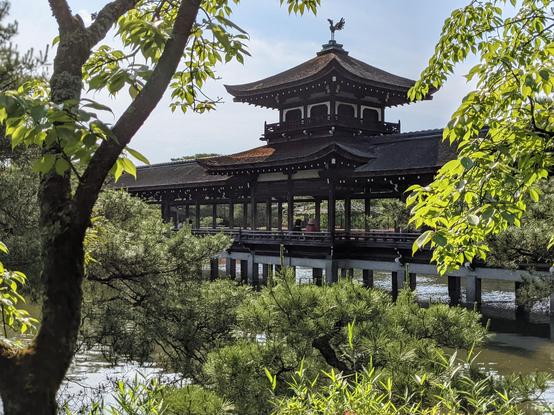
9) Heian Jingū (平安神宮) enshrines Kyōto's first and last emperors, and replicates part of the original Heian Palace.
Famed landscaper Ogawa Jihei (小川治兵衛) created 3 of the shrine's 4 sprawling gardens (which cover 33,000m2), blending Heian and Meiji period aesthetics.
#Japan
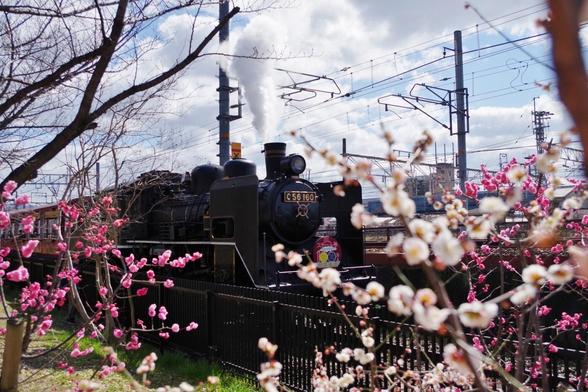
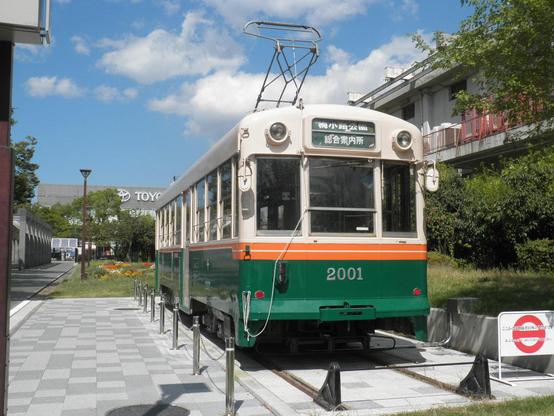
10) Umekōji Park (梅小路公園), close to Kyōto's main station, sprawls between Kyōto Railway Museum (京都鉄道博物館) and Kyōto Aquarium (京都水族館).
It's home to 140 ume trees (of 14 species), many of which bloom early. An ume festival is held from mid-February(ish) to early March.
@camelliakyoto 写真は今日とられたのですか?are these photos from today?
@camelliakyoto we have not been in Japan for springtime yet, but it’s in our plans! Beautiful pictures!