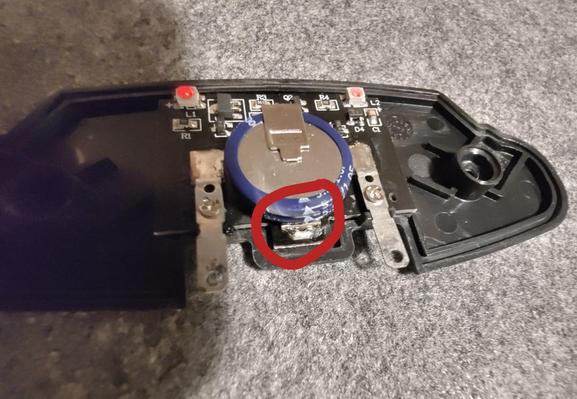
Today's second biggest success in saving something from the scrapheap was repairing my rear #bike light. Turns out the solder at the bottom connection (in the red circle) under the capacitor had cracked. Holding a hot soldering iron against it seems to have restored it. That's also 9€ saved.

It kind of annoys me that this is so simple to fix, but it's almost never worth the effort. It's a cheap rear dynamo light, and it works fine apart from this minor repair. It shouldn't be an expensive part, then again just a little more quality would hopefully prevent them breaking so quickly.

#RightToRepair #Repair #BikeTooter

Today's biggest success in waste reduction will have to wait for another time. Ohhh, I'm such a tease.

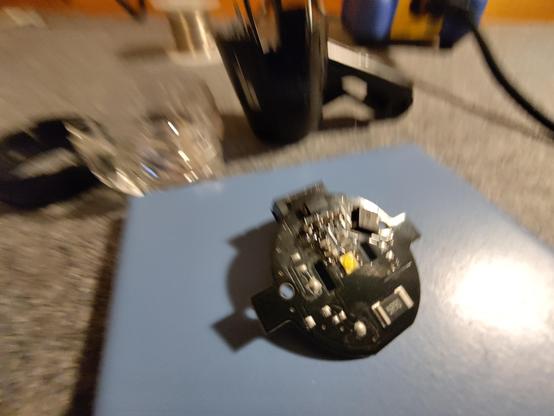
So in almost a repeat of yesterday's issue. This time the dry #solder connection was in the front #bike light, where the switch also connects the rear lights. So it took longer to figure out that it wasn't the rear light that was broken. While I complained about yesterday's light, it did have screws to open and close it. This headlight didn't, and was an absolute bar steward to get open, as it was just clamped/glued shut.

I don't know much about #soldering, but is this common case of joints going brittle with time anything to do with the banning of lead in solder?

(For whatever reason my phone decided this picture should be blurry, so imagine I did this repair at very high speed.)

#RightToRepair #BikeTooter

@hl The joint went brittle because it wasn't a good solder. The rosin has to spill out. You've got radios from the 40s and 50s still chugging along today. However, I'll admit it's odd with Japanese gear, for example...
@hl Probably a little bit related: lead solder melts at colder temperatures, so lead free solder needs more accurate control to fully melt but not burn the components. But more just that hotter takes longer, which is expensive.