@samueljohnson
As for the moral debt, I don’t think it works anywhere beyond the individual level. Above that, the level of complexity is such that you must employ instruments designed for handling that complexity - that is negotiation on legal terms.
In all kind of state-level oppression, you must have some kind of closure. For most nations - and Poland and Ireland were in the same boat here - the ultimate closure was regaining independence. From that moment, you’re on your own and you’re the only party responsible for the state of your country.
In Poland that happened twice - 1918 and then 1989. In both cases nobody had any illusions that the occupiers will pay any kind of reparations or something simply because they - thank God - collapsed.
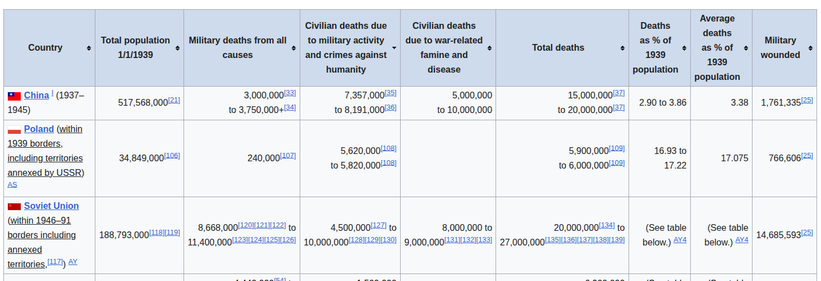
The case of Germany is more interesting because German reparations for Poland were rejected (!) by Soviet Union on Poland’s behalf (USSR itself, of course, happily took $12b in today’s money in reparations for itself).
Today this serves some Polish populist politicians to demand “reparations” which, 80 years later, sounds absurd to me. This dispute only serves heating the political polarization inside Poland, but that’s its very purpose - justify your inability to manage the country by some ancient events.
The people who live in Germany today are completely different people than those who started the war, and the people in today’s Poland are completely different people than those who were killed back then. There’s still some questions from WW2 that are not fully resolved (like theft of art), but these can be only dealt on legal level due to their complexity.
For the same reason I consider the US “white guilt” concepts equally absurd and only serving disintegration of the society and actually bringing back the old racial divisions.
@solar_chase
 Jenny Chase

 Nicole Sullivan
 Björn ❄️ Starkimarm
 Su_G
Su_G Earth Notes
 soaproot
 kravietz 🦇
 SamuelJohnson
 Scooter