🙏'FLOWERS OF THE DEAD'😰

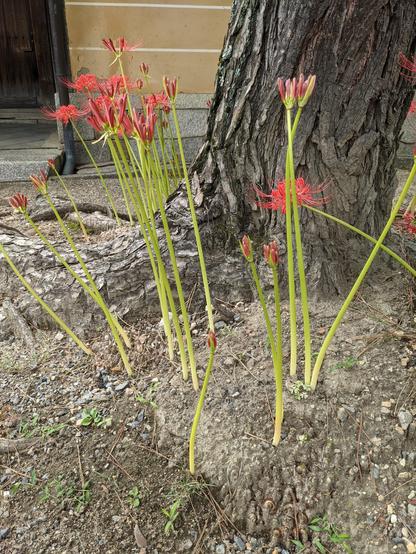
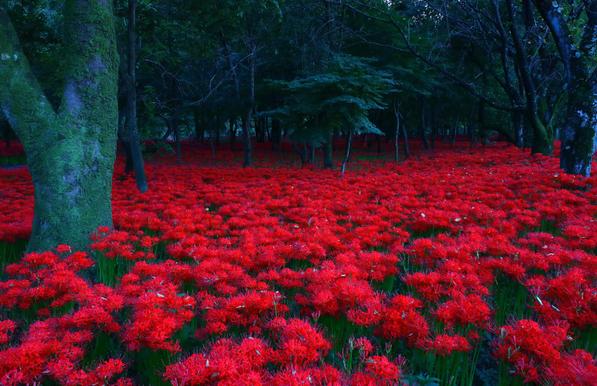
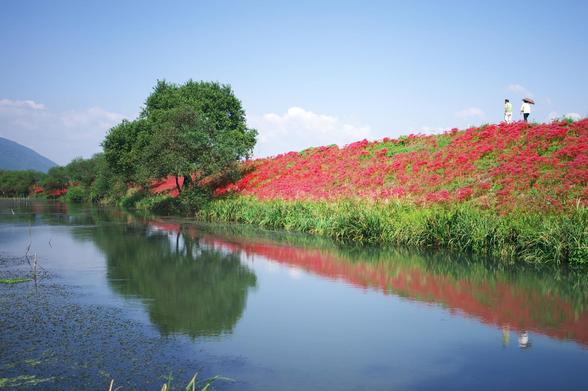
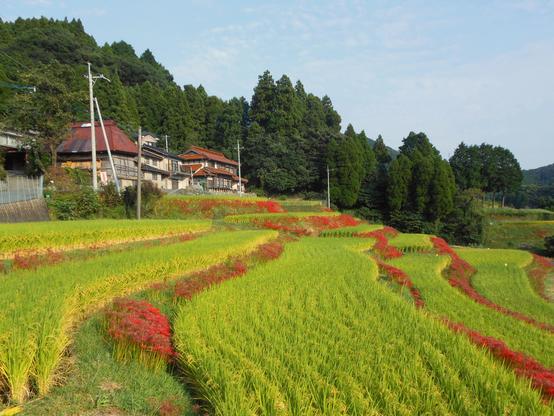
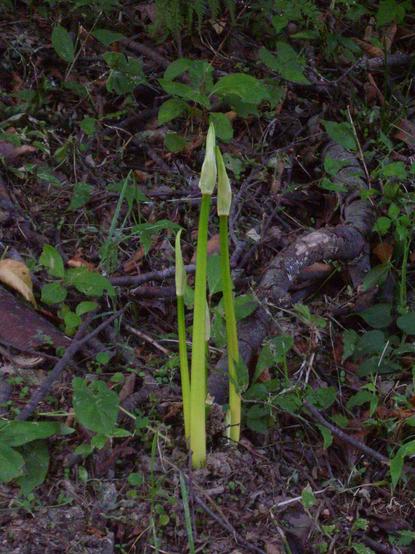
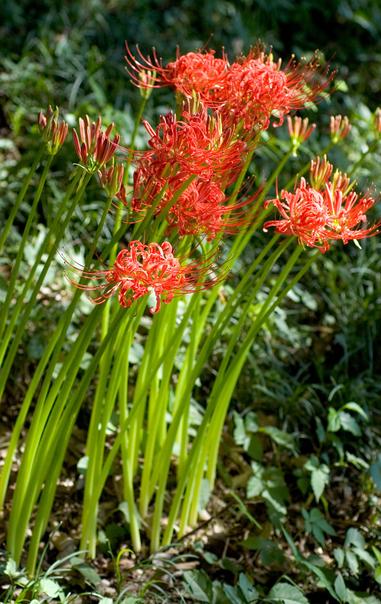
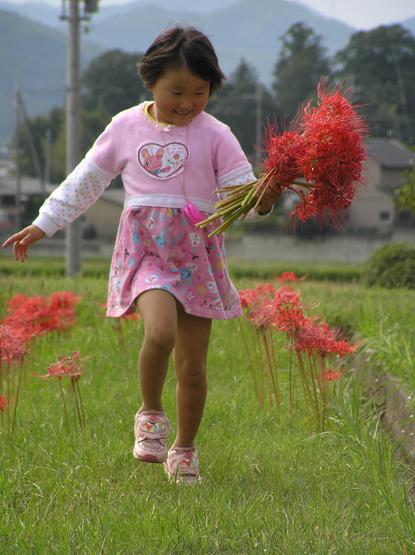
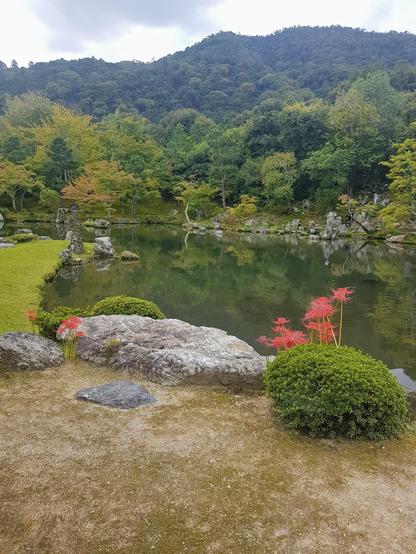
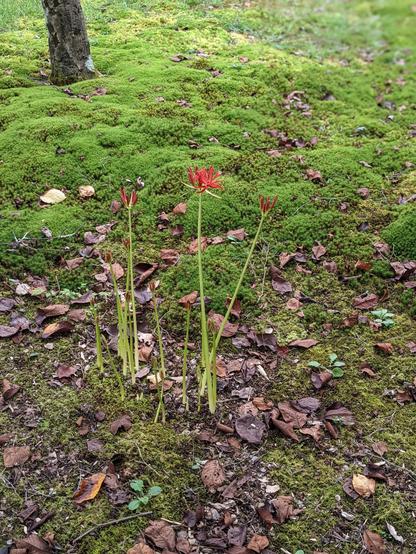
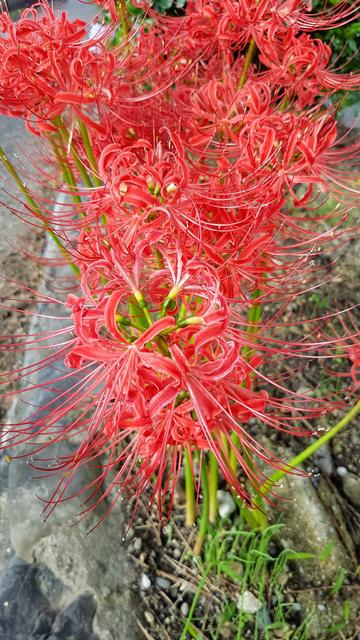
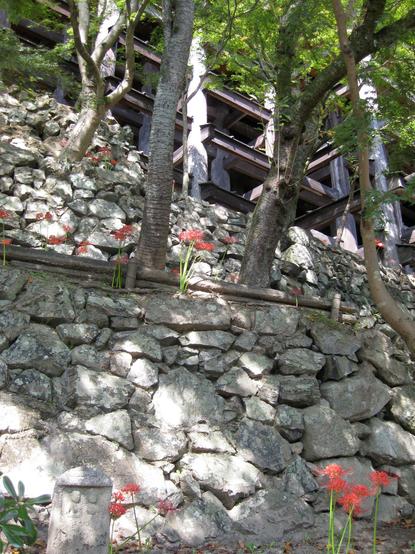
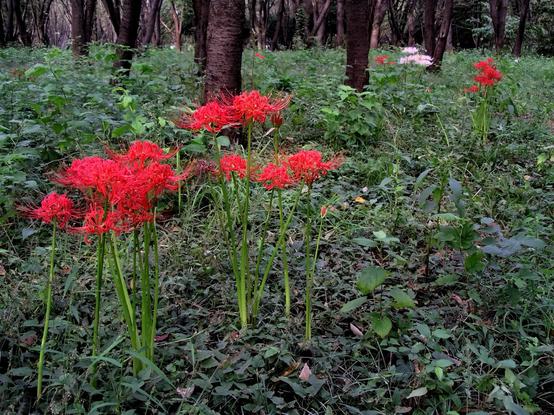
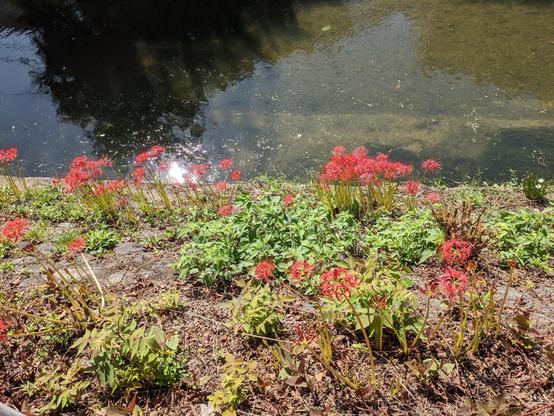
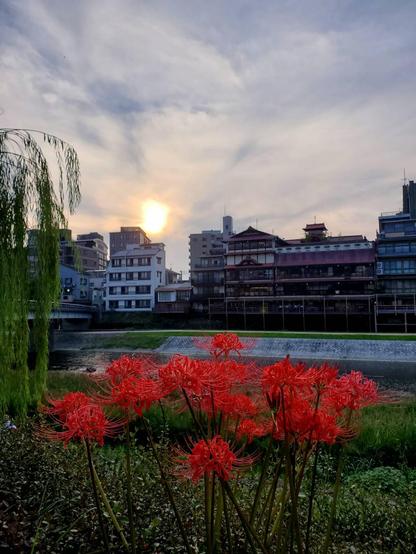
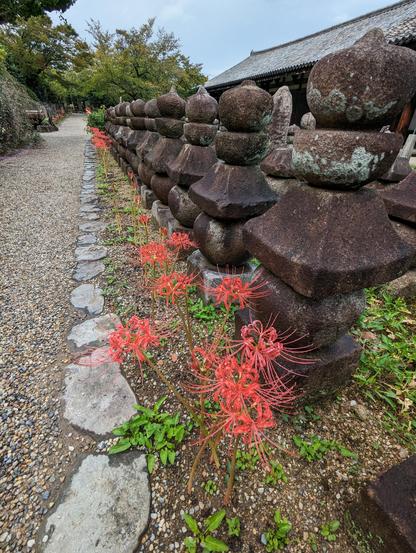
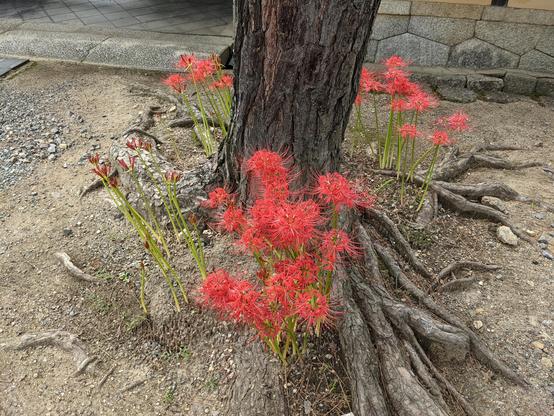
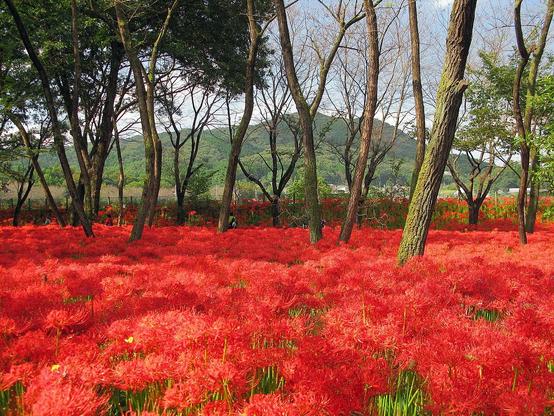
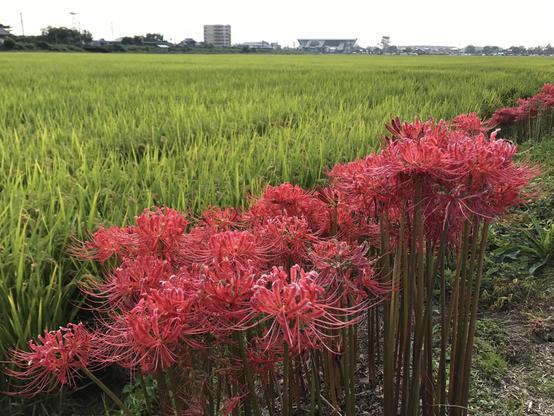
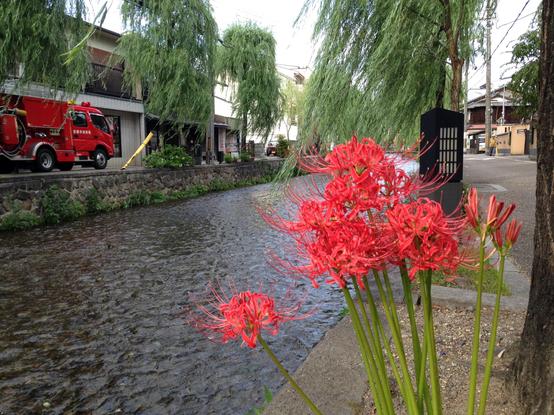
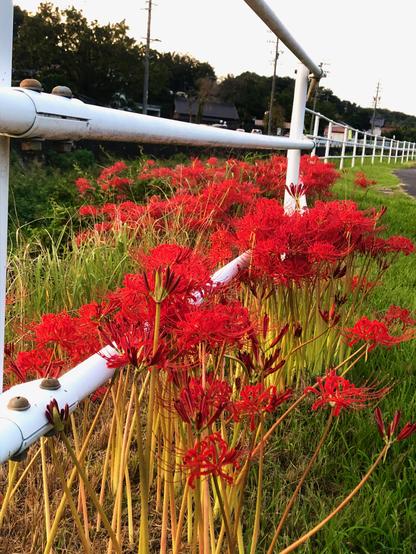
From early autumn vivid clusters of flowers begin to frequently appear beside the roads, rice fields and waterways of Kyōto.

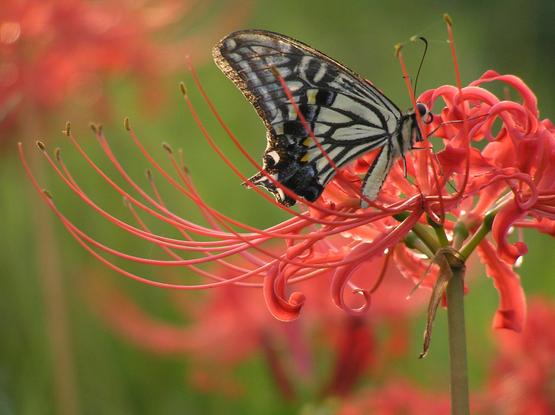
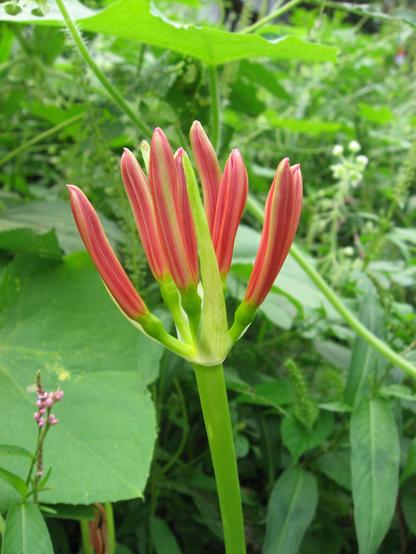
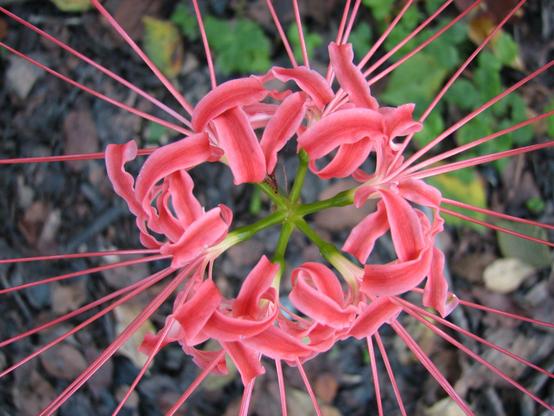
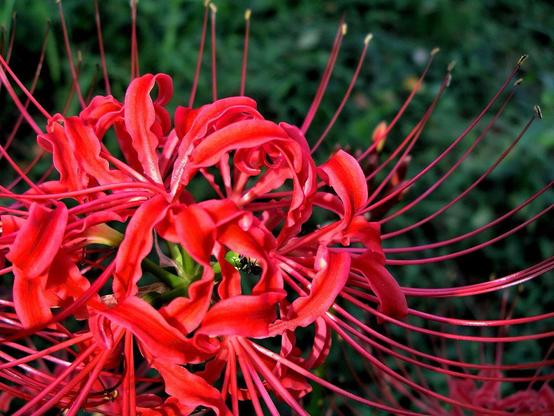
In Japan spider lilies (particularly the red variety) are known as 'higanbana' (彼岸花), as they bloom around the fall equinox.
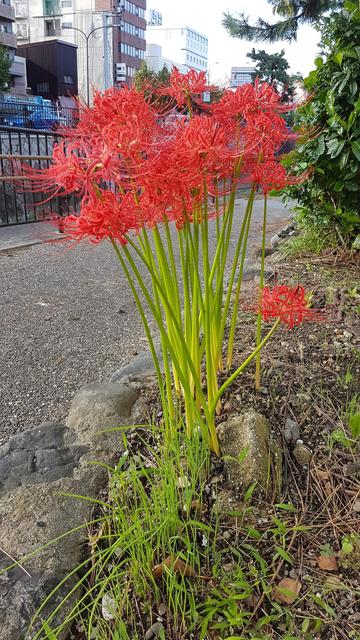
#higanbana #彼岸花 #Japan

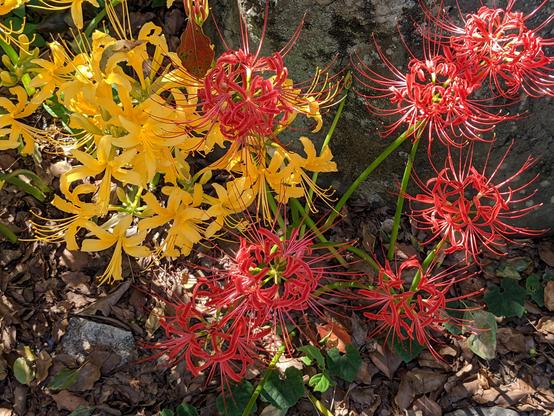
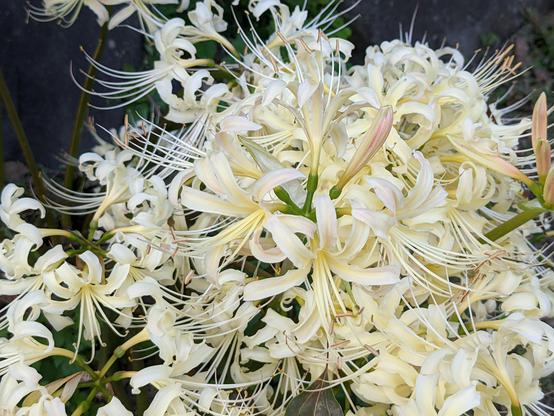
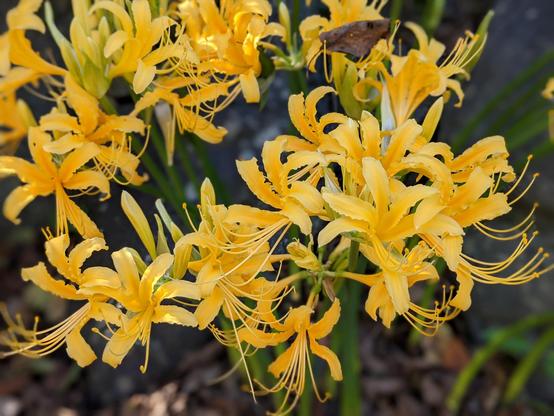
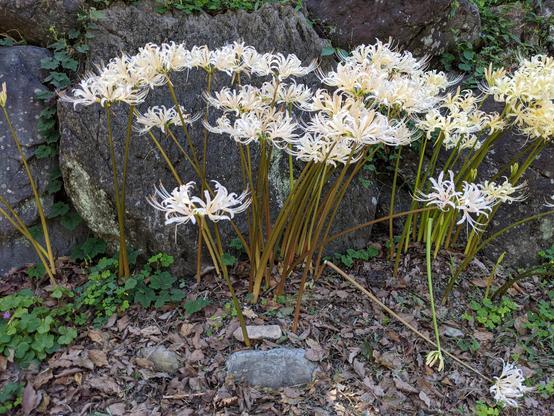
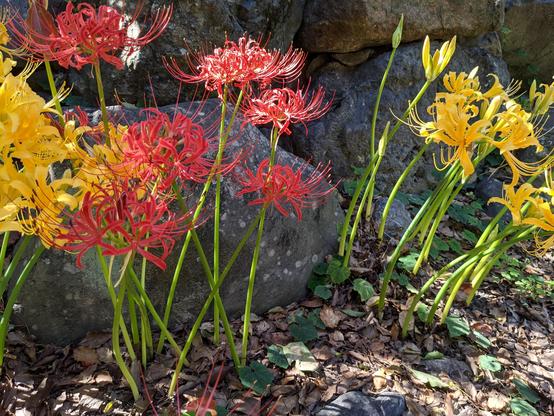
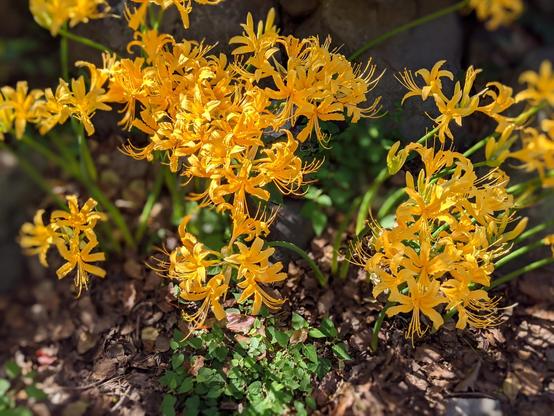
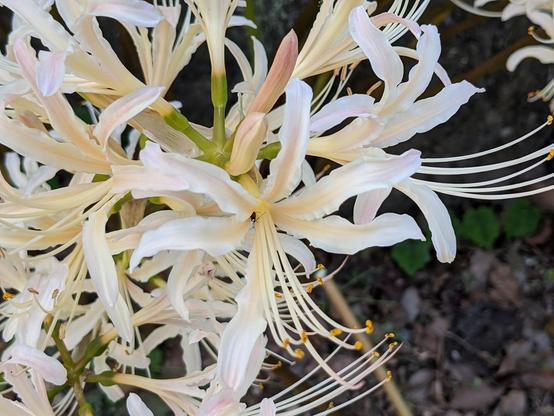
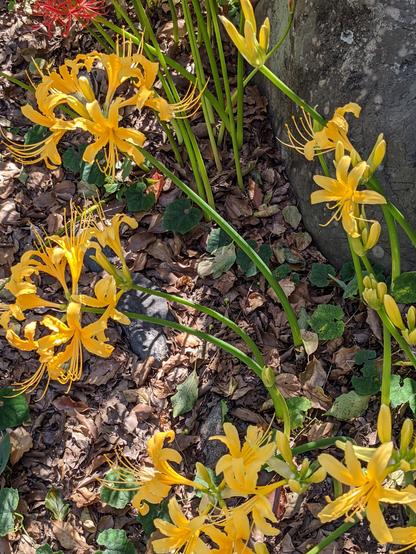
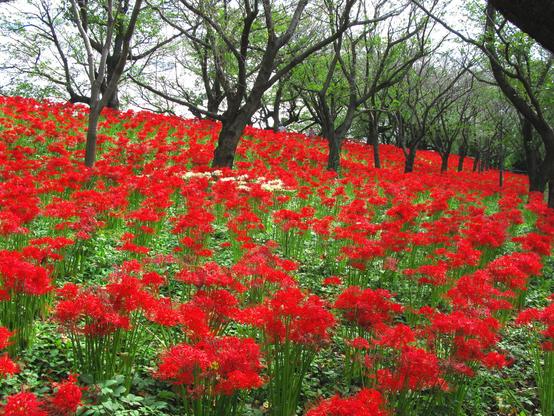
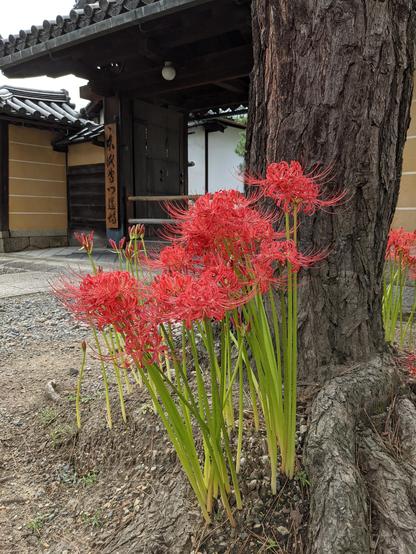
Red higanbana may be most prevalent, but spider lilies also come in white and yellow varieties😲

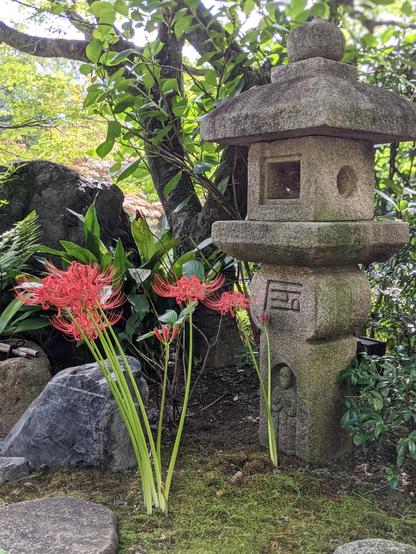
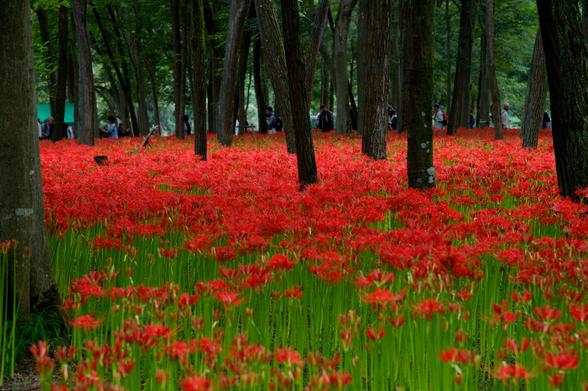
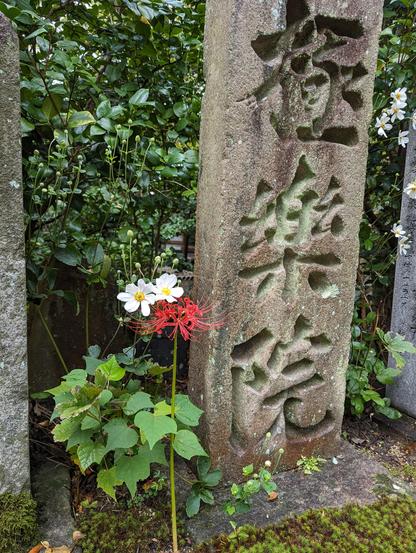
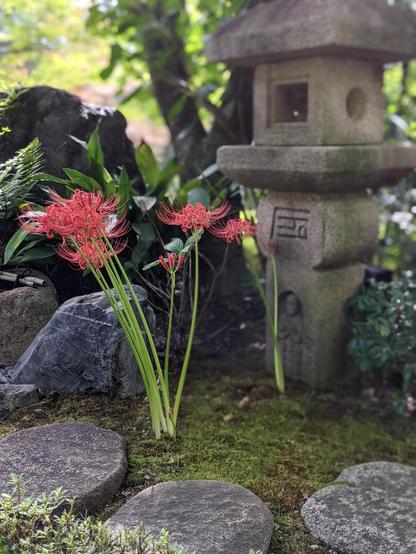
Within Umenomiya Taisha's (梅宮大社) sprawling garden is a quiet grove filled with colourful higanbana. The shrine is always a treasure trove of flowers🙌

#Japan #Kyoto #京都 #彼岸花

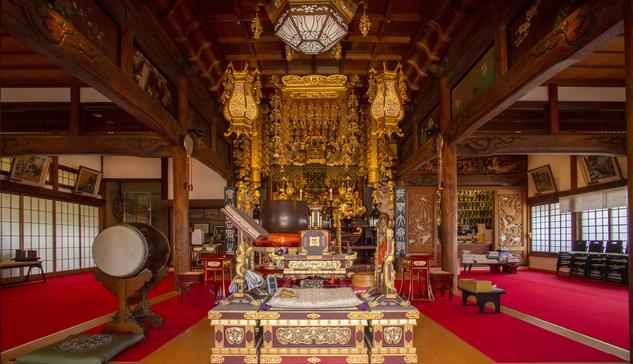
The autumn equinox coincides with the Buddhist observance of 'Shūki Higan-e' (秋季彼岸会), when offerings are made at family graves.
Because of this the flower has, for many, come to symbolise the afterlife.

#Kyoto #京都 #彼岸 #equinox #秋季彼岸会

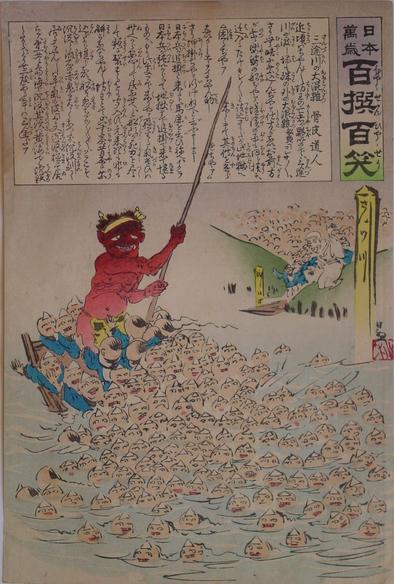
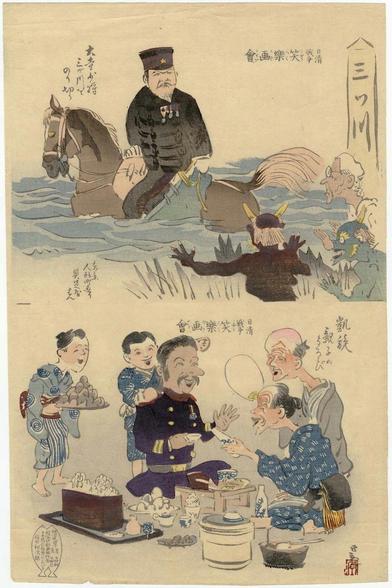
Higan (彼岸) translates as 'Other Shore', a reference to the far shore of the Sanzu River (三途の川 Sanzu-no-kawa, aka 'River of the Three Crossings'). Similar to the River Styx in Greek Mythology, the dead would cross the river to reach the afterlife.

#三途の川 #folklore #Japan

It's likely that higanbana were introduced from China at the same time as rice cultivation.
The poisonous scarlet flowers were once commonly planted around graveyards and fields to deter animals (particularly mice and rats) from feasting on corpses and rice.

#Kyoto #京都 #Japan

Some have suggested there are close to 1000 names for this one flower!

Doku-bana (毒花 poisonous flower)
Shibito-bana (死人花 flower of the dead)
Yūrei-bana (幽霊花 phantom flower)
Kitsunebana (狐花 fox flower)
Sutegobana (捨子花 abandoned child flower)
Samadhi flower (三昧花)😇

There was another very good reason for planting higanbana beside fields.
Although the flowers are poisonous, the bulbs, young shoots and stems are full of protein (and have been gathered for thousands of years). If harvests were poor, higanbana offered an emergency food source.

##redspiderlilies

Symbolising abandonment, separation, and lost memory, higanbana are also known as 'corpse flowers' or 'flowers of the afterlife'. Because of their association with death, they are often seen at Japanese funerals.
It is ominous indeed to gift a bouquet of higanbana to loved ones!

#花言葉 #hanakotoba

One of the more heartbreaking superstitions connected to higanbana concerns memory. It's believed that the flowers' scent has the power to conjure up all the memories of a recently deceased loved one.
No sooner have these treasured memories arrived than they are lost for good.

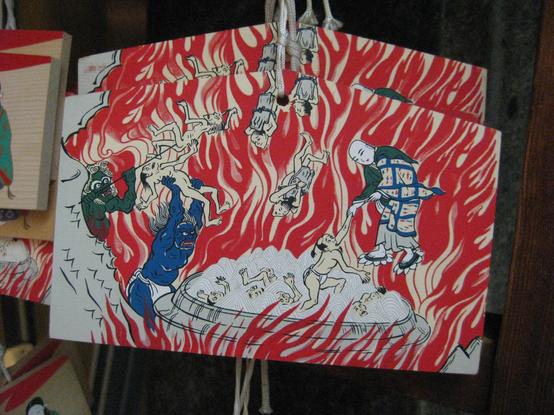
In the Lotus Sutra (妙法蓮華経) higanbana are described as growing in profusion in hell, their vibrant colour guiding the dead towards reincarnation.

It is said that the flowers will bloom on paths for lovers or loved ones who, for whatever reason, will never meet again😢
#Japan

In China and Korea the flowers are often associated with separation and with divided love.

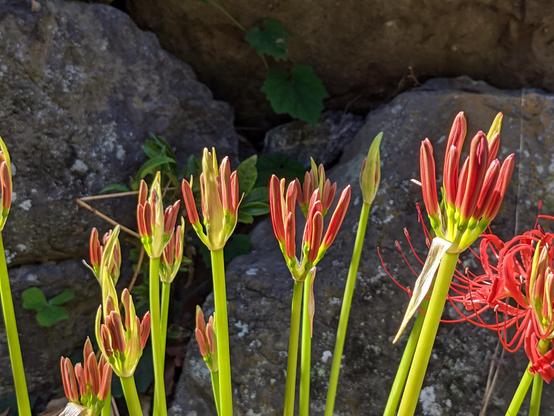
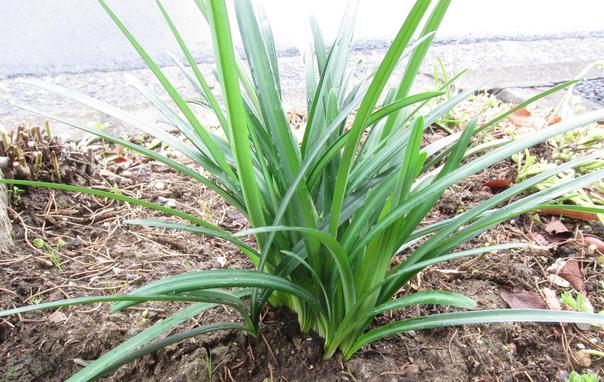
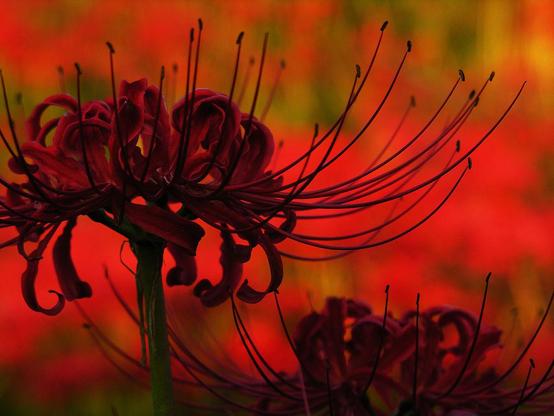
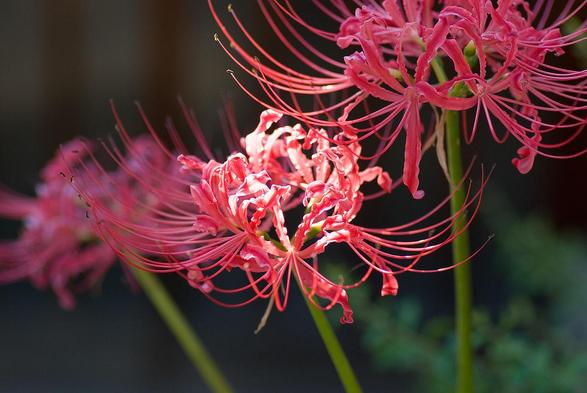
One reason for this may well be the unusual structure of the plant...the blossoms (blooming from long shafts) and leaves are very much separated, making them look somewhat alien.
#彼岸花

I keep walking
the spider lilies
keep blooming
歩き続ける 彼岸花 咲き続ける
-Taneda Santōka (種田山頭火 1882-1940).

One of higanbana's oddest nicknames is 'hamizu-hanamizu' (ハミズハナミズ), from the phrase '葉は花を見ず花は葉を見ず' (the leaves don't see the flowers, the flowers don't see the leaves).

While it is known as 'jigokubana' (地獄花 'hell flower'), higanbana have numerous medicinal qualities.

The plants' alkaloid properties are antibacterial, its roots can be used to treat ulcers and swellings, and the bulbs are antitoxin in nature and can help with burns!

#Japan #redspiderlilies #彼岸花

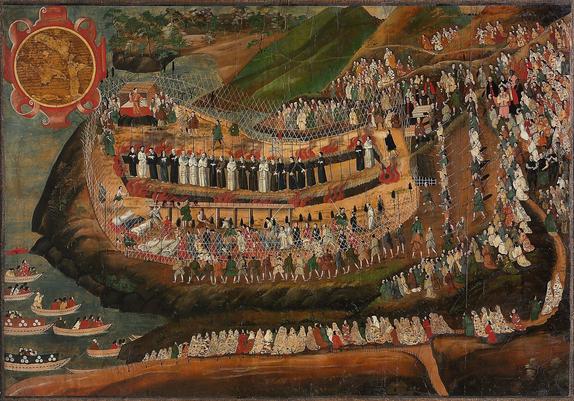
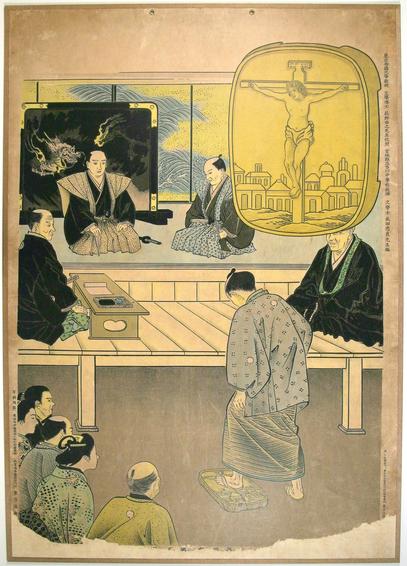
There was a belief amongst the Japanese Kirishitans (吉利支丹/切支丹/キリシタン) during the long persecution of Christianity in the Edo period, that the flowers would grow wherever the blood of Christian martyrs was spilt.

#folklore #Japan #キリシタン #redspiderlily #彼岸花

🐍THE HELL HAG🪨

To reach the afterlife the souls of the dead must pass over the 'Sanzu-no-kawa' (三途の川 'River of the Three Crossings').
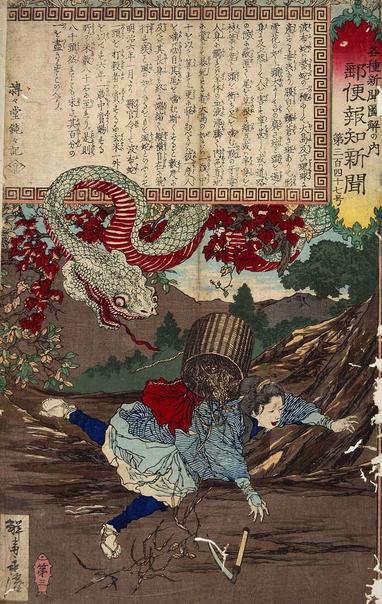
Depending on the 'sins' committed in life, souls cross at a bridge, a ford, or a snake-infested stretch of water (paying a toll of 6 mon).

#hellhag #afterlife

For adult souls things are fairly simple.
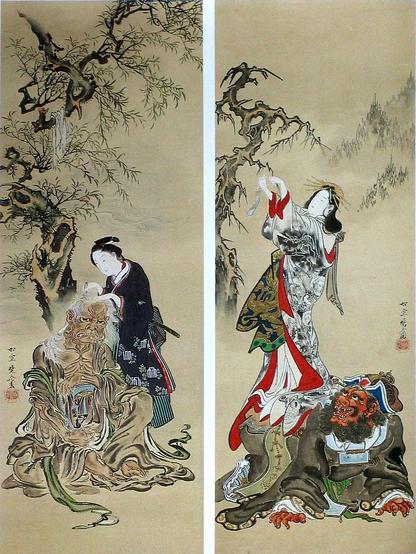
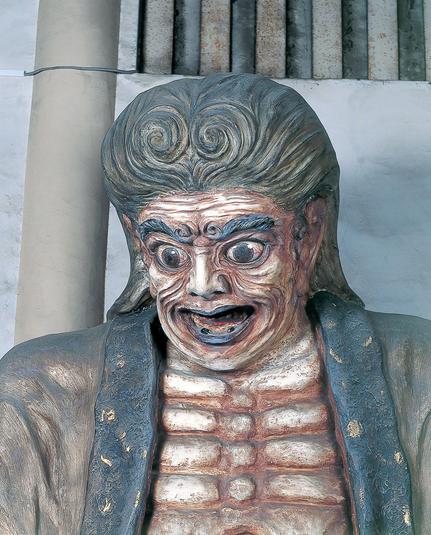
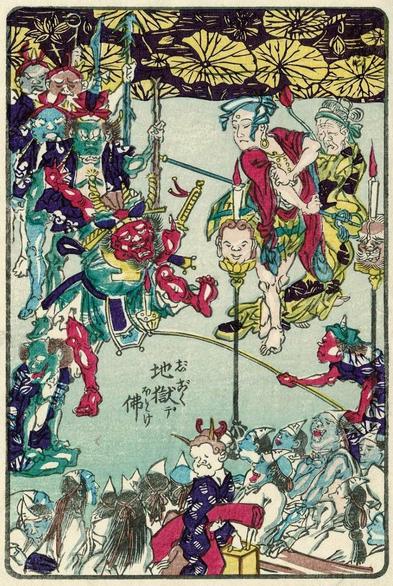
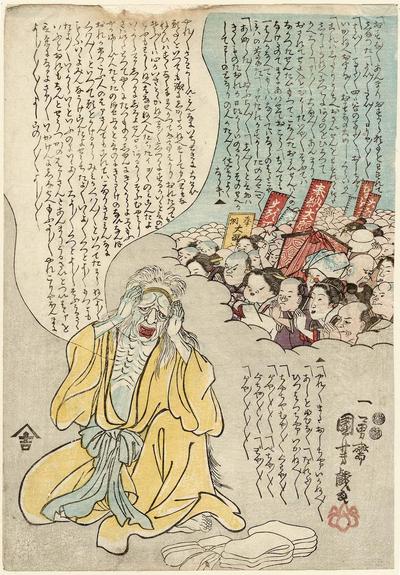
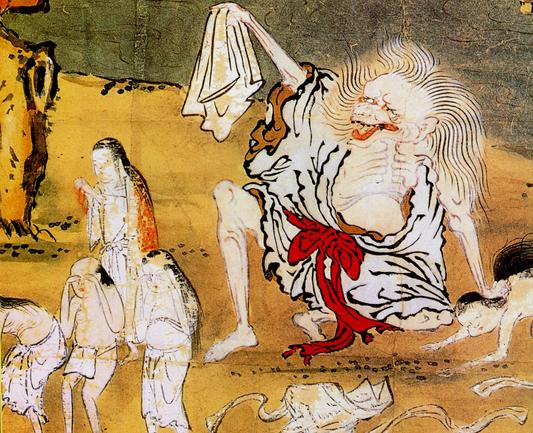
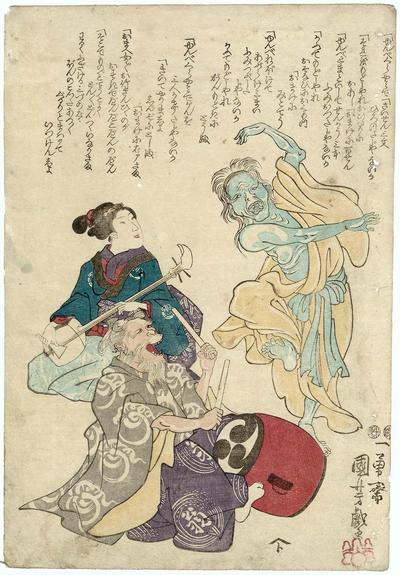
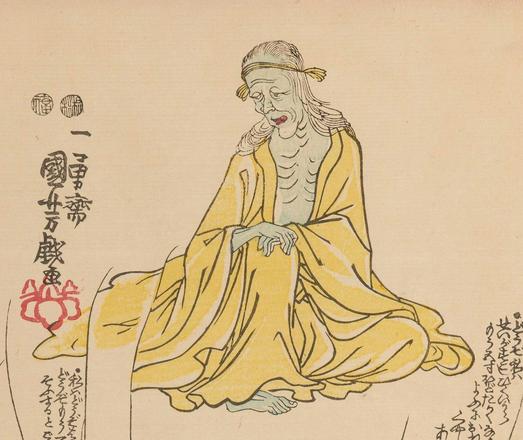
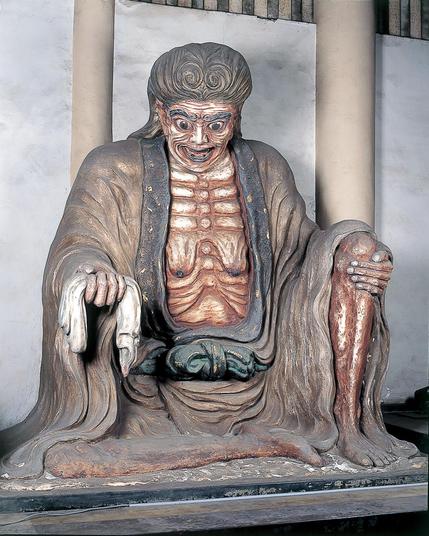
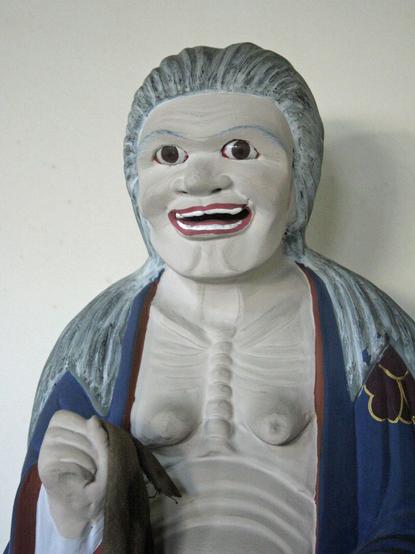
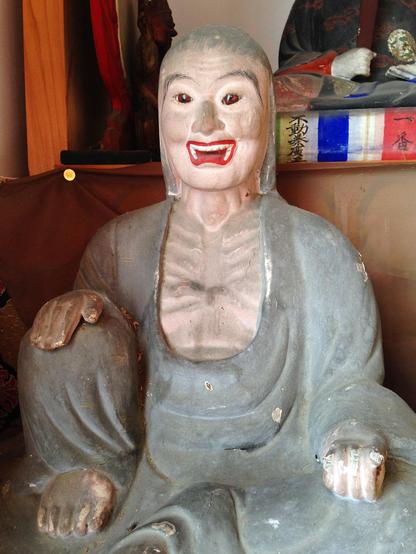
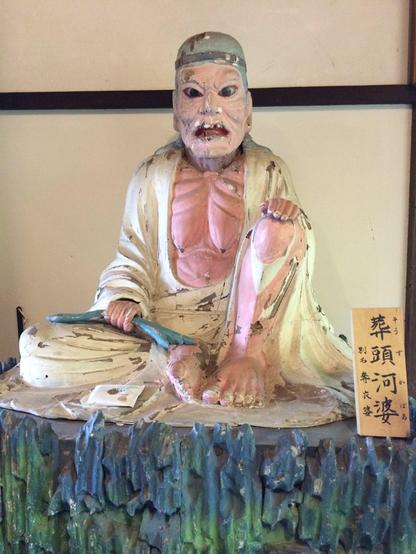
The hell hag 'Datsue-ba' (奪衣婆) strips them of their clothes (if naked, the soul is flayed!).
The clothes or skin are hung on a branch by the old oni Keneō (懸衣翁) to determine punishment (the more the branch sags the worse the penalty).

#afterlife #hell

For those forced to swim the Sanzu River (三途の川), their clothes would be heavier when it came time to strip, and their punishment instantly worse.

Datsue-ba and Keneō dish out the penalties.
Thieves, for example, have their fingers broken and their heads tied to their feet!

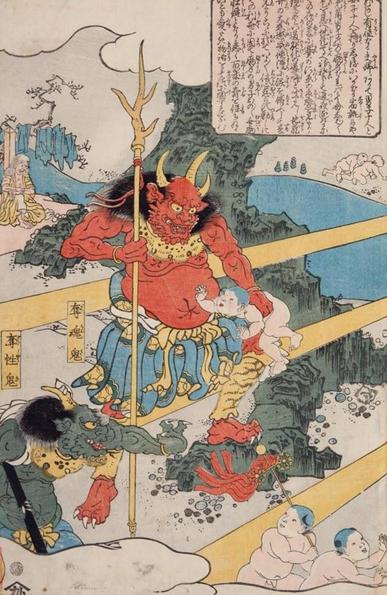
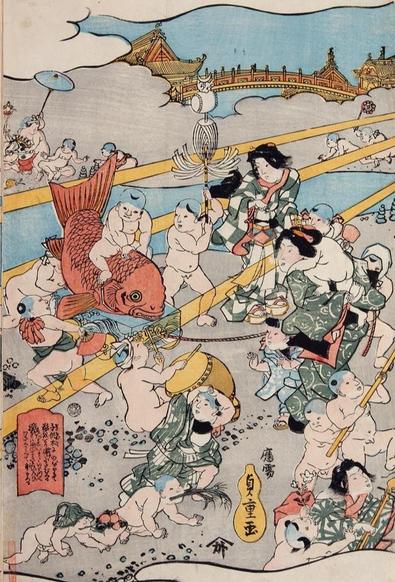
Babies and young children are unable to cross the river.
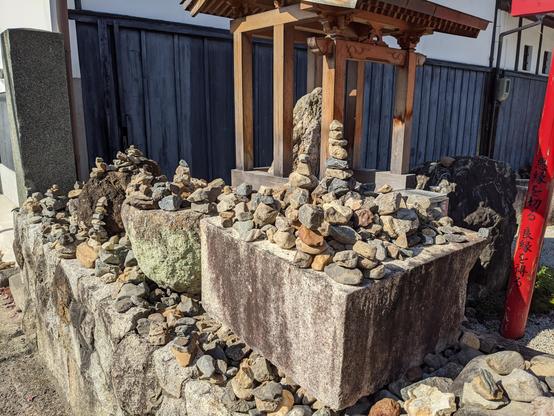
Instead they are met by Datsue-ba on the 'Sai-no-Kawara' (賽の河原 the 'Riverbed of Death') and told to build mounds of stones so they might climb to paradise.
But before long Datsu-eba and the oni cruelly knock down each pile.

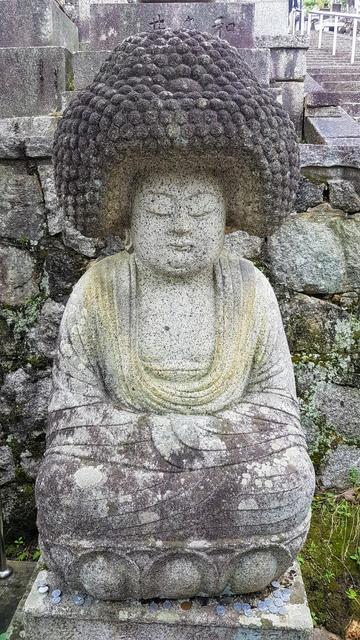
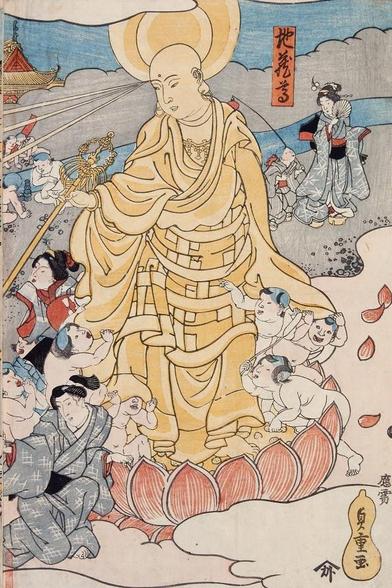
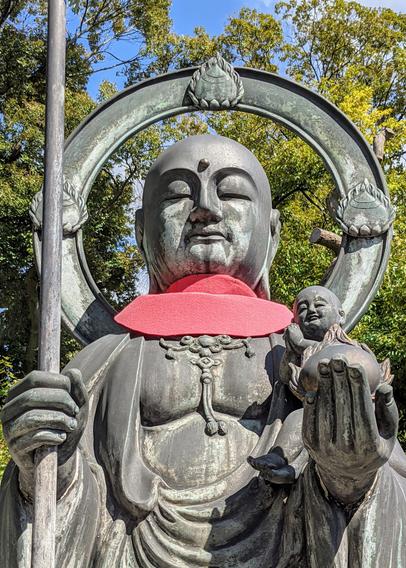
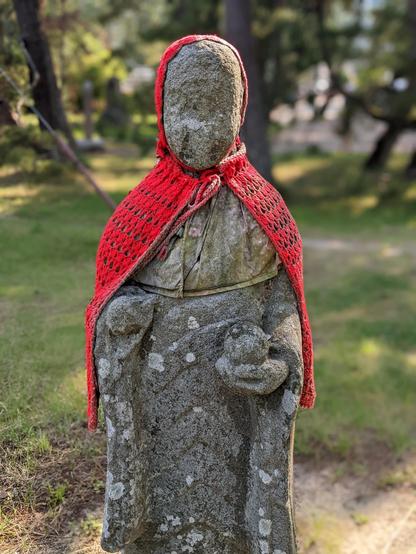
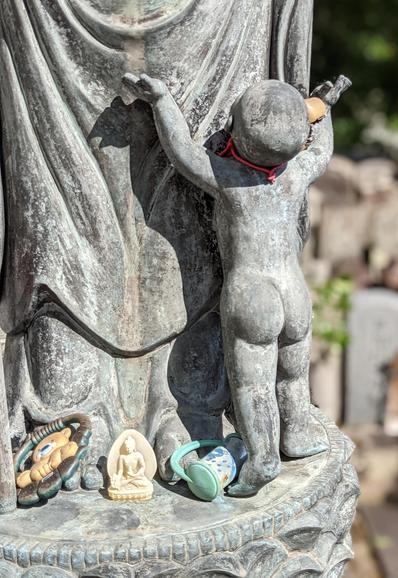
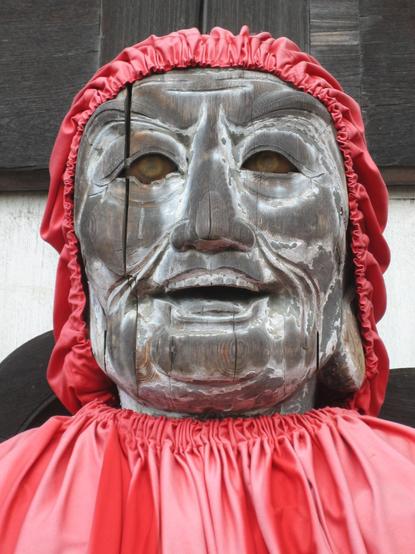
Saving infants from this endless cycle of building stone piles is Jizō (地蔵), guardian of children (in life as well as death), who smuggles the youngsters to safety in the folds of his robes.
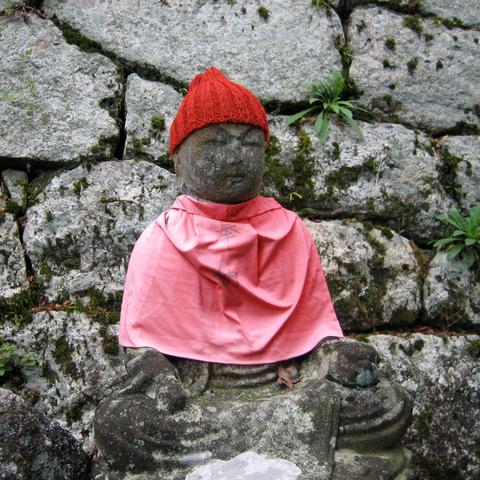
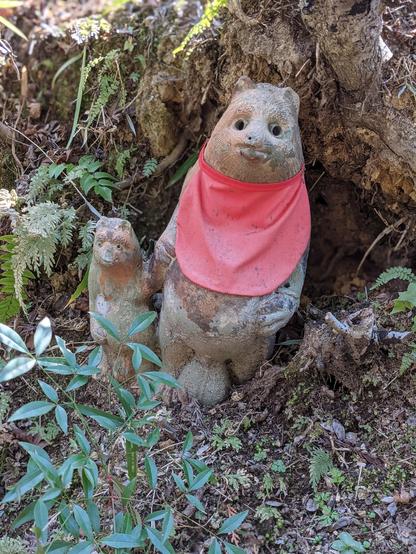
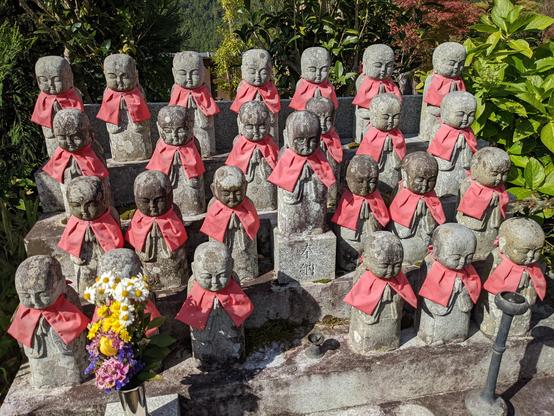
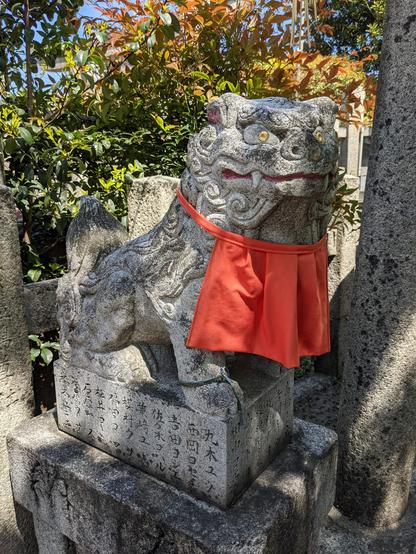
It's common to see statues of Jizō wearing offerings of (protective red) hats and bibs.

#JizoBosatsu #地蔵

In a round about way this brings us back to red, long seen as a protective colour in Japan.

One reason for this may well be to do with smallpox. When a person's skin turned red (rather than purple) it was believed they would recover, and so the colour became significant❤️
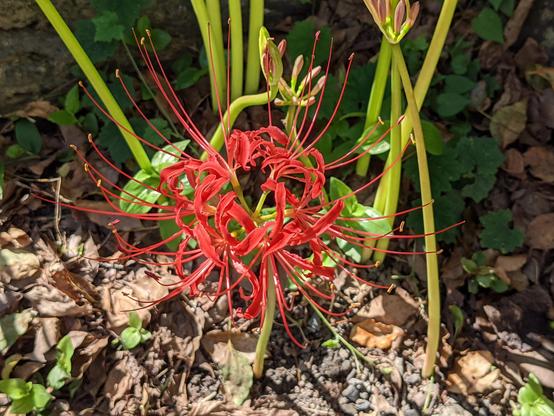
#Japan

Red (and vermillion) evolved from being a colour associated with demons of disease, to one that would offer protection from disease. By extension red was used to guard against misfortune and evil, protecting sacred spaces, looking after the sick, and acting as an auspicious colour.
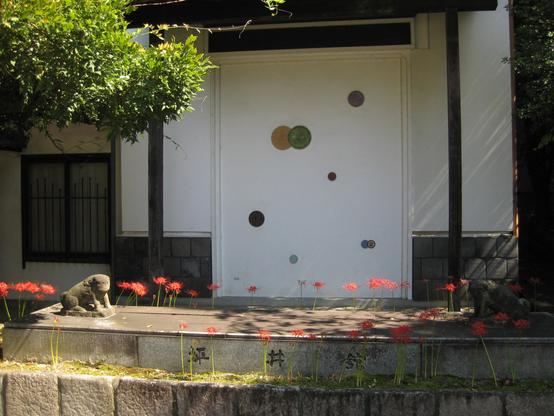
A few more names for spider lilies...

🔥Jigoku-bana (地獄花 hell flower)
🤕Shibire-bana (シビレバナ numbness flower)
👅Shitamagari-bana (舌曲がり花 tongue bend flower - if the poisonous bulbs of the flower were consumed it was thought to make a person's tongue bend in agony)