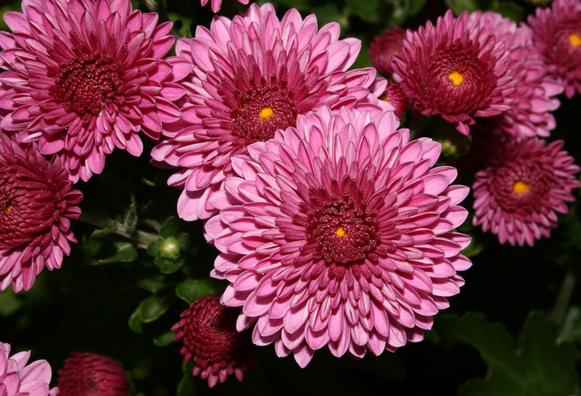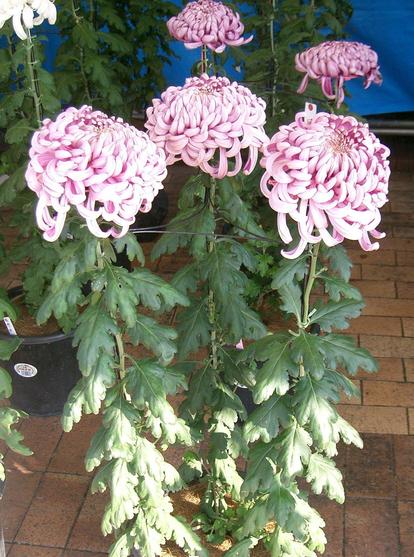
🍶THE CHRYSANTHEMUM FESTIVAL💦

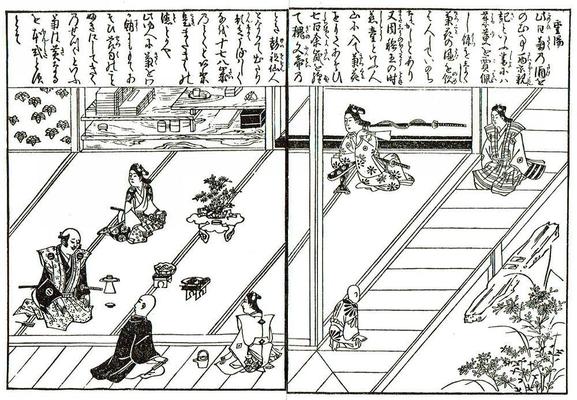
'Chōyō-no-Sekku' (重陽の宴) was 1 of 5 seasonal festivals imported from the mainland and celebrated by the imperial court.
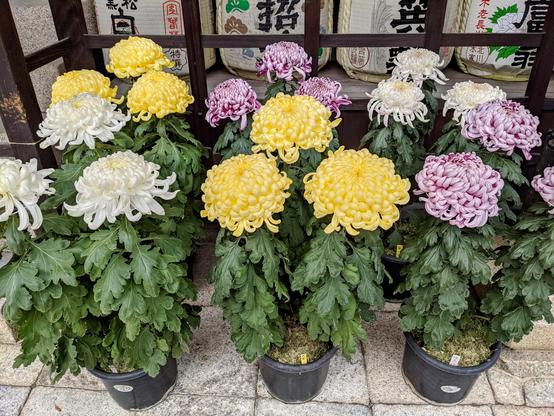
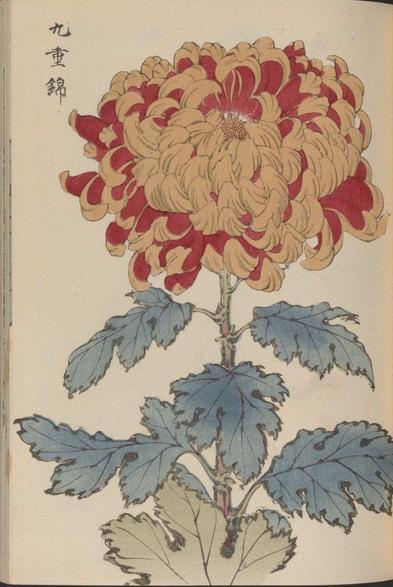
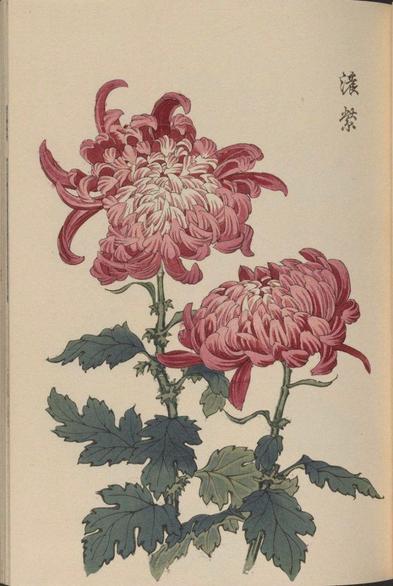
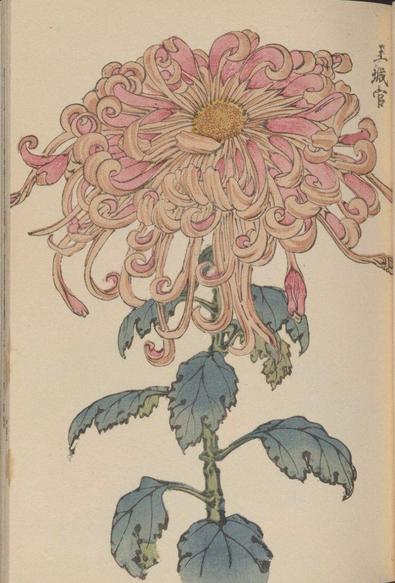
Held on the 9th day of the 9th month, it became familiarly known as 'Kiku-no-Sekku' (菊の節句), the 'Feast of Chrysanthemums'.
#重陽の宴 #chrysanthemum #Kyoto

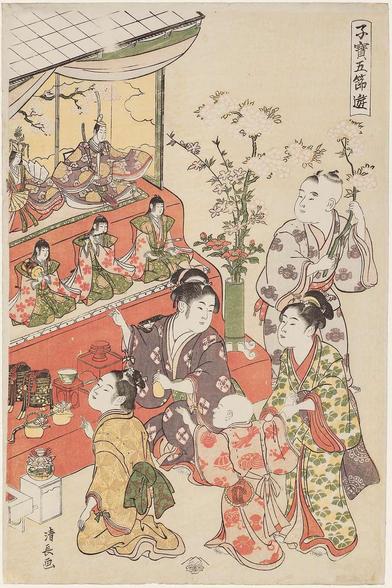
The 'go-sekku' (五節句) were 5 celebrations held on dates considered particularly important in Onmyōdō (陰陽道 'The Way of Yin and Yang').

Dates with dual numbers (such as 9/9) were considered to have too much inauspicious energy, thus special rituals were held on these days.

#gosekku #五節句

The 'go-sekku' (lunar calendar):

🎍1/1 Kochōhai (小朝拝 New Year)
🎎3/3 Kyokusui-no-en (曲水の宴 Feast of Drinking around a Meandering Stream)
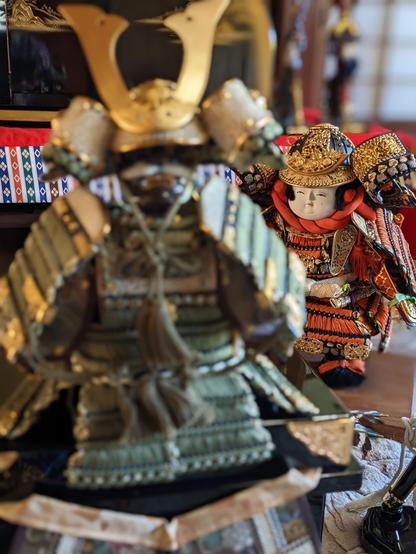
🎏5/5 Tango-no-sekku (端午の節句 Boys' Festival)
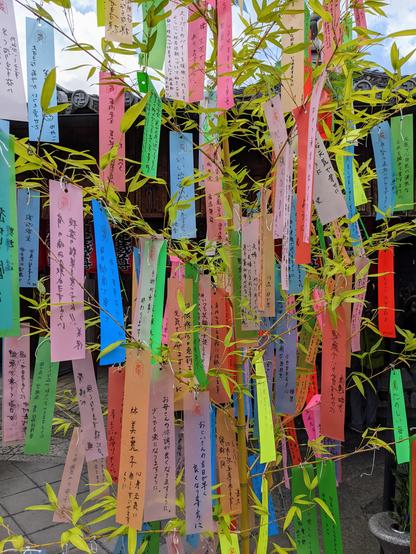
🪡7/7 Kikkōden (乞功奠 Tanabata)
🍶9/9 Chōyō-no-en (重陽の宴 Feast of Chrysanthemums)

#Japan #tradition

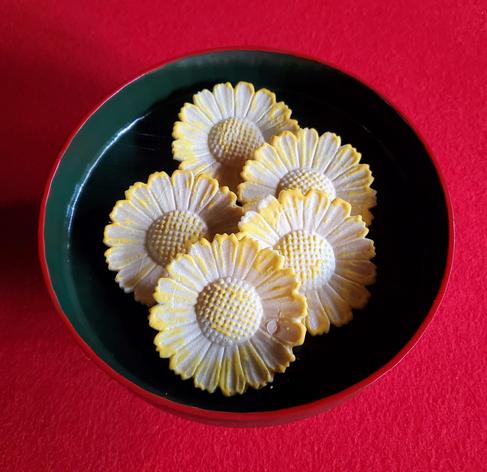
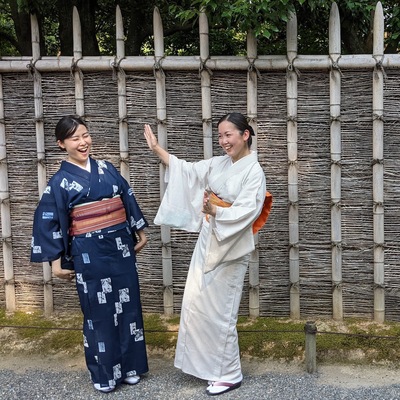
One sweet in great demand at this time of year, and one that Nao-san finally got her hands on, is 'Kikuka Senbei' (菊花せんべい), a speciality of Moroeya (諸江屋) in Kanazawa.

The sweet rice crackers, moulded into the shape of chrysanthemum heads, are lightly flavoured with ginger.

#confectionery #Japan

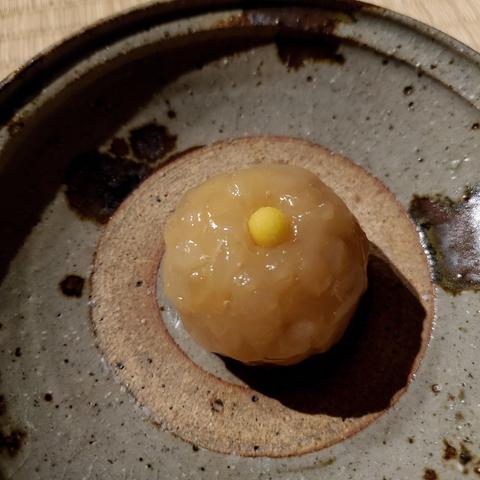
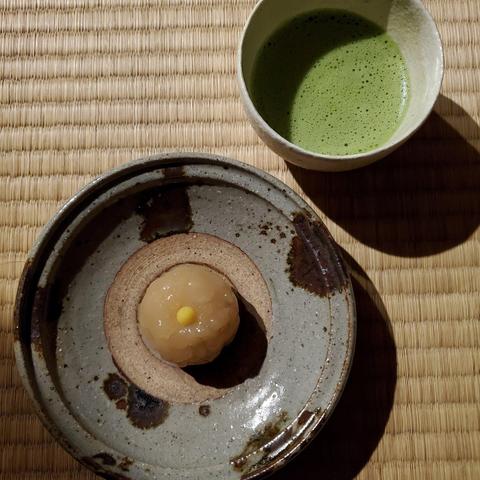
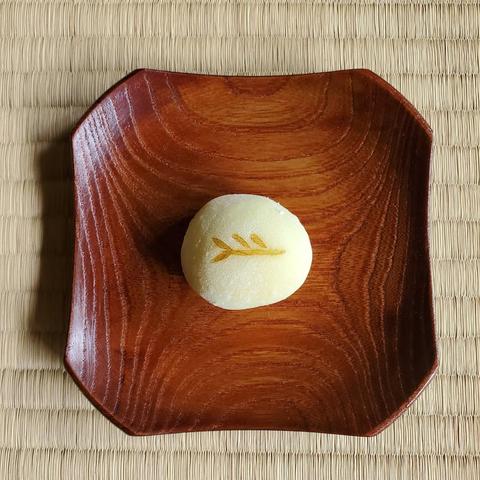
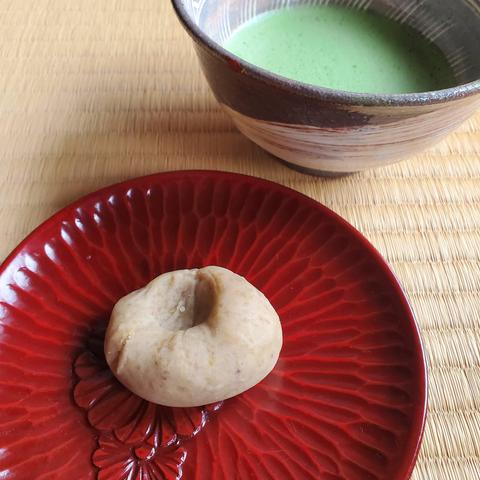
For a limited time Shioyoshiken (塩芳軒) sell a beautiful sweet called 'manjū kiku' (万寿菊).
➡️https://kyogashi.com

There are many types of manjū, but generally speaking they are made from a dough of flour, rice powder, kuzu and buckwheat wrapped around sweet bean paste.
#wagashi #和菓子

Masarigusa (勝り草) was an old, poetic name for chrysanthemum. The first reference appeared in a poem written in the Heian period for one of the courtly 'Kiku-awase' (菊合 'Chrysanthemum-appreciation Contests').

'すべらぎの万代(よろづよ)までにまさりぐさたまひし種を植ゑし菊なり'.
🥁...
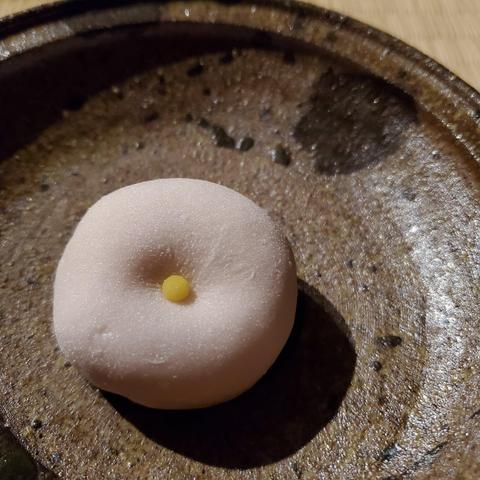
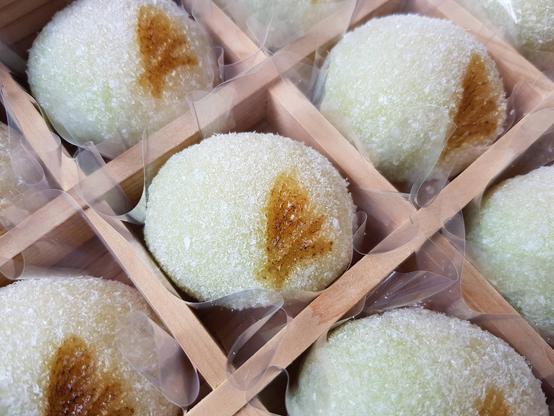
Shiyoyoshiken (塩芳軒) blessed us with not one, but two chrysanthemum-inspired sweets this season...🙌

'Kikubiyori' (菊日和) is a seasonal word referring to the good weather in autumn when chrysanthemums bloom.
The sweet is like the softest of marshmallows🥰

#Japan #菊 #chrysanthemum #wagashi

🌺THE QUEST FOR ETERNAL YOUTH💦

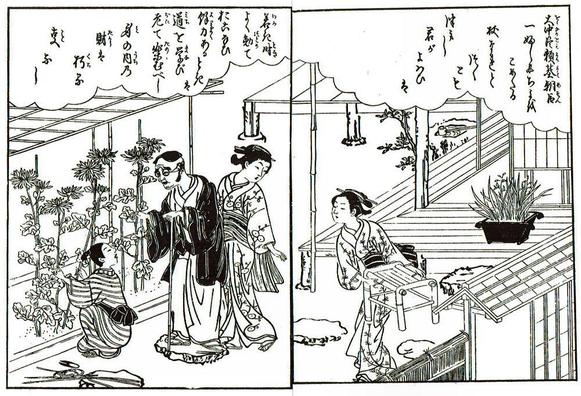
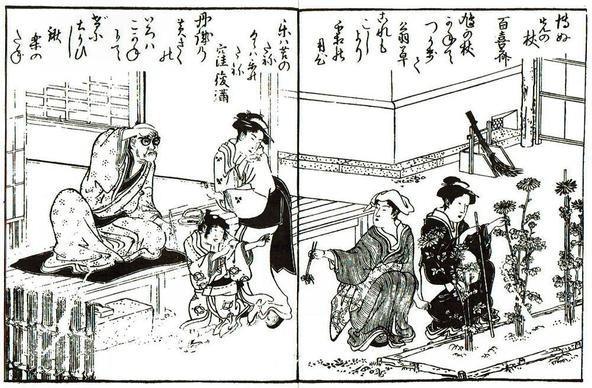
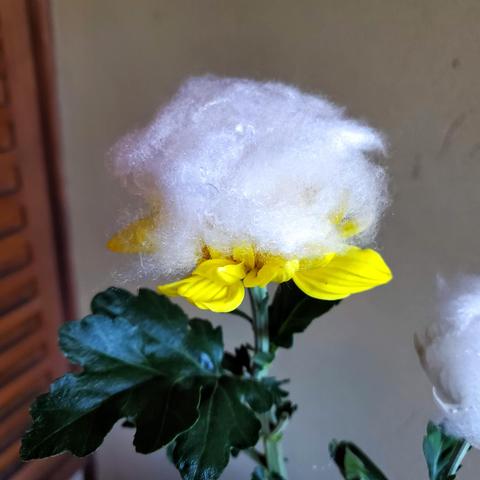
Chrysanthemum dew was believed to have age-reversing qualities, and from the end of the 9thC the aristocracy would drape floss-silk on the flowers before Chōyō-no-Sekku.
The next morning the damp and fragrant cloth was gently wiped on faces.

#Japan #autumn #longevity

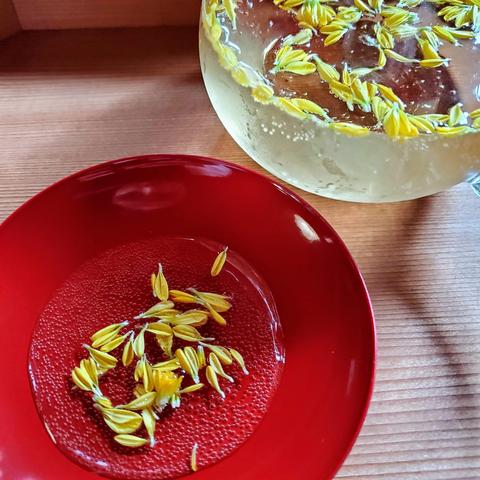
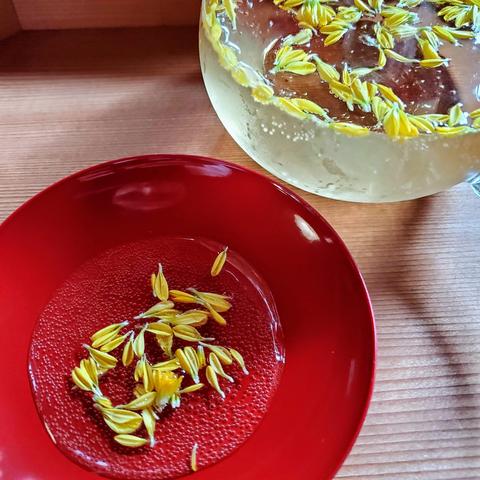
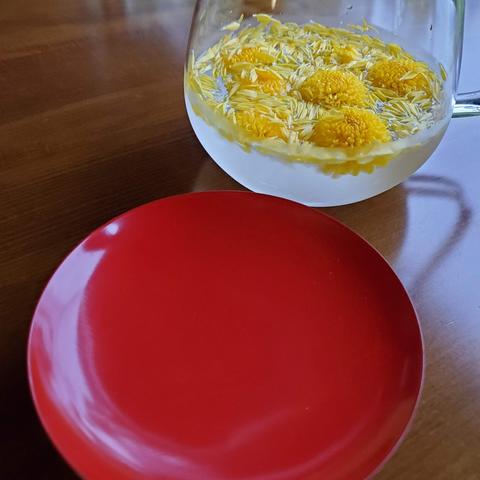
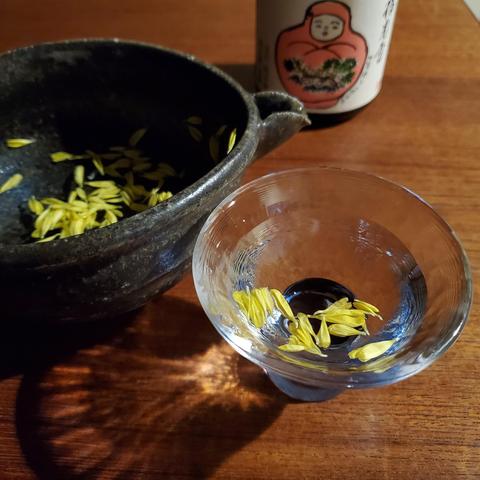
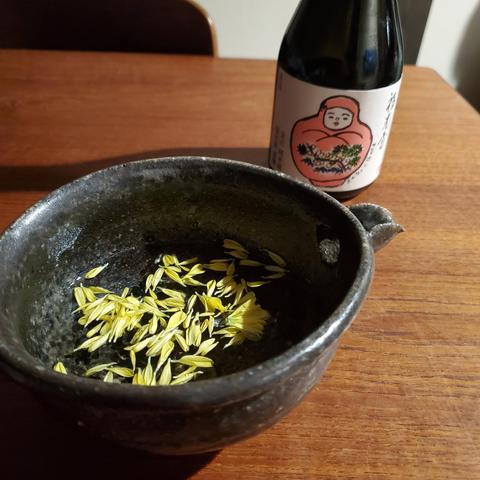
In the hope of living a long life (and avoiding misfortune) people would drink saké mixed with chrysanthemum petals on the 9th of the 9th.
The flowers have long been a symbol of immortality.

chrysanthemum month-
for every mountain village
days of saké
菊月や山里里も供日酒
-Kobayashi Issa (小林一茶).

Many sweets around the time of 'The Feast of Chrysanthemums' (菊の節句) are named after the silk floss used to collect dew from the flowers.

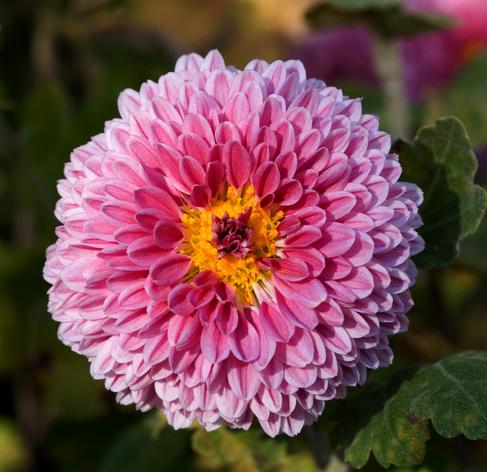
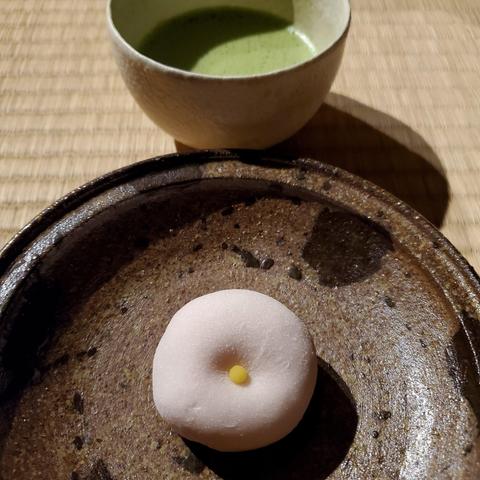
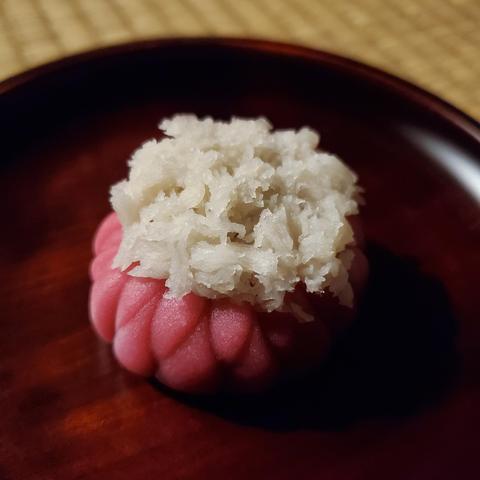
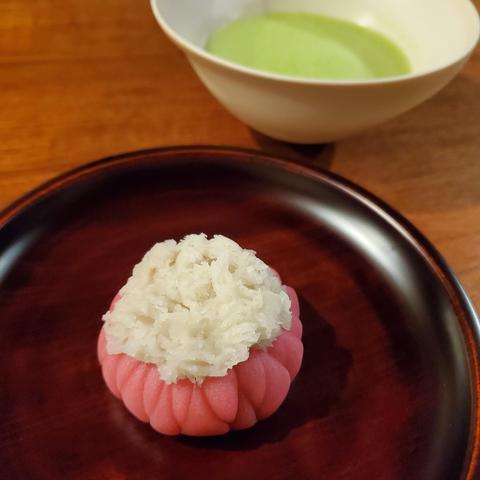
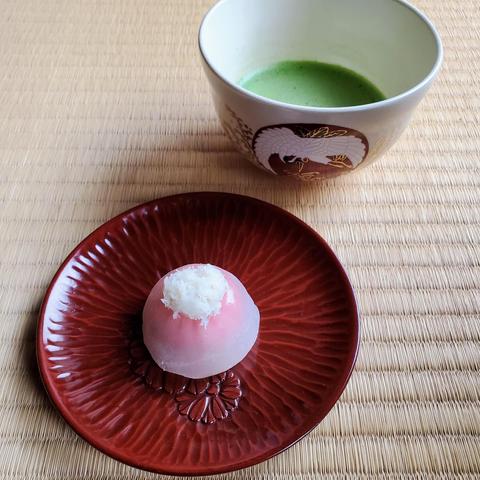
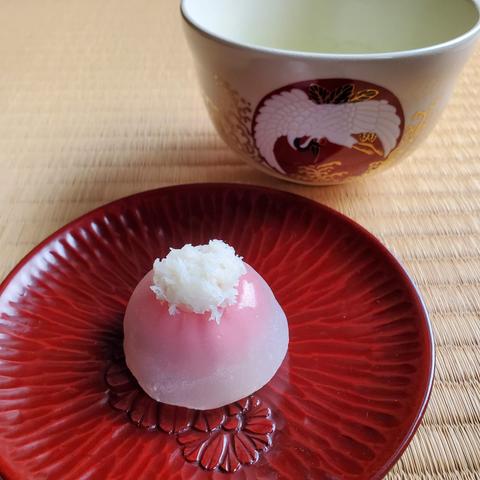
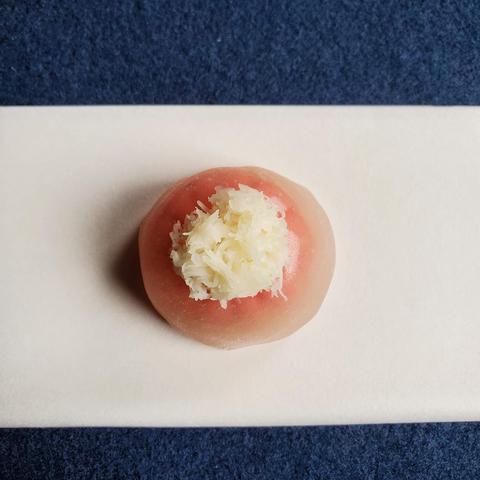
Suetomi's (末富) 'kisewata' (着せ綿 'cotton covering') is one such sweet, depicting cotton draped on the head of a pink chrysanthemum.

#wagashi #和菓子

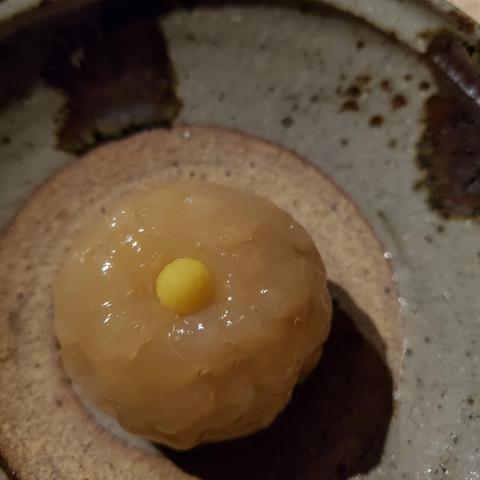
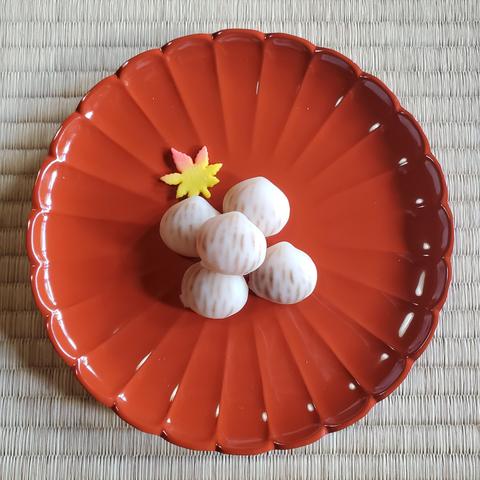
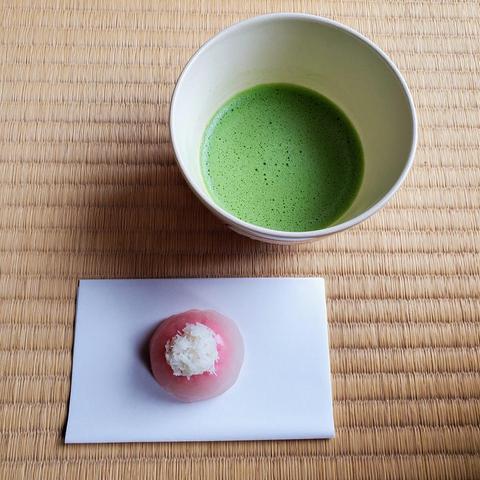
Senbon Tamajuken (千本玉壽軒) makes use of kudzu to give their 'kisewata' (着せ綿) a glistening beauty, highlighting the dew so coveted by the folk at court.

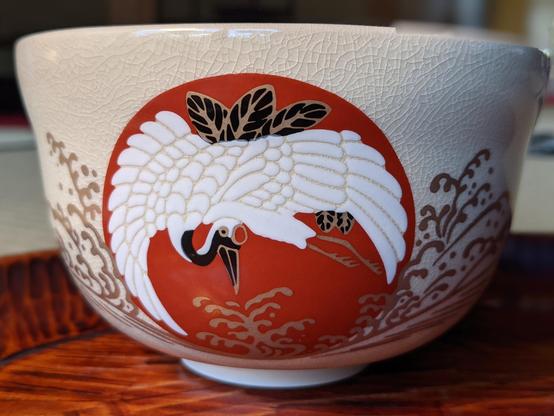
Nao-san paired the sweet with a crane tea bowl. Like chrysanthemums, cranes have long been a symbol of longevity.
#Japan #wagashi #和菓子

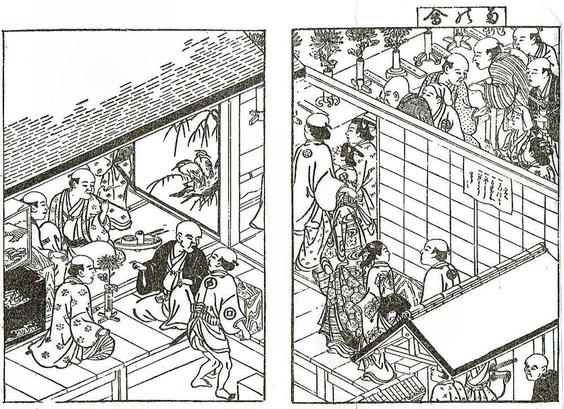
Chōyō-no-Sekku never really caught on with the masses, despite some attempts by the Edo Shōgunate to revive Kikuawase and other traditions that had disappeared after Kamakura times.

Harvest time coincided with chrysanthemum season, and thus focus remained on bringing in the crops.