 Jeff Gilchrist
Understanding Canadian Air Quality Health Index (AQHI) & Wildfire Smoke
Wildfire smoke consists of toxic gases and particulate matter (PM) when breathed in gets into our lungs, bloodstream, and even our brain. 🧵1/
Understanding Canadian Air Quality Health Index (AQHI) & Wildfire Smoke
Wildfire smoke consists of toxic gases and particulate matter (PM) when breathed in gets into our lungs, bloodstream, and even our brain. 🧵1/
This is the case for the gases from wildfire smoking travelling from thousands of kilometers away and arriving in far away cities like we are seeing now.
Benzene and formaldehyde are being created in the atmosphere from the smoke + UV radiation which can sometimes smell like plastic and can have very adverse effects on human/animal health. 4/
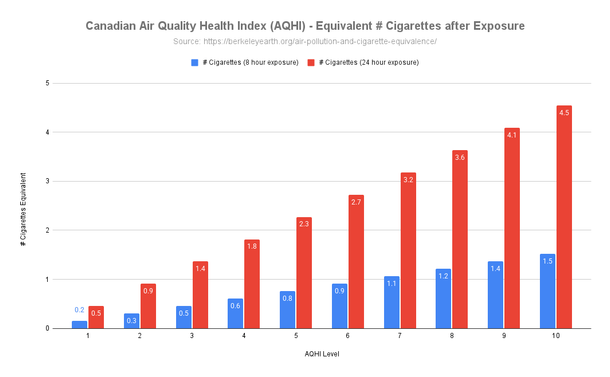
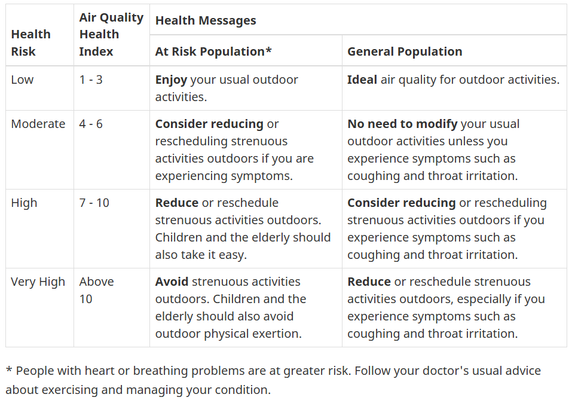
For example, an AQH index of 1-3 is considered "Low" where at risk populations can "Enjoy your usual outdoor activities." and for the general population "Ideal air quality for outdoor activities." ( https://www.canada.ca/en/environment-climate-change/services/air-quality-health-index/understanding-messages.html ).
That wording implies that the air quality is great and nothing to worry about. An index of 3 is mapped when Particulate Matter (PM) from wildfire smoke is between 20 ug/m^3 and 30 ug/m^3. 7/
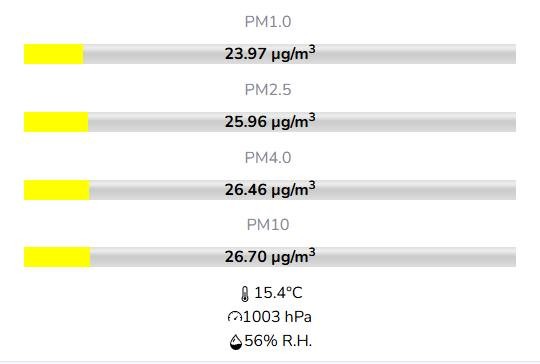
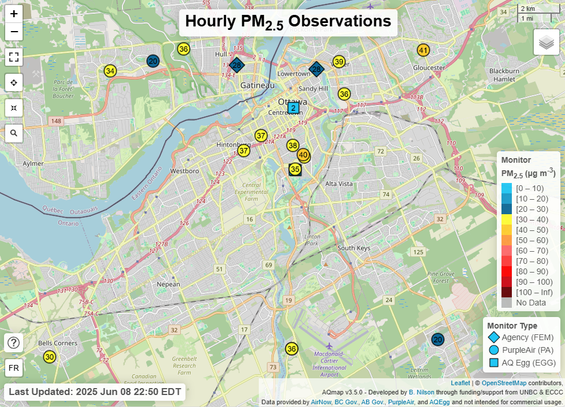
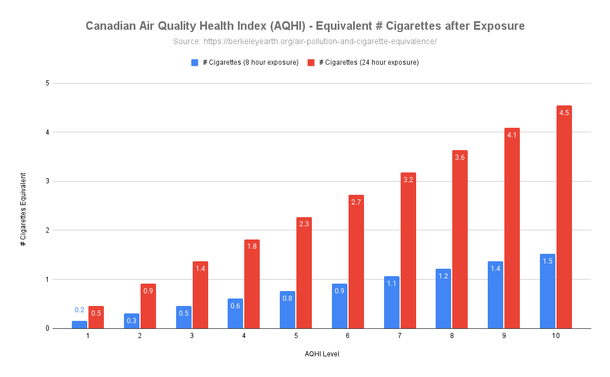
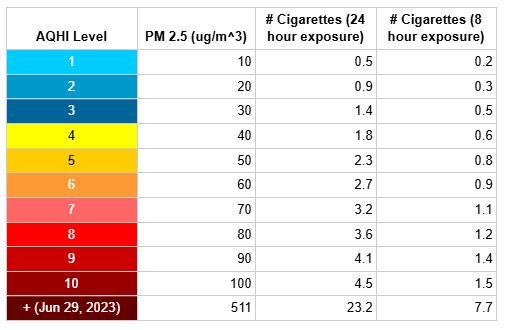
The AQHI even at the highest index of 10 still only recommends to the general population "Consider reducing or rescheduling strenuous activities outdoors if you experience symptoms such as coughing and throat irritation.".
The Very High level of "+" above 10 is, "Reduce or reschedule strenuous activities outdoors, especially if you experience symptoms such as coughing and throat irritation." 15/
Exposure to wildfire smoke can cause damage to the lungs, blood, and heart ( https://woods.stanford.edu/news/health-impacts-wildfire-smoke ).
PM2.5 means particulate matter that is 2.5 microns in size or less and they are small enough to work their way deep into the lungs and bloodstream where they can trigger heart attack, stroke, lung cancer, and asthma. 19/
"PM2.5 can pass through the lung–gas–blood barrier and the “gut–microbial–brain” axis to cause systemic oxidative stress and inflammation, or directly enter brain tissue via the olfactory nerve, eventually damaging the cerebral blood vessels and brain nerves."
Even smaller particles also exist in wildfire smoke that could enter the brain within the nerve fibers to the olfactory bulb which connects your nose to your brain for smelling ( https://environmentalhealth.ucdavis.edu/air-pollution/brain-health ). 21/

By Pamela J. Lein, PhD and Anthony S. Wexler, PhDHuman exposure to unhealthy levels of air pollution is now a worldwide public health problem, and in heavily urbanized areas of both developing and developed countries, levels of some air pollutants can exceed safe air quality standards by a factor of 10 or more.
Children exposed to 5 days of wildfire smoke have a 2x increased rate of asthma and people over 65 face a 40% increase in rate of strokes and an increased rate of heart attacks.
Anyone who is pregnant is also at higher risk of premature birth and decreased birth weight after wildfire smoke exposure. 22/

Carbon-containing particulates accumulate with age in a subset of macrophages in human lung-associated lymph nodes, decrease macrophage phagocytic capacity and turnover and disrupt lymphoid tissue structure, potentially compromising adaptive immune responses.
They hypothesize this is because people's immune systems still haven't fully recovered from the damage caused by the smoke.
This isn't limited to just the flu, if your immune system in the lungs is damaged or supressed from wildfire smoke, then even months later you could be more likely to get infections and they could be more severe. 25/

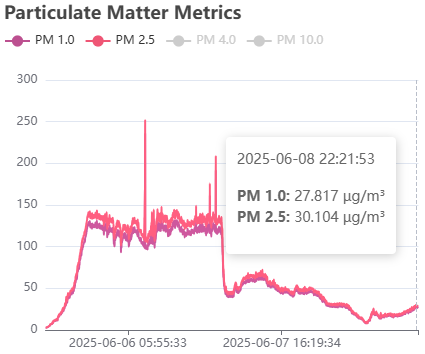
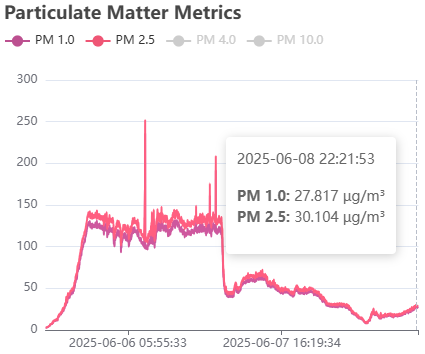
Attached: 3 images Indoor Air Quality: Wildfire Smoke & Cooking With wildfire smoke season here, we all need to think about air quality inside where we spend most of our time. This article provides multiple examples measuring the air quality inside my home from wildfire smoke and cooking. The web version of this article with nice table of contents and easy to share with others can be found here ( https://docs.google.com/document/d/1x0yA0ebo8HkNYCps_CZPqGE0-My_4toLiGSR9M-D7-w/edit?usp=sharing ). #IAQ #IndoorAirQuality #Ventilation #CO2 #PM #Pollution #Smoke #wildfire
Considering the high cost of fossil fuel climate change from wildfires alone, it's still surprising that Canada sends $30 billion in fossil fuel subsidies to the wealthiest & most corrupt industry on the planet.
https://www.bbc.com/weather/articles/c4g2k9lzjeko
Taxpayers forced to subsidize an industry making them sick & forced to subsidize pipelines for a toxic product overdue for a phase out.
https://en.m.wikipedia.org/wiki/2024_Jasper_wildfire
@jeffgilchrist thanks for this entire thread. I felt like getting a fancy air purifier was maybe overkill but this affirms that it was probably a good call.
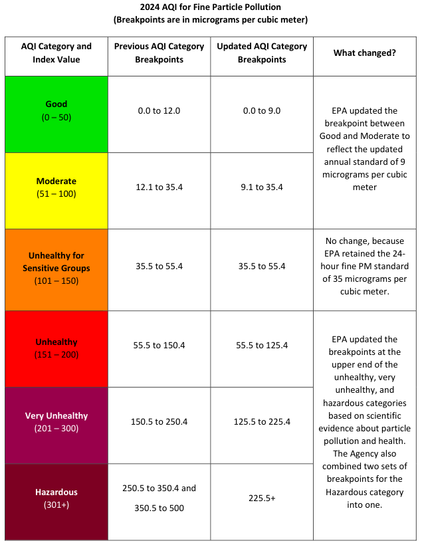
The associated all provides the local UAQI reading (63 in Toronto right now). I assume that's the updated AQI in this graphic's column, eh?


 Nicole Parsons
 Krupo
Krupo