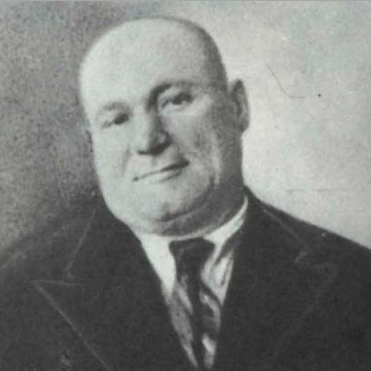
 Levka
Levka"Doikayt was an articulation of a secular Judaism I hadn’t been explicitly taught, but nonetheless been raised on. A version of Judaism that allowed my father to step beyond his own community to find love with and marry a Black Jamaican woman. A Judaism that told my grandparents that they had to push past their discomfort and objections to my parents’ union, and come to embrace my mother. A Judaism in which I could eventually find myself, and make my place, as a woman who was both Black and Jewish. To me, doikayt meant being Jewish, in all of my and the world’s complexity."
