 Esther Hanko
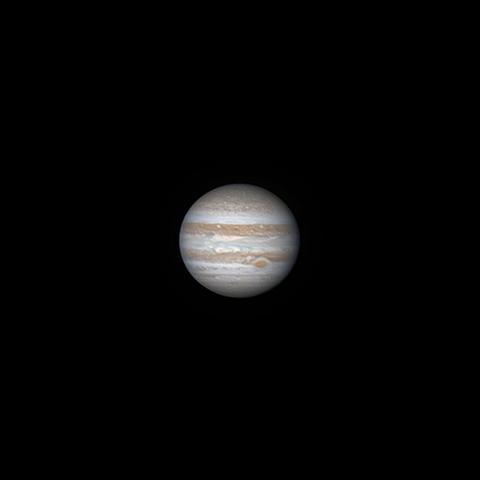
I took a picture of #jupiter this morning and I think it's my best one yet! The conditions were the best I've ever seen in my backyard in #purmerend, the Netherlands. Gear: Skywatcher Skymax 180 and ZWO asi 224MC-s. #astrodon #astrophotography
Nothing sounds lazy about that process!
How are you an "amateur"? This photo is incredible! What is your gear/exposure?
Stunning!
My inner 12yo in the backyard with her brand new telescope looking up at the night sky is very, very impressed. And, TBH, more than a wee bit envious.

In 2020, SpaceX agreed to work with the international astronomical community, which was facing research problems due to the brightness of the company's Starlink satellites. But the problems just keep mounting, frustrating astronomers.
Wow. Great color, perfect framing.
Incredibly impressive
 Chtixof 🦊🚲🌻🐝
 Stargeezer Smith
 Debby
Debby Dizzy
Dizzy posiputt ÖvÖ
 Gina Intheburg 🇺🇦 🌻 🥥🌴
 Jos_B
Jos_B Tio
Tio FlamerHooks
 Ged Maheux
 Kid Mania
 grosser_mensch
 Horror Author Reed Alexander
 Dr. John Barentine FRAS
 Health Is Wealth
 Rocky
Rocky Nico Lasaigues
 MikeK
MikeK Niels Moseley