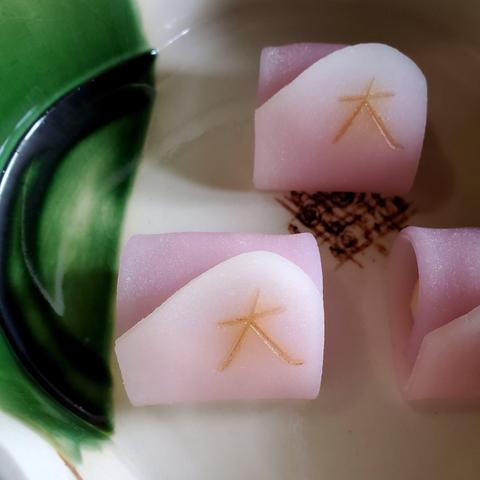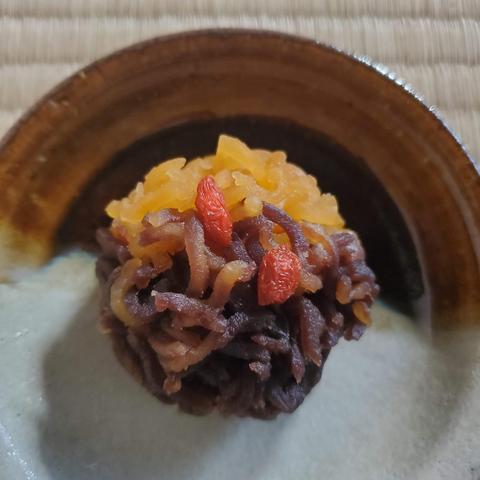
👋FAREWELL TO THE DEAD🔥

Obon (お盆) draws to a close in the next few days, and tomorrow evening families will be saying goodbye to their ancestral spirits for another year.

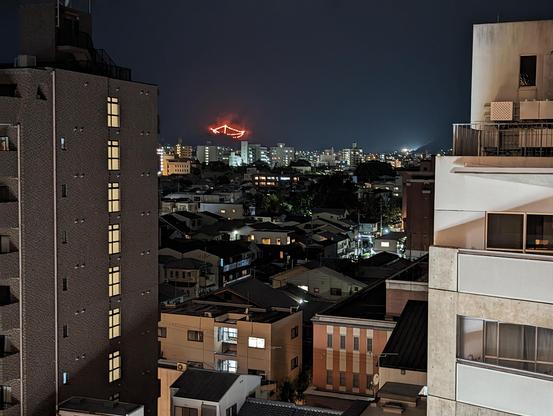
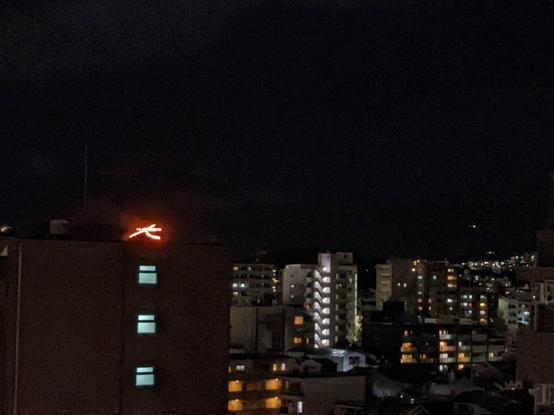
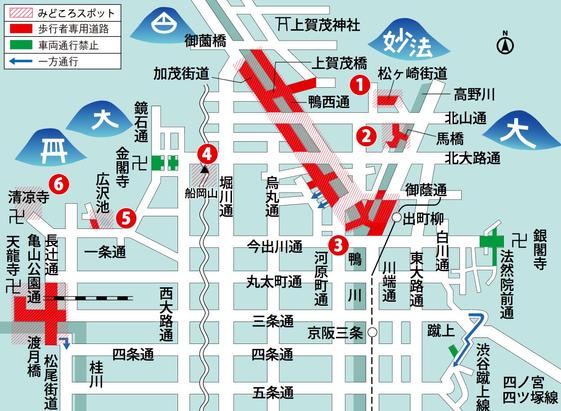
From 8pm fiery shapes will appear on five of Kyōto's mountains...beacons guiding the dead back to the Netherworld.

#五山送り火 #Japan #Kyoto #京都 #wagashi #お盆 #Obon #GozannoOkuribi #Daimonji #大文字
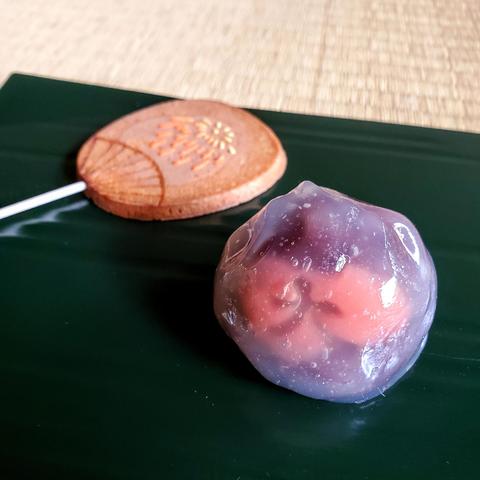
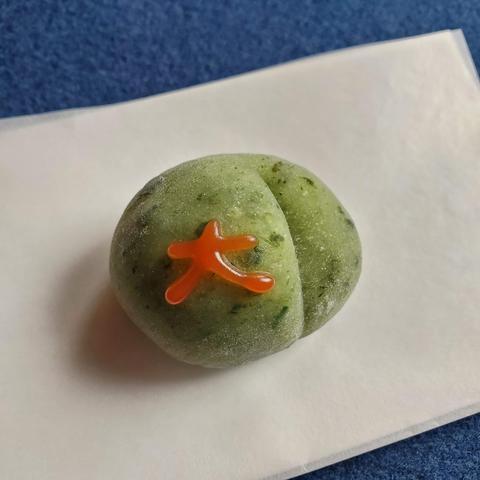
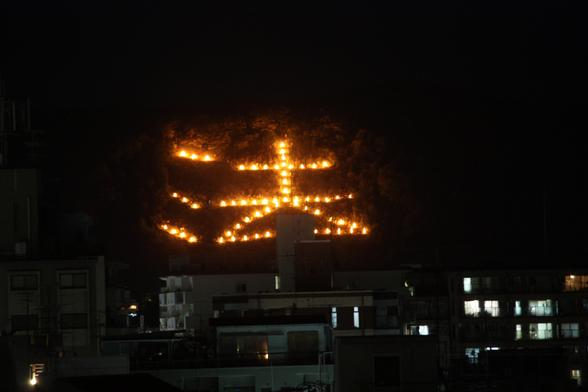
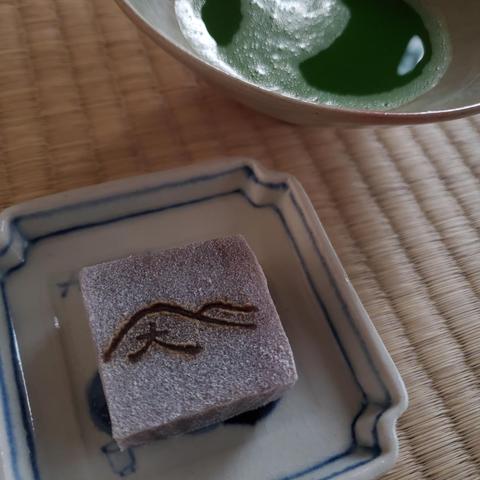
🔥'大'🔥

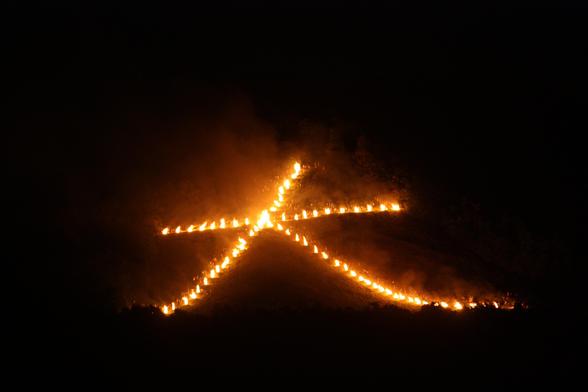
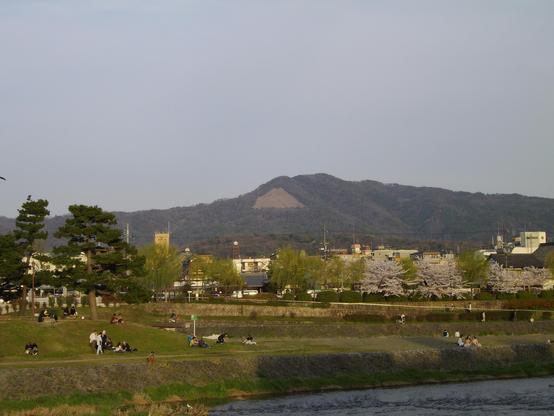
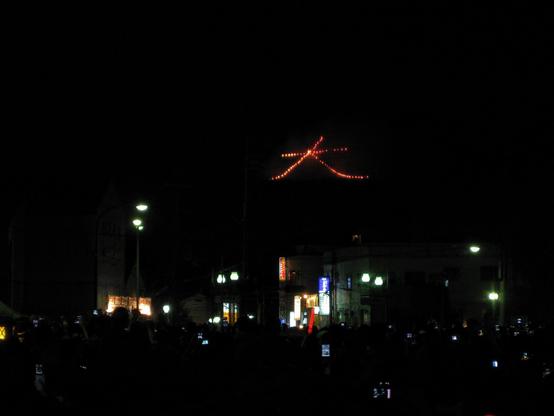
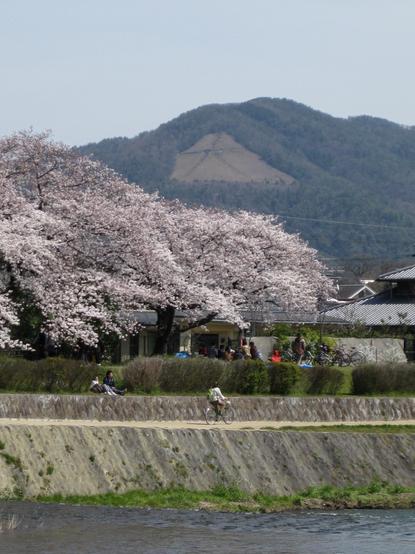
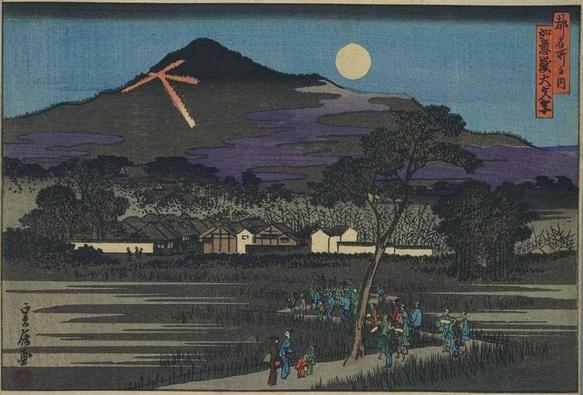
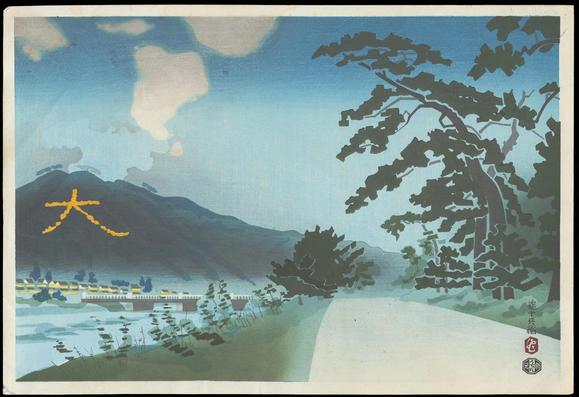
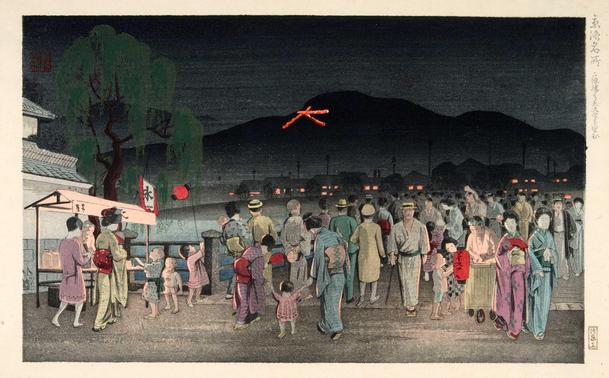
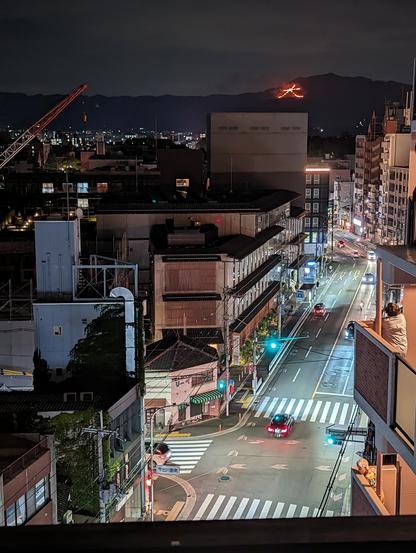
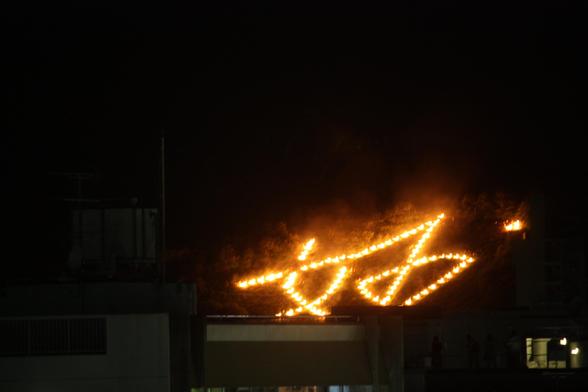
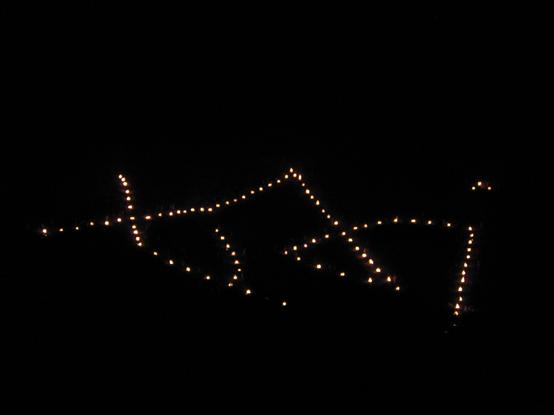
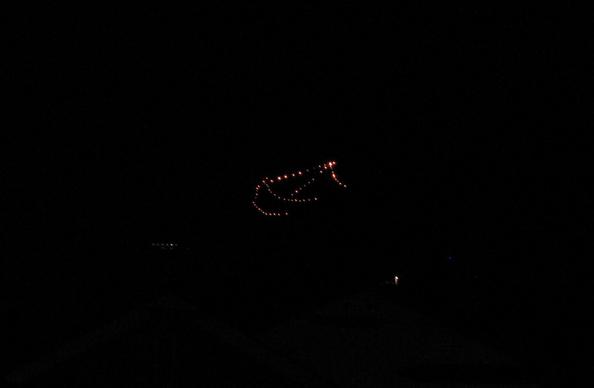
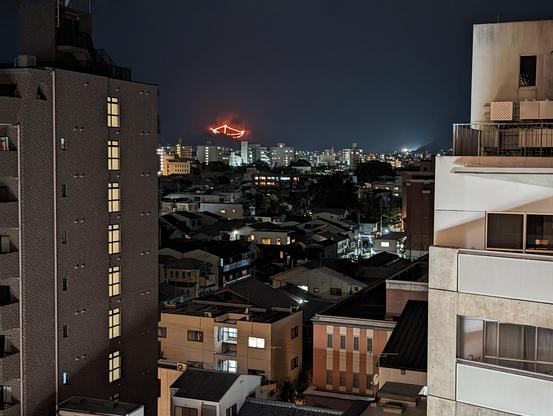
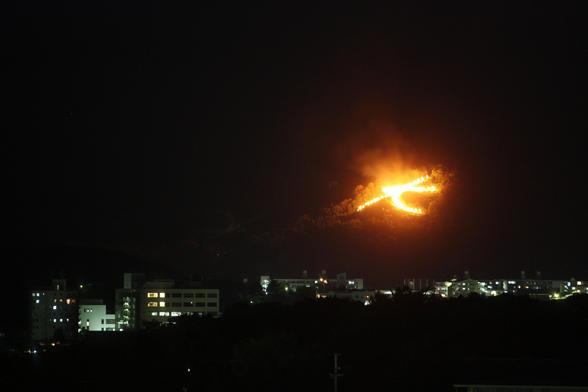
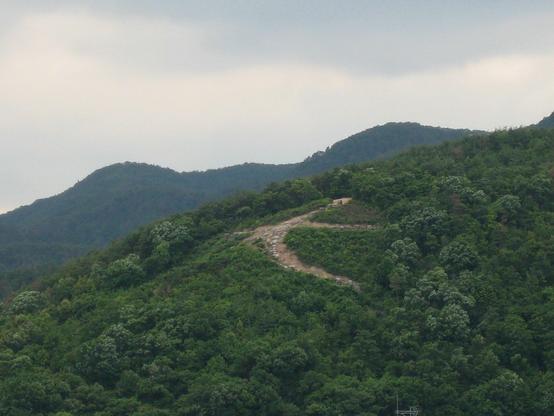
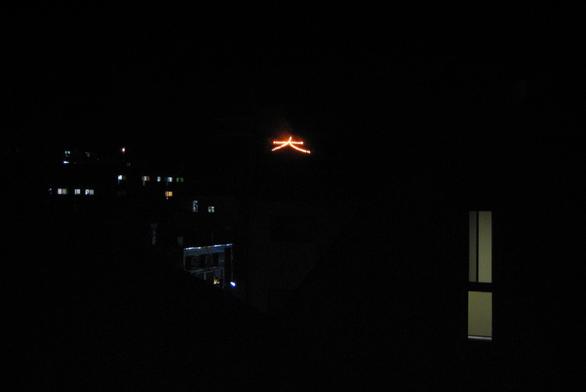
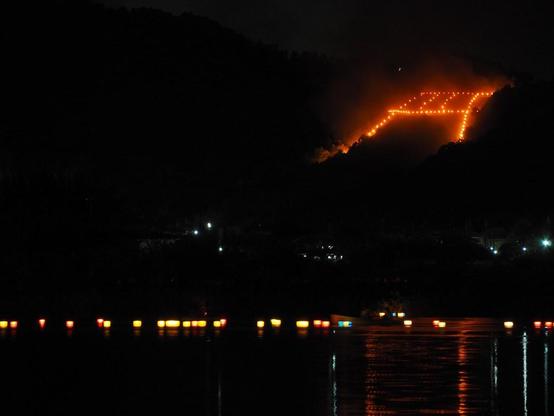
Daimonji (大文字) is first of the Gozan-no-Okuribi (五山送り火) to be lit, at 8pm on August 16th. It is by far the most famous -& oldest- of the current 5 Okuribi.
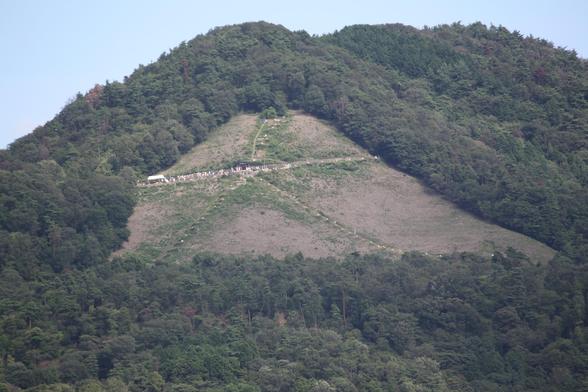
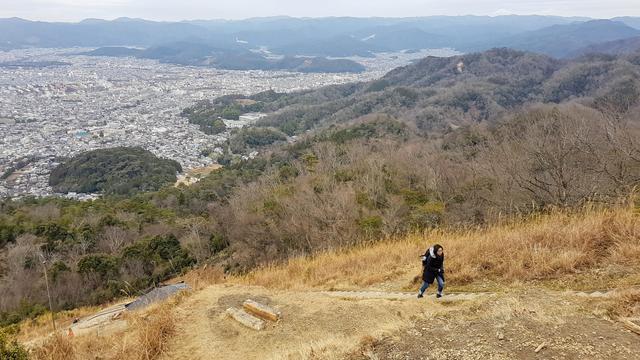
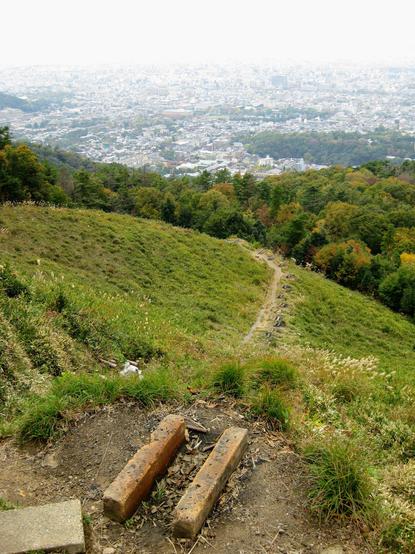
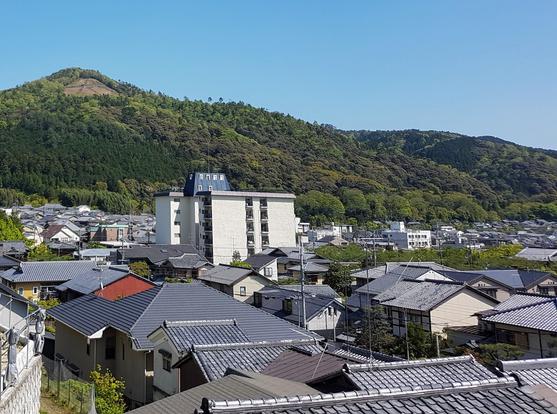
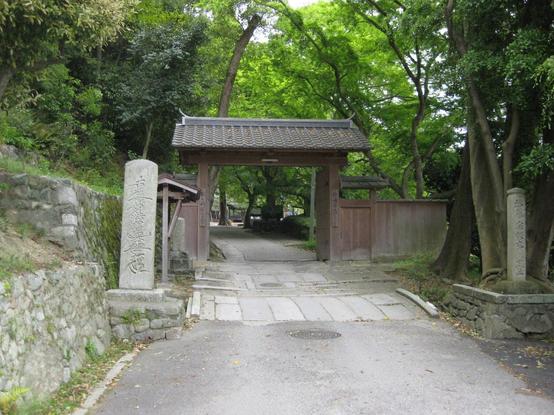
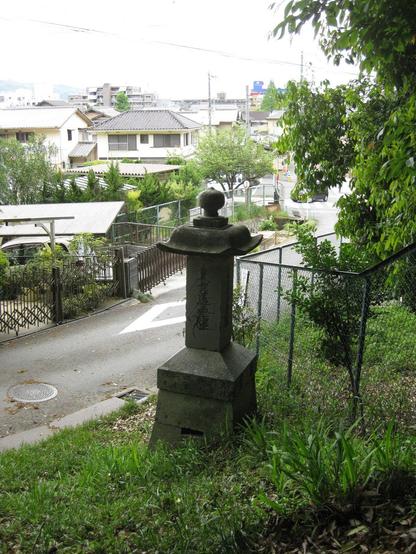
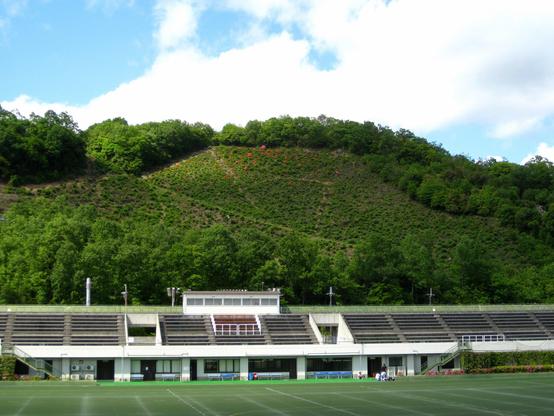
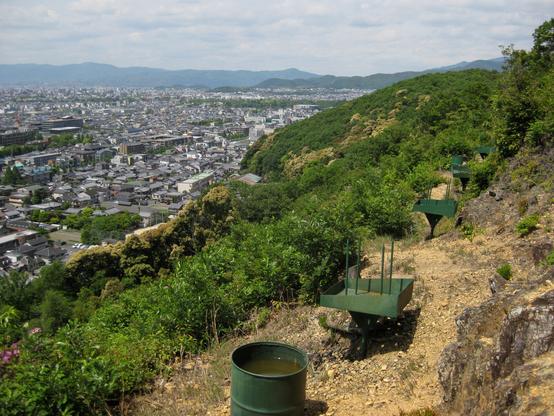
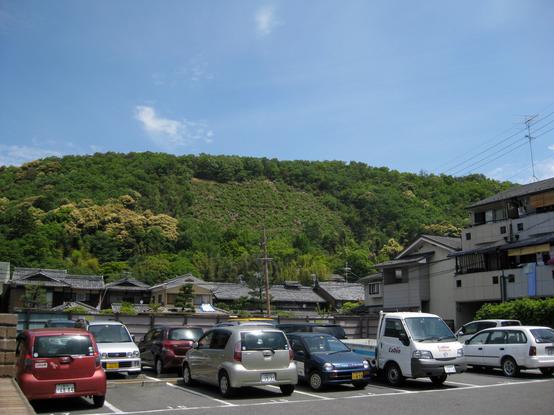
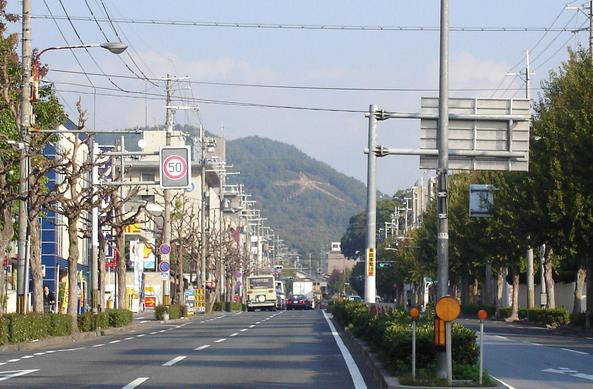
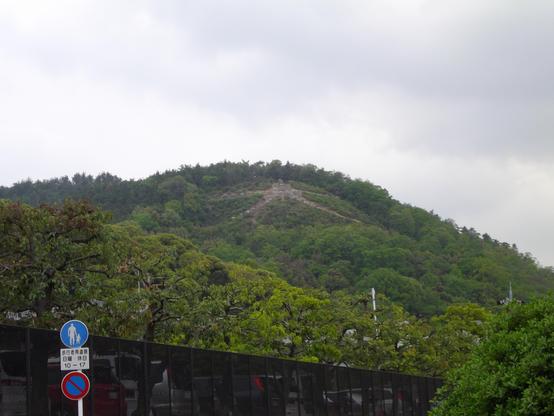
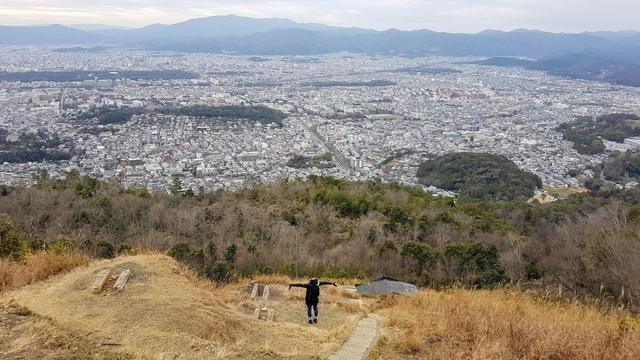
Daimonji sits on the upper slopes of Mt. Nyoigadake (如意ヶ嶽/大文字山).

Daimonji's horizontal stroke is 80m long, the left sweep 160m and the right 120m.
The character '大' means large or great, though it is unclear what it symbolises

A little before 8pm the first fire (of 75 in total) is lit at the Kanao (金尾), Daimonji's heart.

Daimonji is also known as 'Josei-gata' (女性型), which means 'feminine style'. Compared with the heavier strokes of Hidari Daimonji (左大文字 lit. Left Daimonji) to the north west of the city, Daimonji's slender strokes are considered more womanly and beautiful.
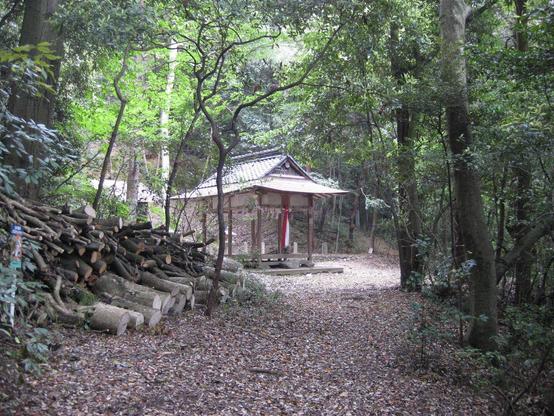
From noon on August 15th until the next day people gather at a station close to Ginkaku-ji to write down their prayers on wooden prayer tablets (護摩木). These are then bundled together and carried up the mountain to be used within the bonfires.

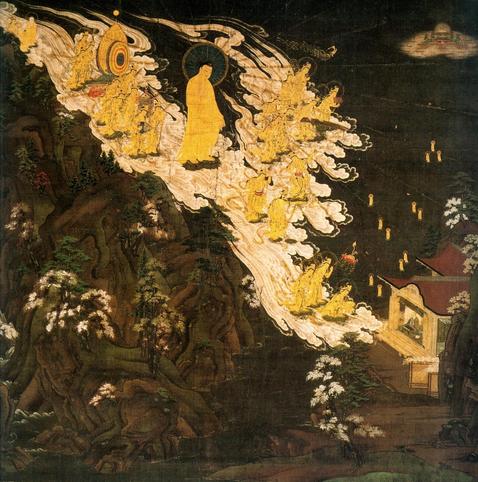
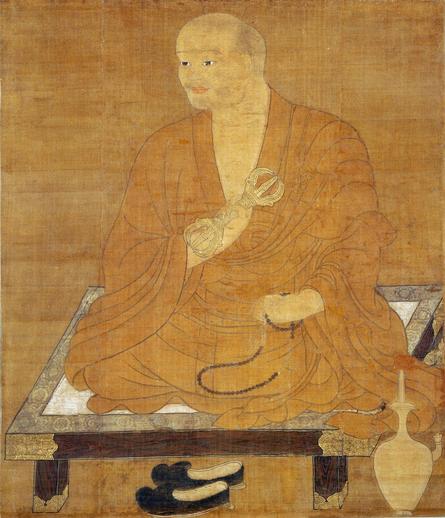
No-one is quite sure when or why Daimonji was created. It is possible that Kūkai inspired a later, permanent fixture, by ending a plague 808 with bonfires arranged in the shape '大'. He built these on the charred ruins of Jōdō-ji, where Amida had been seen rising from the flames.

It's unclear what the character '大' represents.
Many have suggested it signifies the Shingon doctrine of 'Sokushin Jōbutsu' (即身成仏). Alternatively it might symbolize the 5 elements, or a human figure.

On August 16th the spirits of the dead, having arrived in the city on the 7th for a brief holiday in our world, return to the Netherworld for another year.

Kyōto says goodbye in spectacular fashion, lighting great bonfires to guide the dead home.

The 5 'Gozan-no-Okuribi':
🔥Daimonji (大 = 'Great' from 8pm)
🔥Myo-Ho (妙法 = 'Wondrous Dharma' from 8:10)
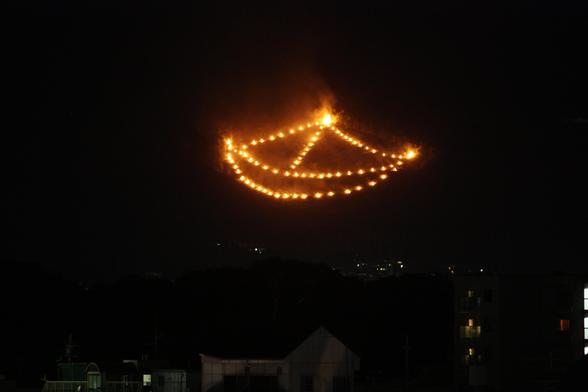
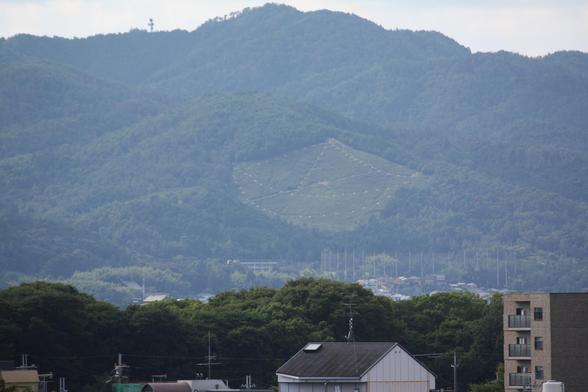
🔥Funagata (舟形 = the shape of a boat, from 8:15)
🔥Hidari Daimonji (大 = 'Great' from 8:15)
🔥Toriigata (鳥居形 = the shape of a shrine gate, from 8:20).

Counted as 1 of Kyōto's 4 great celebrations, the Gozan-no-Okuribi was originally called Shūkyō Gyōji or Oshorai-san (宗教行事 'the ritual'/おしょらい/おしょらいさん).
Many people incorrectly call the event Daimonji, the first and most famous of the Okuribi.

On 16th August it is said that Kyōto's spirits gather at Daimonji (大文字)before traveling to read the sutra at 'Myō-Hō' (妙法).
They then ride the Funagata (舟形 boat), guided by Hidari Daimonji (左大文字), back to the Netherworld via the Toriigata (鳥居形 gate).

The most famous of the Okuribi, and the first to be lit, is Daimonji (大) on Nyoigadake, Higashiyama.
The other 4 Okuribi are lit at 5-10 minute intervals, and by 8:30 all the characters can be seen.
Each bonfire burns for around 30 minutes.

Unlike the Gion & Aoi festivals, the Okuribi's origins are hazy.
In 1603 the nobleman Funabashi Hidekata (舟橋秀賢), in his diary 'Keichō Nikken-roku' (慶長日件録), describes going to the Kamo River to see the mountain bonfires. It is the earliest record.

Each of the giant Okuribi are created from dozens of small bonfires, lit on the night from a burning pile of blessed prayer tablets (胡麻木). Wood for the fires is cut and stored in February.

Five organizations maintain the bonfires and sites.

Nowadays 'Daimonji-yaki' (大文字焼き) has become a popular nickname for the event.
At one time it would have been possible to see all the bonfires from the imperial palace, but modernisation means you will now have to more carefully consider your viewing spot.

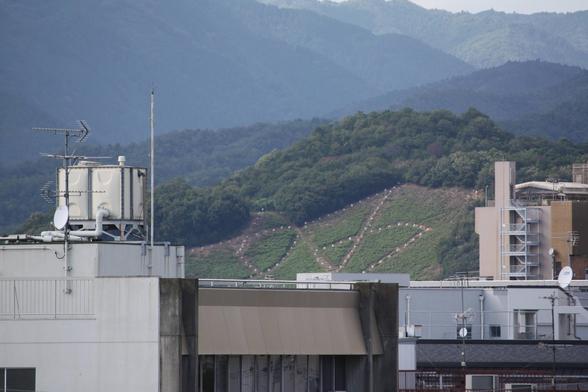
🔥'妙法'🔥

The 2nd of the Gozan-no-Okuribi (五山送り火) to be lit is Myō-hō (妙法), at 8:10pm on August 16th.
These are actually two separate characters.
'Myō' (妙) and 'Hō' (法) are lit on two separate, neighbouring mountain slopes, but are read as one.

Together the characters 'Myō' (妙) and 'Hō' (法) mean 'Wondrous Dharma', taken from 'Myōhō Renge Kyō' (妙法蓮華経 the 'Lotus Sutra'), supreme scripture of the Nichiren Sect (法華系仏教). The creation of these Okuribi (送り火) is deeply connected to this Buddhist sect.

According to Yūsen-ji (涌泉寺) lore, in 1307 the monk Nichizō (日像 d.1342) converted the village of Matsugasaki to the Nichiren sect. In celebration he carved the letter 'Myō' (妙) on Nishiyama (西山-West Matsugasaki) with his walking stick, close to the village cemetery.

After Nichizō's death the villagers maintained the tradition, continuing to illuminate the character he had drawn on the mountain slope.

#Obon #お盆 #Matsugasaki #松崎 #GozannoOkuribi #五山送り火

As the site was close to the cemetery, it is thought the custom merged with the celebrations at Obon and became a regular local event.

But what of the character 'Hō' (法)?
Well it is suggested that sometime in the 18thC a monk by the name of Nichiryō (日良), from nearby Daimyō-ji Temple (大妙寺), mimicked Nichizō by carving the character '法' on Higashiyama (東山-East Matsugasaki). Thus creating Myōhō (妙法).

#Obon #お盆 #Kyoto #京都 #Japan

🔥舟形🔥

Funagata (舟形) is the 3rd of the Gozan-no-Okuribi. The ringing of the temple bell at Saihō-ji (西方寺) signals the bonfire to be lit at 8:15pm.
As the name suggests, the bonfires form the shape of a huge boat on the side of Mt Myōken (妙見山/西賀茂山).

While Funagata's origins are unclear, the boat design was possibly created to mimic the 'Gusei-no-fune' (弘誓の船 lit. 'Boat of Buddha's Great Vow'), small straw boats traditionally woven for new spirits to leave on at the time of the equinox services.

Legend has it that Funagata was created by Ennin (圓仁 793- 864), 3rd Abbot of Enryaku-ji (延暦寺) and founder of Saihō-ji (西方寺), grateful to survive a storm on his return from China in 847.
Saihō-ji sits at the foot of the mountain and is and deeply connected to the Okuribi.

Crediting Amida with his protection during the storm, in thanks Ennin created a ship out of lanterns on the mountain above Saihō-ji to carry and guide the souls of the dead safely into Amida's care (in the Western Paradise).

The boat's mast is 113m tall and its body 40m deep. It stretches 93m to the left of the mast and 93m to the right.

400 bundles of split pine and 130 bundles of pine needles are used to create bonfires on the 79 fire beds.

54 local men are selected to light the fires.

#Kyoto #京都 #Obon #GozannoOkuribi #五山送り火 #お盆

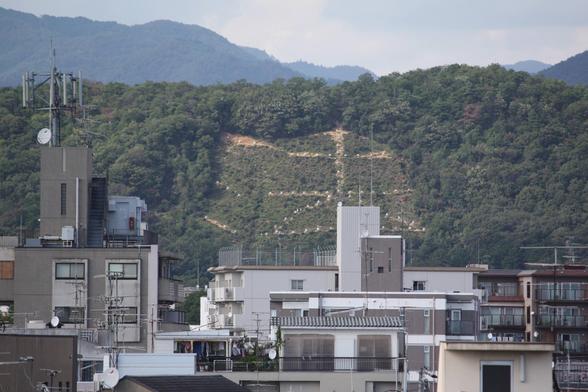
🔥左大文字🔥

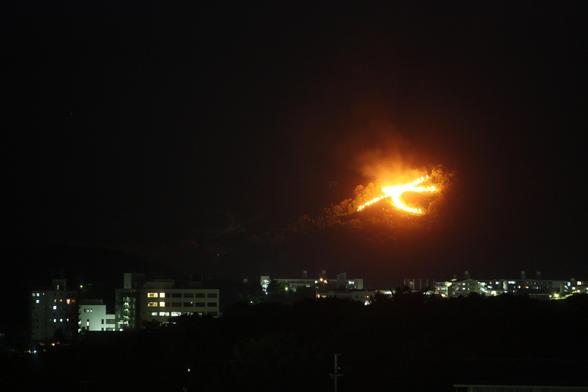
Hidari Daimonji is the 4th of the Gozan-no-Okuribi (五山送り火). It is lit at 8:15pm, the same time as the Funagata.

The Okuribi is named 'Left Daimonji' because it stands on the left side (west) of the imperial palace when viewed from above.

Because of its shorter, heavier strokes, Hidari Daimonji is also known as 'Dansei-gata' (男性型), which means 'manly style'. This perfectly complements Daimonji's more slender and elegant strokes. Daimonji is known as 'Josei-gata' (女性型), 'feminine style'.

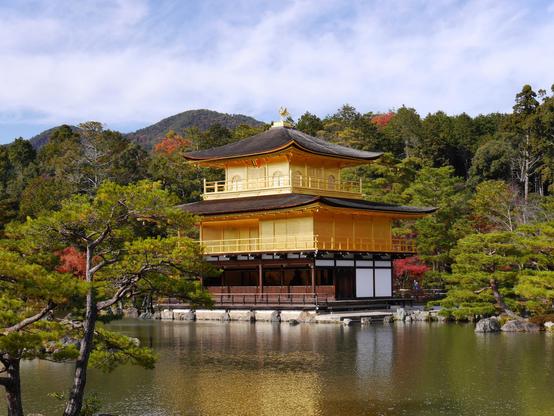
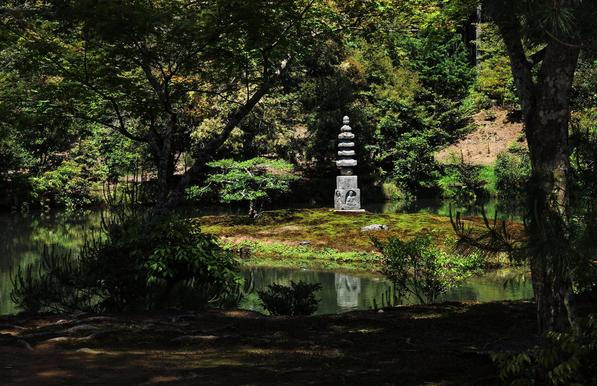
Hidari Daimonji sits on the upper slopes of Kinugasa Okita-yama (衣笠大北山 overlooking Kinkaku-ji).
Its horizontal stroke is 48m long, the left sweep 68m and the right sweep 59m. Because it is almost half the size of Daimonji, it is often known as 'Little Daimonji'.

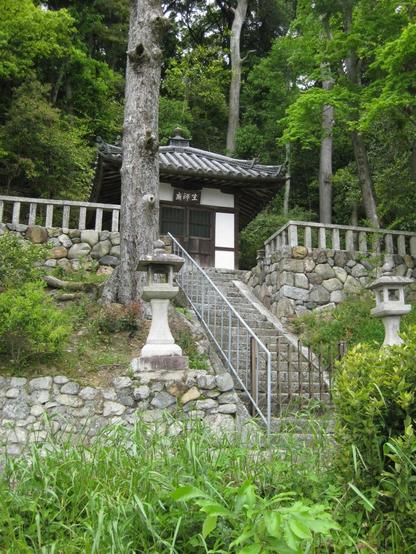
Deeply connected to the tiny temple of Hō'on-ji (法音寺), it is unclear how old the Okuribi is.
Torch processions in Ōkitayama Village (大北山村) are mentioned as early as 1658 and 1665, so possibly it developed around this time.

🔥鳥居形🔥

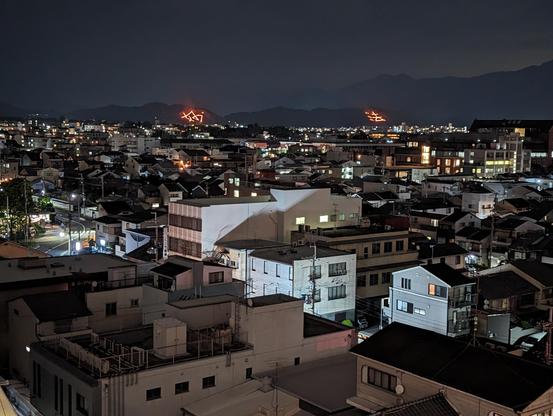
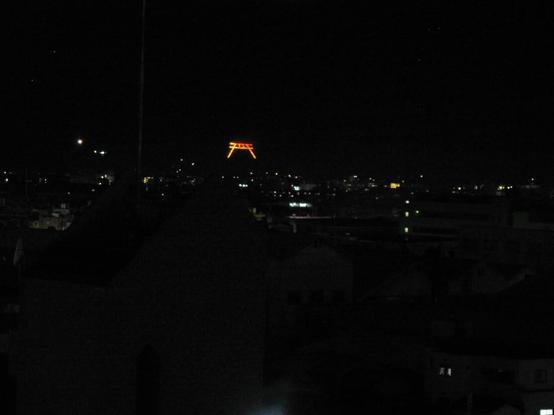
Toriigata (鳥居形), lit at 8:20pm, is the last of the Gozan-no-Okuribi (五山送り火) to be ignited. At this time, for a brief moment, all the Okuribi are visible across the city (Daimonji little more than a flicker in the dark).

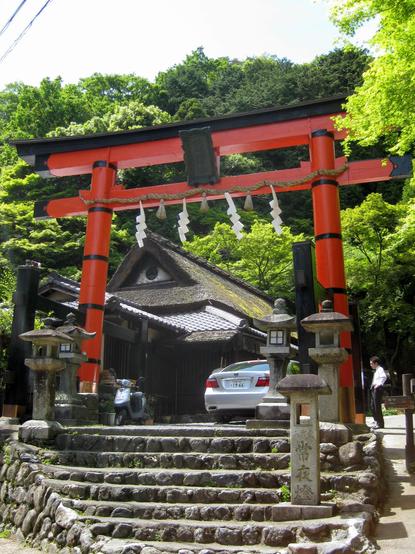
Toriigata sprawls on the side of Mt. Mandara (曼荼羅山), 76m tall and 72m wide. It is said to have been modeled on Ichi-no-Torii (一の鳥居), the gateway to sacred Mt. Atago (愛宕山).
The Okuribi is also known as Torii Daimonji (鳥居大文字).

It is said that lanterns were first lit on Mt. Mandara (曼荼羅山) to celebrate an 'eye opening ceremony' (開眼供養) held by Kūkai (弘法大師 774-835) to consecrate 1000 stone Buddhas he gathered in this area.
Kūkai is also said to have created Daimonji.

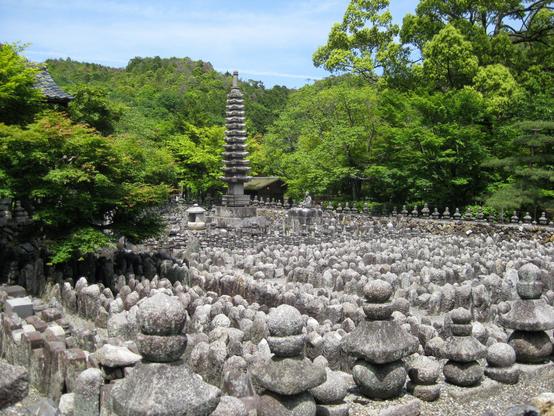
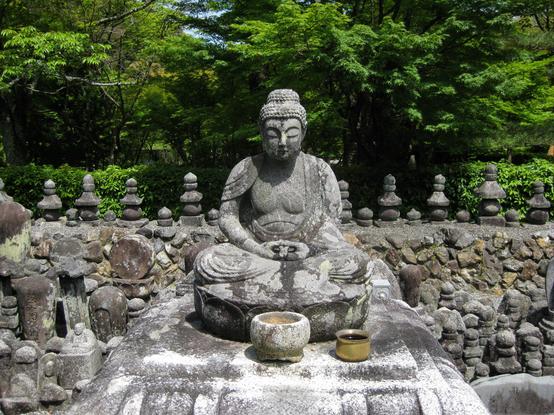
In 811 Kūkai founded Shingon Gochizan Nyorai-ji (五智山如来寺) to pray for those unknown souls abandoned in Adashino (化野). He collected and buried 1000 stone statues, then placed an image of Gochi Nyorai in a small worship hall (what is now Adashino Nenbutsu-ji).

Toriigata’s bonfires are lit in a unique way. At 8am on August 16th a 'parent fire' is started at the mountain base. At 4pm fire is carried up the mountain to form a 2nd bonfire. At 6pm each of the iron fire pits are prepared with pine roots soaked in gin and left to smoulder.

At 8:20pm drums signal the fires can begin (this happens all at once). This method of lighting fires is different from the other Okuribi. There is 1 fire pit for each of the 108 'Earthly Desires'.

Toriigata is by far the fastest burning of the Gozan-no-Okuribi, so it is called the 'Fire Runner'. Mt. Mandara is also known as Mandoro-yama (万灯籠山 'Mountain of 10,000 Lanterns') after the lanterns lit at Obon to guide the spirits back home.

Some suggest it was Toriimoto Hachiman-gū (鳥居本八幡宮-guardian shrine of Kō'on-in 洪恩院) that created the fires in 1413 in memory of Ki-no-Ryōshi (紀良子), the mother of their founder Ashikaga Yoshimitsu. Some believe Daimonji also started as an Ashikaga memorial.

@camelliakyoto so much fascinating information, ありがとう!